• Skip to primary navigation
  • Skip to main content
  • Skip to primary sidebar

Kitchenware Compare

  • Home
  • Contact
  • Product Reviews
  • Food Blog
  • Helpful Kitchen Tips
  • About Us

What Does Quinoa Taste Like?

Last Updated August 29, 2023

Hello there! Have you ever wondered what quinoa tastes like? Well, I’m here to satisfy your curiosity. Quinoa, a trendy superfood, is known for its nutritional benefits and versatility in cooking. But what about its taste? In this article, I’ll provide you with a flavorful description of what quinoa tastes like, so you’ll know exactly what to expect when you take that first bite. So, let’s embark on this delightful culinary exploration together!
What Does Quinoa Taste Like

Appearance

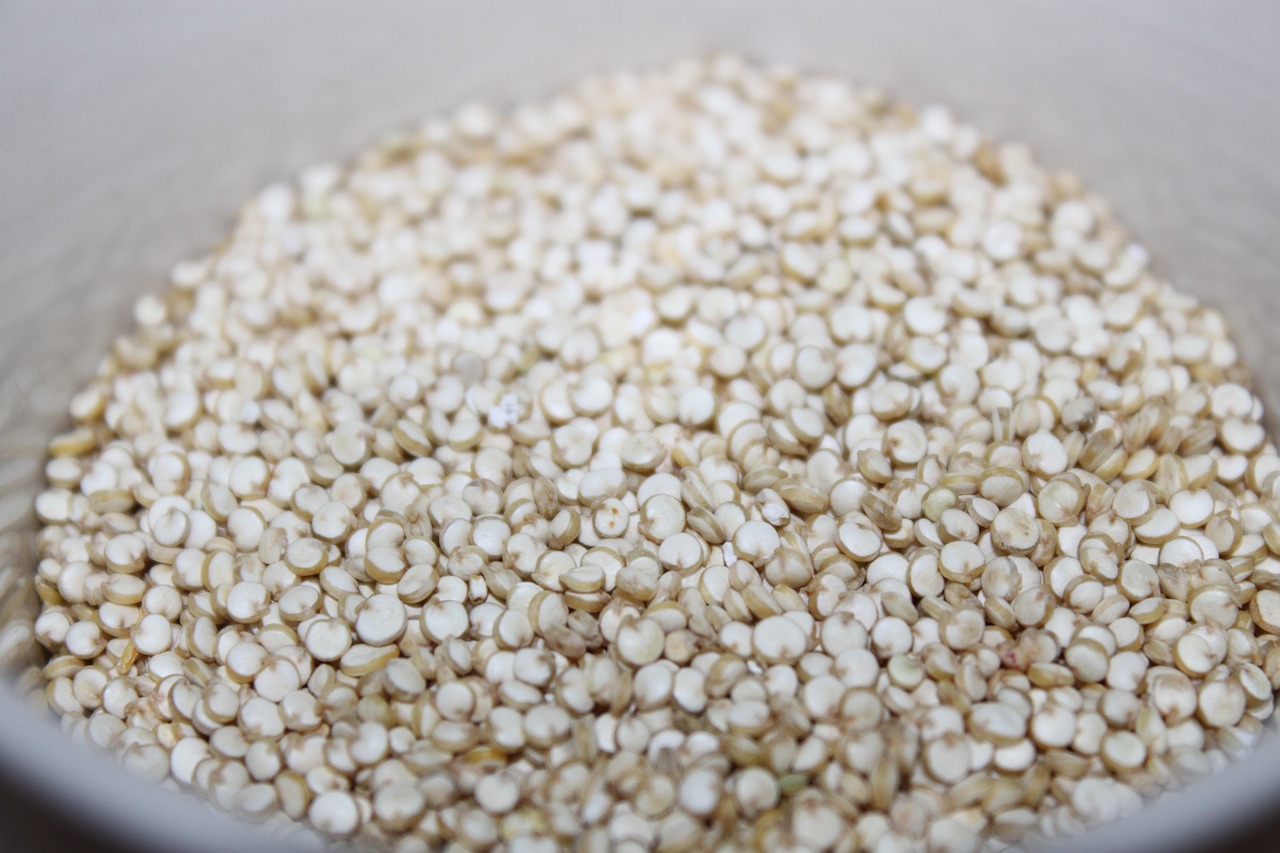
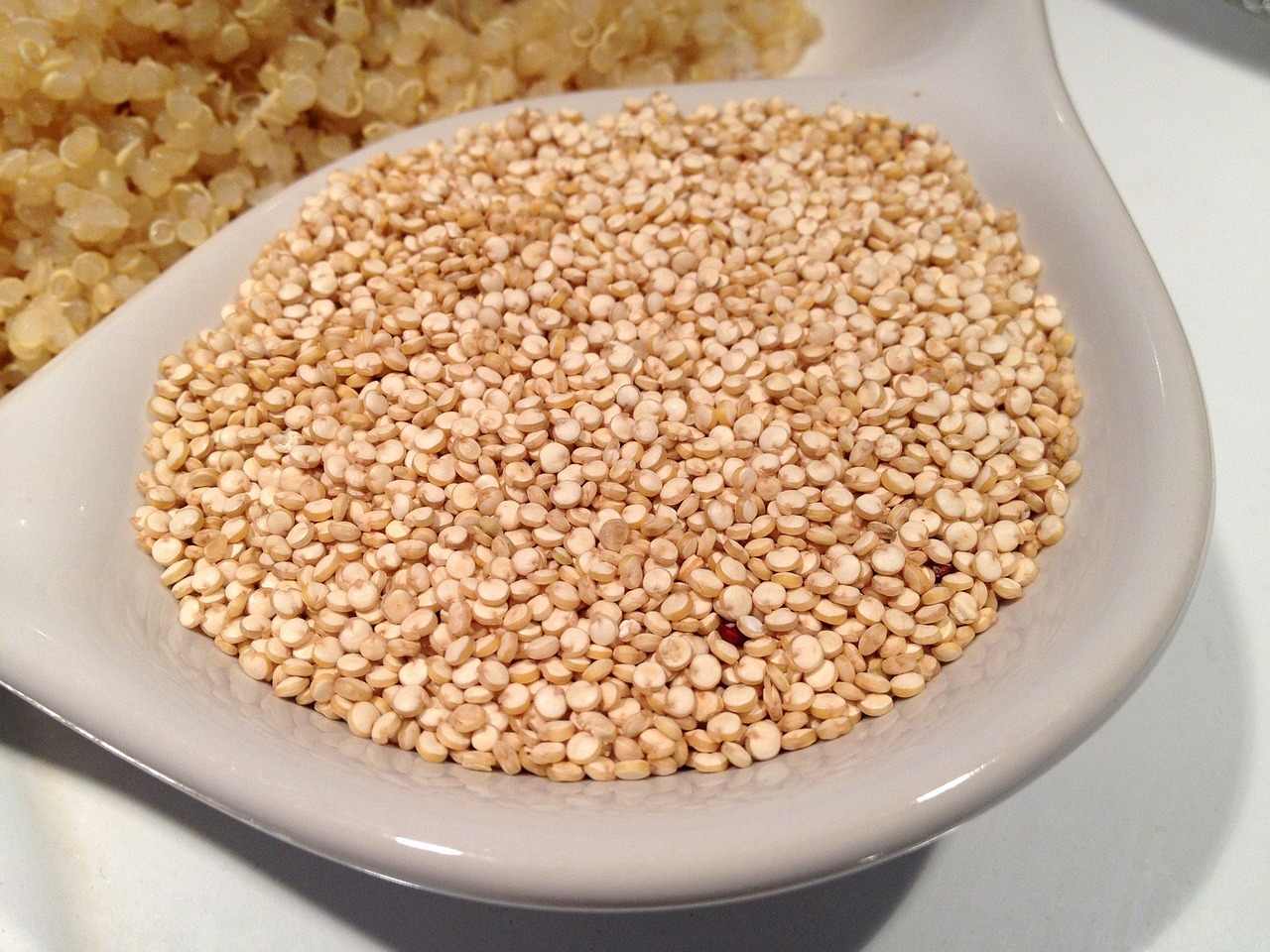
Quinoa, also known as the “mother grain,” boasts a beautiful appearance that is both eye-catching and enticing. It comes in a variety of colors, including white, red, and black. The different hues add a unique aesthetic to dishes, making them visually appealing and vibrant. Whether it’s the creamy white quinoa, the rich red variety, or the deep and intense black quinoa, each color adds its own distinct touch to meals.

Color

White quinoa, the most common variety, has a pale, ivory-colored appearance. It blends seamlessly into various recipes and is a popular choice for its versatility. Red quinoa, on the other hand, has a deeper and bolder hue, adding a pop of color to any dish. Lastly, black quinoa offers a striking visual contrast with its rich dark color, making it an excellent choice for adding visual interest to salads and side dishes.

Texture

One of the defining characteristics of quinoa is its unique texture. When cooked, quinoa has a soft yet slightly chewy texture that adds a delightful element to any recipe. This texture is incredibly versatile and can be adjusted to suit individual preferences. Whether you prefer a softer or chewier texture, quinoa can accommodate both.

Flavor

Quinoa possesses a mild, nutty flavor that has made it highly sought after in the culinary world. The nutty undertones add depth and richness to dishes, enhancing the overall taste. Additionally, quinoa has a subtle earthy flavor that adds a touch of natural goodness to any recipe. This combination of flavors creates a harmonious balance that complements a wide array of ingredients, making quinoa a versatile and delicious ingredient.

Nutty

The nutty flavor of quinoa is one of its most distinctive qualities. This delicious taste profile adds a pleasant richness to dishes, particularly when combined with various herbs and spices. The nutty undertones are not overpowering but rather provide a subtle hint that lingers on the palate, leaving a delightful aftertaste.

Earthy

Quinoa’s earthy flavor is akin to the taste of the land it grows in. This natural, earthy essence is reminiscent of the fertile soil it originates from, adding a grounded and wholesome note to dishes. The earthiness is intriguing without being overpowering, allowing the other flavors in a recipe to shine through while providing a solid foundation for the overall taste.

Mild

While quinoa possesses distinct flavors, they are relatively mild, making it a suitable ingredient to use in various culinary creations. The mildness allows quinoa to act as a canvas for other flavors, effortlessly blending and enhancing the overall taste of a dish. This versatility makes it an excellent choice for both sweet and savory recipes.

Slightly Bitter

Quinoa does have a hint of bitterness, although it is very subtle and often barely noticeable. This slight bitterness adds complexity to the overall flavor profile. It acts as a delightful counterbalance to the nutty and earthy undertones, creating a multi-dimensional taste experience.

Aroma

Quinoa has a mild, almost neutral aroma that does not overpower the senses. Its subtle fragrance may remind you of freshly harvested grains, with a hint of grassiness. This delicate aroma is not intrusive but provides a pleasant background note that adds to the overall sensory experience of cooking and eating quinoa-infused dishes.

Mild

The mild aroma of quinoa reflects its overall flavor profile. Just as its taste is not overpowering, neither is its fragrance. This attribute allows the other aromatic ingredients in a recipe to shine through, ensuring a harmonious blend of scents without any one element dominating.

Grassy

The slight grassy aroma of quinoa offers a touch of freshness reminiscent of the outdoors. This subtle fragrance adds a natural element to dishes, elevating them to new levels of olfactory delight. The grassy notes are delicate and pleasant, adding a refreshing undertone to the overall aroma.

Mouthfeel

Quinoa’s mouthfeel is a delightful blend of textures that adds dimension to any dish it is included in. The cooked quinoa is soft, yet it retains a subtle chewiness that contributes to a satisfying eating experience. Additionally, quinoa has a slight crunchiness, which adds an enjoyable contrast to dishes where it is used.
What Does Quinoa Taste Like

Chewy

The chewiness of quinoa is one of its defining characteristics. When cooked, the individual quinoa grains remain intact and offer a pleasant resistance when bitten into. This chewiness provides a satisfying texture that allows you to truly savor each bite, making quinoa a fantastic addition to a variety of dishes, from salads to stir-fries.

Soft

Aside from its chewiness, quinoa also has a soft texture. When cooked properly, the quinoa grains become tender without being mushy, allowing them to blend seamlessly with other ingredients. The softness of quinoa is highly desirable, especially when it comes to creating dishes with a pleasing mouthfeel.

Slightly Crunchy

While quinoa is known for its soft and chewy texture, it also possesses a subtle crunchiness. This slight crunch adds a layer of interest to dishes, providing a textural contrast that keeps every bite exciting. Whether used in salads or as an accompaniment to main dishes, the slight crunch of quinoa elevates the overall eating experience.

Cooking Methods

Quinoa is incredibly versatile when it comes to cooking methods. It can be prepared using various techniques, each resulting in a slightly different texture and taste experience. The most commonly used cooking methods for quinoa include boiling, steaming, and baking.

Boiling

Boiling quinoa is a simple and straightforward method that yields great results. To prepare quinoa using this method, rinse it thoroughly to remove any bitterness, then add it to a pot of boiling water. Cook the quinoa until it is tender with a slight crunchiness, usually around 15-20 minutes. Once cooked, drain any excess liquid and fluff the quinoa with a fork. Boiled quinoa is perfect for salads, stir-fries, and as a side dish.

Steaming

Steaming quinoa is another popular method that produces a fluffy and light texture. To steam quinoa, rinse it well and add it to a steamer basket. Place the basket over a pot of simmering water and cover it, allowing the quinoa to steam for around 15-20 minutes. Once cooked, remove the quinoa from the steamer basket and fluff it with a fork. Steamed quinoa is excellent for pilafs, casseroles, and as a base for various toppings.

Baking

Baking quinoa is a unique method that yields a slightly crispy and crunchy texture. To bake quinoa, spread it evenly on a baking sheet and place it in a preheated oven. Bake at a low temperature, around 300°F (150°C), for about 25-30 minutes, or until the quinoa is golden and crispy. Baked quinoa can be used as a crunchy topping for salads, soups, or even enjoyed as a snack on its own.

Seasoning and Pairings

Quinoa’s mild yet versatile flavor creates a blank canvas for a wide range of seasonings and pairings. Its neutral taste allows it to adapt to various cuisines and ingredients. Here are some popular seasonings and pairings that complement quinoa perfectly:

Herbs and Spices

Herbs and spices are excellent additions to quinoa, enhancing its flavor and adding depth to dishes. Popular choices include fresh herbs like parsley, cilantro, basil, and mint, as well as spices such as cumin, paprika, turmeric, and garlic powder. The selection of herbs and spices can be tailored to suit different recipes and personal preferences, offering countless possibilities for creating flavorful and aromatic quinoa dishes.

Citrus

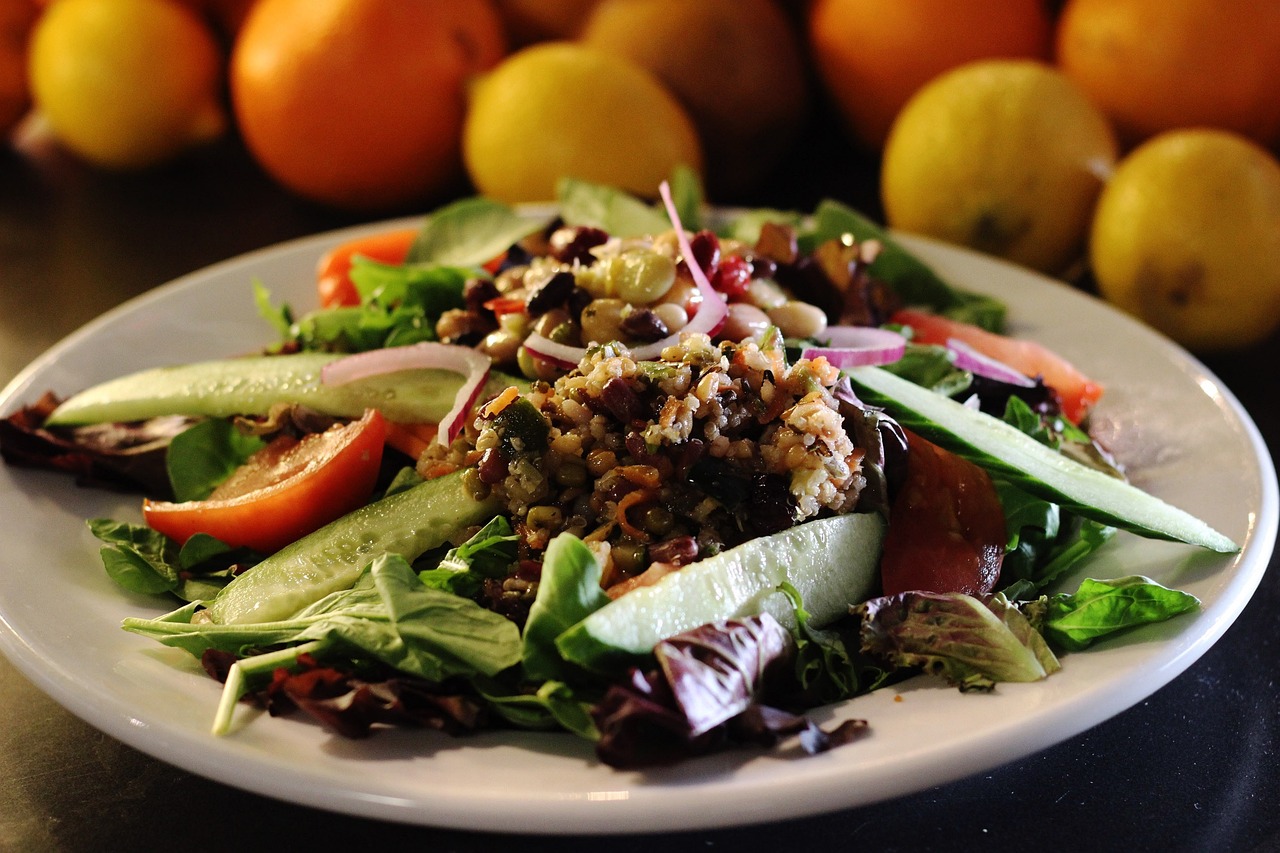
The bright and zesty flavors of citrus fruits can bring out the best in quinoa. Adding a squeeze of lemon, lime, or orange juice to cooked quinoa lends a refreshing tanginess that balances its mild nutty taste. Additionally, citrus zest adds a delightful aromatic element to dishes, enhancing the overall sensory experience.

Nuts and Seeds

Nuts and seeds are a match made in heaven when it comes to quinoa. The combination of quinoa’s nutty flavor and the crunchiness of nuts and seeds adds a delightful texture and taste contrast. Almonds, walnuts, pumpkin seeds, and sesame seeds are popular choices to pair with quinoa, offering an extra layer of richness and nutritional goodness.

Vegetables

Quinoa pairs exceptionally well with a wide variety of vegetables, offering a balanced and nutritious meal. Popular vegetable pairings include roasted or sautéed bell peppers, zucchini, eggplant, cherry tomatoes, kale, spinach, and mushrooms. These vegetables provide color, texture, and flavors that complement quinoa perfectly, creating a harmonious and satisfying dish.
What Does Quinoa Taste Like

Cultural Significance

Quinoa holds significant cultural importance, particularly in Andean cuisine, which refers to the traditional foods and culinary practices of the Andean region in South America. The indigenous people of the Andes have been cultivating and consuming quinoa for thousands of years, considering it a staple and sacred crop.

Andean Cuisine

In Andean cuisine, quinoa is a fundamental ingredient that appears in a wide range of dishes. It features prominently in traditional recipes, such as quinoa soup (sopa de quinua), quinoa salads, quinoa stews (chairo), and even desserts like quinoa pudding. Quinoa’s cultural significance in Andean cuisine showcases its versatility and deep-rooted connection to the region’s culinary identity.

Vegetarian and Vegan Diets

Quinoa has gained immense popularity among vegetarian and vegan diets due to its exceptional nutritional profile. As a plant-based complete protein source, it provides essential amino acids that are typically found in animal products. This makes quinoa an excellent alternative for those following a vegetarian or vegan lifestyle, as it offers a wholesome dietary option.

Pseudocereal

Quinoa is often referred to as a pseudocereal because although it is used and consumed like a grain, it does not belong to the grass family. Botanically speaking, quinoa is related to spinach and beets, making it a unique and versatile ingredient. This classification sets quinoa apart from true cereals like wheat, oats, and corn, making it an exciting addition to any diet.

Health Benefits

Quinoa is not only known for its delicious taste and cultural significance but also for its remarkable health benefits. This superfood boasts an impressive nutritional profile that makes it a valuable addition to a well-balanced diet.

Protein Source

Quinoa is an exceptional source of plant-based protein and is considered a complete protein. This means it provides all nine essential amino acids necessary for the body’s growth and repair. With approximately 8 grams of protein per cooked cup, quinoa is an excellent option for individuals looking to increase their protein intake, including vegetarians, vegans, and those following a plant-based diet.

High in Fiber

Quinoa is rich in dietary fiber, with approximately 5 grams per cooked cup. Fiber is essential for maintaining a healthy digestive system and preventing constipation. Additionally, a high-fiber diet can help control blood sugar levels, reduce cholesterol levels, and promote a feeling of fullness, making it easier to manage weight.

Gluten-Free

Quinoa is naturally gluten-free, making it an ideal grain alternative for those with celiac disease, gluten intolerance, or a preference for gluten-free options. This makes quinoa a versatile ingredient that can be enjoyed in various recipes, from salads and sides to main courses and desserts.

Rich in Minerals

Quinoa is a mineral powerhouse, packed with essential nutrients that promote optimal health. It is a significant source of magnesium, iron, phosphorus, manganese, and copper. These minerals play vital roles in various bodily functions, including energy production, bone health, immune system support, and red blood cell formation.

Quinoa Varieties

Quinoa comes in various colors, each offering its own unique characteristics in terms of taste, texture, and appearance. Here are some popular quinoa varieties:

White Quinoa

White quinoa is the most common and readily available variety. It has a mild flavor and a slightly fluffy texture when cooked. White quinoa pairs well with a wide range of ingredients and is versatile enough to be used in both sweet and savory dishes.

Red Quinoa

Red quinoa has a richer flavor compared to white quinoa and retains its shape better when cooked. It offers a slightly firmer texture and a nuttier profile. Red quinoa’s vibrant color adds visual interest to dishes, making it an attractive choice for salads and grain bowls.

Black Quinoa

Black quinoa has a striking appearance and a slightly sweeter and earthier taste. It retains its shape and texture when cooked, making it an excellent choice for dishes that call for a visually appealing contrast. Black quinoa is highly nutritious, just like its white and red counterparts, and offers a delightful culinary experience.

Quinoa as a Substitute

Quinoa’s versatility extends beyond its nutritional value and culinary applications. It can also be used as a substitute for other grains and cereals, providing a healthier and more nutrient-dense alternative in various recipes.

Rice

Quinoa can be used as a substitute for rice in many dishes. Its similar texture and ability to absorb flavors make it an excellent choice for creating pilafs, stir-fries, and various rice-based dishes. Quinoa’s nutritional benefits, including its higher protein and fiber content, offer a nutritious twist to familiar rice-based recipes.

Couscous

Quinoa can be substituted for couscous to create a gluten-free alternative. The slight crunchiness and nutty flavor of quinoa provide a unique twist to traditional couscous dishes. This substitution is especially beneficial for individuals with gluten intolerances or those looking for a higher protein and fiber content in their meals.

Oats

For those looking for a gluten-free alternative to oats, quinoa can be a fantastic substitute. Quinoa flakes, which are made by rolling and flattening the grains, can be used to make a variety of oat-based dishes such as porridge, granola bars, and cookies. They offer a similar texture and can be flavored with various spices, fruits, and sweeteners to create a delicious and nutritious breakfast or snack option.

In conclusion, quinoa is a versatile and nutritious ingredient that has gained immense popularity worldwide. Its appearance, flavor, aroma, and mouthfeel make it an excellent addition to a wide variety of dishes. Whether you’re looking for a mild and nutty taste, a slightly chewy texture, or a gluten-free alternative for grains and cereals, quinoa has something to offer. Its cultural significance, health benefits, and wide range of applications make quinoa a true superstar in the culinary world. So go ahead, explore the endless possibilities of quinoa and elevate your meals to new heights of flavor and nutrition.

Please be sure to check out some of our other articles that explore exotic cuisines like Moose, Elk, Whale and Deer.

Filed Under: Food Blog Tagged With: food, Grain, Quinoa, Taste

What Does Avocado Taste Like. A complete guide.

Last Updated July 31, 2023

Have you ever wondered what avocado tastes like? This popular fruit is known for its creamy texture and unique flavor. In fact, many people consider avocado to have a mild, buttery taste that is both rich and satisfying. Whether you love avocados or have never tried them before, understanding their taste can help you appreciate the versatile ingredient even more.

In our article, you’ll discover more about what avocado tastes like and how it can enhance your meals. We’ll explore the different varieties of avocados and their varying flavor profiles. You’ll also learn about the factors that influence the taste of avocados, such as ripeness and growing conditions. So, if you’re curious about the flavor of avocados or want to expand your culinary horizons, this article is for you. Stay tuned to uncover the delicious taste of avocados!


Introduction to Avocado Taste

Avocado is a unique and versatile fruit that has gained immense popularity in recent years. Whether you enjoy it in salads, on toast, or as the star ingredient in guacamole, understanding the taste of avocado is essential for any avocado lover. In this article, we will explore the flavor profile of avocado, its physical attributes, and how it compares to other fruits and nuts. We will also delve into the factors that can affect the taste of avocado, its culinary uses in different cuisines, the health benefits it offers, and the various avocado varieties available. So, if you’ve ever wondered what avocado tastes like, keep reading to discover more!

Overview of Avocado

Before diving into the taste of avocado, let’s start with a brief overview of this fascinating fruit. Avocado, scientifically known as Persea americana, is native to South Central Mexico. It grows on evergreen trees and is cultivated in countries with warm climates. Avocado is classified as a fruit, although it is often referred to as a vegetable due to its low sugar content. It has a buttery texture and a rich flavor that makes it a favorite ingredient in many dishes.

Culinary Use of Avocado

Avocado is a staple in many cuisines around the world, particularly in Mexican and Asian cuisine. Its creamy texture and mild taste complement a wide range of flavors, making it a versatile ingredient. In Mexican cuisine, avocados are commonly used to make guacamole, a delicious dip that combines mashed avocados with lime juice, onions, tomatoes, and spices. In Asian cuisine, avocados are often used in sushi rolls or as a topping for rice bowls. Avocado is also used to create salad dressings, sandwiches, smoothies, and even desserts.

Avocado Tasting Experience

Now, let’s get to the heart of the matter – what does avocado taste like? The taste of avocado can be described as mild and nutty, with a creamy and buttery texture. When you take a bite of a perfectly ripe avocado, you’ll notice a rich, smooth, and velvety sensation in your mouth. The flavor is subtle yet distinct, with a hint of sweetness that balances out the nuttiness. Avocado also has an umami essence, which adds depth and complexity to its taste.

Physical Attributes of Avocado

To fully understand the taste of avocado, it’s important to consider its physical attributes. Avocado has a unique appearance, with its dark green, bumpy skin, and pear-like shape. The skin is tough and inedible, protecting the soft, buttery flesh inside. When you cut into an avocado, you’ll notice its pale green to yellowish flesh, depending on the variety. The flesh has a smooth and creamy texture, similar to that of a ripe banana, but with a more substantial and luxurious mouthfeel.

Texture of Avocado

The texture of avocado is one of its defining characteristics. When perfectly ripe, avocado is incredibly creamy and smooth, almost like a custard. It melts in your mouth and coats your taste buds with its lusciousness. The buttery texture of avocado is what makes it a popular ingredient in both savory and sweet dishes. Whether you’re spreading it on toast or blending it into a smoothie, avocado elevates the texture of your food to a whole new level.

Color Variations

Avocados come in various shades of green, ranging from dark green to almost black. This color variation is mainly influenced by the variety of avocado and their maturity. The most commonly available avocado variety is the Hass avocado, which is known for its rough, pebbly skin and dark green color. However, there are other varieties such as Fuerte, Pinkerton, and Reed that have different appearances. Some avocado varieties, like the Pinkerton, have smoother skin and lighter green flesh. Regardless of the color, the taste of avocado remains consistent in terms of its mild, nutty flavor.

Avocado Flavor Profile

To better understand what avocado tastes like, let’s break down its flavor profile into distinct characteristics.

Mild and Nutty Taste

The taste of avocado is mild, with a subtle nuttiness that is often compared to the flavor of almonds. This nuttiness adds depth and richness to dishes and enhances the overall flavor experience. The mild taste of avocado allows it to complement a wide range of flavors without overpowering them.

Creamy and Buttery Texture

As mentioned earlier, the creamy and buttery texture of avocado is one of its defining qualities. When you take a bite, you’ll experience a velvety smoothness that is unlike any other fruit. This luxurious texture is what makes avocado a favorite ingredient in dishes like salads, sandwiches, and creamy dips.

Umami Essence

Umami is the fifth basic taste, along with sweet, sour, salty, and bitter. It is often described as a savory or meaty taste that adds depth and complexity to food. Avocado has a subtle umami essence that contributes to its overall flavor profile, making it more satisfying and enjoyable to eat.

Subtle Sweetness

Although avocado is not known for being overly sweet, it does have a subtle natural sweetness that balances out the nutty and savory flavors. This subtle sweetness adds a touch of refreshing contrast to the overall taste of avocado, making it even more enticing.

Comparisons and Analogies

To further understand the taste of avocado, let’s explore some comparisons and analogies that help illustrate its unique flavor.

Similarities to Other Fruits

Avocado’s taste is often compared to other fruits, albeit with its own distinct characteristics. Some people describe its flavor as a cross between butter and a mild melon, while others liken it to a creamy blend of almond and coconut. These comparisons highlight the creamy, nutty, and mildly sweet qualities of avocado.

Contrasting with Different Nuts

When compared to nuts, avocado shares similarities with almonds, but without the crunch. It has a similar mild, nutty taste that is smooth and creamy, unlike the firm texture of almonds. So, if you enjoy the flavor of almonds, you’re likely to appreciate the taste of avocado as well.

Avocado and Guacamole Comparison

Guacamole is perhaps one of the most popular and well-known avocado dishes. When you taste guacamole, you’ll experience the full flavor profile of avocado, as it combines mashed avocados with various ingredients like lime juice, onions, and spices. The taste of guacamole is creamy, tangy, and slightly spicy, with the avocado flavor taking center stage. So, if you enjoy the taste of guacamole, you’ll definitely enjoy the taste of avocado.

Factors Affecting Avocado Taste

Several factors can influence the taste of avocado. Let’s explore some of these factors:

Ripeness and Maturity

The ripeness and maturity of an avocado significantly impact its taste. An unripe avocado will have a firmer texture and a more subtle flavor, while a perfectly ripe avocado will be soft and creamy, with a richer taste. Overripe avocados tend to have a stronger flavor that may border on bitterness.

Growing Conditions

The environment in which avocados are grown can also affect their taste. Factors such as soil type, temperature, sunlight exposure, and water availability play a role in shaping the flavor of the fruit. Avocados grown in optimal conditions tend to have a more balanced and flavorful taste.

Varietal Differences

Avocado comes in various varieties, each with its own unique taste characteristics. The most common variety, Hass avocado, has a rich, creamy, and nutty flavor. Other varieties, such as Fuerte or Pinkerton, may have slightly different taste profiles. Exploring different avocado varieties can introduce you to new taste experiences.

Storage and Handling

Proper storage and handling of avocados are crucial to maintain their taste. Avocados should be stored at room temperature until they reach the desired level of ripeness. Storing avocados in the refrigerator can slow down the ripening process but may also affect the taste and texture. It’s essential to handle avocados with care to prevent bruising or damage, as this can alter their taste.

Avocado Use in Different Cuisines

Avocado is an integral part of various cuisines around the world. Let’s explore its culinary uses in different cultures:

Mexican Cuisine

In Mexican cuisine, avocados are widely used to make guacamole, as mentioned earlier. They are also used as a topping for tacos, enchiladas, and salads. Avocado plays a crucial role in balancing the spiciness of dishes and adding a smooth creaminess to various Mexican specialties.

Asian Cuisine

In Asian cuisine, avocados are often used in sushi rolls, poke bowls, and salads. They lend a creamy texture and a mild taste to these dishes, enhancing their overall flavor. Avocado is also combined with ingredients like soy sauce, sesame oil, and rice vinegar to create flavorful dressings for Asian-inspired salads.

Salads and Sandwiches

Avocado is a popular addition to salads and sandwiches, regardless of the cuisine. Its creamy texture adds richness and depth to salads, while its mild taste complements a variety of ingredients. Avocado slices can be layered in sandwiches to provide a smooth and buttery contrast to other flavors.

Avocado Toast Trend

In recent years, avocado toast has become a popular food trend. It involves spreading mashed or sliced avocado on a slice of toasted bread and adding various toppings like tomatoes, eggs, or herbs. Avocado toast is loved for its simplicity and versatility, allowing you to customize the toppings to suit your taste.

Health Benefits of Avocado

In addition to its great taste, avocado offers numerous health benefits:

Nutritional Composition

Avocado is a nutrient-dense fruit, packed with vitamins, minerals, and healthy fats. It is an excellent source of fiber, potassium, vitamin K, vitamin C, and vitamin E. Avocados also provide a wide range of other essential nutrients that contribute to a well-balanced diet.

Heart-Healthy Fats

Avocados are rich in monounsaturated fats, which are considered heart-healthy fats. These fats can help reduce bad cholesterol levels and lower the risk of heart disease. Additionally, the fats in avocados help enhance the absorption of fat-soluble vitamins present in other foods.

Vitamins and Minerals

Avocado contains a variety of vitamins and minerals that support overall health. Vitamin K, for example, plays a role in blood clotting and bone health. Vitamin E is an antioxidant that helps protect cells from damage. Potassium is essential for maintaining healthy blood pressure levels.

Potential Weight Control

Avocado’s high fiber and healthy fat content can contribute to feeling full and satisfied, potentially aiding in weight control. Including avocado in balanced meals can help prevent overeating and promote satiety.

Avocado Varieties

When it comes to avocado varieties, here are a few that you should be familiar with:

Hass Avocado

Hass avocado is the most commonly available avocado worldwide. It has a dark green, pebbly skin and a rich, creamy taste. The flesh of a Hass avocado is smooth and buttery, making it ideal for various culinary applications.

Fuerte Avocado

Fuerte avocado is known for its smooth, thin skin and lighter green flesh. It has a milder taste compared to Hass avocado, with a slightly nutty flavor. Fuerte avocados are often used in salads and spreads.

Pinkerton Avocado

Pinkerton avocado has smoother skin and lighter green flesh. It has a rich, nutty flavor that is slightly sweeter compared to other varieties. Pinkerton avocados are often used in sandwiches, salads, and savory dishes.

Reed Avocado

Reed avocado is larger than most other varieties and has a pebbly skin. It has a creamy, buttery texture and a mild, nutty taste. Reed avocados are perfect for making guacamole or using as a topping for a wide range of dishes.

Avocado Ripening and Selecting

Ripening and selecting avocados can make all the difference in your avocado-tasting experience. Here are a few tips:

Ripening Process

To ripen an avocado, leave it at room temperature until it reaches the desired level of ripeness. You can speed up the ripening process by placing the avocado in a brown paper bag with a ripe banana or apple. The ethylene gas released by these fruits will hasten the avocado’s ripening.

Selecting a Ripe Avocado

To select a ripe avocado, gently squeeze it between your palm and fingers. A ripe avocado will yield slightly to pressure but shouldn’t feel mushy. If the avocado is too firm, it is likely unripe, while a squishy avocado may be overripe.

How to Speed up Ripening

If you need a ripe avocado quickly, there are a few methods you can try. You can wrap the avocado in aluminum foil and bake it in the oven at a low temperature for a few minutes. Another method is to microwave the avocado for a few seconds to soften it. However, these methods may slightly alter the taste and texture of the avocado, so it’s best to use them sparingly.

Conclusion

In conclusion, avocado offers a unique taste experience that is both mild and nutty. Its creamy and buttery texture, combined with its umami essence and subtle sweetness, makes it a versatile ingredient that can be used in both savory and sweet dishes. Whether you enjoy the taste of almonds or prefer the creaminess of coconut, avocado is likely to satisfy your palate. With its numerous health benefits, culinary versatility, and various avocado varieties to choose from, avocado has rightfully earned its popularity as a beloved fruit across the globe. So, whether you’re a seasoned avocado enthusiast or a curious taste explorer, embrace the vibrant flavors of avocado and enjoy the different ways it can enhance your culinary adventures.

We really hope you enjoyed our article. If you’re interested in some other culinary delights, please check out our articles on What Does Yellowtail Taste Like,  What Does Honeycomb Taste Like and What Do Truffles Taste Like?

Filed Under: Food Blog Tagged With: avocado, food, Taste

  • Facebook
  • Instagram
  • Twitter

Recent Articles

  • What Does Coriander Taste Like?
  • Pros and Cons of Ductless Range Hood vs Ducted
  • The Benefits of Ductless Range Hood Ventilation
  • How to Reduce Noise Levels of a Ductless Range Hood
  • How to properly install a ductless range hood
 

HOME          Contact          Affiliate Disclosure          Terms of Service          Privacy Policy


kitchenwarecompare.com is a participant in the Amazon Services LLC Associates Program, an affiliate advertising program designed to provide a means for sites to earn advertising fees by advertising and linking to Amazon.com, Endless.com, MYHABIT.com, SmallParts.com, or AmazonWireless.com. Amazon, the Amazon logo, AmazonSupply, and the AmazonSupply logo are trademarks of Amazon.com, Inc. or its affiliates. As an Amazon Associate we earn from qualifying purchases.


Copyright © 2026 kitchenwarecompare.com, ALL RIGHTS RESERVED.