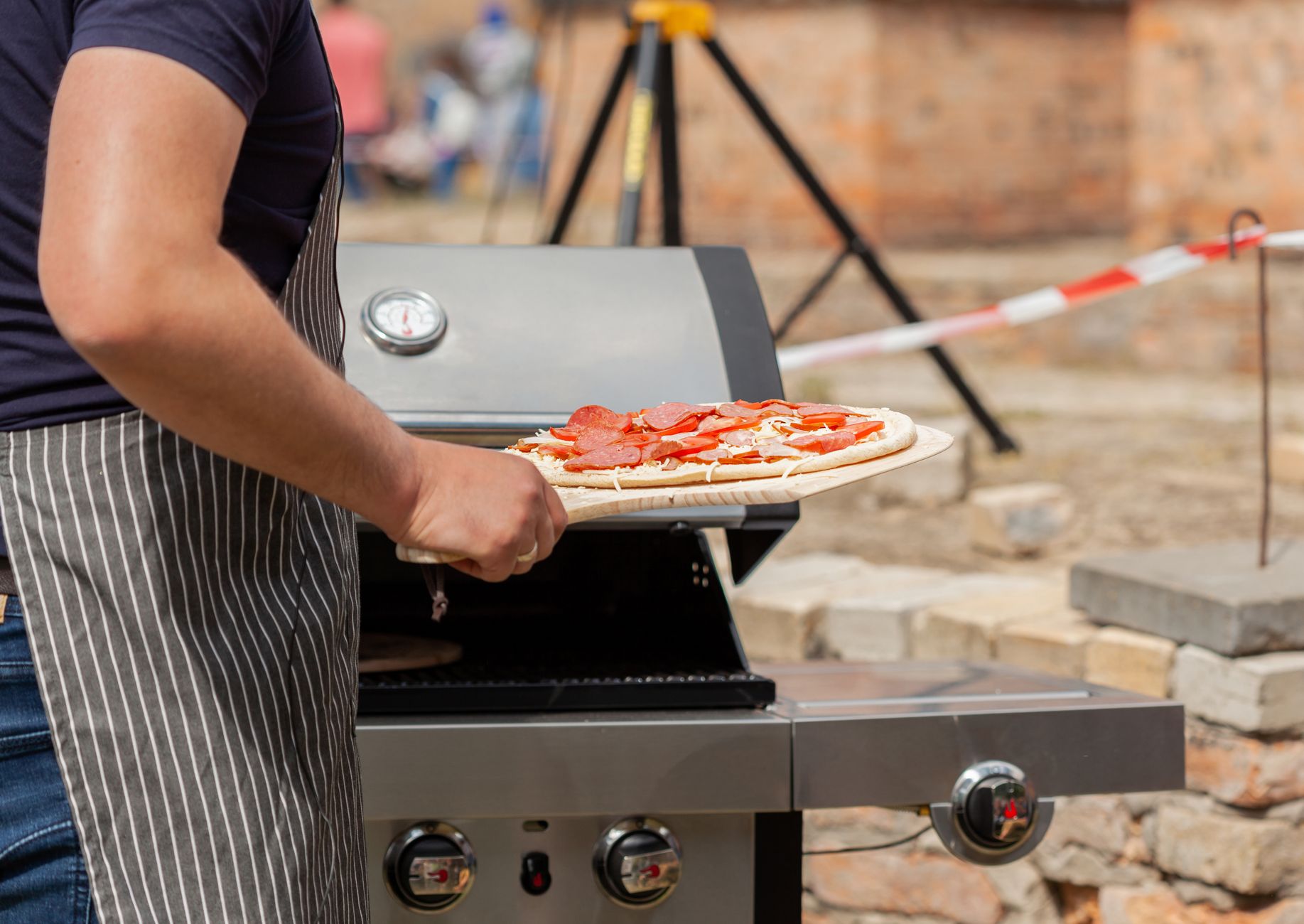
The gap between a kitchen oven and a pizza oven is the whole story. A domestic oven tops out around 500°F. A dedicated pizza oven runs to 900°F, and that gap is the entire reason this category exists: at 900°F a Neapolitan base chars, bubbles and puffs in under 90 seconds, which is simply not available at 500°F however good your dough is. Temperature is the variable that decides pizza, and no kitchen oven can reach it.
Outdoor pizza ovens have become genuinely accessible over the last few years. Ooni in particular democratized the category with well-designed, propane or wood-fired ovens that any backyard cook can master. Here’s what actually separates the ovens worth buying from the rest.
This post contains affiliate links. If you buy through my links, I may earn a commission at no extra cost to you.
| Product | Best For | Price | Rating | Buy |
|---|---|---|---|---|
| Ooni Koda 12 Gas | Best Overall | $379.99 | 4.2★ (10) | Check Price |
| Ooni Koda 16 Gas | Best for Families | $498.00 | 4.6★ (1,257) | Check Price |
| Ooni Karu 12 Multi-Fuel | Best Wood-Fired | $248.95 | 4.7★ (591) | Check Price |
| Gozney Roccbox | Best Premium Build | $399.00 | 4.7★ (1,905) | Check Price |
| Breville Pizzaiolo | Best Indoor | $999.95 | 4.6★ (149) | Check Price |
The Best Pizza Ovens of 2026, Reviewed
Ooni Koda 12 Gas Pizza Oven
Approx. $380 on Amazon (bundle with a peel)

The Ooni Koda 12 is my top pick for most buyers, based on its price, its listed heat-up time and its simple gas operation. It does three things extraordinarily well: it gets hot fast (950°F in about 15 minutes), it runs on propane for maximum convenience, and it produces genuinely restaurant-quality results with a short learning curve.
Expect a short learning curve: at these temperatures a pie that is not turned will char on one side, so rotation is the main skill to pick up.
The 12-inch cooking surface is the main constraint — you’re making personal-sized pizzas, not the 16-inch pies you’d order at a restaurant. For most home cooks, that’s not a real limitation. But if you’re regularly feeding four or more people, you’ll be making multiple pizzas back to back, which adds time. The Koda 16 below solves that problem.
At 20 lbs with a foldable gas connection, the Koda 12 is genuinely portable. It is light enough to move between houses, which is the main reason owners pick it. The one thing it lacks is a door. Without one, the oven loses heat more quickly in cold or windy conditions, and you need to be more careful about maintaining temperature between cooks.
- Reaches 950°F in 15 minutes
- Propane-powered — no fire management
- Compact and portable at 20 lbs
- Fast learning curve
- Genuine Neapolitan results at home
- Lightest gas oven in this guide
- 12-inch max pizza size
- No door — heat escapes in wind
- Propane tank sold separately
- Single gas burner at the back
Verdict: The Koda 12 is the entry point that convinced a generation of home cooks that real pizza at home was actually achievable. If you’re buying your first pizza oven and aren’t sure which size or fuel type to start with, start here.
Ooni Koda 16 Gas Pizza Oven
Approx. $498 on Amazon

The Koda 16 is the Koda 12’s more capable sibling — same concept, larger footprint, significantly more useful for anyone who regularly cooks for four or more people. The 16-inch cooking surface means you can make full-sized pizzas without the constant rotation required on smaller ovens, and the L-shaped burner (versus the Koda 12’s single back burner) is designed to spread heat more evenly.
That L-shaped burner is worth pausing on. The Koda 12 has a hot spot at the back of the stone where the burner sits, which is why you need to rotate the pizza every 20 seconds or so. The Koda 16’s burner wraps around two sides of the cooking surface, which means the temperature differential across the stone is much smaller. You still need to rotate, but less frequently and with less urgency.
At 40 lbs, the Koda 16 is heavier and less portable than the Koda 12. Most people leave it on the patio rather than moving it frequently. The larger size also takes slightly longer to heat up — more like 20–25 minutes to reach peak temperature — and uses more propane per session.
The extra $118 over the Koda 12 bundle is well justified if you cook for a family or host gatherings. Making pizza for four people with a Koda 12 means running four separate smaller pizzas sequentially. With the Koda 16, you’re running two larger ones — which in practical terms is the difference between a relaxed cooking experience and a stressful one.
- 16-inch capacity for full-sized pizzas
- L-shaped burner gives more even heat
- Feeds families and groups in one bake
- Same 950°F peak temperature as Koda 12
- Great for non-pizza cooking too (flatbreads, steak)
- Heavier at 40 lbs
- $118 more than the Koda 12
- Takes up more patio space
- Longer heat-up time
Verdict: If you cook for four or more people, the Koda 16 is worth every penny of the premium over the Koda 12. The larger cooking surface and better burner geometry make the whole experience more relaxed and the results more consistent.
Ooni Karu 12 Multi-Fuel Pizza Oven
Approx. $249 on Amazon

The Karu 12 is the wood-burning pick in this guide — and the successor to Ooni’s discontinued Fyra. Instead of a pellet hopper, the Karu burns real wood chunks or lump charcoal in a fuel tray at the back, and in practice that’s an upgrade: charcoal holds its temperature more steadily than pellets ever did, and small hardwood splits hit the same 950°F ceiling with genuine wood smoke.
That smoke flavour is the reason to buy it. A margherita out of the Karu tastes noticeably different from the same dough out of a gas Koda — a light woodiness that is as close as a $250 oven gets to a Neapolitan wood oven. An optional gas burner attachment (around $100) converts it to set-and-forget propane, making the Karu the only oven here that does both fuels properly.
The trade-off is attention. A live fire wants feeding every ten minutes or so, and the first two or three sessions are a learning curve — budget one sacrificial scorched crust while you calibrate. Heat-up runs about 15 minutes on a full load, similar to gas.
At $248.95 with a 4.7★ owner rating across 591 reviews, the Karu 12 is both the cheapest and the highest-rated oven in this guide. It is also 26 lbs — a real two-hands carry, but still car-boot portable.
For more on cooking with a wood-fired oven, see my full review of the Ooni Karu 12.
- Real wood or charcoal — smoke flavour gas can’t replicate
- Same 950°F ceiling as the gas models
- Cheapest oven in this guide at about $249
- Optional gas burner makes it dual-fuel
- Highest owner rating here: 4.7★ (591)
- Fire needs tending every ten minutes or so
- Real learning curve before consistent results
- Wood and charcoal cost more per session than propane
- Ash cleanup after every session
- 26 lbs — portable, but heavier than the Koda 12
Verdict: for the cook who wants wood-fired authenticity and enjoys the process, this is the one. If you just want dinner with no ceremony, stay with a Koda.
Gozney Roccbox Pizza Oven
Approx. $400 on Amazon (Full details: my Gozney Roccbox review.)

The Gozney Roccbox is the pizza oven that professional chefs reach for when they want something portable, and that endorsement reflects something real about how it performs. The build quality — a retained heat jacket wrapped in silicone — is visibly superior to the Ooni models. The temperature stability it produces because of that retained heat is even more notable.
Where the Ooni ovens can see temperature fluctuations of 50–100°F during cooking sessions (particularly on windy or cold days), the Roccbox holds its temperature with remarkable consistency. The silicone jacket keeps the heat in the stone, so the recovery time between pizzas is faster and more predictable. This matters most when you’re making pizza after pizza for a group and you need consistent results across the batch.
The Roccbox is available in both gas and wood-fired configurations, giving you flexibility that the single-fuel Ooni models don’t offer. The gas version uses a standard propane connection; the wood-fired burner attachment is sold separately. It reaches the same 950°F target temperature as the Ooni lineup.
At 44 lbs, the Roccbox is heavy for its size — the retained heat jacket adds significant weight. And at $399, it sits just below the Koda 16 among the portable gas ovens here. But for the cook who wants the absolute best-built, most consistent outdoor pizza oven available, the premium is justifiable.
- Retained heat jacket = exceptional temperature stability
- Available in gas or wood-fired
- Silicone jacket is safe to touch during use
- Restaurant-quality consistency
- Excellent build quality
- Heaviest on the list at 44 lbs
- More expensive than comparable Ooni
- Smaller cooking area than Koda 16
- Premium price for features casual cooks may not need
Verdict: The Roccbox is for the cook who wants the best portable pizza oven available and is willing to pay for it. If you entertain frequently and need consistent results across 10–15 pizzas per session, this is the one.
Breville Pizzaiolo Indoor Pizza Oven
Approx. $999 on Amazon

The Breville Pizzaiolo occupies an entirely different category from the outdoor ovens above — it’s a countertop electric appliance that sits in your kitchen and reaches temperatures (750°F) that no standard oven can match. It’s the answer to a specific question: what if you can’t or don’t want to cook outside, but still want dramatically better pizza than your regular oven produces?
750°F sounds modest compared to 950°F of the outdoor gas ovens, but in context it’s remarkable. Your standard kitchen oven maxes out around 500–550°F. That extra 200–250 degrees makes a real, visible difference — you’re getting proper crust bubble and char that a standard oven can only approximate.
The Pizzaiolo is designed with precision temperature controls and a dedicated pizza stone that preheats to high temperatures. Breville says it takes a 12-inch pizza, but owners report the usable space is smaller: one measured the largest pan that fits at 11.75 inches. One owner who had tried a baking steel, pizza stones and a grill oven says nothing else came close in a kitchen; another, who baked on a steel every week, found the steel better and returned the oven. Thin-crust and Neapolitan-style pizzas particularly benefit from its performance.
At nearly $1,000, the Pizzaiolo is a genuine luxury purchase. And it takes up significant counter space — this isn’t a small appliance. But for apartment dwellers, cold-climate cooks, or anyone who wants restaurant-quality pizza year-round without going outside, it is the one indoor option in this guide, and owners rate its crust highly.
- Countertop — no outdoor setup required
- Reaches 750°F, about 200°F above most home ovens
- Precise temperature control
- Workable in an apartment
- Year-round use regardless of weather
- Most expensive on this list at $999.95
- Only reaches 750°F vs 950°F outdoors
- Large counter footprint
- Small stone: standard 12-inch pans do not fit
- Hard to clean, and smokes when dirty
- Crust won’t fully match outdoor results
Verdict: If outdoor cooking isn’t an option, the Breville Pizzaiolo is the indoor oven to consider: owners rate its crust highly, but it is small and hard to clean for $1,000. My Breville Pizzaiolo review covers what owners report.
How to Choose the Right Pizza Oven
Gas vs Wood-Fired vs Electric
Gas (propane) is the most practical choice for most people. You get consistent, controllable heat with minimal setup or cleanup. Light it, wait 15 minutes, cook.
Wood-fired ovens (log or charcoal) add complexity and a genuine flavor dimension that gas can’t replicate. They require more skill and attention but reward the effort with better-tasting pizza.
Electric indoor ovens like the Breville are for situations where outdoor cooking isn’t possible — they’re excellent but can’t match the temperatures of outdoor alternatives.
Size Matters
A 12-inch cooking surface means personal-sized pizzas. For one or two people, that’s fine. For a family of four or a group, you’ll be making pizza after pizza sequentially, which gets tedious fast. A 16-inch oven cuts that work roughly in half. Unless you’re explicitly cooking solo, I’d lean toward 16 inches if the budget allows.
Temperature Capability
Look for an oven capable of reaching 800–950°F for authentic Neapolitan results. At these temperatures, a pizza cooks in 60–90 seconds — which is how you get proper crust leoparding and a perfectly cooked interior simultaneously. Ovens that max out at 650–700°F can still make good pizza, but the cooking time increases to 5–8 minutes and the crust character is noticeably different.
Portability vs Performance
Lighter, more compact ovens (Koda 12, Karu 12) are genuinely portable — you can take them to a friend’s place or store them easily. Heavier ovens (Koda 16, Roccbox) tend to be semi-permanent patio fixtures. Neither is wrong, but be honest with yourself about how often you’ll move the oven before deciding.
| Model | Fuel | Max Temp | Pizza Size | Weight | Price |
|---|---|---|---|---|---|
| Ooni Koda 12 | Gas | 950°F | 12″ | 20 lbs | $380 |
| Ooni Koda 16 | Gas | 950°F | 16″ | 40 lbs | $498 |
| Ooni Karu 12 | Wood / Charcoal | 950°F | 12″ | 26 lbs | $249 |
| Gozney Roccbox | Gas/Wood | 950°F | 12″ | 44 lbs | $399 |
| Breville Pizzaiolo | Electric | 750°F | 12″ | 32 lbs | $999.95 |
Frequently Asked Questions
What temperature does a pizza oven need to reach for good results?
For authentic Neapolitan pizza — the thin-crust, leopard-spotted, blistered style from Naples — you need 800–950°F. At that temperature, pizza cooks in 60–90 seconds, which is the only way to get the crust perfectly charred on the outside while remaining tender and chewy inside without overcooking the toppings. Lower temperatures (under 700°F) produce perfectly edible pizza, but the crust texture and character are fundamentally different — it’s more like well-made home pizza than restaurant-style Neapolitan.
How long does an Ooni pizza oven take to heat up?
On a warm day with no wind, an Ooni Koda 12 reaches 950°F in about 15 minutes. The Koda 16 takes 20–25 minutes due to its larger cooking surface. In cold or windy conditions, add 5–10 minutes to those estimates.
Wood-fired models like the Karu take a bit longer because you’re building and maintaining an actual fire. Always use an infrared thermometer to verify the stone temperature before you launch your first pizza — don’t rely on the time estimate alone. If it still will not reach temperature after that, my pizza oven troubleshooting guide covers the specific fixes for wind, fuel, and gas supply issues.
Can I cook things other than pizza in a pizza oven?
Absolutely, and this is one of the underrated aspects of owning one. Pizza ovens excel at anything that benefits from extremely high, fast heat: flatbreads and naan, steak (the fastest, most intense sear you can achieve at home), fish, vegetables, skillet desserts. The intense heat caramelizes and chars in a way no kitchen appliance can replicate. Once you own a pizza oven, you’ll find yourself firing it up for far more than just pizza.
Do I need a pizza peel?
Yes — a pizza peel is non-negotiable. You need it to safely slide the pizza into and out of the oven without burning yourself. For launching (sliding the pizza into the oven), a thin aluminum perforated peel is best — the holes prevent the dough from sticking and moisture from building up. For retrieval, the same peel works fine. Most Ooni bundles include a peel; if yours doesn’t come with one, budget another $20–40 for a good one.
Is a pizza oven worth it if I’m new to making pizza from scratch?
I’d argue yes, because the pizza oven will actually motivate you to improve your dough-making skills. There’s something about having a tool that produces spectacular results when you do it right that makes you want to learn the craft properly. The learning curve for operating the oven itself is short — a few sessions and you’ll have the timing and rotation down. The dough technique takes longer to master, but there are excellent recipes and YouTube tutorials that’ll get you producing good dough within two or three attempts.
How These Picks Were Chosen
Plainly: this is a research-based guide, not a hands-on test. I have not run these through a cook, and nothing here should be read as a report from my own kitchen.
What the picks rest on: fuel type and what it demands of the cook, stone thickness and material, stated peak temperature and recovery between bakes, and footprint and weight against how portable each oven actually claims to be; plus the complaint patterns across verified-purchase reviews, which for pizza ovens cluster around uneven heat across the stone, flame management on wood models, and how quickly the oven recovers when you launch a second pie.
What I could not establish: peak stone temperature. Every figure quoted for these ovens is the manufacturer’s, and the independent measurements that do exist vary widely with ambient temperature, wind and preheat time — enough that two honest testers can differ by a hundred degrees on the same oven. Treat the numbers as a rough class indicator, not a specification you can hold the oven to.
Related Reading
Choosing between Ooni sizes? I’ve compared them directly:
- Ooni Koda 12 vs 16 — detailed head-to-head on size, output, and which suits which cook
- Gozney Roccbox vs Ooni Karu 12 — the weight gap and the gas add-on cost that closes most of the price difference
- Best Indoor Pizza Oven — five electric ovens for a countertop, if cooking outdoors is not an option
- All my pizza oven reviews and guides — every oven I have covered, in one place
- Guide to Buying Outdoor Cooking Equipment — where a pizza oven fits in a complete outdoor kitchen setup
- Best Bluetooth Meat Thermometer — monitor roasts and proteins in your pizza oven with a wireless probe
Final Verdict
For most backyard cooks, the Ooni Koda 12 is where to start — fast heat, propane convenience, and results that will genuinely change how you think about homemade pizza. Step up to the Koda 16 if you’re regularly cooking for a family or hosting.
Choose the Karu 12 if wood-fired flavor is what you’re after and you’re willing to manage the fire. The Gozney Roccbox is for the perfectionist who wants the best-built, most consistent outdoor oven available. And if outdoor cooking isn’t an option, the Breville Pizzaiolo is the indoor choice, as long as your pizzas are 11 inches or smaller.
Whatever you choose, your first properly made pizza at 900°F will be a turning point. You’ve been warned.
The full Ooni Koda 16 review goes into the L-shaped burner, the 40.9 lb weight and who should buy the smaller Koda 12 instead. The full Ooni Koda 12 review covers why the 12-inch limit suits most households, and what the single rear burner asks of you at the peel.

I'm Glenn, and I started Kitchenware Compare to cut through conflicting product reviews and help readers pick kitchen gear with confidence. I don't own or test the products I write about — these guides are built from verified-purchase reviews, manufacturer specifications, and independent testing where it exists, with the reasoning shown, not just a rating.
Leave a Reply