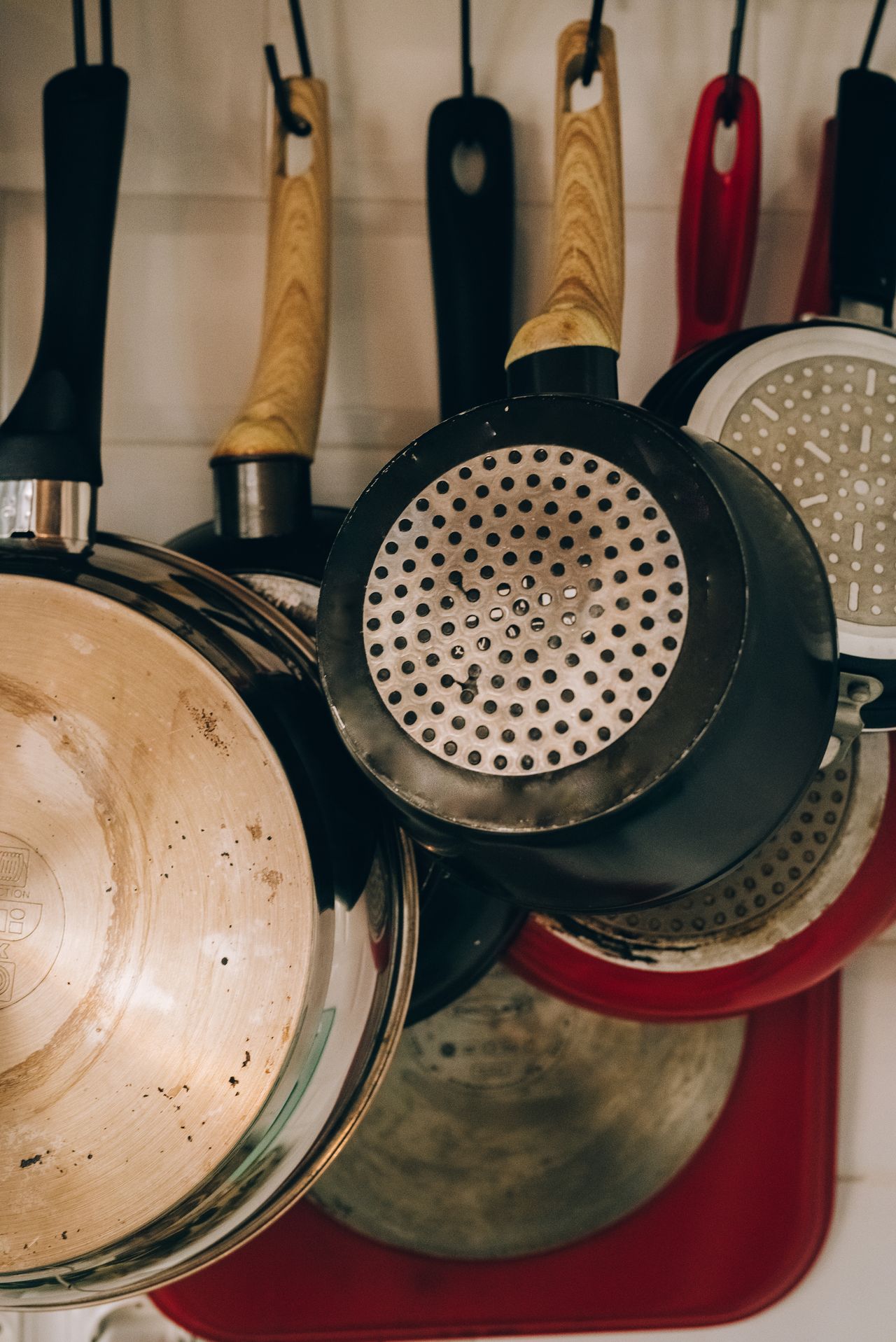
Old, worn-out cookware sticks, warps, and cooks unevenly. This guide walks through the factors that actually matter when choosing a cookware set — material, durability, heat conductivity, and budget — so you can pick a cookware set that fits how you actually cook, not just what looks good in the box. 
I’ve bought, used, and eventually replaced enough cookware sets to know which factors actually matter once the box is unpacked, and which ones are marketing copy.
I earn a commission if you buy through the Amazon links below, at no extra cost to you.
Material
Choosing the best cookware sets starts with material — it affects heat conductivity, weight, and how long the set lasts more than any other spec. The popular options include nonstick, stainless steel, cast iron, copper, and aluminum. Each material trades off differently on heat conductivity, weight, durability, and price — here’s how they actually compare.
Nonstick
Nonstick cookware is a popular choice for many home cooks due to its convenience and easy cleanup. This type of cookware has a special coating that prevents food from sticking to the surface, making it ideal for cooking delicate foods like eggs and fish. Nonstick cookware is also relatively lightweight, making it easy to handle in the kitchen. Nonstick coatings wear off over time regardless of brand — even the best ones typically need replacing within 3-5 years of regular use, so budget for that when comparing prices.
Stainless Steel
Stainless steel cookware is known for its durability and resistance to scratches. It is also non-reactive, meaning it won’t interact with acidic or alkaline foods. This makes it a great choice for cooking a wide variety of dishes, from delicate sauces to hearty stews. Additionally, stainless steel cookware is known for its even heat distribution, which ensures that your food cooks evenly and doesn’t develop hot spots. The tradeoff is weight — a stainless steel set is heavier than nonstick or aluminum, which matters if you’re moving pans between stove and oven a lot.
Cast Iron
Cast iron cookware is beloved by many chefs for its ability to retain heat and provide excellent heat distribution. It’s a strong choice for dishes that need long, slow simmering, like stews and braises. Cast iron cookware is also extremely durable and can last for generations if properly cared for. However, it does require some maintenance, including regular seasoning to prevent rusting. Cast iron cookware can also be quite heavy, which may not be suitable for all cooks.
Copper
Copper cookware is prized for its excellent heat conductivity, which allows for precise temperature control. It heats up quickly and cools down rapidly, making it ideal for tasks that require precise heat adjustments, like sautéing and making sauces. The downsides: pure copper is expensive and needs regular polishing to keep its shine, and it’s reactive enough that most copper cookware is lined with stainless steel or tin to stop it interacting with food.
Aluminum
Aluminum conducts heat fast and evenly, and it’s the lightest of the common materials, which makes it easy to handle. It’s reactive, so most aluminum cookware is coated with nonstick or stainless steel to stop it interacting with food. Thinner, cheaper aluminum can warp under high heat over time — a heavier gauge holds its shape better.
Durability
A durable cookware set holds up to daily use without warping, scratching, or losing its finish. A few factors determine how well a set actually holds up over time.
Longevity
Longevity comes down to material and construction. Cast iron and stainless steel can last for generations with proper care. Nonstick has a shorter lifespan since the coating itself wears off regardless of how well you treat it.
Resistance to Scratches
Stainless steel and cast iron resist scratches better than nonstick, which scratches easily and shouldn’t be cleaned with anything abrasive — a scratched nonstick surface sheds coating into your food.
Resistance to Warping
Warping happens when cookware hits high heat or a sudden temperature change it can’t handle. Cast iron and stainless steel resist this better than thin aluminum — thicker, sturdier construction is what actually prevents it, regardless of material. 
Heat Conductivity
Heat conductivity is an important factor to consider when choosing cookware as it affects how evenly and efficiently your food cooks.
Even Heat Distribution
Cookware with good heat conductivity will distribute heat evenly across the cooking surface. This ensures that your food cooks evenly without any hot spots. Materials like copper and stainless steel are known for their excellent heat conductivity and even heat distribution.
Fast Heating
Some materials heat up quicker than others, which can be advantageous when you’re short on time. Aluminum and copper cookware are known for their fast heating properties. They can reach the desired cooking temperature quickly, reducing the overall cooking time.
Heat Retention
Heat retention refers to how well the cookware holds heat after it’s removed from the heat source. Cast iron and stainless steel cookware excel in heat retention, allowing you to keep your food warm for longer periods. This is particularly useful when preparing meals that require slow cooking or when serving food at the table.
Ease of Use
The ease of use of a cookware set can greatly impact your cooking experience. Several factors contribute to the ease of use.
Weight
The weight of cookware can influence how comfortable it is to handle, especially when transferring food or pouring liquids. Lightweight materials like aluminum are easier to handle and maneuver, while heavier materials like cast iron may be more challenging for some cooks. Consider your own strength and comfort level when choosing the weight of your cookware.
Handles
The design and ergonomics of the handles can greatly affect the ease of use of a cookware set. Look for cookware with sturdy and heat-resistant handles that provide a comfortable grip. Handles that are securely riveted to the cookware are generally more durable and reliable.
Lids
The type and quality of lids can impact the ease of use of your cookware set. Glass lids allow you to monitor the cooking process without lifting the lid, while stainless steel lids are more durable and can handle high temperatures. Also, consider the fit of the lids – a well-fitting lid will help retain heat and moisture during cooking.
Oven and Broiler Safe
If you prefer to finish certain dishes in the oven or broiler, check that the cookware is rated oven and broiler-safe. Not all cookware can withstand high temperatures, so make sure to check the manufacturer’s recommendations before using your cookware in the oven. 
Maintenance
Proper maintenance of cookware not only ensures its longevity but also enhances its performance. Different materials and coatings require different maintenance procedures.
Cleaning
Regular cleaning is essential to remove any food residue and prevent the buildup of grease and stains. Nonstick cookware is generally easier to clean compared to other materials, but non-abrasive cleaning tools are a must — anything abrasive scratches the nonstick coating. Stainless steel and cast iron cookware may require more effort to clean but are generally dishwasher safe.
Dishwasher Safe
If you prefer the convenience of a dishwasher, check that the cookware is rated dishwasher safe. Some cookware may have special coatings or finishes that can be damaged by dishwasher detergent or high heat. Check the manufacturer’s instructions to ensure that your cookware can be safely cleaned in the dishwasher.
Seasoning
Seasoning is a process used to maintain and improve the nonstick properties of certain cookware, particularly cast iron and carbon steel. It involves applying a thin layer of oil to the cooking surface and heating it to high temperatures. Seasoning helps to create a natural nonstick coating and protect the cookware from rusting.
Versatility
A good set should cover searing, simmering, and oven work without you needing separate specialty pans for each. If a set can only really do one job well, you’ll end up buying individual pieces to fill the gaps anyway.
Compatibility with Cooktops
Consider the type of cooktop you have or plan to use when choosing your cookware. Most cookware is compatible with gas and electric cooktops, but not all materials are suitable for induction cooktops. Induction-compatible cookware requires a magnetic base, such as stainless steel or cast iron, to generate heat.
Oven Safe Temperature
If you often use the oven for cooking or finishing dishes, check the cookware’s rated oven-safe temperature against what you actually need. Different materials have different oven-safe temperatures, so check the manufacturer’s recommendations before using your cookware in the oven.
Multi-functional
A multi-functional cookware set can save you both time and storage space. Look for cookware that can be used for multiple cooking techniques, such as sautéing, boiling, simmering, and baking. This allows you to prepare a variety of dishes using fewer pieces of cookware.
Price
Price is often the deciding factor. Set a number before you start browsing, and weigh it against value, not just the sticker price.
Budget
Set a budget based on your needs and preferences. The price of cookware sets can vary greatly depending on the materials used, brand, and included pieces. Consider how often you cook and the types of dishes you usually prepare to determine the appropriate budget for your cookware set.
Value for Money
While price is important, it’s also essential to consider the value for money. Look for tri-ply or clad construction rather than thin stamped metal — it costs more upfront but resists warping and holds heat evenly for years instead of months. A set that covers searing, simmering, and oven work without needing separate specialty pans is usually cheaper over time than replacing single-use pieces as they wear out.
Brand Reputation
Brand reputation can often provide valuable insights into the quality and reliability of a cookware set. Consider the following factors when evaluating brand reputation:
Reliability
Look for brands with a track record of standing behind their cookware if something goes wrong. Established brands with a long history in the industry often have a reputation for producing durable and reliable cookware.
Customer Reviews
Customer reviews can provide valuable information about the performance and durability of a cookware set. Read reviews from reputable sources and consider the overall consensus. Keep in mind that personal preferences and needs may vary, so consider a range of reviews before making a decision.
Cooking Style
Your cooking style and the types of dishes you typically prepare should also influence your choice of cookware.
Sautéing and Stir-Frying
If you frequently sauté or stir-fry, consider cookware with excellent heat conductivity and a wide cooking surface. Materials like stainless steel and aluminum are well-suited for these cooking methods as they heat up quickly and evenly.
Boiling and Simmering
For boiling and simmering, consider cookware with a thick and heavy-bottomed construction. This ensures even heat distribution and prevents scorching. Materials like stainless steel and cast iron are great options for boiling and simmering.
Baking and Roasting
If you enjoy baking or roasting, look for cookware that is oven-safe and provides excellent heat retention. Materials like cast iron and stainless steel are well-suited for these cooking methods as they can withstand high temperatures and distribute heat evenly.
Cooking Surface
The cooking surface of your cookware can impact the way your food cooks and the ease of cleaning.
Smooth
A smooth cooking surface is ideal for cooking delicate foods that require a smooth and even surface, such as pancakes or eggs. Nonstick and stainless steel cookware generally have smooth cooking surfaces.
Textured
A textured cooking surface is beneficial for achieving a nice sear or crisp texture. Cast iron cookware, with its naturally textured surface, is particularly well-suited for this purpose. The textured surface helps to create a nonstick layer and enhance the flavor of your dishes. Choosing the best cookware set comes down to matching material, durability, heat conductivity, and price to how you actually cook — not chasing every feature on this list at once. Get material and durability right first; everything else is secondary. Once you’ve settled on a set, round out the rest of your kitchen with my complete kitchen essentials checklist.
Frequently Asked Questions
What’s the single most important factor when choosing a cookware set?
Material, above everything else — it determines heat conductivity, durability, how the cookware reacts with food, and how it needs to be cared for. Get the material right for how you cook and the rest (price, brand, surface finish) falls into place around it.
Is it better to buy a full cookware set or individual pieces?
For most people, a smaller set (5-7 pieces) covers 90% of real cooking needs, and individual pieces bought separately let you match material to task — cast iron for searing, nonstick for eggs, stainless for sauces. Large 15+ piece sets often include lids and pieces that go unused.
Does a higher price always mean better cookware?
No. Price often tracks brand and design more than actual performance or durability. A well-reviewed mid-priced set can outperform an overpriced one with a recognizable name — check material quality and construction (tri-ply vs. thin stamped metal) rather than price alone.
How much does cooking surface texture actually matter?
It matters more for specific techniques than everyday cooking. A textured surface (like cast iron) helps create a sear and a natural release layer; a smooth surface (like polished stainless or nonstick) is easier to wipe clean and better for delicate foods like eggs or fish.