Disclosure: I earn a small commission if you buy through links on this page, at no extra cost to you.
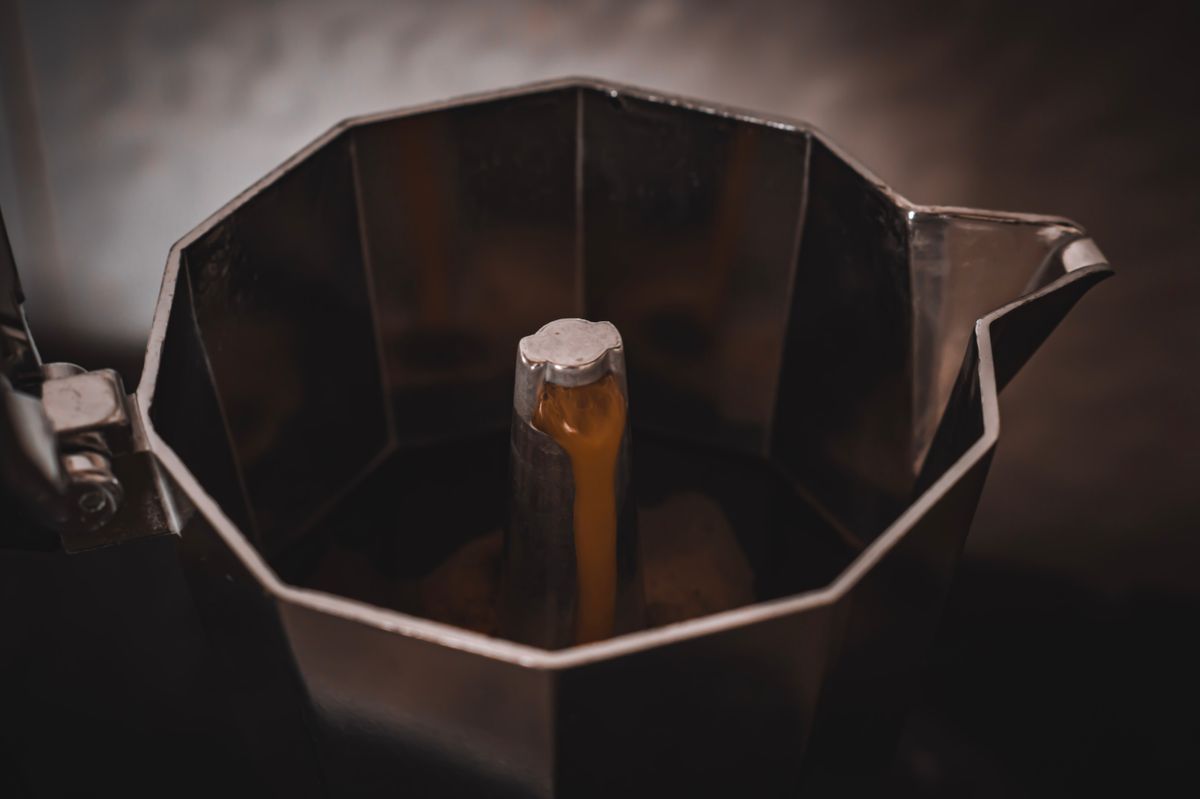
Moka pots are simple — boiler, filter basket, collector chamber — but most are made from aluminum, which means no induction cooking and ongoing questions about metallic taste. If you want stainless steel specifically, the field narrows fast.
After working through five options across different price points, the Bialetti Venus Induction is my pick. It works on every stovetop including induction, uses 18/10 stainless steel throughout, and the brand has been making moka pots since 1933. At $45 it is not the cheapest option, but it has the largest review base of the five, at 4.4 stars.
Below are the five best stainless steel moka pots I’ve found, from a $29 beginner pick to a 12-cup model for larger households. This guide is part of my complete espresso and coffee guide.
Quick Comparison
| Product | Best For | Price | Rating | Buy |
|---|---|---|---|---|
| Bialetti Venus Induction 6-Cup | Best Overall | $45.00 | 4.4★ (31,972) | Check Price |
| Zulay Moka Pot 9-Cup | Best Budget | $28.99 | 4.4★ (19,007) | Check Price |
| GROSCHE Milano 9-Cup | Best Mid-Range | $41.24 | 4.4★ (25,600) | Check Price |
| Coffee Gator 4-Cup | Best for Solo Drinkers | $32.99 | 4.4★ (4,372) | Check Price |
| Easyworkz Diego 12-Cup | Best for Large Households | $51.99 | 4.4★ (5,228) | Check Price |
Prices and ratings were read from Amazon.com on 6 October 2026. None of the five was sold by Amazon itself: the Bialetti, GROSCHE and Zulay offers were from third-party stores, and the Coffee Gator and Easyworkz from their own brand stores.
How I Chose These Moka Pots
The first filter: the pot has to actually be stainless steel. Many products in this category use aluminum bodies with stainless-looking exteriors, or stainless chambers sitting on aluminum boilers. I only included models where the main body and boiler chamber are 304 or 18/10 stainless steel.
Beyond material, I looked at four things:
Induction compatibility. Traditional aluminum moka pots won’t work on induction cooktops. Some stainless pots do, some don’t — it depends on whether the base contains iron. I’ve flagged which pots are induction-ready below.
Capacity sizing. A moka “cup” is roughly 1.5–2 oz of concentrated brew — not a 6-oz coffee cup. I’ve translated every size into real-world household guidance throughout this guide.
Seal and pressure valve quality. A worn gasket or missing safety valve is a safety issue, not just a leak risk. Every pot here has a functional pressure release valve.
Review longevity. Products with 1,000+ reviews across several years carry more weight than newer listings with inflated early ratings.
1. Bialetti New Venus Induction — Best Overall

Best for: Anyone who needs a moka pot that works on induction, or wants the most trusted stainless brand without second-guessing the specs.
The Venus Induction is Bialetti’s all-stainless answer to their classic aluminum Moka Express. The body is 18/10 stainless steel and the base plate contains iron, so it works properly on induction elements — something the original Express cannot do. The octagonal shape is identical to Bialetti’s classic design, which means the pour is predictable and the pressure valve behavior is well established over millions of units.
At 6 cups (roughly 10 oz), it’s the right size for two people drinking doubles or one person making morning back-to-back rounds. The filter basket removes easily, the pressure valve holds reliably, and the black plastic handle doesn’t transfer heat at the medium-low settings good moka coffee requires. Some reviewers note the handle screw loosens after months of daily use — worth checking quarterly.
It brews slightly hotter and faster than the aluminum Moka Express. Some people prefer this; others find it makes the coffee marginally more bitter if they don’t pull it from heat the moment gurgling starts.
- Capacity: 6 cups (~10 oz / 300 ml)
- Material: 18/10 stainless steel body and boiler
- Induction: Yes
- Stovetop compatibility: Gas, electric, ceramic, induction
- Available sizes: 2, 4, 6, 10 cup
Pros:
- Confirmed induction compatible — uncommon at this price point
- 18/10 stainless throughout, no aluminum body or boiler
- Trusted Bialetti manufacturing — 31,972 reviews at 4.4★
- Consistent pressure across all stovetop types
- Multiple size options available
Cons:
- Handle screw loosens over time — requires occasional tightening
- More expensive than alternatives with comparable specs
- Lid doesn’t lock; needs care when moving the pot
Verdict: Buy it if you have an induction cooktop or want the most reliable stainless moka pot on the market. Skip it if you’re on a tight budget with gas or electric — the Zulay or GROSCHE will produce comparable coffee for considerably less money.
2. Zulay Moka Pot — Best Budget

Best for: First-time moka pot buyers, or anyone who wants a solid stainless everyday pot without paying the Bialetti premium.
Under $30 with close to 19,000 reviews at 4.4 stars — the Zulay earns its spot on numbers alone. The stainless steel body is solid, the handle stays cool at medium-low heat, and the pressure valve functions properly, which isn’t guaranteed at this price point. The 9-cup size works for households where two or three people drink coffee together; for solo use, Zulay’s 3-cup or 6-cup variants are more practical and waste fewer grounds.
It’s not induction compatible, and the gasket material is adequate but not as durable as Bialetti’s. A small number of buyers report minor leaking in early uses, which typically stops once the gasket fully seats. Instructions are minimal, so complete beginners may want to look up moka pot technique separately before the first brew.
- Capacity: 9 cups (~14 oz)
- Material: Stainless steel body
- Induction: No
- Stovetop compatibility: Gas, electric, ceramic
- Colors: White, Black, and others
Pros:
- Under $30 with over 19,000 reviews at 4.4★ — exceptional for the price
- Stainless steel body, not aluminum
- Heat-resistant handle performs well at correct settings
- Available in multiple colors and sizes
- Safety valve included and functional
Cons:
- Not induction compatible
- Gasket may need replacing sooner than on premium models
- Minimal instructions — not ideal for moka pot beginners
- Early-use seal dripping reported on some units
Verdict: The right choice if you want a stainless moka pot under $30 and don’t need induction. Skip it if induction compatibility matters or if you’re usually brewing for one person — sizing down would serve you better.
3. GROSCHE Milano — Best Mid-Range

Best for: Households where 2–4 people drink coffee every morning and want a proven pot with a decade of user feedback.
GROSCHE has been manufacturing stovetop coffee makers for years, and the Milano is their most-reviewed model. With over 25,000 reviews at 4.4 stars, it sits alongside Bialetti for overall satisfaction — at a slightly lower price and a larger base capacity.
The 9-cup version is the most popular size, and sensibly so: one brew covers 3–4 people without refilling. The stainless steel body is solid, the handle stays cool, and the filter basket screws on without cross-threading — a common issue with cheaper pots. The black exterior finish does show fingerprints and minor heat discoloration near the base with regular use, and the standard version isn’t induction compatible.
- Capacity: 9 cups (~15.2 oz)
- Material: Stainless steel body
- Induction: No (standard version)
- Stovetop compatibility: Gas, electric, ceramic
- Available sizes: Multiple
Pros:
- 25,000+ reviews at 4.4★ — extensive proven track record
- 9-cup capacity serves 3–4 people in a single brew
- Clean basket threading — easy to assemble without cross-threading
- Competitive pricing against Bialetti at larger capacity
- Stainless steel build throughout
Cons:
- Not induction compatible in the standard version
- Black exterior shows heat marks and fingerprints over time
- Finish near the base can discolor with high-heat cooking
Verdict: Buy it if you’re serving 2–4 people daily on gas or electric and want a large-capacity pot with a long review track record. Skip it if you need induction or regularly brew just for one or two people — the 9-cup size wastes coffee grounds at low fill levels.
4. Coffee Gator 4-Cup — Best for Solo Drinkers

Best for: One- or two-cup drinkers who want to see exactly when the coffee starts rising — and learn to pull the pot at the right moment.
The Coffee Gator is different from every other pot in this list: the top chamber has a transparent glass lid, so you can watch the coffee rise through the column and into the collector. This is more useful than it sounds. Knowing when to pull the pot from the heat is the single hardest skill in moka pot brewing, and being able to see the flow helps you stop it before the coffee starts burning and going bitter.
The body is stainless steel, the 4-cup size suits one or two people without overbrewing, and the build quality holds up well for $32.99. It comes with two stainless steel espresso cups included. The glass lid requires more careful handling than a standard pot — it won’t survive a drop from counter height — and the pot isn’t induction compatible.
- Capacity: 4 cups (~6.7 oz / 200 ml)
- Material: Stainless steel body with glass lid
- Induction: No
- Stovetop compatibility: Gas, electric, ceramic
- Included: 2 stainless steel espresso cups
Pros:
- Glass top gives real-time visual feedback on the brew — practical for learning timing
- Compact 4-cup size — right for 1–2 people without wasting grounds
- Stainless steel body, not aluminum
- Includes 2 stainless steel espresso cups
- Good value at $32.99 for the combination of features
Cons:
- Glass lid cracks if dropped or subjected to sudden temperature changes
- Not induction compatible
- Glass chamber requires more careful cleaning than standard all-metal pots
- Small capacity — needs refilling if more than 2 people are drinking
Verdict: Buy it if you’re new to moka pots and want visual feedback on the brew, or if you drink solo and want a compact format. Skip it if you regularly brew for more than two people or if your stovetop is induction.
5. Easyworkz Diego 12-Cup — Best for Large Households

Best for: Families, shared households, or anyone who regularly makes moka pot coffee for four or more people in one batch.
The Easyworkz Diego handles the capacity need the other four pots don’t: 12 moka cups (roughly 20 oz) in a single brew. It’s also induction compatible, which puts it alongside the Bialetti Venus for cooktop versatility — but at more than twice the volume. Stainless steel throughout, and the safety valve is properly rated for the boiler pressure the larger water volume generates.
At $51.99, it is the most expensive pot in this roundup, with 4.4 stars on 5,228 ratings, a smaller review base than the Bialetti, Zulay or GROSCHE. The size itself is the main consideration: a 12-cup pot takes longer to heat, uses more coffee grounds per brew, and occupies more stove space. If you’re usually making coffee for one or two people, this is the wrong tool for the job.
- Capacity: 12 cups (~17.5 oz / 520 ml)
- Material: Stainless steel
- Induction: Yes
- Stovetop compatibility: Gas, electric, ceramic, induction
- Monthly sales velocity: 400+ units/month
Pros:
- 12-cup capacity — largest in this roundup, serves 4–6 people per brew
- Induction compatible — one of only two in this list with that capability
- Stainless steel body throughout
- Strong current sales velocity (400+ units sold monthly)
- Good option for entertaining or shared households
Cons:
- Larger capacity means significantly more coffee grounds used per brew — wasteful for solo or couple use
- Slightly lower average rating than the other four picks
- Higher price without a proportionally better build over the Bialetti Venus
- Larger footprint on the stovetop
Verdict: Buy it if you regularly brew for four or more people and want induction compatibility at high volume. Skip it if you usually brew for one to three people — you’ll overshoot capacity every morning.
How to Choose the Right Stainless Steel Moka Pot
What “stainless steel” actually means in this category
Traditional moka pots — including the iconic Bialetti Moka Express — are made from aluminum. Stainless steel versions cost more but offer two practical advantages: induction compatibility and the absence of aluminum-reactivity concerns. The taste difference between materials is genuinely debated; most people can’t reliably tell them apart in a blind test. Induction compatibility, however, is a real functional advantage.
Not all pots marketed as “stainless steel” are fully stainless. Some use stainless steel bodies with aluminum filter baskets or boiler chambers. To confirm you’re getting a truly stainless pot, check that both the body and boiler chamber are listed as 304 or 18/10 stainless steel, not just the outer panels.
Induction compatibility
If you have an induction cooktop, you need a moka pot with an iron-containing base plate — not all stainless pots have one. Of the five pots in this guide, only the Bialetti Venus Induction and the Easyworkz Diego are confirmed induction-ready. The Zulay, GROSCHE Milano, and Coffee Gator work on gas, electric, and ceramic only. Aluminum pots can also run on induction with an adapter plate, and my guide to using a moka pot on an induction stove covers how.
On any stovetop, medium-low heat is correct. High heat produces bitter, overextracted moka coffee regardless of pot material or brand.
Sizing guide — moka cups vs real cups
Moka pot sizes are listed in “cups” but these are 1.5–2 oz espresso servings, not standard 6-oz coffee cups. A practical conversion:
- 4-cup pot → ~6–7 oz total → good for 1–2 people
- 6-cup pot → ~9–10 oz total → good for 2–3 people
- 9-cup pot → ~14–15 oz total → good for 3–4 people
- 12-cup pot → ~18–20 oz total → good for 4–6 people
Don’t buy large hoping to make less coffee — moka pots need a full filter basket to build proper pressure. A half-filled basket produces weak, uneven results.
When to replace the gasket
The rubber gasket inside every moka pot seals the upper and lower chambers. It degrades over time — typically after 2–3 years of daily use — and causes leaking around the seal joint. Replacement gaskets are available on Amazon for under $5 for most major brands. If your pot starts weeping at the joint, replace the gasket before assuming the pot is broken.
Moka pot technique — where most people go wrong
Good moka coffee depends more on technique than on the pot itself. The most common mistakes:
- Using too high a heat setting (causes burnt, overextracted coffee)
- Tamping the grounds (creates uneven pressure and channeling — don’t tamp)
- Letting it brew until the sputtering stops (the coffee has already overextracted by then)
- Using fine espresso grind (moka pots need a medium-fine grind, not espresso fine)
Pull the pot from the heat as soon as the coffee starts gurgling steadily. For induction cooktops, reduce to the lowest setting once you hear the first gurgle — induction responds faster than gas and can go from slow to rapid extraction in seconds.
For more on espresso brewing, see my stovetop espresso maker guide and my espresso grinder recommendations — the grind quality affects the cup as much as the pot does.
Frequently Asked Questions
What is the best stainless steel moka pot overall?
The Bialetti Venus Induction is the best stainless steel moka pot for most people. It uses 18/10 stainless steel, works on induction cooktops, and comes from a brand that has been making moka pots since 1933. At about $45 for the 6-cup, it has the largest review base of the five picks.
Are stainless steel moka pots better than aluminum?
Stainless steel moka pots offer two practical advantages: induction cooktop compatibility and the absence of aluminum-reactivity concerns. The taste difference between the two materials is genuinely debated — most people can’t tell them apart in a blind comparison. If you have an induction cooktop, stainless is the clear choice. On gas or electric, the difference is largely personal preference.
Can I use a stainless steel moka pot on induction?
Not all stainless steel moka pots work on induction. The base must contain iron to interact with the induction element. Of the five pots in this guide, only the Bialetti Venus Induction and the Easyworkz Diego are confirmed induction compatible. Always check the product listing for “induction compatible” before buying.
What size moka pot should I buy?
Match the size to your household. A 4-cup pot makes roughly 6–7 oz (good for 1–2 people), a 6-cup makes ~10 oz (2–3 people), a 9-cup makes ~15 oz (3–4 people), and a 12-cup makes ~20 oz (4–6 people). Moka pots don’t brew well at partial capacity — the filter basket needs to be full to build correct pressure, so buy the size you’ll actually fill each morning.
How long does a stainless steel moka pot last?
A quality stainless steel moka pot should last 10–15 years with basic care. The body is essentially indestructible; what wears out is the rubber gasket (replace every 2–3 years for around $5) and occasionally the filter basket. Handwashing is strongly recommended regardless of manufacturer claims — dishwashers degrade the gasket material significantly faster.
Is the Bialetti Venus worth paying more than budget alternatives?
Yes, if you have an induction cooktop — the Venus Induction is one of the few stainless moka pots that’s genuinely induction-ready, and the Bialetti engineering is well proven. On gas or electric, the GROSCHE Milano and Zulay produce comparable coffee quality for substantially less. The price difference buys you the Bialetti brand reputation and induction compatibility, not a meaningfully better cup of coffee on non-induction stoves.
No stove where you’re brewing? A portable burner works fine with a moka pot — my best hot plates for boiling water guide covers which types suit small stainless pots (induction models need that magnetic base).
How These Picks Were Chosen
Plainly: this is a research-based guide, not a hands-on test. I have not run these side by side, and nothing here should be read as a report from my own kitchen.
What the picks rest on: whether the body is genuinely stainless rather than aluminium with a steel-look finish, which decides induction compatibility and how the pot handles dishwashing; cup size in the Italian sense – a moka “cup” is about 50ml, not a mug – along with gasket material and how easily gaskets and filter plates can be replaced; plus the complaint patterns in verified-purchase reviews, which cluster on gaskets perishing and handles loosening.
What I could not establish: extraction quality, which in a moka pot depends far more on grind, heat level and how promptly you take it off the hob than on the pot. Comparing brews across these without controlling all three would be measuring the technique. What can be said is which pots are built to last and which have replaceable parts.
The Bottom Line
The Bialetti Venus Induction is the one I’d recommend without qualification — induction compatible, 18/10 stainless throughout, and backed by a manufacturer that has been making this exact type of pot for over 90 years.
If budget is the priority, the Zulay delivers strong everyday performance at $29 with over 19,000 reviews to back it up. For households of four or more, the Easyworkz Diego is the only widely available 12-cup induction-compatible stainless pot in this price range.
If you want to step up from stovetop brewing entirely, my semi-automatic espresso machine guide covers the next tier, and moka pot vs espresso explains what changes. And if you’re serious about the grind — which matters as much as the pot — see my espresso grinder recommendations.

I'm Glenn, and I started Kitchenware Compare to cut through conflicting product reviews and help readers pick kitchen gear with confidence. I don't own or test the products I write about — these guides are built from verified-purchase reviews, manufacturer specifications, and independent testing where it exists, with the reasoning shown, not just a rating.