The quick answer
The honest answer: Lodge makes a very good Dutch oven for the money, and if budget is the constraint, buy it and cook happily. But if you cook with a Dutch oven three or four times a week and you’re buying once for a decade, the Le Creuset is worth every penny of the price difference. The quality gap is real — the question is whether it matters for how you cook.
I earn a commission if you buy through the Amazon links below, at no extra cost to you.
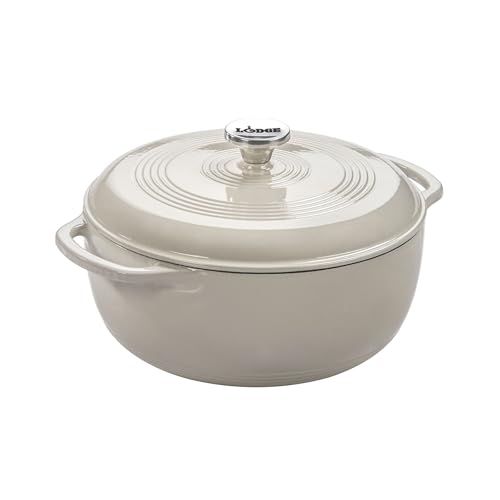
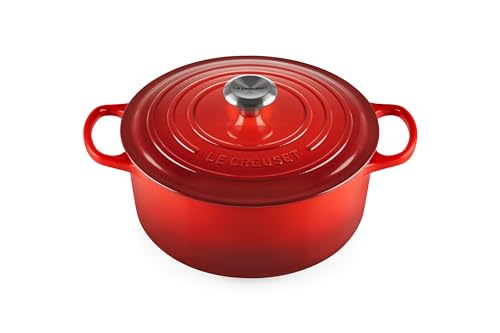
I want to be straight with you about something before I go any further: I have not cooked with either of these. This comparison is built from published specifications, owner reviews at scale, and the testing other outlets have published. On the evidence, the Le Creuset is the better piece of cookware — better enamel, better lid seal, better heat retention. The question is whether that difference is worth spending $300 more.
It depends entirely on how you cook. Let me explain what you actually get for the extra money, and then you can decide.
| Product | Best For | Price | Rating | Buy |
|---|---|---|---|---|
| Lodge Essential Enamel 6 Qt | Best Value | $89.90 | 4.7★ (38,979) | Check Price |
| Le Creuset Signature 5.5 Qt | Best Long-Term Buy | $308.95 | 4.8★ (7,798) | Check Price |
| Feature | Lodge 6qt Enameled | Le Creuset 5.5qt Signature |
|---|---|---|
| Capacity | 6 quarts | 5.5 quarts |
| Material | Enameled cast iron | Enameled cast iron |
| Made in | China | France |
| Oven safe to | 500°F | 500°F |
| Induction compatible | Yes | Yes |
| Warranty | Lifetime limited | Lifetime limited |
| Typical price | $60–$85 | $350–$420 |
What you actually get for the extra money
I know $300 is a lot, and I’m not going to pretend it isn’t. But let me describe the differences as specifically as I can, because ‘it’s just better’ isn’t useful.
Enamel quality
This is where the gap shows most clearly. Le Creuset’s enamel is thicker, smoother, and significantly more resistant to chipping. Lodge’s enamel is good — it’s not bad enamel — but after two or three years of regular use, you’re quite likely to see chips on the rim and on the corners of the lid where impact is most common. This is one of the most consistent complaints about Lodge Dutch ovens in long-term reviews.
Le Creuset’s enamel on a well-maintained pot looks essentially the same after ten years as it did when new. That’s not an accident — it’s the result of a manufacturing process that Lodge’s price point doesn’t allow.
Interior cooking surface
The interior of a Le Creuset is lighter in colour (cream/off-white) and smoother than Lodge’s darker interior. The lighter colour is actually functional — you can see browning more clearly, which helps you judge when a fond is developed or when garlic is about to burn. The smoother surface is easier to clean and behaves more predictably with acidic ingredients like tomatoes.
Lid fit and heat retention
This is the difference I notice most in actual cooking. The Le Creuset lid fits more precisely, which means more steam stays in the pot during long braises and especially when baking bread. No-knead bread bakers know this well — a tight lid seal in the first phase of baking is what creates the steam environment that makes the crust. The Lodge lid is good, not perfect.
Both pots retain heat exceptionally well once up to temperature — that’s just cast iron physics. But Le Creuset’s slightly thicker walls mean marginally more even heat distribution across the base.
Where Lodge is completely fine
For braising — pot roasts, lamb shanks, chicken thighs, short ribs — Lodge performs as well as Le Creuset. Once you’ve got liquid in the pot and the lid is on, the small differences in lid seal and interior surface matter very little. The physics of braising are forgiving. A Lodge turns out genuinely spectacular braises.
For stovetop soups, stews, and anything where the pot is a vehicle rather than the critical tool, Lodge is more than adequate. You’re not leaving quality on the table in these applications.
The bread baking argument
If you bake no-knead or Dutch oven bread, the Le Creuset is meaningfully better. The lid fit matters. The light-coloured interior shows you what’s happening. The oven performance is more consistent. Bread bakers who have upgraded from Lodge to Le Creuset almost universally report noticeably better crusts. If you bake bread weekly, that difference adds up.
The honest long-term calculation
Here’s the argument for Le Creuset that I find most compelling: over ten years of regular use, a Lodge might need replacing (or at minimum, the chipped enamel becomes something you live with rather than enjoy). A Le Creuset bought today will be in excellent condition in fifteen years. The per-use cost of a $380 pot used three times a week for ten years is under $0.25 per use. That’s cheap cookware.
But that calculation only works if you actually cook with it that often. If you’re buying your first Dutch oven and you’re not sure how much you’ll use it, start with Lodge. If you already love Dutch oven cooking and you’re replacing a pot you’ve worn out, buy Le Creuset and stop thinking about it.
Buy the Lodge if…
- Budget is a genuine constraint
- You’re buying your first Dutch oven and want to try the format
- You cook with it occasionally rather than weekly
- You use it primarily for braising and soups where the lid seal matters less
Buy the Le Creuset if…
- You cook with a Dutch oven three or more times a week
- You bake bread in it regularly
- You want to buy once and keep it for ten to fifteen years
- You care about the cooking surface staying pristine
The verdict
Buy Lodge if budget matters or if you’re not yet certain how much you’ll use it. Buy Le Creuset if you already know you love Dutch oven cooking and you want the best version of the thing. Both are good pots. One is significantly better.
How This Comparison Was Put Together
Plainly: this is a research-based comparison, not a hands-on test. I have not run these side by side.
What it rests on: the published specification for both – capacity, weight, enamel type, knob material and its oven-safe limit, and the warranty each carries, which is the clearest signal of what each maker expects of its own enamel; plus the pattern across verified-purchase reviews for each, where the Lodge theme is enamel chipping and the Le Creuset theme is whether the price difference is justified rather than whether the pot works.
What I could not establish: whether Le Creuset’s enamel genuinely outlasts Lodge’s by enough to justify the gap. That needs controlled thermal-shock and impact testing on both, and no independent test covers it. Warranty terms and the balance of owner reporting are what this comparison reasons from, and both are weaker than a measurement.
Frequently Asked Questions
Is Le Creuset worth the extra cost over Lodge?
For daily, long-term use, yes — the smoother enamel, better lid seal, and heat retention are real, measurable differences. For occasional cooking or a first Dutch oven, Lodge delivers most of the same results for a third of the price.
Which is better for bread baking, Lodge or Le Creuset?
Both work well for no-knead bread baking — the enclosed cast iron traps steam either way. Le Creuset’s tighter lid seal holds slightly more moisture, which can help with crust development, but the difference is marginal enough that most bakers won’t notice it.
Do Lodge and Le Creuset Dutch ovens work the same on all stovetops?
Yes — both are compatible with gas, electric, induction, and oven use. Cast iron is magnetic, so induction heating works efficiently on either brand.
Which has better resale value, Lodge or Le Creuset?
Le Creuset holds resale value noticeably better — its enamel finish and brand recognition mean used pieces regularly sell for 40-60% of retail on the secondhand market. Lodge Dutch ovens have minimal resale value, which is consistent with their lower purchase price.

Glenn is the founder of Kitchenware Compare and has spent years researching, testing, and reviewing kitchen appliances, cookware, and gadgets. A lifelong home cook raised in a family that treated every meal as an occasion, Glenn started this site to cut through the noise of conflicting product reviews and give readers honest, practical guidance. When he is not testing the latest air fryer or digging into the specs of a new espresso machine, he can usually be found experimenting with new recipes or hunting for the perfect cast iron skillet at a flea market.
Leave a Reply