The quick answer
For most households of one to three people, buy the Ninja AF101. At the same $119.99 price, it takes up less counter space and is easier to clean. If you regularly cook for four or more — or want to fit a whole chicken without engineering a compromise — the COSORI Pro II’s larger basket is the better fit. That’s the whole decision.
I earn a commission if you buy through the Amazon links below, at no extra cost to you.
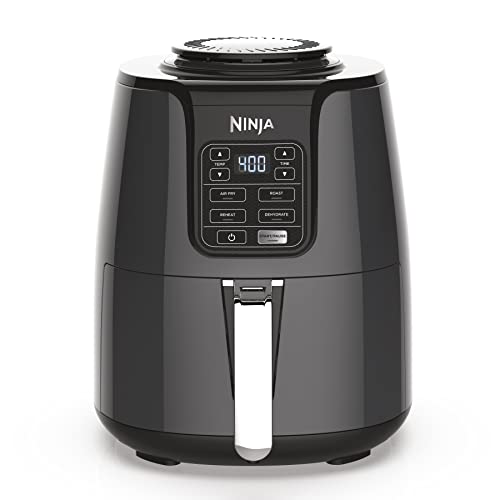
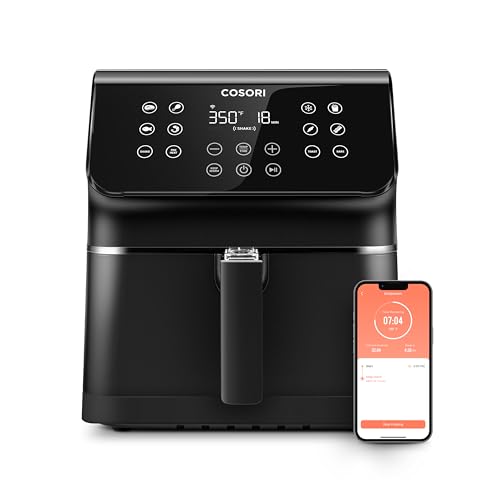
These two have been the default budget air fryer recommendation for years, and the internet makes the comparison much more complicated than it needs to be. Both of these air fryers cook food well. Both are well-built for the price. The question is never which is better — it’s which one fits how you actually cook.
Before I get into the details: don’t buy an air fryer based on the preset buttons. You’ll use them twice and then ignore them for the life of the machine. The thing that actually matters is basket size, and I’ll explain exactly why.
| Product | Best For | Price | Rating | Buy |
|---|---|---|---|---|
| Ninja AF101 (4 QT) | 1-3 people, compact kitchens | $119.99 | 4.7★ (59,440) | Check Price |
| COSORI Pro II (5.8 QT) | Families, batch cooking | $119.99 | 4.6★ (2,392) | Check Price |
Prices checked 15 September 2026.
| Feature | Ninja AF101 | COSORI Pro II |
|---|---|---|
| Capacity | 4 quarts | 5.8 quarts |
| Wattage | 1,550W | 1,700W |
| Controls | Analog dials | Digital touchscreen |
| Presets | None | 12 |
| Footprint (approx.) | 11 x 13.6″ | 11.8 x 12.0″ |
| Weight | 7.5 lbs | 12.3 lbs |
| Dishwasher safe basket | Yes | Yes |
| Typical price | $119.99 | $119.99 |
Capacity: the only spec that actually changes your cooking
A 4-quart basket and a 5.8-quart basket sound close on paper. In practice, the difference is significant. In the Ninja AF101, a standard pack of chicken thighs (about four pieces) fits comfortably in a single layer — and a single layer is how you get properly crispy results. Add a fifth piece and you’re starting to overlap, which means steam instead of crispiness.
In the COSORI Pro II, you can fit six chicken thighs flat, or a whole spatchcocked chicken, or a rack of ribs folded to fit. That extra 1.8 quarts isn’t just a number — it’s the difference between cooking dinner in one batch or two.
For one or two people, the Ninja is perfectly sized and you’ll never hit its limits. For a family of four eating together, the COSORI saves you a meaningful amount of time over weeks and months of cooking.
Controls: dials vs digital
People talk about this more than it deserves. The Ninja’s analog temperature and time dials are genuinely easy to use — set temperature, set time, done. The COSORI’s digital touchscreen is clear and responsive, and the 12 presets cover the things people actually air fry: fries, chicken, fish, vegetables, steak.
Here’s my honest take: if you’re the kind of cook who knows what temperature and time they want, you’ll prefer the Ninja’s tactile dials. If you’re newer to air frying or cooking with others who don’t want to think about settings, the COSORI’s presets are genuinely useful. Neither is a disadvantage.
Cooking performance
Both of these machines circulate hot air around food. That’s how air frying works. The Ninja runs at 1,550W; the COSORI at 1,700W. Owner reports describe both cooking evenly when the basket isn’t overcrowded.
Across frozen fries, chicken wings, salmon, roasted vegetables and reheated pizza, owner reports describe the results as indistinguishable.
If someone tells you one of these air fryers produces noticeably crispier food than the other, they’re either imagining it or they had one basket overcrowded. At proper capacity, they cook identically.
Cleaning
Both have dishwasher-safe baskets and inserts. In practice, the Ninja’s basket is slightly simpler — one main basket piece rather than COSORI’s basket-plus-crisper-plate design. The COSORI’s crisper plate does elevate food for better airflow, but it’s one more piece to wash. Neither is a burden, but if you’re cooking for one and already find cleanup tedious, the Ninja is marginally faster.
Build quality and durability
The durability complaint that recurs in owner reviews of both is basket coating wear, so don’t use metal utensils, and hand-wash occasionally rather than always running the basket through the dishwasher.
Buy the Ninja AF101 if…
- You cook for one or two people
- You want a smaller footprint on the counter
- You prefer tactile dials over touchscreens
- You want slightly easier cleanup
Buy the COSORI Pro II if…
- You cook for three or four people regularly
- You want to cook a whole chicken or larger portions in one batch
- You appreciate preset programmes
- You want a bit more headroom for batch cooking
The verdict
The Ninja AF101 is the better choice for most people — not because it outperforms the COSORI, but because it’s correctly sized for most households and doesn’t make you pay for capacity you won’t use. If you know you need the larger basket, the COSORI Pro II is excellent at the same price. Buy either with confidence.
Want the deeper dive on the AF101 specifically, including what almost 60,000 owners report and whether the newer AF141 is a better buy? See my full Ninja AF101 review.
Considering the COSORI side instead? See my full Cosori Pro II review for what over 2,300 owners report and whether the smart features are worth paying for.
How This Comparison Was Put Together
Plainly: this is a research-based comparison, not a hands-on test. I have not run these side by side.
What it rests on: the published specification for both – basket capacity and usable area, wattage, temperature range, preset count and which parts are dishwasher safe; plus the pattern across verified-purchase reviews for each, where the recurring themes are basket coating wear on both and app dependence on the COSORI side.
What I could not establish: how evenly either cooks a full basket, which is the comparison that would actually separate them. It needs identical food cooked in both and assessed by position, and no independent test covers this pairing.
Frequently Asked Questions
Is the Ninja AF101 big enough for a family?
It’s tight for more than two or three people. The 4-quart basket fits about 2 pounds of fries or a small chicken. If you regularly cook for four or more, the COSORI’s 5.8-quart basket gives you noticeably more room without a second batch.
What is the main difference between the Ninja AF101 and the COSORI Pro II?
Capacity and controls. The Ninja AF101 has a 4-quart basket with dial controls; the COSORI Pro II has a 5.8-quart basket with a digital touchscreen and a few more preset programs. Cooking performance between the two is close — the deciding factor is almost always how much food you need to cook at once.
Which air fryer is easier to clean?
The Ninja is marginally easier — its basket is a single piece, while the COSORI uses a basket-plus-crisper-plate design that adds one more part to wash. Neither is a real burden; both have dishwasher-safe parts.
Should I buy the smaller or larger air fryer?
Buy based on how many people you cook for, not on wanting extra capacity ‘just in case.’ A too-large air fryer takes longer to heat and wastes counter space; a too-small one means cooking in batches. For one to three people, the 4-quart Ninja is usually enough.

I'm Glenn, and I started Kitchenware Compare to cut through conflicting product reviews and help readers pick kitchen gear with confidence. I don't own or test the products I write about — these guides are built from verified-purchase reviews, manufacturer specifications, and independent testing where it exists, with the reasoning shown, not just a rating.
Leave a Reply