This post contains affiliate links. If you buy through my links, I may earn a commission at no extra cost to you.
Propane suits renters, apartment dwellers, and anyone who grills occasionally and values portability. Natural gas suits homeowners with fixed outdoor kitchens who fire up the grill several times a week and already have, or can justify installing, a gas line. Performance between the two is close to identical once a grill is properly engineered and installed for the fuel it runs.
TL;DR:
- Propane grills are portable and easy to set up, but require regular tank refills or exchanges, which can be inconvenient for frequent use.
- Natural gas grills offer continuous fuel supply and lower per-BTU costs, but involve higher upfront installation costs and permanent placement.
- BTU ratings for natural gas and propane are roughly comparable once properly installed, but cold temperatures can reduce propane pressure, unlike natural gas.
- Gas line installation costs often outweigh fuel savings for casual grillers without existing infrastructure, making propane the more practical choice for occasional use.
- Both fuels emit fewer pollutants than charcoal, but natural gas is slightly more environmentally friendly in broader energy contexts; regionally, availability heavily influences the best option.
Pros and Cons of Propane and Natural Gas Grills
Choosing between these fuels comes down to tradeoffs between flexibility and convenience. Propane grills win on setup simplicity: a tank screws onto the regulator, and the grill is ready to cook within minutes of unboxing. Natural gas grills win on fuel continuity: there is no tank to run dry mid-cookout, and no trip to a refill station.
The catch with propane is logistics. Tanks run out, usually without much warning, and swapping or refilling one means a store run or an exchange cage at a gas station. Natural gas solves that problem entirely but introduces a different one: the grill has to stay where the gas line ends, which rules out moving it to a different spot in the yard or taking it camping.
Model selection also differs. Propane grills dominate the market, with far more choices at every price point, including compact and portable units. Natural gas grills are a smaller category, tend to cost more for comparable features, and are rarely available in ultraportable formats because they assume a fixed hookup.
- Propane: highly portable, simple setup, widest model selection, but requires tank refills or exchanges.
- Natural gas: continuous fuel supply with lower per-BTU cost, but demands professional installation and permanent placement.
- Availability: propane models outnumber natural gas models significantly, and natural gas units typically carry a higher sticker price for similar features.
Neither fuel produces better or worse food on its own. The difference shows up in how you live with the grill day to day, not in what comes off the grates.
How BTU Ratings and Conditions Affect Heat and Searing
Propane and natural gas are not interchangeable gas for gas. According to The Patio Experience, propane delivers roughly 2,500 BTUs per cubic foot, while natural gas delivers about 1,000 to 1,030 BTUs per cubic foot, a gap of more than double.
That BTU gap sounds like it should make propane hotter, but manufacturers design around it. Natural gas appliances use larger orifices to push more gas volume through the burner, so a 30,000-BTU burner rated for natural gas and a 30,000-BTU burner rated for propane put out comparable heat once correctly installed. The BTU rating on the spec sheet, not the fuel type, is what tells you how a grill will sear.
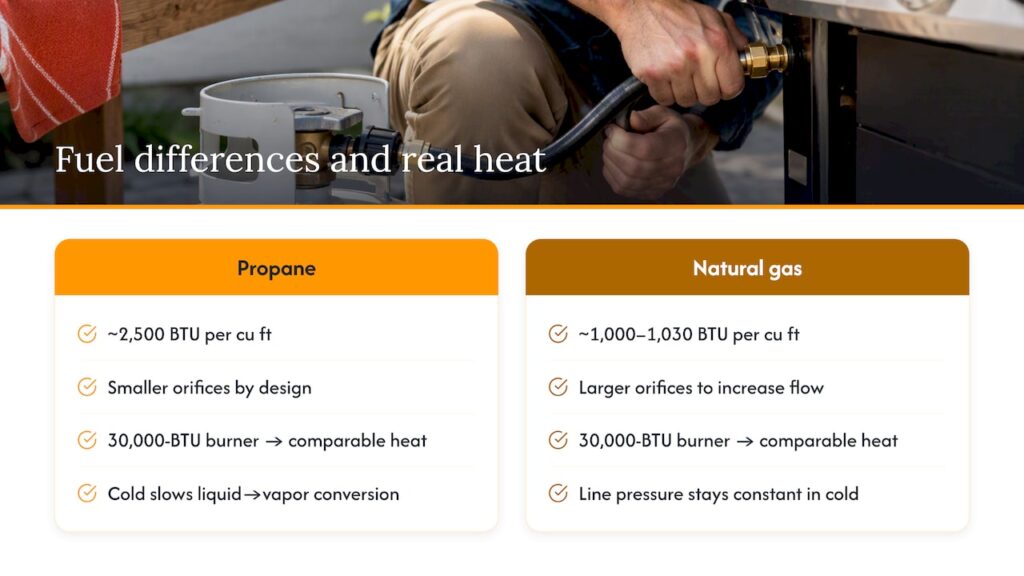
Where the fuels diverge is in cold weather. Propane is stored as a liquid under pressure and converts to vapor as it is drawn off; in freezing temperatures, that conversion slows, and pressure to the burner can drop noticeably, especially with a tank that is already low. Natural gas, delivered through a fixed line at constant utility pressure, does not suffer this same drop. Griller in colder climates who lean on propane often keep a spare tank on hand or bring the tank indoors between uses to keep pressure stable; natural gas owners do not need to think about it at all.
Upfront and Ongoing Costs to Budget For
The cost comparison depends heavily on whether a gas line already reaches your patio. If it does not, installation is the deciding factor.
- Propane setup: a tank and regulator typically run modest, and refills or exchanges are a recurring but small cost per cookout.
- Natural gas line installation: running a new line from the home’s gas meter to an outdoor kitchen generally requires a licensed plumber, trenching, and permit fees, and the total can add up quickly depending on distance and local labor rates.
- Fuel cost per hour: natural gas is cheaper per BTU than propane in most utility markets, which matters more the more often you grill.
According to BobVila, extending an existing natural gas supply to an outdoor grill is convenient if the infrastructure is already there, but professional installation costs often make the upgrade uneconomical for someone who grills only occasionally. The outlet notes that outdoor-living experts generally find installation costs outweigh fuel savings for casual grillers when a home lacks an existing gas stub-out near the patio.
The practical way to estimate payback is to multiply your typical grilling hours per week by the fuel cost difference per hour, then compare that annual savings against the installation quote. BobVila points out that frequent grillers, those cooking several times a week, typically recoup the cost of a natural gas line within a few years, while someone grilling a handful of times a month may never break even on the installation.
Safety Differences, Leak Behavior, and Recalls to Check
The two fuels behave very differently when something goes wrong, and that difference should shape where and how you install either type of grill.
- Know how each gas behaves in a leak. Propane is heavier than air and pools near the ground in low spots, including inside closed cabinetry, while natural gas is lighter than air and disperses upward, according to The Patio Experience. This is why built-in propane setups need deliberate low-level venting that natural gas cabinetry does not require in the same way.
- Confirm your propane tank has an Overfill Protection Device. Every propane tank manufactured or recertified since 2002 is required to include an OPD valve, a safety standard the Consumer Product Safety Commission introduced specifically to prevent overfilling-related fires and explosions.
- Check your regulator and hose against recall lists. The CPSC has recalled specific LP regulators and conversion kit components tied to fire and burn hazards, so it is worth confirming your grill’s regulator model and date code are not on an active recall list.
- Run a soap-and-water test periodically. Brushing soapy water on hose connections and watching for bubbles while the gas is on, valve closed at the burner, is a simple way to catch a slow leak before it becomes dangerous.
- Call a licensed professional for anything beyond visual checks. If you smell gas, see corrosion on fittings, or suspect a line issue, that is a job for a licensed plumber or gas technician, not a weekend project.
Converting Between Fuels: What It Really Takes
Converting a grill from propane to natural gas, or the reverse, is not as simple as swapping a hose. The regulator pressures, orifice sizes, and fittings are different between the two systems, and mixing them risks flame bursts and gas leaks, a risk the CPSC’s recall history on LP regulators and conversion kits illustrates directly.
Some manufacturers sell approved conversion kits engineered specifically for their grill model, with the correct orifice sizes and regulator rated for the target fuel. Using anything else, including generic aftermarket kits not matched to your exact model, can void the manufacturer’s warranty and create the same hazard pattern behind past recalls.
- Use only a conversion kit the manufacturer lists for your exact grill model and serial range.
- Never attempt to run natural gas through a propane regulator and hose, or propane through a natural gas setup, without the matched kit.
- Confirm whether your local building code requires a permit before running a new gas line, which it typically does for any fixed outdoor installation.
- Hire a licensed plumber for line work; most municipalities require it for inspection sign-off.
Pro Tip: Before buying any grill with conversion in mind, check the manufacturer’s website for a model-specific conversion kit; if one is not listed, assume the grill is not meant to be converted.
A Quick Checklist Before You Buy or Install
Working through a short list of questions before you commit will save you from an expensive mismatch.
- Do you own your home, or could you move within the next few years? Renters and frequent movers lean propane.
- How many times a week do you realistically grill? Several times a week shifts the math toward natural gas.
- Do you need to move the grill around the yard, take it tailgating, or camp with it? That need points straight to propane.
- Can you absorb the cost of professional gas-line installation now, or would that money be better spent elsewhere this year?
- Ask your dealer or plumber directly about permit requirements, the grill’s required pressure rating, and whether any conversion affects the warranty.
| Red flag | Why it matters |
|---|---|
| No ventilation in built-in cabinetry | Propane pools low and needs venting to prevent accumulation |
| Old tank without an OPD valve | Required safety standard since 2002; refuse refills on older tanks |
| Unclear regulator date code | May match a recalled model; verify before use |
Typical Scenarios That Favor One Fuel Over the Other
A few common living situations make the choice almost automatic. An apartment or condo dweller with a small balcony has no legal path to a fixed gas line anyway, so propane is the only realistic option. A homeowner building a permanent outdoor kitchen around a built-in island, with a line already stubbed out from a renovation, gets more value from natural gas every single cookout since there is no tank to monitor.
Someone who grills most weekends, hosts occasional large gatherings, but also tailgates or camps a few times a year sits in a gray zone; a dual approach, keeping a portable propane grill alongside a planned natural gas upgrade later, often fits better than forcing one fuel to cover every use case. According to practical breakdowns from outlets like BrickHouse Grille, the decision usually comes down to existing infrastructure and how often the grill gets used, more than any inherent performance edge.
A household replacing a grill after years of using propane but recently finishing a kitchen remodel with a gas line run to the patio is in the best position to switch: the infrastructure cost is already sunk, and ongoing fuel savings start immediately.
Environmental Impact and Emissions From Each Fuel
Neither propane nor natural gas is a clean-burning fuel in the way induction cooking or an electric grill would be, but both are considerably cleaner than charcoal on at least one measurable front. Research comparing PAH emissions across grill fuels, summarized in an EPA HERO abstract, found that gas grills, whether propane or natural gas, produce far fewer PM-bound polycyclic aromatic hydrocarbons than charcoal briquettes.
Between propane and natural gas specifically, the difference in combustion emissions is smaller and less talked about in consumer literature than the propane-versus-charcoal question. Natural gas is often framed as the lower-carbon fossil fuel option in broader energy contexts, but for a backyard grill burning for an hour or two at a time, the practical emissions difference between the two is not something most owners will notice or should weigh heavily against the cost and convenience factors already discussed.
If emissions are your primary concern rather than a secondary consideration, the more consequential decision is moving away from charcoal entirely rather than debating propane against natural gas.
Availability and Supply Considerations by Region
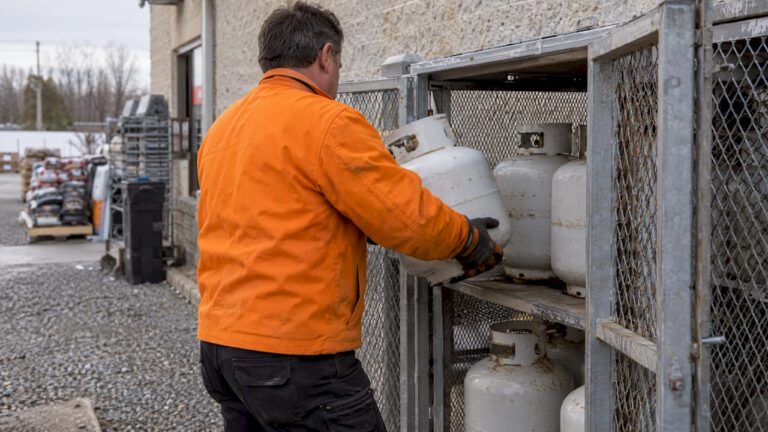
Propane has a built-in advantage almost everywhere: it travels. Tanks are sold and refilled at hardware stores, gas stations, and dedicated exchange cages in nearly every town, which makes propane the default fuel for rural properties, cabins, and any home without municipal gas service nearby.
Natural gas availability depends entirely on whether utility infrastructure already reaches the property. Homes in dense suburbs and cities with existing gas service for heating or cooking usually have a line close enough to extend to an outdoor grill at reasonable cost. Rural properties and newer developments without gas utility buildout often have no practical path to natural gas at all, regardless of how much the owner might prefer it.
This regional reality tends to decide the fuel question before cost or performance even enters the conversation: if natural gas service does not reach your property, propane is the only fuel on the table.
Maintenance Differences Tied to Fuel Type
Both fuels burn relatively clean compared to charcoal or wood, but they are not identical in what they leave behind. Propane combustion can leave a bit more residue inside burner tubes and venturi over time, particularly with older tanks or lower-quality fuel, which means periodic burner-tube cleaning keeps flame patterns even.
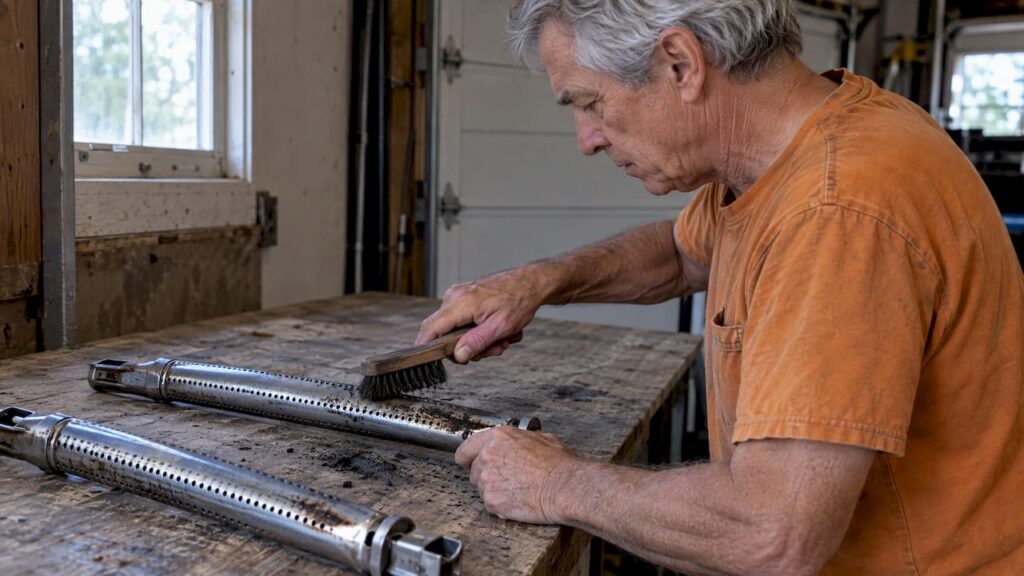
Natural gas lines, since they are fixed and professionally installed, need less routine owner maintenance on the supply side; there is no tank valve to inspect or regulator to disconnect seasonally. The grill’s burners themselves still need the same periodic cleaning regardless of fuel, since food residue and grease are identical across both systems.
Hose and regulator checks matter more for propane owners simply because that hardware disconnects and reconnects more often, during tank swaps, storage, or a move. A natural gas line, once inspected and signed off at installation, sees far less physical disturbance over its lifespan, which is one more reason to confirm permit and code compliance was followed correctly the first time.
How Kitchenware Compare Helps You Decide
I can find propane and natural gas grill models presented side by side with their specs, pricing, and owner review summaries, so it is possible to see how a specific model’s BTU rating, build quality, and reported complaints stack up before contacting a dealer. Such comparisons aim to help shortlist candidates, not replace the installation and safety conversation a licensed plumber or gas technician needs to have with buyers directly.
Once you have narrowed a list down using the site’s buying guides, the next step is always local: confirm permit rules, line pressure, and warranty terms for conversion with a professional before you buy.
— Glenn
Where to Compare Models and Plan Your Setup
If you are still weighing a handful of grills against each other, Buying guides are available, offering specs, pricing, and owner-reported pros and cons laid out side by side so readers are not guessing between spec sheets. For anyone pairing a new grill with a broader outdoor kitchen build, planning guidance on deck-mounted setups from Cactus Decking or patio cost breakdowns from Jackpot Landscaping covers the construction side that a grill comparison alone will not.
Before you shop, it also helps to think through the cookware you will actually use on the grill’s side burner or in grill-adjacent cooking, which Kitchenware Compare’s guide to cookware for gas stoves covers in more detail. If you are setting up a kitchen from scratch alongside your new outdoor grill, the kitchen essentials list is a practical starting point for everything else on the shopping list.
Start with the current grill comparisons on Kitchenware Compare to see specs and pricing for both fuel types before you call a plumber for a quote.
Sources
For model-specific safety notices, the CPSC recall database is the authoritative place to confirm your grill’s regulator is not affected. For BTU and energy-property data, the DOE’s Alternative Fuels Data Center publishes the official fuel-property tables cited throughout this guide. For installation cost context and practical buying advice, BobVila’s grill comparison is worth a read before you get quotes. Always check the manufacturer’s own site for model-specific conversion kit availability and warranty terms before assuming a grill can switch fuels.
FAQ
Can my propane grill run on natural gas?
Only with a manufacturer-approved conversion kit matched to your exact grill model; the regulator pressure and orifice sizes differ between the two fuels, and mismatched parts risk flame bursts and leaks. Check the manufacturer’s website for a listed kit before assuming any grill can be converted.
How do I tell if my grill is natural gas or propane?
Check the connection hardware: propane grills have a tank or a hose that screws onto a portable cylinder, while natural gas grills have a fixed hose connected to a home gas line with no removable tank. The owner’s manual and the regulator label will also state the fuel type and pressure rating explicitly.
Is it healthier to grill with propane or charcoal?
Research comparing emissions across fuels, summarized in an EPA HERO abstract, found that gas grills produce far fewer PM-bound PAHs than charcoal briquettes. Between propane and natural gas specifically, the practical difference is smaller and less documented than the gas-versus-charcoal gap.
Is it cheaper to have natural gas or propane?
Natural gas is generally cheaper per BTU of fuel burned, but propane has a lower upfront cost since there is no line installation required. According to BobVila, frequent grillers typically recoup a natural gas line’s installation cost within a few years, while occasional grillers often never break even.
Recommended
- How to Clean a Flat Top Grill (Quick Clean vs Deep Clean)
- How to Season a Blackstone Griddle (Step by Step)
- Grill Igniter Clicking But Not Lighting? Here Is Why
- Why Is My Blackstone Griddle Rusting? (And How to Fix It)

I'm Glenn, and I started Kitchenware Compare to cut through conflicting product reviews and help readers pick kitchen gear with confidence. I don't own or test the products I write about — these guides are built from verified-purchase reviews, manufacturer specifications, and independent testing where it exists, with the reasoning shown, not just a rating.
Leave a Reply