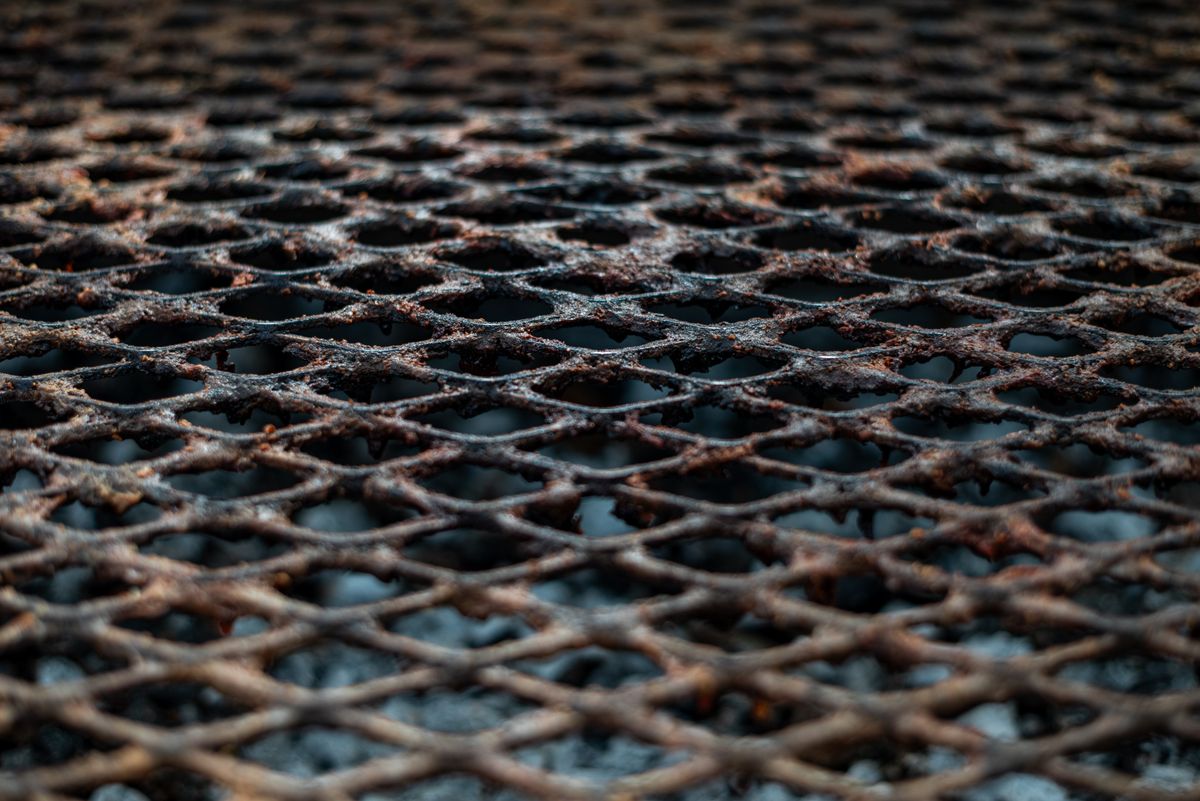
Photo by Alex Dos Santos from Pexels
Short answer: if your Blackstone griddle is rusting, the most common cause by far is moisture sitting on bare steel between cooks — a skipped seasoning coat, a griddle left uncovered in rain or humidity, or storage in a damp garage. It is not usually a manufacturing defect, and surface rust on a griddle is almost always fixable rather than a reason to replace the machine. This guide covers how to tell how bad it actually is, what causes it, and when it’s genuinely worth worrying about.
Is This Normal, or Did I Get a Bad Griddle?
Bare cold-rolled steel — which is what every Blackstone griddle top is made from, seasoning or not — rusts the same way a cast iron skillet does. It’s not stainless steel, and it was never going to stay bright and shiny forever. A thin, orange dusting of surface rust after the griddle sat unused for a few weeks, or after a hard rain got under a loose cover, is normal and not a defect.
What is not normal is rust appearing within days of a new griddle’s first use, or rust that keeps coming back immediately after you scrub and re-season it. That pattern usually points to a specific cause worth fixing (below) rather than bad luck with the unit itself.
Heat Discoloration Isn’t Rust (Even Though It Looks Like It)
Before assuming rust, check the color. A brand-new griddle’s first few high-heat cooks almost always produce blue, gold, or brown patches across the steel — this is heat tempering, the same effect you see on overheated stainless steel, and it’s a normal byproduct of the metal itself reacting to heat, not moisture damage. It’s harmless, it doesn’t affect cooking, and it typically evens out or darkens further as seasoning builds up over the next several cooks.
Actual rust looks different: it’s orange or reddish-brown, has a rough or flaky texture you can feel with a fingernail, and it wipes or flakes rather than staying smooth under the surface. If a patch is smooth to the touch and only shows color, it’s temper discoloration and needs nothing. If it’s rough, flaky, or leaves an orange residue on a paper towel when wiped, it’s rust — move to the causes and fix below.
The Real Causes, Ranked by How Often They’re Actually It
Moisture left on bare steel. This is the dominant cause, and it’s rarely the weather alone — it’s finishing a cook, wiping the surface down with water, and putting the cover on while the steel is still damp. Water sitting on unprotected steel for even a few hours is enough to start visible rust.
Storing it uncovered, or with a cover that doesn’t actually seal. A cover keeps rain and dew off, but a cover that’s torn, too small, or left loosely draped instead of properly fitted does very little. Griddles kept on an open patio through a rainy season are the single most common rust complaint in owner reviews.
Skipped or thin seasoning. Seasoning is a baked-on oil layer that physically blocks water from reaching the steel. A griddle that was seasoned once at setup and never built up further has much less protection than one seasoned properly after every few cooks, and thin spots rust first.
Infrequent use. A griddle that sits for months develops rust even under decent seasoning, because seasoning itself thins and breaks down slowly over time without the heat and oil of regular cooking to maintain it. This is the “I only use it a few times a year” pattern, and it’s genuinely just a maintenance gap rather than anything wrong with the unit.
Is It Actually Safe to Cook On?
Surface rust is unappetizing and will taste metallic if you cook directly on it, but it is not a reason to panic about the griddle itself. The University of Illinois Extension’s guide to cast iron cookware — the same bare-steel rust mechanism applies to a griddle top — notes plainly that any moisture left on the pan can cause rust, and that the fix is to scrub it back to clean metal, dry it fully, and re-season before cooking on it again.
The practical rule I use: if you can scrub the rust off with a grill stone or scouring pad and see clean steel underneath, it’s surface rust and it’s fine once removed and re-seasoned. If scrubbing reveals pitting — small pockmarks in the steel itself, not just discoloration — the rust has been sitting long enough to actually eat into the metal, and that’s worth taking more seriously, though it still doesn’t necessarily mean replacing the griddle.
How to Actually Fix It
Heat the griddle on medium until it’s warm but not smoking, then scrape the rusted area with a metal griddle scraper. For rust that doesn’t lift with scraping alone, a grill stone or a ball of foil works the rust off without gouging the steel the way steel wool can. Wipe the surface clean, then run a fresh seasoning cycle: a thin layer of high-smoke-point oil, wiped almost dry, heated until it stops smoking and turns dark. Repeat that 2-3 times before cooking on it again.
Skip dish soap and heavy scrubbing pads beyond what’s needed to remove the actual rust — the goal is removing rust, not stripping seasoning you don’t have to. If the rust keeps returning in the exact same spot within a week or two of re-seasoning, that spot usually isn’t getting fully dry before storage, which is worth checking directly rather than just re-seasoning again.
Preventing It Going Forward
Dry the surface completely before storing — a few minutes of residual heat after the last scrape does most of this on its own, but check the corners and the edges near the grease trough, which hold moisture longest. Apply a thin oil wipe before covering, every time, not just after a deep clean. And use a cover that’s actually rated for your model and fits snugly, not a generic tarp — my guide to seasoning a Blackstone griddle covers the build-up process that makes a griddle genuinely rust-resistant rather than just rust-free today.
What this guide is based on
Plainly: this is research-based, not a hands-on test. I do not own a Blackstone and nothing here is a report from my own back garden.
What it rests on: the metallurgy of bare carbon steel, where surface rust in humid conditions is expected behaviour rather than a defect; manufacturer care guidance on oiling and covering; and the pattern in aggregated owner reviews, where rust resistance recurs as a complaint often enough to be a genuine characteristic of the material rather than a batch problem. That pattern is also noted in the Blackstone 36" review.
What I could not establish: how quickly surface rust becomes pitting deep enough to matter. Owner reports describe both outcomes and rarely give enough detail on storage conditions to separate them.
If deep pitting has you shopping for a replacement rather than fixing this one, the flat top grill buying guide covers the current picks, and the Blackstone 28" vs 36" comparison breaks down which size actually fits how much you cook.
Frequently Asked Questions
Is it OK to cook on a rusty griddle?
Not directly on visible rust — scrub it off first. Once the rust is removed and the surface is re-seasoned, it’s completely fine to cook on.
Does a rusty griddle mean I need a new one?
Almost never. Surface rust scrubs off and re-seasons without lasting damage. Only deep pitting that’s eaten into the steel itself is worth taking seriously, and even that rarely means full replacement.
How often should I check my griddle for rust?
A quick visual check every time you uncover it to cook is enough. Catching a light dusting early means a five-minute fix instead of a deeper scrub-and-reseason job later.
Will a griddle cover actually stop rust?
A properly fitted cover helps significantly by keeping rain and dew off, but it doesn’t replace drying and oiling the surface before you put the cover on — trapped moisture under a cover can be worse than none at all.

Glenn is the founder of Kitchenware Compare and has spent years researching, testing, and reviewing kitchen appliances, cookware, and gadgets. A lifelong home cook raised in a family that treated every meal as an occasion, Glenn started this site to cut through the noise of conflicting product reviews and give readers honest, practical guidance. When he is not testing the latest air fryer or digging into the specs of a new espresso machine, he can usually be found experimenting with new recipes or hunting for the perfect cast iron skillet at a flea market.
Leave a Reply