• Skip to primary navigation
  • Skip to main content
  • Skip to primary sidebar

Kitchenware Compare

  • Home
  • Product Reviews
    • Air Fryers
    • Coffee
    • Cookware
    • Flat Top Grills
    • Meat Thermometers
    • Food Processors
    • Knives
    • Pizza Ovens
    • Toaster Ovens
    • Juicers
  • Food Blog
  • Helpful Kitchen Tips
  • Data Studies
  • About
  • How We Review
  • Contact
You are here: Home / Archives for Food Blog

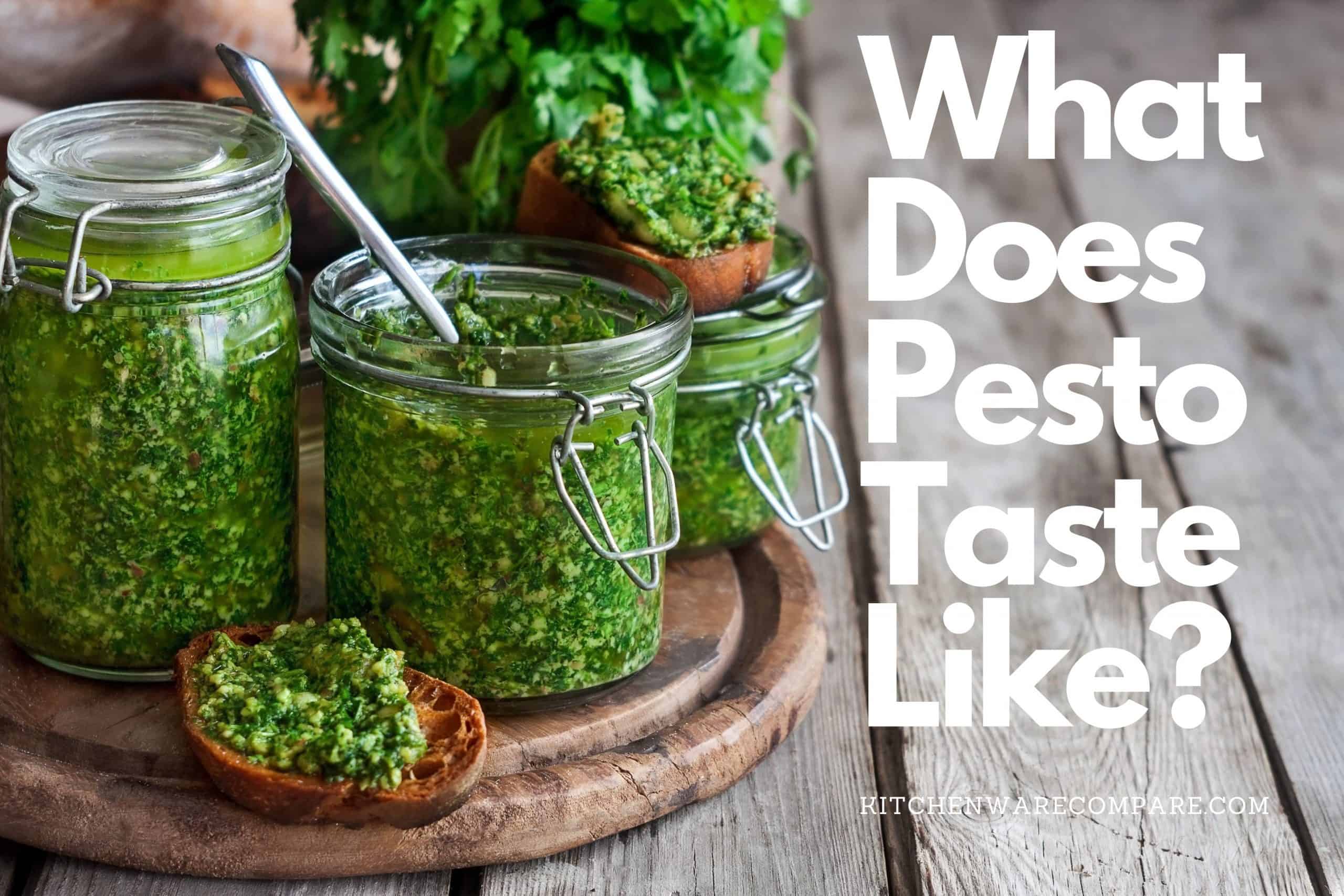
What Does Pesto Taste Like? Everything You Need To Know

Last Updated September 30, 2021

Green Pesto

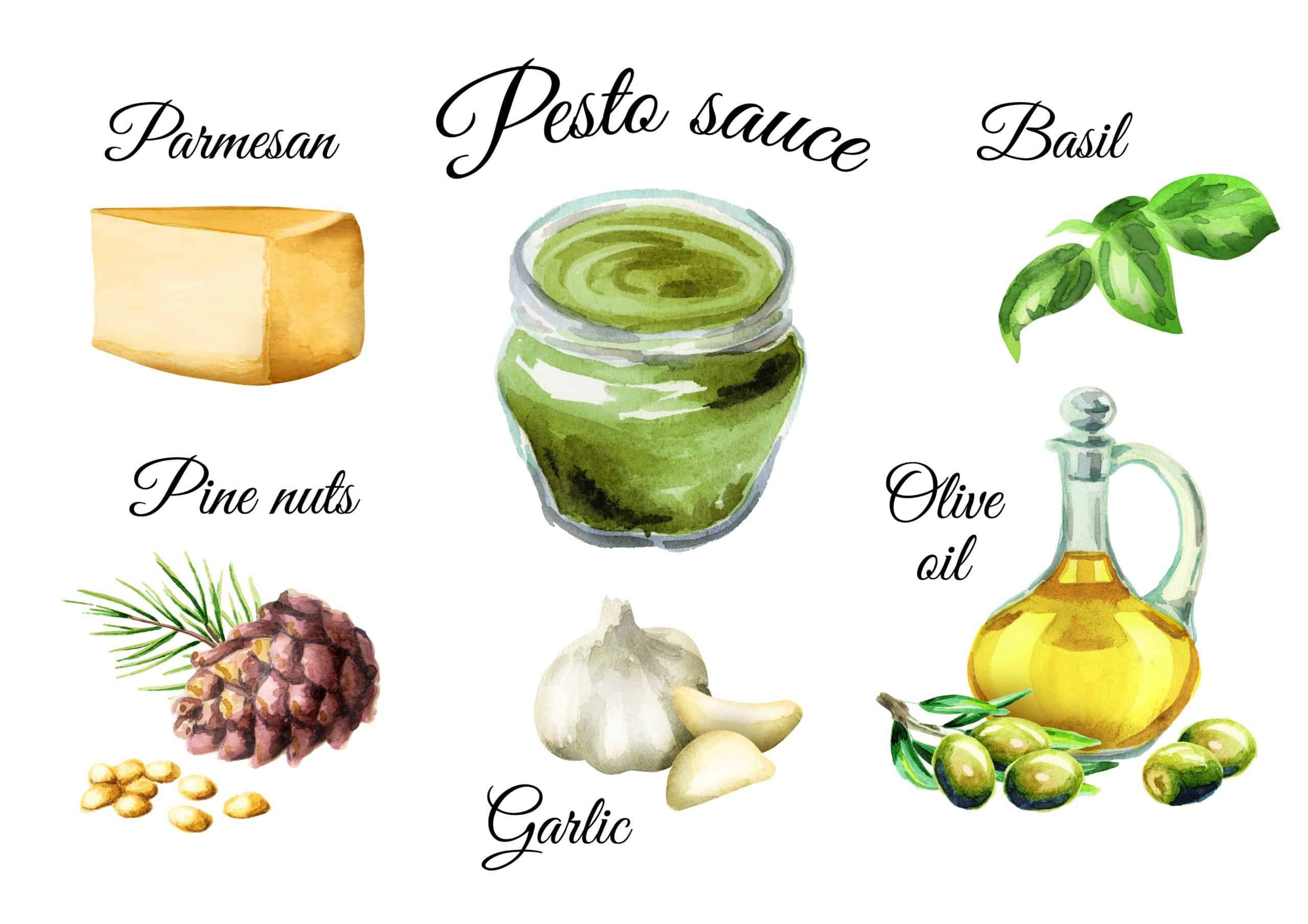
Pesto is a sauce typically made from basil, pine nuts, garlic, olive oil, and Parmesan cheese. It originated in Genoa but has become popular worldwide as it’s delicious and is a versatile ingredient. You can use Pesto in many ways; on pasta or as a dip for breadsticks. It’s also delicious with grilled chicken and potatoes! This blog post will explore what Pesto tastes like, where it comes from, how you make it yourself, and some delicious recipes.

So, what does Pesto taste like?

People describe the flavor as being both bitter and sweet simultaneously with an intensely fragrant herbaceous smell. The flavor varies based on the herbs and ingredients, but it generally has an earthy, herby taste.

Pestos vary depending on which ingredients you use. For example, pine nuts make the flavor more bitter, whereas walnuts add sweetness, therefore, giving you two very different pesto variations. – Basil leaves have a unique sweet yet slightly peppery aftertaste, so they’re often compared to oregano with hints of clove and mint mixed in.

You can make Pesto using various herbs, including basil combined with pine nuts, garlic, olive oil, and Parmesan cheese.

What is Pesto?

Pesto is a sauce typically made from basil, pine nuts, garlic, olive oil, and Parmesan cheese. It originated in Genoa and was brought to the US by Italian immigrants.

You can make it in various ways, but the classic pesto recipe includes basil leaves that you chop into a paste with garlic and pine nuts. These ingredients are then emulsified in olive oil to create an intensely flavored sauce.

Pesto can be used on pasta or as a dip for breadsticks. It’s also delicious with grilled chicken and potatoes!

What’s the difference between red and green Pesto?

Green Pesto is made using basil, garlic, and pine nuts. It has a more robust flavor than red Pesto, which you make with tomatoes. So it’s sweeter than green Pesto, which can taste slightly bitter.

Red Pesto can be made using a combination of ingredients, including sun-dried tomatoes, roasted bell peppers, and fresh basil. It has a lovely sweet taste.

What type of ingredients goes into making Pesto?Pesto Ingredients

Generally, you use four main components to make up a standard pesto: Basil leaves – these have a unique sweet yet slightly peppery aftertaste. Pine Nuts – These add bitterness to the Pesto. Garlic is used to flavor the dish, and Parmesan Cheese adds saltiness, creaminess, and umami.


How to make Pesto:

To make Pesto: combine chopped fresh basil leaves with garlic and pine nuts; emulsify using good quality extra virgin olive oil until it forms an intensely flavored paste; season to your taste- add salt and pepper or some freshly grated parmesan for added flavor!

Store leftover pesto in glass jars (with airtight lids) filled with enough of the remaining brine so that there is at least one inch of liquid on top of the Pesto before placing the cap. You can store the Pesto in the fridge for up to a week, but it’s best when used fresh!

Ingredients:

– Fresh basil leaves, washed and dried well (about a cup)

– Garlic cloves, peeled (as many as you like!)

– Pine nuts (or walnuts if you prefer).  Around three tablespoons per person are good, but the more, the better!

– Good quality extra virgin olive oil such as cold-pressed Italian olive oil or California-grown olives. A dark green pesto works best!

You need around one to two cups of brine for each batch so adjust accordingly depending on how much Pesto you make. If using fresh herbs, you will also need at least half an hour before serving to allow flavors to infuse together.

Method:

– Add all ingredients to a food processor or blender and pulse until it forms an even paste.

– If you want your Pesto chunky, chop the basil leaves by hand into small pieces before adding them to the mix!

– Store leftover pesto in glass jars (with airtight lids) filled with enough of the remaining brine so that there is at least one inch of liquid on top of the Pesto before placing the lid.

For those of you who prefer seeing how it’s done, I’ve found this really helpful video:

Pesto Pasta Chicken Recipe

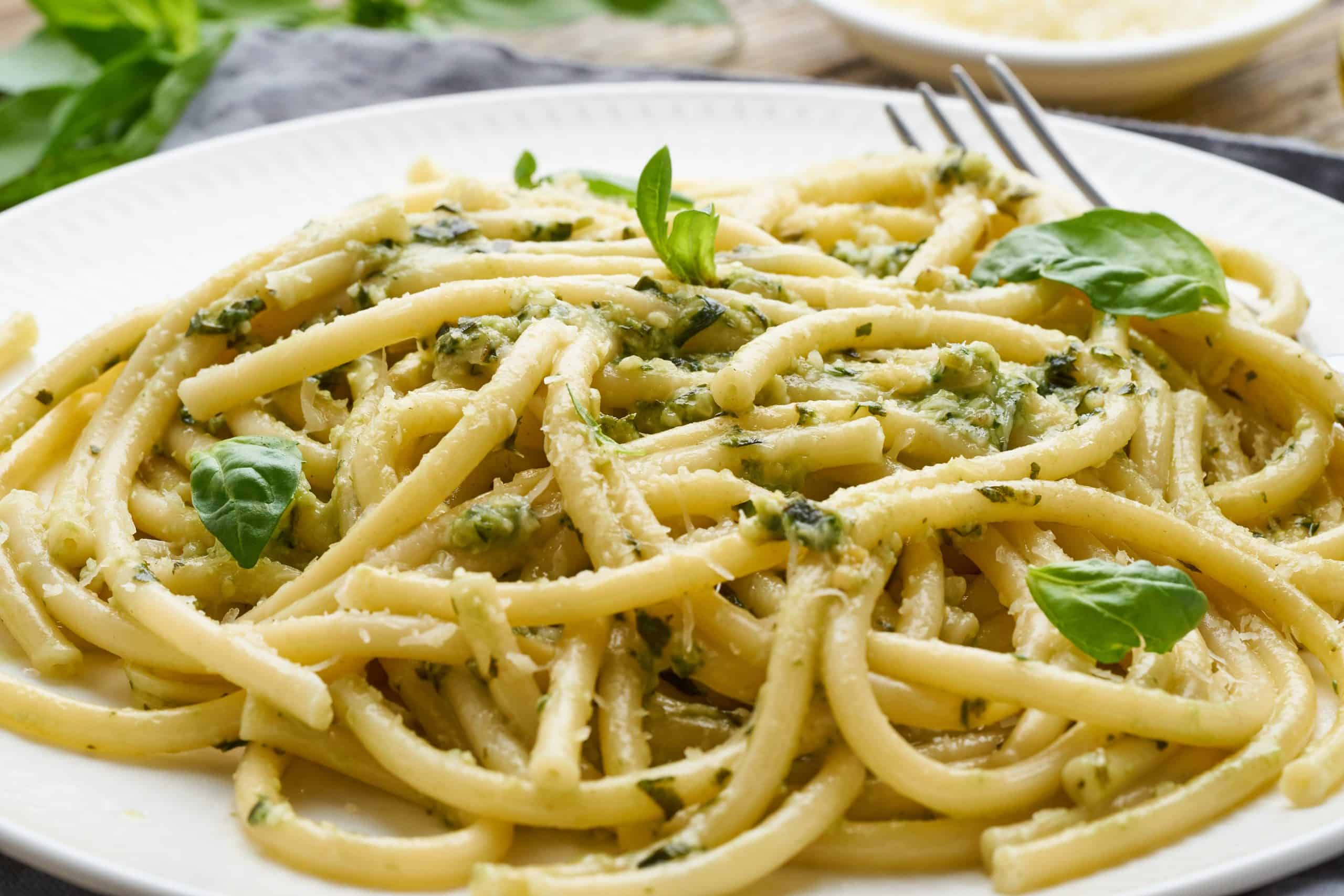
Pesto spaghetti

This rich and creamy pasta dish is the perfect way to use up leftover Pesto!

Ingredients:

– Pasta (around half a cup per person)

– Pesto (one teaspoon of Pesto for every two people as well as extra leftovers in case you want more!)

– Shrimp or chicken, cooked and cut into small cubes (two tablespoons per person is good but adjust accordingly depending on how much meat you are using)

– Cherry tomatoes, halved or quartered if large(as many as you like!)

– Half an onion thinly sliced. Caramelising it first will give your sauce another layer of flavor! I used green onions for this recipe, but feel free to use any onion you prefer.

– Fresh garlic cloves, finely chopped (optional)

For extra flavor, add in two tablespoons of white wine! You can also substitute the shrimp for chicken if preferred.

Method:

– Cook pasta until al dente before straining and placing back into the pot to keep warm while finishing off the sauce. When using spaghetti or linguine, cook around seven minutes only as they are thicker than penne pasta which may take longer depending on the size chosen.

– While your pasta is cooking, heat olive oil over medium/high heat in a large frying pan with tall sides so that it doesn’t spill everywhere when adding ingredients later. Add onions once heated, stirring occasionally until lightly browned

Some more effortless recipes that use Pesto:

– Pesto Pasta: Add some leftover pesto to a pot of hot water with spaghetti noodles and cook as per packet instructions. Next, drain the excess fluid away from your noodles before returning to the cooking pot over low heat for around five minutes. Stir occasionally, adding in extra virgin olive oil if you prefer!

– Antipasti Platter: Serve on top bruschetta slices alongside other cold meats such as salami, prosciutto ham, etc. Use your imagination when creating platters – there are no rules, only what tastes good!

– Spaghetti with Shrimp and Basil Pesto: Add shrimp and Pesto to hot spaghetti pasta before serving.

– Pesto Roasted Chicken: Coat chicken in basil pesto, sprinkle with breadcrumbs and cheese, then bake until fully cooked! Serve alongside salad leaves or roasted vegetables for an easy meal that’s full of flavor.

Pesto’s history and health benefits

The history of Pesto dates back to ancient Rome, where they would prepare a paste called “pasta al Pettine” which translates into ‘paste from the comb.’ This dish consisted of finely chopped herbs, olive oil, and salt, ground together with a mortar and pestle.

– Pesto is high in antioxidants with numerous health benefits, including reducing the risk of various types of cancer, heart disease, and other illnesses! It’s also rich in essential vitamins such as K, A & C, which are vital for your immune system to function correctly.

– Basil contains over twice the amount of vitamin c found in oranges, so it has anti-inflammatory properties too! The best way to get the maximum benefit from this herb is by making fresh Pesto at home using quality ingredients.  Rather than buying store-bought versions where you can’t be sure how long they’ve been sitting around or what kind of oil you used during preparation.

How to store and freeze your homemade Pesto

– Freezing pesto is the best way to store it as this will prevent any bacteria from growing and ruining your sauce! If possible, freeze your Pesto after you make it fresh.

– The best way to freeze Pesto is by placing the jar you will be using to store it in a bowl of ice before adding your homemade Pesto and sealing tightly.

– Place this dish into the freezer for around 30 minutes or until solid, then remove it from the freezer, taking care not to hold it as its contents are very fragile!

– You can also choose to freeze your Pesto in an airtight container such as Tupperware so that you don’t need to keep transferring batches if making more than one batch at once. Place some cling film over the top before closing the lid!

– If freezing leftover Pesto with oil, put aside half of what you used when mixing, thawing out overnight again, then adding into pesto mixture before serving.

– To thaw, place Pesto in the fridge overnight, and it will be ready to use by morning!

How long can I keep my Pesto?

It would be best if you tried not to let homemade Pesto sit around longer than five days. This is because it is more likely that bacteria will grow, resulting in food poisoning. If aging too long, this also makes the oil separate and turn rancid.

Conclusion

Pesto is a delicious and versatile sauce that you can use in many ways! It’s also packed full of essential vitamins making it an excellent addition to any dinner.

So what does Pesto taste like? In short, fabulous! Depending on the recipe you use, Pesto has a strong herbaceous flavor with hints of garlic and pine nuts or cashews.

Pesto mixed with pasta is my kids’ favorite food, and it’s so easy to make. I highly recommend you give it a try.

To discover more underappreciated delicacies, please check out my Jackfruit, Durian, Dragon Fruit, and Escargot articles.

Filed Under: Food Blog

What Does Lamb Taste Like? The Definitive Guide.

Last Updated September 6, 2021

Roast Lamb

Lamb is one of the world’s most popular meats, and for a good reason. It’s succulent, flavorful, satisfying to eat – and it goes well with just about any side dish you can think of. If you’re new to cooking lamb, then this article will help you get started. Here I’ll discuss what lamb tastes like, how to cook it, so it comes out perfect every time, the different types of cuts available, and some delicious recipes for your first foray into cooking lamb.

So, what does lamb taste like?

Lamb tastes like a sweet and slightly gamey version of beef. It is, however, far juicier and more tender than beef.

That said, there are subtle differences between the lamb you’ll find in Australia or New Zealand versus what’s available in North America.

The taste also depends on how young the animal was when it was slaughtered. Older animals have more developed muscles and a stronger flavor.

At any rate, younger lambs tend to be lighter on your palate while still providing that rich succulence that makes them so delicious! If you’re looking for a flavored cut, try out some lamb leg steaks or lamb loin chops – either of these cuts has a nice strong flavor.

Lamb also goes well with just about any side dish you can think of – so experiment and see what works best for your palate. Just don’t forget the mint sauce!

What is lamb, and where does it come from?

Lamb is the meat of a sheep under one-year-old. Lamb comes from many parts of the world, and there are plenty of different types available – depending on where you live in, what season it is (spring lamb vs. autumn lamb), how mature they were when slaughtered, and so on.

Generally speaking, though, most people think mainly about New Zealand/Australian lamb; or American/Canadian lamb. The main difference between these two styles? Fat content! Australian / NZ lambs have higher fat levels than North American ones, which means that their meat has more marbling throughout its cuts making for juicy slices every time!

Lamb cuts – what are they, how to cook them, which ones are the best for different cooking methods?

Lamb Cuts

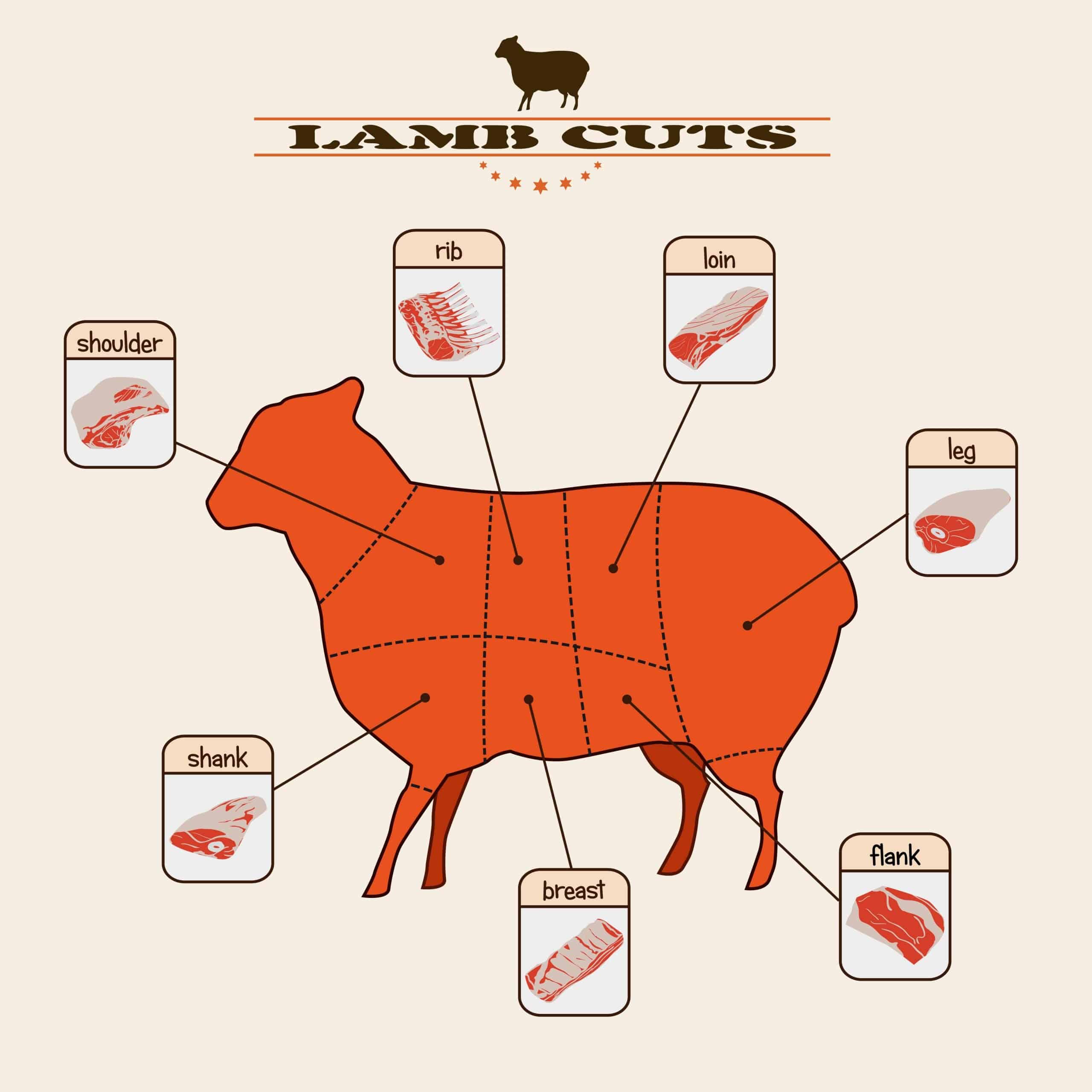
To start, let’s first talk about the main types of lamb cuts. These are The neck, neck fillet, shoulder, loin, rack, rump, leg, and shank.

If you’re cooking for a larger group, go with either a leg of lamb cut into smaller pieces OR an entire rack of lamb – both will feed plenty!

Now that I know what type of meat to look for let me consider how best to cook them depending on the cut – this is where the different recipes come in!

It’s also important to ensure you have all the essential cooking equipment and utensils prepared and ready to use.

How to cook lamb neck:

The neck is a lean cut, so pan fry the meat until browned on all sides and then cook in an oven at 350 degrees F for around 20 minutes.

How to cook lamb shoulder:

Lamb shoulder can be cooked using any of your favorite roasting methods – such as slow-roasting or barbecuing.

How to cook lamb chops:

Lamb chops are a tasty cut that you can either pan fry or grill on your barbecue, depending on what flavor profile you’re looking for!

How to cook rack of lamb:

This is an incredibly tender and flavorful cut – perfect if you want to impress guests with a high-end meal. For this reason, it’s best cooked in the oven at around 325 degrees F so that they don’t dry out too much during cooking.

How to cook lamb shank:

This is one of the best cuts for slow-cooking. You can place them in a crockpot or slow cooker along with some vegetables and cook on high heat until fork tender – this should take around six hours.

How to cook lamb leg:

Lamb’s legs are probably what you’re most familiar with when it comes to cooking lamb because they’re readily available at your local butcher, grocery store, or supermarket. This cut is perfect roasted (try low heat at 325 degrees F), where the fat will slowly baste the meat as it cooks so that by the time you serve dinner, all those juicy flavors have been locked inside!

Want to try something different? Then give pan-frying a go which works particularly well if you coat your lamb leg in flour, salt, and pepper before frying it off on all sides. If you’re cooking on a skillet, place the meat onto it when it’s still cold so that the outside browns/forms its seal, which helps lock in all those juicy flavors.

How to cook lamb rump:

This is a great cut, similar to the leg but not as lean, which means that it’s perfect for barbecuing or slow-roasting.

How to cook lamb shoulder chops:

These are like any other type of chop, so pan fry them on your stovetop until browned and then transfer into an oven at 350 degrees F for around 20 minutes!

If I’m talking about lamb stewing steak (nicknamed ‘lamb shin’), these cuts are tougher meats; therefore, they cook better slowly and low over several hours at around 185 degrees Fahrenheit / 85 Celsius until tenderized through their long time in liquid during braising). This also works well for shoulder arm chops.

What are the nutritional benefits of Lamb?

Lamb is full of nutrition and far healthier than other red meats. I’ve listed some of the benefits below.

Lamb is rich in protein, zinc, and selenium, which help support metabolism, making it easier to burn off excess calories.

– It’s also very high in B vitamins (esp. niacin) and iron while low in fat for a good source of energy with the added benefit of helping reduce inflammation within joints & muscles after exercise; this makes it an excellent addition to any diet!

– Lamb is also a great source of essential amino acids, making it easy for the body to absorb and use proteins while helping improve muscle tone.

– Folic acid: This vitamin helps reduce deficiency symptoms such as fatigue, depression, irritability & anemia; this makes lamb even more beneficial when trying to conceive or during pregnancy!

– Vitamin B12: Helps support nervous system function by producing red blood cells, which carry oxygen throughout the body. – Vitamin A & D: Supports healthy bones/teeth along with vision health too because there’s not much point in seeing clearly if your teeth are breaking, right?

– Iron: Is responsible for carrying oxygen through my bodies via hemoglobin production (through bone marrow), so I’m able to function at optimal levels.

– Protein: Helps build/repair muscle tissue which is important for overall health and well-being – especially if you’re looking to lose weight by getting into better shape!

Recommendation: If possible, buy lamb raised without antibiotics or hormones because this will help support healthier animals, leading toward more natural products with higher nutritional value. The label should clearly state the country of origin along with safe handling instructions, so be sure to follow these accordingly when storing it in your refrigerator until it’s needed for cooking.

What are some healthy alternatives for people who do not eat/like lamb?

People looking for healthier options may instead want to go with poultry like chicken or turkey. However, these meats lack the depth & richness found within red meat such as lamb, so if you’re craving something more flavorful, then definitely consider giving it a try sometime soon (it’s high in protein too)! If you cannot stand the taste at all but still wish to incorporate other types of meat into your diet, then options like turkey, pork, or even goat are great alternatives to consider as well.

What can go wrong when cooking Lamb?

There’s plenty that can go wrong with lamb if you happen to over-cook it! It needs very little time in a skillet/BBQ, so try not to leave it unattended for too long otherwise, you’ll end up overcooking the outside before getting a chance to melt that delicious fat within.

This is why marinating beforehand is an important step that also helps tenderize and infuse flavor into the cut instead of overcooking & drying out its exterior. If you’re roasting lamb at high heat (above 350 Fahrenheit / 175 Celsius), be sure to use a thermometer to test the doneness of your meat so you know it’s ready before serving, which will help avoid this from occurring.

Popular Lamb Recipes

Here are a few recipes that use lamb as an ingredient to give you some ideas on incorporating more lamb into their diet.

Lamb and mint couscous

This is a straightforward recipe to make that you can either cook from scratch or use leftover lamb. You’ll need couscous, grated cucumber, green onions (spring onion), fresh mint leaves, olive oil, salt & pepper for seasoning, along with the leftovers of your roast/steak.

First, start by boiling some water before pouring it over the couscous; set aside as this cooks while you prepare the rest of the ingredients. In another bowl, add all remaining ingredients except for any leftover meat. The meat only goes into the dish at the last minute, so that it’s kept nice and hot.

Next, fluff up your cooked couscous with a fork before adding the rest of your ingredients and tossing everything together. At last, gently heat any leftover lamb in a skillet before plating up; finally, top off with some more fresh mint leaves for decoration!

Lamb stew

This is another traditional dish that requires slow cooking over several hours (ideally overnight) to allow all those flavors to infuse into the meat as it tenderizes through braising. The only difference here is you also need potatoes, carrots, onion, and celery, which are added around three-quarters of an hour before its finished cooking time, so they’re nice and soft when served up with plenty of gravy.

Finally, there’s hummus, made using cooked chickpeas blended with tahini, lemon juice, and garlic to create a tasty dip that works as an accompaniment for your lamb/leftovers.

Here you’ll need two cans of cooked chickpeas (or 500 grams dried with plenty of water), tahini paste, freshly squeezed lemon juice (ideally one large lemon), along with salt & pepper to season it up at the end!

First, drain out any liquid from canned beans before placing them into a food processor/blender. Next, add in all other ingredients except for salt and pepper, which only go in after blending smooth. Taste test using a spare piece of bread or cracker – if too bitter, adjust seasoning accordingly by adding more lemons or salt until it reaches the desired flavor. At last, feel free to top off with some more fresh spices or herbs for decoration!

How to prepare and cook a whole leg of lamb

a) The first step is to prepare your leg of lamb. Rinse the meat under cold water and pat it dry with a paper towel.

b) Season the roast all over using garlic powder, salt, pepper, or any other spices you prefer (like rosemary).

c) Place the seasoned roast in a roasting pan on top of some vegetables like potatoes or carrots – this will help prevent burning while also adding extra flavor! You can even add an apple into its mouth for decoration which helps keep moisture inside, keeping everything nice and juicy.

d) After cooking at high heat for around 15 minutes, reduce down to low/med heat before covering any holes with foil so that no steam escapes leave until completely cooked through (around one and a half hours). Make sure to use a good meat thermometer to check the temperature.

e) Finally, allow the meat to rest for around ten minutes before carving into slices. Serve with some tasty gravy!

f) There are also several other options on how you can cook lamb, such as grilling, roasting, or even frying in a pan, etc., so feel free to experiment until you find something your family will love!

g) Get creative by adding more spices/herbs like garlic powder, salt, pepper (rosemary), thyme leaves – this is especially good if marinating overnight, allowing flavors to infuse through, making it extra delicious when served up the next day.

For those who prefer a video, I’ve found this great guide from Jamie Oliver.

What are the benefits of cooking whole legs?

Whole legs are used in many different types of cuisine, such as grilling, roasting, or even frying, depending on your desired method/preference. It’s also easy to roast them inside an oven, so if you have no access to a BBQ, this is definitely one option worth considering for preparing delicious meals!

One single-leg contains around 500gms (17 ounces), which should provide at least two servings per person when broken down into smaller cuts after being cooked but remember that pork & poultry typically require much less time than red meat like beef or lamb due to its lower fat content within; therefore always consider the size of your cuts before leaving them unattended for too long.

What are some important things to remember when roasting a whole leg?

You can roast whole legs at high heat (above 350 Fahrenheit / 175 Celsius) or low heat according to preference – you’ll want to make sure that fat has melted away into all the other flavors within, so avoid overcooking, which will cause it to dry out and lose its flavor!

It also helps if you marinate beforehand (tenderizing meat while infusing more deliciousness!) but keep in mind this is an optional step. Just try not to leave the cooking lamb on the stovetop/BBQ unmonitored, as mentioned above, because it’s very fatty and prone to burn easily.

What is lamb wellington?

Lamb Wellington is a popular meat dish prepared using fillet or leg of lamb seared in butter and then wrapped in pastry with pate, mushrooms, & herbs before baking; often served alongside roasted potatoes and vegetables as side dishes for an overall complete meal! Depending on your preference, you can alternate between whole legs/fillets when preparing this particular recipe.

It’s also important not to skip any steps involved (i.e., marinating) because this infuses extra flavors that work very well together. While simultaneously tenderizing each layer which basically guarantees juicy results every time without fail. You’ll want to find out how long you need to cook prior while checking on them along the way to avoid overcooking.

Lamb Wellington Recipe:

Please refer to the below recipe for lamb wellington if interested. This is one of the best recipes that will guarantee juicy results every time without fail; it’s also worth noting that you can alternate between whole legs/fillets when preparing this particular dish (depending on preference).

Ingredients:

– 2 packs frozen puff pastry sheets (ready-to-bake)

– 3/4 lb. ground beef or veal

– 1 tbs. all-purpose flour

– 2 cloves garlic chopped finely

– 3 tbs butter (melted)

– ½ tsp salt (more to taste)

– 1 tbs fresh parsley chopped finely or ¼ tsp dried parsley

– ¼ tsp ground black pepper

– 100g mushroom sliced finely (optional)

– ½ onion chopped finely or ½ shallot minced

Preparation: Mix the meat, garlic, parsley, and salt. Add melted butter and then add flour to make a paste which will help bind everything together. Leave this overnight in the fridge if possible but don’t skip the marinating step for tasty results! Once ready, remove from fridge and roll out sheets of pastry until flat enough to place the entire piece of lamb/fillet on top.

Be careful not to stretch it too thin while doing so – only leave at room temperature for around 15 minutes before adding meat mixture along with all other ingredients except puff pastry; fold edges over and seal well while brushing with egg wash (optional). Bake at 400F for around 15-20 minutes or until golden brown; be sure to check on it along the way as oven temperatures can vary. Serve immediately!

Conclusion

In this article, you learned all about lamb and how to cook it. The different cuts of lamb, recipes for cooking them, and what not to forget when roasting a whole leg! Hopefully, now you have a better understanding of why everyone loves their roast dinner so much. Let me know if I can help with any other food-related content or questions that may come up in the future.

To discover more underappreciated delicacies, please check out my Rabbit, Duck, Crab, Shark, and Catfish articles.

Filed Under: Food Blog

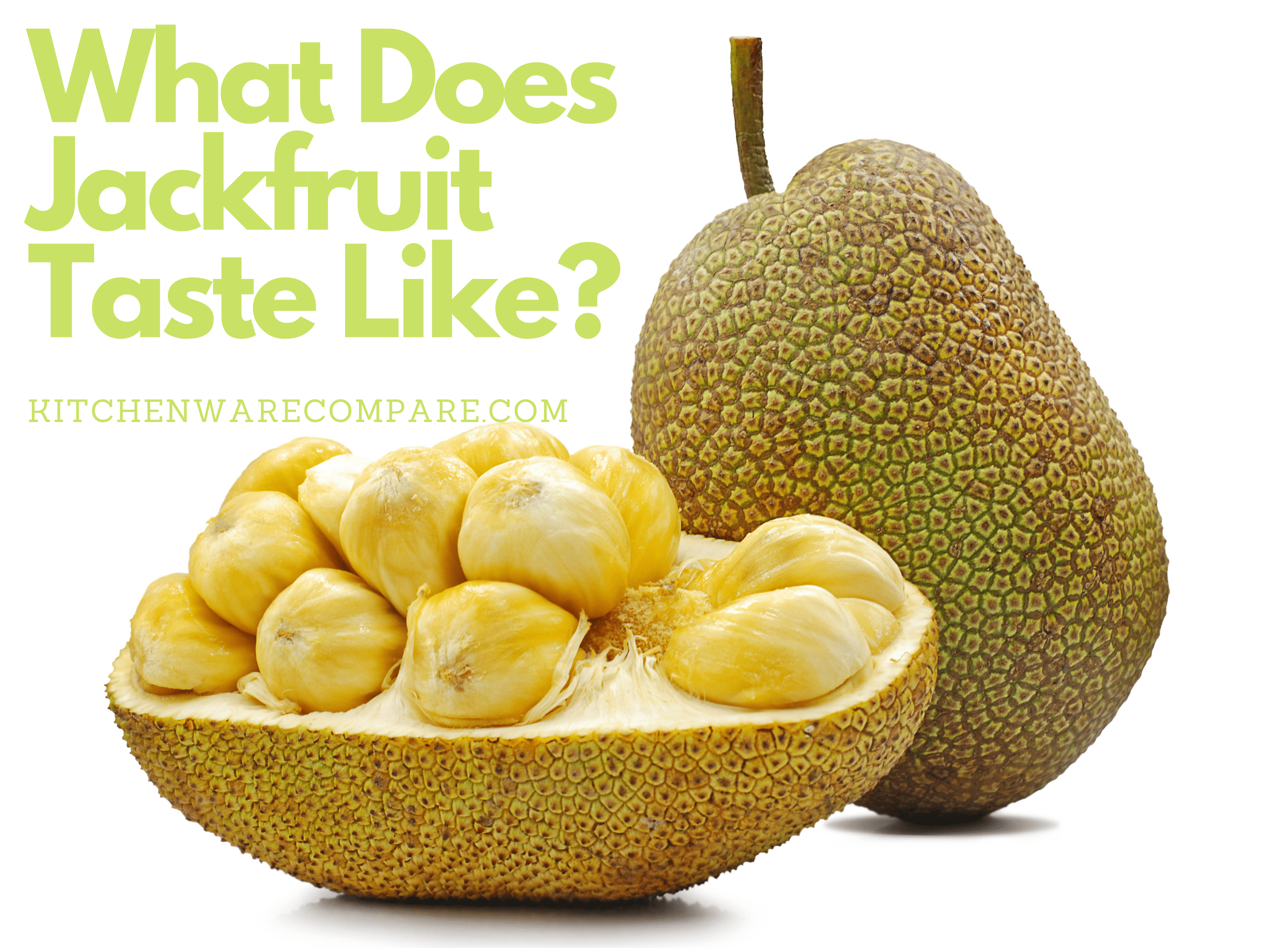
What Does Jackfruit Taste Like? A Complete Guide to This Super Fruit

Last Updated August 23, 2021

Jackfruit

Ripe jackfruit tastes like a mix of banana and pineapple with hints of apple or mango. Unripe (young green) jackfruit is mild, with a stringy, pulled-pork texture that soaks up whatever you cook it in — which is why it shows up in so many vegan and vegetarian dishes. They can be eaten raw, used as a vegetable in cooking, or ripe as a fruit. I’ve cooked with both ripe and unripe jackfruit — this article covers how to identify a ripe one, what it tastes like, and where to find it, plus a few recipes worth trying: BBQ Jackfruit Bites, Thai Pineapple Curry with Jackfruit, and a Jackfruit Burger.

Table of Contents

Toggle

  • So, what does jackfruit taste like?
  • What is Jackfruit?
  • How can you tell if a Jackfruit is ripe?
  • How to prepare Jackfruit
  • How to cut Jackfruit?
  • What are the Nutritional Benefits of Jackfruit?
  • Is Jackfruit a good meat substitute?
  • Where can you buy Jackfruit?
  • Popular Jackfruit recipes
    • BBQ Jackfruit Bites:
    • Thai Pineapple and Jackfruit Curry:
    • Jackfruit Tacos Recipe:
    • Jackfruit Burger Recipe:
    • Jackfruit Nachos Recipe:
  • Conclusion

So, what does jackfruit taste like?

The taste of Jackfruit depends on the ripeness of the fruit when consumed. Its meat-like texture is what makes it work in vegan and vegetarian cooking. Ripe Jackfruit tastes like a combination of banana and pineapple, with hints of apple or mango.

If you are craving meat but don’t want the guilt associated with it, jackfruit is the closest plant-based stand-in. The texture is similar to pulled pork and, when cooked well (like in my BBQ Jackfruit Bites recipe), will have that crispy outside and juicy inside barbecue chicken wings.

Jackfruits come in a number of different varieties, each with its own unique taste. Here are some of the most popular:

Black Gold Jackfruit: This is a green-skinned variety of jackfruit. They are large, dark brown in color with a velvety smooth texture, and have an apple-like taste

Cheena Jackfruit: This is a yellow-fleshed variety of jackfruit. They are smaller in size, pale green to light brown in color, and have an earthy taste, so are usually used in cooking.

Cochin Jackfruit: This is a variety of Jackfruit primarily grown in Australia. They are typically smaller in size, light green to pinkish-brown in color and have an earthy taste with hints of banana.

Dang Rasimi Jackfruit: This is a variety of Jackfruit primarily grown in Thailand. They are typically large, bright green to light brown in color, and have a sweet taste with notes of mango.

Golden Nugget Jackfruit: Averaging between 6-8 pounds, this is well known as being a deliciously sweet variety of Jackfruit with a smooth texture and dark orange flesh.

Green Horned Jackfruit: This is an uncultivated variety that bears similarities to the black gold type of jackfruit. It has been described as having spicy notes with hints of pine.

What is Jackfruit?

Jackfruit is a fruit native to India. They can grow huge, depending on the variety, and are used as a popular substitute for meat. The inside of the fruit is made up of numerous pouches of flesh wrapped in edible skin.

Jackfruit has been cultivated in tropical climates around the world for centuries. There are over 100 varieties, and they come in four different colors: green, yellow, red, or purple. The fruit can be eaten raw or cooked with an edible peel and even edible seeds.

The unripe fruit tastes bitter and is best used for cooking, while ripe ones have this sweet flavor with hints of banana and pineapple; you may also detect other more exotic flavors like mango or apple.

You should note that Jackfruit can be an acquired taste.

Young jackfruits will have spikes on their surface which make them hard to handle, but once they ripen, these disappear, making them easier to prepare

The flesh of this tropical fruit is composed mainly of water (around 92%), which suits dishes where you want a refreshing taste, like my Thai Pineapple Curry recipe.

They also work well when combined with coconut milk, where their texture becomes more like tofu than meat.

But Its taste can also provide an interesting twist in many different dishes!

How can you tell if a Jackfruit is ripe?

You can use three signs to find out. Learn the signs to get the best-tasting Jackfruit.

Firstly, your jackfruit will have a sweet smell, which means it is ripe enough for cooking and eating.

Secondly, the fruit should show some yellow or brown coloring when peeled

Lastly, you need to see if the fruit gives in pressure and creates a “give” sound; this tells you that it’s at its peak ripeness

To tell if jackfruit is ripe enough, the fruit should feel heavy for its size and have an even distribution of colors from white, yellow, or brown on the inside. If the skin has dark spots, then it means they are extra sweet!

The smell of jackfruit depends on the ripeness, as with its flavor. Unripe fruit will have a strong and unpleasant aroma, while ripe ones emit a sweet scent that resembles bananas or pineapple.

Suppose all these three things are true, then congratulations! You’ve found yourself a perfect specimen of jackfruit ripe for picking up and utilizing into one of my recipes, such as BBQ Jackfruit Bites or Vegan Pulled Pork Sandwiches with Slaw Pico de Gallo!

How to prepare Jackfruit

Young Jackfruits are not easy to peel due to their spikes, but these disappear when they mature, making them easier to handle.

When using them for cooking, cut the jackfruit into small cubes and boil until it becomes soft. After this, rinse well in water to remove any dirt.

If you want something that’s refreshing like my Thai Pineapple Curry recipe, mature unpeeled Jackfruit works perfectly because their consistency resembles tofu more than meat when cooked while still maintaining its texture.

But if you’re looking for a meatier texture, I recommend that the jackfruit be cooked with some coconut milk or soy sauce to give it more flavor. You can also add other vegetables like mushrooms, bell peppers, or carrots as your creativity sees fit!

There is an appropriate way of preparing every dish, so read all my recipes carefully and get inspired by new ways of cooking this tropical fruit!

How to cut Jackfruit?

Cutting a Jackfruit can be very challenging due to the size of the fruit. They can be enormous (up to 100lbs). They also contain a sticky resin that can stick to the knife and make it difficult to slice through — a full-size, sharp chef’s knife (oiled lightly to resist the sap) makes this far easier than a small utility blade.

I found this great video on Youtube that walks you through the process step by step.

What are the Nutritional Benefits of Jackfruit?

As mentioned before, jackfruit is mainly composed of water, making it a perfect choice for dishes that require something refreshing, like my Thai Pineapple Curry recipe.

It also has high amounts of micronutrients, including vitamin C, B-complex vitamins (especially folates), potassium, and magnesium.

Additionally, the fruit contains significant amounts of dietary fiber; this can help in weight loss by reducing hunger and controlling blood sugar levels and cholesterol levels. The soluble fibers will keep you satiated longer, while the insoluble ones have been shown to lower LDL or “bad” cholesterol by binding with bile salts found in food particles.

Jackfruit are rich sources of antioxidants such as carotenoids (beta-carotene, alpha-carotene, beta-cryptoxanthin) and polyphenols (flavones like quercetin).

In comparison with other foods, jackfruit is a great source of protein. It contains about six grams per cup.

The fruit also has high amounts of dietary fiber, which makes it easy to digest while being rich in vitamins and minerals, making them an excellent choice for those who need more calcium or potassium in their diet. Jackfruit is also gluten-free!

Is Jackfruit a good meat substitute?

Jackfruit is a great substitute for meat because it usually has a similar texture and consistency to tofu but also retains its own flavor.

It is readily available and far tastier than Tofu. For pulled-pork-style dishes, a few pulses in a food processor shreds young jackfruit in seconds.

Where can you buy Jackfruit?

The best way to purchase Jackfruit is by picking it up at a local fruit market! Make sure that the fruits are ripe and have a sweet scent.

A more convenient option would be buying them frozen. This can be done online or in any store where they sell canned goods.

You can also find fresh jackfruit but make sure you buy them from an ethical source that only sells produce grown without insecticides, fertilizers, or genetic modification.

You can purchase jackfruit on Amazon, and I’ve listed some good options below.

Popular Jackfruit recipes

BBQ Jackfruit Bites:

Prep Time: 30 minutes

Cook Time: 20 minutes

Servings: 12-14 appetizers

Ingredients:

• One 25oz can of jackfruit in water, drained, and chopped into small pieces. • ½ Cup vegan BBQ sauce (I recommend using my Homemade Vegan BBQ Sauce Recipe) • ¼ tsp garlic powder • Pinch sea salt or to taste

Instructions:

Take a large bowl; add the prepared Jackfruit. Put together the BBQ sauce with vinegar, ketchup, garlic, and pepper. In a nonstick pan on medium heat, mix all ingredients until they are well combined. Cook for about 15-20 minutes. Make sure that you stir now and then so that it doesn’t stick to one side. Scoop out onto a paper towel-lined cookie sheet and let cool for about 15 minutes, then serve

Thai Pineapple and Jackfruit Curry:

Prep time: 30 minutes

Cook Time: 20 minutes

Servings: Makes four servings, can be doubled or tripled for more people.

Ingredients:

• One medium onion, diced • Four garlic cloves, peeled and minced • Two tablespoons grated ginger root • Three inches fresh turmeric root, sliced into rounds ¼-inch thick – if you don’t have fresh Turmeric, use ½ tsp ground Turmeric instead. • Five whole cardamom pods (if using preground spices, then increase to two teaspoons) • 1lb of Jackfruit and 1 tin of Pineapple chunks

• One-inch fresh cinnamon stick • Pinch of cayenne pepper • Two teaspoons garam masala • Five dried bay leaves (or one tablespoon dried thyme) • Fresh ginger, peeled and grated to taste – I like using about four tablespoons for two cups of sauce or so; this is completely up to personal preference though! You can also use powdered ginger if you don’t want too much texture, but it doesn’t have as strong an effect as some might prefer.

Instructions:

If using frozen Jackfruit, thaw it by letting it sit in the fridge for a day or two. You can use frozen Jackfruit if you’re making this dish during seasons when jackfruit is not available fresh, but note that thawing will take longer and may not work as well (since freezing tends to break down the cell walls)

Drain jackfruit and pat dry with a paper towel or clean kitchen cloths. Cut into small cubes about ¼-inch thick. Set aside

In a deep saute pan, add three tablespoons of coconut oil – I use organic cold-pressed here. Fry onion until browned, then toss in garlic cloves, grated ginger root, bay leaves, cardamom pods, cinnamon sticks, and salt over medium heat, often stirring, so they don’t burn too quickly). Fry for about five minutes, then add in all the spices and fry until fragrant. Next, toss in your jackfruit cubes and Pineapple chunks, stirring to coat them with the onion mixture.

Add coconut milk or cream (preferred)

If you’re using fresh bay leaves, add four of them now instead of five dried ones. You can also use both if you want an extra hit of flavor!

Bring it to a boil, then simmer on low heat for 20-30 minutes before serving hot over rice or grains like quinoa, barley, etc. Garnish with chopped cilantro and serve as is or over steamed vegetables such as broccoli, cauliflower, carrots, etc.… Enjoy this one-pot meal that’s great for cold days, too, because there are plenty of delicious flavors to keep you warm!

Jackfruit Tacos Recipe:

Prep Time: 30 minutes

Cook Time: 15-20 minutes

Servings: Makes 12 tacos. It can be doubled or tripled for more people.

Ingredients:

• One small onion, diced • Two cloves garlic, peeled and minced

• Three tablespoons tomato paste (preferably roasted) • Four cups shredded cooked jackfruit or one 25oz can in water drained and chopped into small pieces. • ½ Cup vegan BBQ sauce, plus some for topping tacos if desired • ¼ tsp garlic powder

Instructions:

In a deep saute pan, add three tablespoons of coconut oil – I use organic cold-pressed here. Fry onion until browned, then toss in garlic cloves over medium heat, often stirring, so they don’t burn too quickly). Fry for about five minutes, then add the spices and fry until fragrant. Next, toss in your jackfruit cubes and Pineapple chunks, stirring to coat them with the onion mixture.

In a separate bowl, whisk together BBQ sauce and tomato paste. Pour this over your jackfruit mixture and stir until everything is coated (remember to include pineapple as well). Let it simmer on medium-low heat for 15 minutes covered.

Pour into tortillas or taco shells of choice with desired toppings such as lettuce, avocado slices, etc… Enjoy!

Jackfruit Burger Recipe:

Prep Time: 20 minutes

Cook Time: 15-20 minutes

Servings: Makes six burgers.

Jackfruit Burgers are easy to make and taste great!

Ingredients:

• One cup mashed, cooked jackfruit (you can use canned) • ½ Cup chickpeas/garbanzo beans, finely chopped and blended until smooth in a food processor • ¼ tsp onion powder • ¼ tsp garlic powder • A few dashes of chili seasoning mix if desired

Instructions:

In a bowl, mix the jackfruit with chickpeas until it becomes sticky. Add onion powder and garlic to taste, then shape six burgers out of your mixture. Place on an oiled pan or top of foil (sprinkle some salt if desired) and cook for 15-20 minutes over medium-high heat.

Serve as is or place in lettuce leaves, burger buns, etc…with all your favorite toppings!

Jackfruit Nachos Recipe:

Prep Time: 20-30 minutes

Cook Time: None – assemble when ready to serve

Servings: Makes six servings/six to eight appetizer servings. It can be doubled or tripled for more people.

Ingredients:

• One small onion, diced • Two cloves garlic, peeled and minced • Three tablespoons tomato paste (preferably roasted) • Four cups shredded cooked jackfruit or one 25oz can in water drained and chopped into small pieces. • ½ Cup vegan BBQ sauce, plus some for topping if desired

Instructions:

Toss these ingredients together with your hands until they are evenly distributed on the tortilla chips, then top them off with any of your favorite toppings! Be creative…I used guacamole, salsa verde, and black beans here but feel free to get really wild – use what you have on hand to create a custom nacho recipe!

Conclusion

Jackfruit is a fruit that’s been around for quite some time, but it’s still relatively unknown to many people. It originates in India and Southeast Asia and has grown popular due to its ability to replace meat as an ingredient in dishes like tacos or pulled pork sandwiches. This article provides information about the taste of jackfruit, where you can find it, how to cook with it, and more! I hope this post will help introduce you (or your friends) to one more delicious food item out there waiting for you to try! If nothing else, share this blog on social media, so others have access to all these great facts about Jackfruit- I think they’ll appreciate them just as much as I do!”

Curious about other unusual flavors? See my guides to what boba tastes like and what miso tastes like.

Filed Under: Food Blog

What Does Cottage Cheese Taste Like?

Last Updated July 19, 2021

What Does Cottage Cheese Taste Like

Cottage cheese is a dairy product that is made from the curds of milk. It has been around since the time of ancient Greece and Rome. Cottage cheese tastes mild and creamy with a slight tang to it. The texture may be different depending on what type you buy. Some are thick like cream cheese, while others are soupy like yogurt. Cottage cheese can be eaten by itself or as an ingredient in dishes such as pasta salad. There are also many health benefits of eating cottage cheese, including calcium for bone strength and vitamin B12 for energy production! Here’s what cottage cheese tastes like and how best to enjoy it.

To discover more underappreciated delicacies, please check out my articles on what Taro tastes like, what Duck tastes like, what Kimchi tastes like, and what Durian tastes like.

So, what does cottage cheese taste like?

As I said before, there are two main types of texture: some are more creamy than others. In general, it tastes mild and creamy with a slight tang to it.

Cottage cheese tastes similar to natural yogurt or sour cream but is less tangy and sour. It tastes like a mix between yogurt and cheese because it has the creamy cheese texture and dairy tartness from the milk used to make it.

It pairs well with grapes, peaches, or strawberries due to their sweet taste and low acidity content!

Some people say they can taste orange juice in cottage cheese which may be why they pair so well together as an ingredient for other dishes such as pasta salad.

What is cottage cheese, and how do you make it?

Cottage cheese is a type of dairy product that is made from the curds of milk. It was first introduced to Europe and then migrated to America when The Boston Cooking School Cookbook included it in their recipe for cottage pudding.

Originally, people would take raw milk and allow bacteria cultures such as Lactococcus lactis or Streptococcus thermophilus into it so they could ferment it until all the water evaporated out and created thick chunks called “curds.” The curds were compressed together with butterfat by hand before being cut up into small pieces (less than an inch).

The process has changed over time, but today’s version still starts with cultured cow, goat, or sheep’s milk, which is heated to kill off any bacteria from the milk before adding a starter culture (usually Lactobacillus bulgaricus or Streptococcus thermophilus) and letting it sit at room temperature for anywhere between 12-24 hours.

It’s then cooled down, and rennet is added during this cooling process to give curds their distinct texture of small pieces that are firm enough to cut. The mixture sits for about forty minutes until they become thickened into “curds.”

Next, salt is added while stirring so that it evenly distributes itself throughout the product. Afterward, you can use fresh cheesecloth to drain away as much liquid whey as possible without completely draining out all of the moisture.

The final stage is where the curds are cut up into small pieces (less than an inch). This can be done by hand or with a cheese slicer. The cottage cheese then gets chilled and packaged before being ready to eat!

What are the health benefits of cottage cheese?

Cottage cheese is considered a healthy snack food because it offers many health benefits, including calcium for bone strength and vitamin B12 for energy production.

Cottage cheese has also been shown to help regulate blood sugar levels due to its low glycemic index (GI) rating. This means that when you eat cottage cheese along with a meal containing carbohydrates like pasta or rice, your glucose levels don’t spike as much as they would if you were only eating the carbohydrate-rich foods without any other sources of protein.

Cottage cheese is also a good source of protein which can help you feel fuller for longer and maintain steady blood sugar levels.

It can also help protect against certain cancers and heart disease. The high levels of calcium, low risk for saturated fat consumption, and potassium concentration in it are all factors that make cottage cheese a nutritious choice to include in your diet!

What does cottage cheese taste good with?

Cottage cheese tastes good with a variety of different foods such as fruits, vegetables, and grains.

It can be eaten alone or in dishes like pasta salad that has it mixed in!

Some people say they taste orange juice when eating cottage cheese which may explain why some people love to eat it alongside their morning bowl of cereal!

One popular pairing is honeydew melon paired with cottage cheese. The combination is known for being light and refreshing, making them perfect partners during summertime! Other favorite pairings include grapes, peaches, or strawberries because they are sweet tasting without any acidic content.

Cottage cheese can also be used as a substitute for ricotta in dishes or on top of pies.

It’s perfect to use with any bread because it provides creaminess without adding too much fat, which is great for dipping! Cucumbers are the perfect companion when you eat cottage cheese alongside them because they add freshness and crunch (plus, I bet that sounds delicious!)

Some people even like to have a side dish full of fruit salad while eating their cottage cheese – yum!! And if you’re feeling adventurous, try out some other pairings with your favorite foods, such as tomatoes, basil pesto pasta, or whole-wheat toast with hummus. There are so many possibilities!

Easy Cottage Cheese Recipes

-Strawberry and Cottage Cheese Salad:

Ingredients

-Strawberries, sliced

-Cottage cheese, drained

-Grapes or cherry tomatoes on the side as garnish (optional)

Directions: Mix cottage cheese and strawberries. Serve with a side of grapes or cherry tomatoes if desired. This dish is perfect for breakfast!

-Chocolate Cherry Cottage Cheese:

Ingredients

-Cottage cheese, drained

-Chocolate syrup

Directions: Mix chocolate syrup and cottage cheese. Serve with a side of fruit (i.e., strawberries or bananas). This dish is perfect for breakfast! It’s also great as dessert after dinner because it has an intense flavor

-Blueberry and Cottage Cheese Parfait:

Ingredients

-Blueberries, sliced

-Cottage cheese, drained

-Honey or maple syrup for sweetener (optional)

Directions: Mix blueberries and cottage cheese. Serve with a side of honey or maple syrup if desired. This dish is perfect as a dessert because the berries are naturally low in sugar!

-Cucumber and cottage cheese sandwich:

Ingredients

-Cucumber, sliced

-Boston lettuce leaves (optional)

-Bread or English muffin for the sandwich part

Directions: Mix cucumbers and cottage cheese. Spread the mixture onto a bread of your choice, like an English muffin or toast with butter. Place some Boston lettuce on top if desired, then top with a slice of bread to create the sandwich. This dish is perfect for lunch or dinner because it packs tons of vitamins and minerals while also reducing your calorie intake!

-Cottage cheese “pancakes” (aka biscuits):

Ingredients:

-Biscuit dough, already prepared

Directions: Press out biscuit dough onto a hot greased pan. Cook for about two minutes on each side and then cut into rounds or squares with an uncooked egg inside of it! Add in some healthy toppings like cottage cheese, spinach, tomatoes, and avocados (to name a few).

-Healthy Cottage Cheese Dip:

Ingredients:

-Cottage cheese, drained

-Grated vegetables like cucumbers and carrots (optional)

Directions: Mix cottage cheese with grated vegetables. Serve as a dip by adding it in bowls or mugs with crackers of your choice! This dish is perfect for lunch because the vegetables are filling while also providing tons of vitamins and minerals!

-Cottage Cheese and Buttered Toast:

Ingredients:

-Buttered toast for the bread

Directions: Mix cottage cheese and butter. Spread onto a slice of buttered toast or English muffin, then top with another slice to create a sandwich! This dish is perfect for breakfast because it’s light yet filling at the same time! It also helps you get your daily dose of calcium, protein, and other nutrients.

Pasta dishes with cottage cheese

-Creamy Mushroom and Cottage Cheese Spaghetti Recipe:

Ingredients: spaghetti, butter, white onion, garlic cloves, vegetable or chicken broth (low sodium), mushrooms (white and baby Bella), dried thyme leaves, salt, and pepper.

Instructions: In a large pot of salted boiling water, cook the pasta according to package directions. Drain the pasta and set it aside in a bowl covered with foil for later use. Meanwhile, melt some butter on medium heat in another pan. Add your onions and garlic, then saute them until they brown slightly – don’t let them burn! Next, add your mushrooms right along with dried thyme and seasonings to taste before adding more seasoning if desired. Cook everything until all excess moisture has cooked off, leaving you just enough sauce to cover the pasta. Add your sauce to the cooked and drained spaghetti, mix well and serve with a side of cottage cheese!

-Creamy Dill Cottage Cheese Pasta Recipe:

Ingredients: fusilli (or any pasta), butter, onion, garlic cloves, vegetable or chicken broth (low sodium), heavy cream (preferably organic milk), green onions, dill weed, salt, and pepper.

Instructions: Cook your pasta in a large pot of boiling water.  After draining it from the cooking liquid, set it aside in a bowl covered with foil for later use. Meanwhile, melt some butter on medium heat in another pan before adding chopped onions and minced garlic; saute until the onions are translucent. Next, add your green onion and dill weed before adding in vegetable or chicken broth to desired consistency – you may need more if using a thicker pasta like fusilli! Season with salt, pepper, then heavy cream, and stir until well combined. Add this mixture to cooked spaghetti noodles, mix all together and top it off with some cottage cheese for an extra creamy texture.

-Creamy Tomato Cottage Cheese Spaghetti Recipe:

Ingredients: dry penne (or any pasta), butter, red onion, garlic cloves, canned tomato sauce (low sodium), dried oregano leaves, salt, and pepper.

Instructions: Make your pasta following the usual instructions. Drain the pasta and set it aside in a bowl covered with foil for later use. Meanwhile, melt some butter on medium heat in another pan before adding chopped red onion and minced garlic; saute until the onions are translucent. Then add tomato sauce, oregano leaves, and salt/pepper to taste (add more if desired). Add this mixture to cooked spaghetti noodles, mix all together and top off with your cottage cheese.

-Cottage Cheese Alfredo Sauce with Chicken Recipe:

Ingredients: fettuccini noodles, garlic cloves, chicken broth (low sodium), heavy cream, milk or fresh/dry white wine, butter, salt, and pepper

Instructions: Start by boiling your pasta in a large pot of water. Drain and leave aside in a bowl covered with foil for later use. Meanwhile, melt some butter on medium heat in another pan before adding minced garlic, then add your desired amount of either poultry broth or dry white wine along with just enough unsalted chicken stock so that you can cover all of your ingredients as well as any cheese you might want to add such as low-fat cheddar. If using dairy, then next add some milk followed by heavy cream until everything is well combined. If not using dairy, then omit the milk and heavy cream. Mix in your dry white wine if desired, as well as some salt and pepper to taste before adding your cottage cheese and pasta noodles – you might also want to add fresh basil for an added flavor!

-Spicy Tomato Cottage Cheese Recipe: Ingredients:

spaghetti (or any pasta), butter, onion, garlic cloves, canned tomato sauce (low sodium), chili powder, cumin powder

Instructions: In a large pot of salted boiling water, cook the pasta according to package directions. Drain it and set it aside in a bowl covered with foil for later use. Melt some butter on medium heat in another pan before adding chopped onions and minced garlic; saute until the onions are translucent, then add tomato sauce, chili, and cumin powder. Add this mixture to cooked spaghetti noodles, mix all together and top off with your cottage cheese.

-Eggplant and Cottage Cheese Casserole Recipe:

Ingredients: eggplant, butter, or olive oil to prevent sticking, garlic cloves, onion

Instructions: First, make your pasta following the usual instructions and set it aside for later. Melt some butter on medium heat before adding chopped onions and minced garlic; saute until translucent, then add your eggplants (sliced into small cubes) as well as any desired spices such as salt/pepper or red pepper flakes, then cover them with vegetable broth so that they are evenly distributed throughout before covering it all up again with tomato sauce and baked for about 45 minutes – an hour depending on how you like your vegetables cooked! Once done, remove from the oven and top with some cottage cheese.

-Savory Cottage Cheese and Penne Pasta Recipe:

Ingredients: penne pasta, butter or olive oil to prevent sticking, garlic cloves

Instructions: Follow the instructions to make your pasta, drain, and set it aside. Then melt some butter on medium heat before adding chopped onions and minced garlic; saute until translucent, then add your desired vegetables, including broccoli florets, spinach leaves, or peas, and any cheese (Parmesan is always good) you want! Add this mixture to cooked spaghetti noodles, mix all together top off with some cottage cheese.

Cottage Cheese FAQ:

Does Ricotta Cheese Taste Like Cottage Cheese?

Ricotta cheese varies in taste depending on the type of milk it’s made with. It is typically considered a mild-tasting cheese, while cottage cheese has a more sour and tangy flavor. you may use ricotta to make desserts or pastries like cannoli since it comes from the Italian word for “recooked.”

Is Cottage Cheese The Same Thing As Cream Cheese?

Cream cheese and some other commonly found types of cheeses such as ricotta or cheddar are all classified under dairy products, which means they contain both fat and protein, making them very rich in calories when consumed. Cream cheeses have higher amounts of fat and less protein than cottage cheese.

Does Cottage Cheese Taste Like Sour Cream?

Sour cream is a type of dairy product that has a very distinctive flavor. Ingredients in sour creams are typically heavy on the cream (the fat) with just small amounts of milk or cultured skimmed milk powder, which gives it more calories than some other cheeses such as ricotta cheddar, brie, or feta.

As you might’ve guessed by its name, sour cream also tastes quite strongly like sourness due to added acidity. In contrast, cottage cheese does not contain any acidic ingredients but will be tangy depending upon how long it’s been aged!

Does Cottage Cheese Taste Like Greek Yogurt?

In a way, yes. cottage cheese is made from whole milk and cream so it has the same tangy flavor as greek yogurt which is also made with those two ingredients. But there are some differences:

-Cottage Cheese usually tastes sourer than Yogurt due to its long aging process while Greek Yogurt tends to have less of that acidity because they’re fresh out of the vat (or container)

-Greek Yogurt will be rich in protein whereas Cottage Cheeses tend to not contain much at all! Protein helps you feel fuller for longer periods of time meaning it can help curb your appetite by making you feel satisfied when you eat less food overall

Conclusion:

This article has provided information on what cottage cheese tastes like, how to prepare it for different meals, and the health benefits of eating this type of dairy product. If you want more insight into the taste or nutritional value, feel free to comment below! I’m always happy to help answer any questions about nutrition and cooking.

Filed Under: Food Blog

What Does Crab Taste Like?

Last Updated July 2, 2021

Crab taste

Crab is a delicacy that everyone should try at least once. There are many different types of crab, and the taste can range depending on the type. For example, snow crab has a sweet and delicate flavor while king crab tastes more like lobster.

Snow crabs also have smaller claws than other types of crabs which some prefer because they are easier to eat! However, the most popular type in America today is the Alaskan King Crab with its distinctive orange color and large size claws that hold plenty of meaty goodness inside them.

So, what does Crab taste like?

The best way to describe the taste of crab is that it’s tangy, salty, and sweet all at once. It also has this unique texture that feels like you’re biting into something more substantial than just protein or fat–it almost melts away entirely.

The flavor of crabmeat is determined by the quality of the crab. Gold Medal Crab usually tastes much better than canned and pre-packaged crabmeat.

Chinese crabs are highly sought after because they have an exquisite, rich taste with a distinctive odor that red mangrove mud can’t achieve.

This article will provide you with some facts about what to expect when tasting this delicious seafood dish as well as some recipes for cooking it!

Health benefits of crab:

– Eating crab is a great way to get your daily dose of vitamin B12.

– Crab contains high amounts of vitamin D, which will help you maintain good bone health and may also boost your immune system or prevent cancer!

– Crab is rich in omega fatty acids, which are good for your brain and heart. It also contains high amounts of protein that help with weight loss!

– Crab is a great source of protein and contains very little fat.

– Eating crab can give you the necessary nutrients needed to promote healthy hair growth, fight acne breakouts, improve skin immunity and provide a beautiful glow on your face.

Why is crab so expensive?

A great question, and one that is easily answered. Crab can be expensive because of the scarcity in supply or just a higher demand for it. This means there’s not as much available to buy so when it comes onto the market its price goes up quickly! It also doesn’t help that chefs are constantly coming up with new ways to cook crab which makes people want them even more.

Crab has always been priced high due to how difficult they are to catch. Improvements in fishing techniques and farming have improved the availability, however. But because of these difficulties, I’ll have to get used to paying more for this delicacy than any other seafood dish on your plate!

. – Crabs typically range in price by species and size with king crabs being some of the most expensive at $25 per lb. Snow or blue crabs will cost between $12-$15 while Dungeness crabs cost about $11 per lb.

But don’t let all these facts discourage you from trying crab because when it is served fresh, the flavor can be more than worth every penny

If you’ve never had this delicacy before, then what are you waiting for? Give one of these recipes a try or head out for your next seafood meal at an upscale restaurant and see just how delicious they really are. You’ll be glad that you did!

Popular crab recipes :

– Crab cakes: a recipe that includes crab meat, bread crumbs, and eggs. You can also add in other ingredients like onions or minced garlic for extra flavor. They are then pan-fried until golden brown on both sides and served with either tartar sauce or cocktail sauce.

– Crab boil: this is an old-fashioned dish where you put the crabs into water to boil them alive! This cooking method has been around since the 1700s which shows just how popular it was back then!

Crab boils were originally called “crayfish parties” because they consisted of boiling live American Crawfish which are similar to European crawfish.

Crab salad recipe:

– One of the most popular crab recipes is a delicious salad made from fresh crab meat, mayonnaise and lettuce.

The way this recipe works is by cutting up fresh crab meat into small pieces or chunks then combining them with an egg yolk which has been mixed in with some milk, salt and pepper. You can also add in things like onion or minced garlic for extra flavor.

Pour it over your bowl of chopped iceberg lettuce leaves (crisp ones work best) for a refreshing dish that’s perfect for summer days!

There are many variations to this dish like adding corn as well but there’s no need to mess around too much because it tastes great just as it is!

How to Cook Whole Crabs?

To cook whole crabs, you’ll need a heavy pot and some boiling water. You can either put the crab in with their shells on or off depending on your preference! The next step is placing them into the pot of boiling water for about 15 minutes until it starts to turn red which means they’re done cooking. If you want to cook them further, you can always add some lemon juice and herbs to the pot for a more flavorful dish.

– It is important that you clean the crabs and remove any of their organs so they will cook properly.

– One way people like to cook crabs is by boiling them. To prepare, rinse with cold water and place in a pot of boiling salt water for 15 minutes. If you would like to steam them, ensure that they are completely submerged using something heavy to weigh them down

– But if this sounds like too much work for you, try grilling your food instead! You should follow all the same steps as boiling but with one difference: Instead of boiling the crabs in water, you will be boiling them in a pot with salt and vinegar which will help to tenderize it.

How to make canned crab taste better:

While fresh crab has a far superior taste to canned crab, canned crab is convenient, readily available, and can still be delicious.

Check out these great tips:

– Rinse the canned crab meat with cold water.

– Next, make a garlic butter sauce by melting together butter and minced garlic then adding in salt to taste.

– Sautee the canned crab pieces for about five minutes or until they start turning pinkish red which is when you know it’s done cooking!

Once you’ve finished this simple dish, you’ll have a delicious meal that tastes just like fresh crab!

– You could also add some lemon or lime juice. This will help brighten the flavor of your food and also work as a preservative if you want it for later use!

– Another option is adding in other ingredients like onions, garlic, hot peppers. You can find a wide variety of canned seafood at most grocery stores so why not experiment with some new flavors!

– And if you want to try something really different, make sure that your sauce is hot and pour it over the crab meat. This will infuse a nice flavor into the dish as well as give it more depth in texture.

Does crab taste like Ammonia?

A common misconception is that crab meat tastes like ammonia. This couldn’t be farther from the truth! Ammonia actually smells just like urine and it has a strong, pungent odor which doesn’t have anything to do with seafood at all.”

But there are many reasons why people may think this icky smell could come from crabs.

– If crabs were caught in the water, it’s possible that they may have some of this pungent liquid clinging to them.

– It is also common to find ammonia near fish markets because sometimes seafood sellers will clean their tanks with this strong cleaner as well.

But regardless, don’t let these facts scare you away. The taste of crab is incomparable and the benefits far outweigh any ammonia smell!

Conclusion

Crab is good for you and tastes great, so don’t be intimidated by the price tag. You now know everything there is to know about crab–from how it tastes to what health benefits it provides to popular recipes that can help you get creative with your cooking. So grab some crab from the store or go out on a boat in search of fresh seafood today! And remember this blog post next time you’re wondering if you should buy crabs at the grocery store or not because I’ve answered all your questions here.

If you enjoyed this article, please check out some of my other articles on underappreciated delicacies like Rabbit, Duck and Scallops.

Filed Under: Food Blog

  • « Go to Previous Page
  • Page 1
  • Page 2
  • Page 3
  • Page 4
  • Page 5
  • Go to Next Page »

Recent Articles

  • Nama J2 Review: You Are Paying for Time, Not More Juice
  • Omega Cold Press Juicer Review: Great for Greens, Confusing to Buy
  • Breville JE98XL Review: Fast on Fruit, Hopeless on Greens
  • Ninja NeverClog JC151 Review: Great at Greens, Weak at Carrots
  • Masticating vs Centrifugal Juicer: Which Should You Buy?

Search


HOME          Contact          Affiliate Disclosure          Terms of Service          Privacy Policy


kitchenwarecompare.com is a participant in the Amazon Services LLC Associates Program, an affiliate advertising program designed to provide a means for sites to earn advertising fees by advertising and linking to Amazon.com, Endless.com, MYHABIT.com, SmallParts.com, or AmazonWireless.com. Amazon, the Amazon logo, AmazonSupply, and the AmazonSupply logo are trademarks of Amazon.com, Inc. or its affiliates. As an Amazon Associate we earn from qualifying purchases.


Copyright © 2026 kitchenwarecompare.com, ALL RIGHTS RESERVED.