• Skip to primary navigation
  • Skip to main content
  • Skip to primary sidebar

Kitchenware Compare

  • Home
  • Product Reviews
    • Air Fryers
    • Coffee
    • Cookware
    • Flat Top Grills
    • Meat Thermometers
    • Food Processors
    • Knives
    • Pizza Ovens
    • Toaster Ovens
    • Juicers
  • Food Blog
  • Helpful Kitchen Tips
  • Data Studies
  • About
  • How I Review
  • Contact
You are here: Home / Archives for Food Blog

What Does Crawfish Taste Like

Last Updated August 30, 2023

A heaping tray of boiled crawfish ready to eat

I tried crawfish for the first time recently, and it surprised me — the meat is tender with a sweetness and brininess I wasn’t expecting from something that looks so much like a tiny lobster. Here’s what it actually tastes like and how to cook it.

Crawfish 1024x683

Appearance

Size

Crawfish, also known as crayfish or crawdads, are small freshwater crustaceans that typically measure about 3 to 6 inches long. However, the size can vary depending on the species and the region where they are found. Despite their small size, these little creatures are packed with flavor and are often considered a delicacy.

Color

Crawfish come in a variety of colors, depending on the species and their habitat. They can range from a dark reddish-brown to a vibrant red, with some even sporting shades of blue or green. The color of their shells adds to their visual appeal, making them a beautiful addition to any seafood dish.

Texture

Shell

The shell of a crawfish is an important aspect of its texture. It is hard and slightly crunchy, providing a satisfying sensation when bitten into. The shell protects the delicate meat inside and is typically removed before eating, although some people enjoy sucking the flavorful juices from the head.

Meat

The meat of a crawfish is tender, succulent, and slightly chewy. It has a delicate texture that is often described as a cross between shrimp and lobster. The meat is found in the tail, claws, and body of the crawfish, and it can be easily separated from the shell. Crawfish meat is highly prized for its taste and is the star of many delicious dishes.

Flavor

Mild

The flavor of crawfish is often described as mild, but it is far from bland. It has a subtle taste that is less overpowering compared to other seafood such as shrimp or crab. This mildness allows the natural flavors of the crawfish to shine through and makes it easy to use across a wide range of dishes.

Slightly Sweet

Crawfish meat has a slight natural sweetness that adds depth to its flavor. This sweetness enhances the overall taste of the dish and pairs well with various seasonings and spices. It is this hint of sweetness that makes crawfish a highly sought-after ingredient in many Cajun and Creole recipes.

Slightly Salty

Crawfish has a delicate saltiness that balances out its other flavors. This slight saltiness is not overpowering but rather enhances the overall taste of the meat. It adds a touch of savory goodness to crawfish dishes, making them incredibly delicious and satisfying.

Aroma

Distinctive

One of the most distinctive aspects of crawfish is its aroma. When cooked, crawfish releases a tantalizing scent that is unmistakably seafood-like. The aroma is often described as rich, slightly briny, and enticing. It draws you in and creates an anticipation of the delicious flavors that await.

Seafood-like

As a member of the crustacean family, it’s no surprise that crawfish has a seafood-like aroma. The smell is reminiscent of the ocean and evokes images of the coast. This characteristic seafood scent is part of what makes crawfish so enticing and appealing to seafood lovers.

Preparation

Boiled

Boiling is one of the most popular ways to prepare crawfish. It allows the meat to cook while retaining its natural flavors and textures. Crawfish are typically boiled with a mix of spices, herbs, and aromatics, such as bay leaves, garlic, onions, and cayenne pepper. This cooking method infuses the meat with the boil’s spice blend, resulting in a satisfying dish.

Grilled

Grilling crawfish adds a smoky and charred dimension to their flavor profile. The high heat of the grill caramelizes the meat and enhances its natural sweetness. Grilled crawfish can be enjoyed on their own or used in various recipes, such as salads or pasta dishes, adding a delicious smoky twist to the finished dish.

Fried

Fried crawfish is a popular option for those who enjoy a crispy and crunchy texture. The meat is coated in a batter or breading and deep-fried until golden brown. This cooking method adds a satisfying crunch against the tender meat inside. Fried crawfish is often served as an appetizer or as part of a seafood platter.

Baked

Baking crawfish is a healthier option that still captures the essence of its flavor. The meat can be seasoned and baked with herbs, spices, and a drizzle of olive oil. This cooking method allows the crawfish to retain its natural flavors and keeps the meat moist and tender. Baked crawfish can be served as a main course or used as a topping for various dishes, such as pizza or pasta.

Culinary Uses

Cajun and Creole Cuisine

Crawfish is an integral ingredient in Cajun and Creole cuisine. These regional cuisines from Louisiana have roots in French, Spanish, and West African traditions and are known for their bold and flavorful dishes. Crawfish takes center stage in many classic Cajun and Creole recipes, adding depth and richness to dishes such as gumbo, étouffée, and jambalaya.

Gumbo

Gumbo, a beloved dish of Louisiana, is a hearty and flavorful stew made with a variety of ingredients including crawfish. The combination of crawfish meat, spices, vegetables, and a rich roux creates a complex and satisfying flavor profile. The tender crawfish meat adds good texture to the dish, and it’s a true Louisiana favorite.

Étouffée

Étouffée is a classic Creole dish that showcases the natural flavor of crawfish. The word “étouffée” translates to “smothered” in French, and that’s exactly what happens to the crawfish in this dish. The tender crawfish meat is smothered in a rich and flavorful sauce made with a combination of vegetables, spices, and a roux. The result is a dish that is both comforting and incredibly delicious.

Pasta Dishes

Crawfish works well in pasta dishes, adding a distinct seafood flavor. Whether it’s a creamy pasta with a crawfish alfredo sauce or a spicy Cajun pasta with a crawfish marinara, the tender meat integrates perfectly with the pasta, creating a satisfying and flavorful meal.

Seafood Boils

Seafood boils are a popular way to enjoy crawfish and other seafood. A combination of crawfish, shrimp, crab, and various other ingredients such as corn, potatoes, and sausages are boiled together, often with a mix of spices and seasonings. The result is a festive and flavorful feast where guests can enjoy the delicious bounty of the sea.

Comparison to Other Seafood

Lobster

Crawfish is often compared to lobster on taste and texture. While lobsters are generally larger, the two share some similarities in flavor. Both have a delicate, slightly sweet taste with a hint of saltiness. Crawfish meat is more tender and less dense compared to lobster meat, making it a popular alternative for those who desire a similar taste experience on a smaller scale.

Shrimp

Shrimp and crawfish are crustaceans that are often used interchangeably in various seafood dishes. Although shrimp have a milder flavor compared to crawfish and a more delicate texture. They are smaller in size and show up across a lot of different cuisines. Crawfish, on the other hand, have a more distinct flavor and a slightly chewier texture. Both are loved by seafood enthusiasts and can be used in a wide range of culinary creations.

Crab

Crab meat and crawfish meat share some similarities in texture and flavor. They both have a slightly sweet taste with a delicate saltiness. However, crawfish meat is generally more tender and less dense compared to crab meat. Crawfish meat can be easily separated from the shell, while crab meat requires a bit more effort to extract. Both are delicious options for seafood lovers, and their unique characteristics make them enjoyable in different culinary applications.

Health Benefits

High in Protein

Crawfish is a good source of protein. Protein is essential for building and repairing tissues, supporting muscle health, and maintaining a healthy immune system. Including crawfish in your diet can contribute to meeting your daily protein needs.

Omega-3 Fatty Acids

Crawfish is also a good source of omega-3 fatty acids, which are beneficial for heart health. Omega-3 fatty acids have been shown to reduce inflammation, lower triglyceride levels, and improve overall cardiovascular health. Including crawfish in a balanced diet can help promote a healthy heart.

Vitamins and Minerals

Crawfish is rich in several vitamins and minerals that are important for overall health and well-being. It contains vitamins such as B vitamins, including B12, niacin, and riboflavin, which are essential for energy production and brain function. It also provides minerals like calcium, iron, phosphorus, and zinc, which play vital roles in bone health, oxygen transport, and immune function.

Sustainability

Renewable Resource

Crawfish is considered a renewable resource, making it an eco-friendly choice for seafood enthusiasts. They have a relatively short reproduction cycle and can reproduce quickly in well-managed habitats. This ensures a steady supply of crawfish, reducing the impact on natural populations.

Low Environmental Impact

Crawfish farming and harvesting methods have a lower environmental impact compared to other forms of seafood production. Crawfish can be sustainably farmed in controlled environments, reducing the pressure on wild populations. Additionally, crawfish harvesting practices can be designed to minimize bycatch and habitat disruption, further protecting the delicate ecological balance of aquatic ecosystems.

Conclusion

Crawfish, with their mild flavor, slight sweetness, and delicate saltiness, offer a unique and enjoyable seafood experience. Their tender meat, distinctive aroma, and vibrant appearance make them a valuable ingredient in a wide range of culinary creations. From classic Cajun and Creole dishes to pasta and seafood boils, crawfish adds depth and richness to any recipe. Between the health benefits, sustainability, and how many ways you can cook it, crawfish earns its place on the table. If you haven’t tried it, a proper crawfish boil is the place to start.

If you enjoyed learning about crawfish, check out my guides to elderberry, miso, and quinoa, and okra.a>

Frequently Asked Questions

What does crawfish taste like?

Crawfish tastes like a milder, sweeter version of lobster or shrimp — tender, slightly briny meat with a subtle sweetness. The tail is the main edible portion, and most of the flavor in a boil comes from the seasoning (garlic, cayenne, bay leaves) the crawfish are cooked in.

Is crawfish the same as crayfish or lobster?

Crawfish and crayfish are the same animal (regional naming — crawfish is more common in the American South). They’re freshwater crustaceans, distinct from lobster, which is a larger saltwater crustacean. Crawfish taste similar to lobster but milder and sweeter.

How much meat is actually in a crawfish?

Not much — most of a crawfish’s edible meat is in the tail, with a small amount in the claws of larger specimens. This is why crawfish boils typically serve 3-5 pounds per person; you need volume to get a full meal’s worth of meat.

What’s the best way to eat crawfish for the first time?

Twist the tail away from the head, peel back the first few shell segments, and pull the meat out with your teeth or fingers. Many people also suck the head, where the flavorful fat and juices collect — optional, but a classic part of the ritual at a Louisiana-style boil.
Filed Under: Food Blog Tagged With: Crawfish, Seafood, Taste

What Does Okra Taste Like

Last Updated August 30, 2023

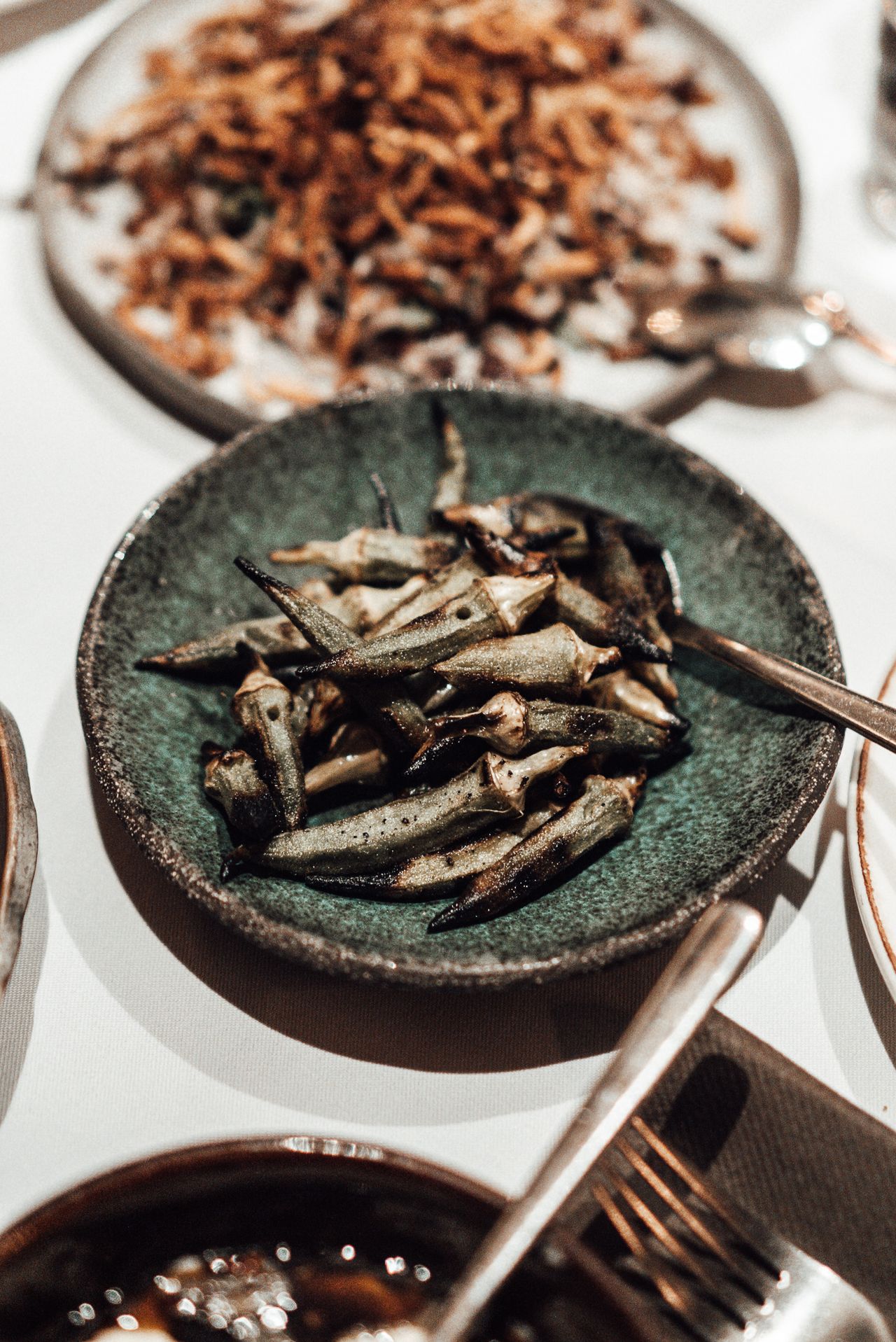
A plate of roasted okra pods

I recently discovered the unique and intriguing vegetable known as okra, and my taste buds were pleasantly surprised. The flavor of okra is often described as mild, with a hint of sweetness and a slightly earthy undertone. Its texture is what truly sets it apart, as it gets crispy when cooked properly. Whether you’re a curious foodie or simply looking to expand your culinary horizons, okra is definitely worth a try!

Okra 1024x768

What Does Okra Taste Like

Okra, also known as lady’s finger, is a versatile and widely used vegetable in many cuisines around the world. As someone who has had the pleasure of trying this unique vegetable, I can attest to its distinct taste. In this article, I will explore the description, texture, flavor profile, variations in taste, cooking methods, and its presence in different cuisines. Additionally, I will delve into its role as a key ingredient, complementary ingredients, popular okra dishes, and personal preferences when it comes to enjoying this vegetable.

Description of Okra

Physical Characteristics

Okra is a green, pod-like vegetable that belongs to the mallow family. It is narrow and elongated, with a ridged exterior. The pods range in size, typically around 3 to 6 inches long, and have a slight taper towards the end. The skin is smooth and can feel slightly fuzzy when touched. Inside the pod, you will find small, edible white seeds surrounded by a gel-like substance.

Cultivation and Harvesting

Okra is cultivated in warm climates and is native to the Abyssinian region of Africa. It is grown in tropical and subtropical regions worldwide, with countries like India, Nigeria, and the United States being the major producers. The pods are harvested when they are young and tender, as they become tougher and more fibrous as they mature.

Texture

Exterior Texture

The exterior texture of okra pods is firm and slightly slimy. The ridges on the pods provide a unique tactile experience when holding them. Although some people may find the sliminess off-putting, it can be reduced through various cooking methods.

Interior Texture

When you bite into a cooked okra pod, you will experience a delightful contrast in texture. The exterior is slightly crunchy, while the interior is soft and silky. The gel-like substance surrounding the seeds adds a pleasant slipperiness to the texture.

Flavor Profile

Primary Flavor

The primary flavor of okra is mild and subtle. It has a delicate and slightly vegetal taste, reminiscent of green beans or asparagus. The flavor is not overpowering, allowing it to blend well with other ingredients in a dish.

Secondary Notes

While the primary flavor of okra is mild, it does have secondary notes that add depth to its taste. When cooked, okra develops a slightly nutty undertone. Additionally, some individuals may detect a slight bitterness, especially in more mature or overcooked okra.

Variations in Taste

Fresh Okra vs. Frozen Okra

Fresh okra generally has a cleaner and brighter taste compared to frozen okra. Freezing can slightly alter the texture and flavor of okra, making it slightly softer and milder. However, frozen okra remains a convenient option when fresh okra is not readily available.

Young Okra vs. Mature Okra

Young okra pods have a tender and delicate flavor, with a subtle sweetness. The texture is more tender and less fibrous compared to more mature pods. Mature okra, on the other hand, develops a stronger taste and can become slightly tougher and more fibrous.

Different Okra Varieties

There are several varieties of okra, each with its own unique taste profile. For example, the red okra variety has a slightly richer and earthier flavor compared to green okra. Similarly, the burgundy okra variety has a deeper, more complex flavor, while the Clemson spineless variety is known for its mild and tender taste.

Cooking Methods and Taste

Boiling

Boiling okra is a common cooking method that helps reduce its natural sliminess. When boiled, okra takes on a softer texture while maintaining a subtle, vegetal taste. Seasoning the cooking liquid with herbs and spices can enhance the overall flavor.

Frying

Frying okra is a popular method that brings out a crispy texture and enhances the vegetable’s flavor. The high heat of frying caramelizes the sugars in okra, resulting in a slightly sweet and nutty taste. The exterior becomes golden brown and crunchy, providing a delightful contrast to the tender interior.

Grilling

Grilling okra imparts a smoky flavor and adds a touch of char to the pods. The heat caramelizes the sugars in okra, creating a slightly sweet taste with a hint of smokiness. The pods retain their crunchy texture while developing a delicious, grilled flavor.

Roasting

Roasting okra in the oven allows it to develop a rich, nutty flavor. The high heat causes the sugars to caramelize, resulting in a slightly sweet taste. The exterior of the pods becomes crisp, while the interior remains tender and juicy.

Stewing

When okra is stewed, it absorbs the flavors of the broth or sauce it is cooked in. The gentle cooking process allows the flavors to meld together, resulting in a rich and savory taste. The texture of the okra becomes soft and velvety, which works well in stews and braised dishes.

Pickling

Pickling okra infuses it with tangy flavors and adds a refreshing twist to its taste. The brine used during pickling can be customized with various herbs, spices, and even a touch of sweetness. The pickling process also helps reduce the sliminess of okra, creating a crunchy and flavorful snack.

Raw Consumption

Raw okra has a crisp texture and a fresh, grassy taste. Some individuals enjoy dipping raw okra into dressings or using it as a crunchy addition in salads. However, raw okra does maintain its natural sliminess, which may not appeal to everyone.

Okra in Different Cuisines

Southern United States

In Southern cuisine, okra is often a key ingredient in dishes like gumbo. It is stewed or cooked in a broth with other ingredients like tomatoes, onions, and various meats. The sliminess of okra helps thicken the gumbo, while the flavor adds depth and complexity.

Indian Cuisine

Okra, or “bhindi” as it is known in India, is a staple vegetable in many Indian households. It is used in a wide range of dishes, from dry stir-fries to luscious curries. Okra is prized for its ability to absorb and enhance the flavors of spices, resulting in delicious and aromatic dishes.

Caribbean Cuisine

In Caribbean cuisine, okra is often used in hearty stews and soups. It is cooked with ingredients like meats, beans, and various vegetables, creating a wholesome and flavorful dish. The sliminess of okra acts as a natural thickening agent, adding body to the stews.

Middle Eastern Cuisine

In Middle Eastern cuisine, okra is commonly used in dishes like bamia, where it is stewed with tomatoes, onions, and spices. The combination of flavors creates a savory and aromatic dish. Okra is also enjoyed roasted or grilled as a side dish or added to vegetarian mezze platters.

African Cuisine

Okra has deep roots in African cuisine and is used in various traditional dishes across the continent. It is often added to soups and stews, lending its unique flavor and enhancing the overall richness of the dish. Okra is also used in popular West African dishes like okra soup and groundnut soup.

Asian Cuisine

In Asian cuisine, okra is commonly used in stir-fries, curries, and noodle dishes. Its mild flavor allows it to pair well with a wide range of ingredients like garlic, ginger, soy sauce, and chili peppers. Okra adds a satisfying texture and subtle taste to Asian dishes.

Okra as a Key Ingredient

Gumbo

Gumbo, a signature dish of Southern cuisine, is a hearty stew that features okra as a key ingredient. Okra’s sliminess acts as a natural thickener, creating a rich and velvety texture. Combined with ingredients like tomatoes, onions, bell peppers, and a variety of meats or seafood, gumbo becomes a flavorful and satisfying meal.

Stews and Curries

Okra is often included in stews and curries around the world. Its ability to absorb flavors and add a delicate taste makes it an ideal addition to these dishes. Whether it’s a spiced Indian curry, a savory African stew, or a Middle Eastern bamia, okra brings its unique qualities to enhance the overall flavor and texture.

Soups

Okra finds its way into many soups, adding both flavor and texture. From classic tomato and okra soup to traditional West African okra soup, these dishes showcase okra’s ability to create a hearty and satisfying soup. The sliminess of okra helps thicken the broth, giving the broth a naturally velvety consistency.

Side Dishes

Okra can shine as a standalone side dish or be combined with other vegetables to create a flavorful medley. Whether it’s roasted okra with spices, pickled okra, or grilled okra with a squeeze of lemon, these side dishes allow the natural flavors of okra to shine through.

Complementary Ingredients

Tomatoes

Tomatoes and okra are a classic pairing in many cuisines. The acidity and juiciness of tomatoes complement the mild flavor of okra, creating a harmonious balance. Whether cooked together in stews or used as a base in a gumbo, the combination of tomatoes and okra adds depth and richness to a dish.

Onions and Garlic

The aromatic qualities of onions and garlic work beautifully with okra. When sautéed or stewed together, they create a flavorful base that enhances the taste of okra. The sweetness of caramelized onions and the pungency of garlic provides a delightful contrast to okra’s gentle flavor.

Spices and Herbs

Okra pairs well with a variety of spices and herbs. From the warmth of cumin and coriander to the heat of chili peppers, these spices bring out the natural flavors of okra. Herbs like thyme, basil, and parsley also work well, adding freshness and complexity to various dishes.

Meat and Seafood

Okra’s mild taste makes it a perfect companion to both meat and seafood. Whether it’s shrimp, chicken, beef, or fish, okra’s subtle flavor allows the main protein to shine. It absorbs the flavors of the meat or seafood it is cooked with, resulting in a cohesive and flavorful dish.

Popular Okra Dishes

Some popular dishes that feature okra as a star ingredient include gumbo, bhindi masala, bamia, and okra soup. These dishes showcase the versatility of okra in different cuisines and highlight its ability to contribute to a diverse range of flavors and textures.

Personal Preferences

Individual Taste Perception

As with any food, personal preferences play a significant role in how one perceives the taste of okra. Some may find its mild flavor and subtle undertones appealing, while others may find it less exciting. It is essential to try okra prepared in various ways to discover what suits your taste buds.

Cooking Techniques

The cooking method used can significantly impact the taste and texture of okra. Some individuals may prefer the crispiness that comes from frying or grilling, while others may enjoy the tenderness of stewed or pickled okra. Exploring different cooking techniques can offer a range of experiences with this vegetable.

Cultural Influences

Cultural influences also shape how okra is enjoyed and appreciated. Growing up with certain culinary traditions may affect how one perceives the taste of okra. Whether it’s the comfort of Southern cuisine or the vibrant spices of Indian dishes, these influences can enhance the overall experience of eating okra.

Okra is a unique vegetable that offers a mild, vegetal taste with delicate undertones. Its texture can range from slightly slimy on the exterior to soft and silky on the inside. Okra’s taste is influenced by factors such as freshness, maturity, and cooking methods. With its versatility, okra is a common ingredient in cuisines around the world, adding depth and complexity to dishes. Whether it’s gumbo in the Southern United States, bhindi masala in Indian cuisine, or bamia in Middle Eastern cuisine, okra brings its own distinct flavor and texture. Personal preferences, cooking techniques, and cultural influences all contribute to one’s perception and enjoyment of okra. So, whether you’re an okra enthusiast or trying it for the first time, I encourage you to explore the diverse tastes and culinary possibilities this vegetable has to offer.

If you enjoyed learning about okra, check out my guides to crawfish, zucchini, and boba.a>

Frequently Asked Questions

What does okra taste like?

Okra has a mild, slightly grassy, vegetal taste with subtle earthy undertones — similar to green beans or eggplant but less sweet. Its flavor is fairly neutral, which is why it’s usually valued more for texture and its ability to thicken dishes than for a strong taste of its own.

Why is okra slimy, and can you avoid it?

Okra releases a mucilage (a soluble fiber) when cut, especially when cooked with moisture, which creates the characteristic sliminess. High-heat, dry cooking methods like roasting, grilling, or frying minimize sliminess, while stewing or boiling tends to maximize it — useful in gumbo, where the slime helps thicken the broth.

What’s the best way to cook okra if you don’t like the texture?

Roast or fry it. Both methods use high, dry heat that crisps the exterior and evaporates much of the moisture that causes sliminess. Cutting okra into larger pieces (or leaving pods whole) and avoiding excess stirring also helps limit the mucilage release.

Is okra good for you?

Yes — okra is low in calories and a good source of fiber, vitamin C, and vitamin K. The same mucilage that causes sliminess is a soluble fiber linked to digestive and blood-sugar benefits.

Filed Under: Food Blog Tagged With: Cooking, Flavor, Okra, Taste, Vegetable

What Does Boba Taste Like

Last Updated August 29, 2023

I’m here to satisfy your curiosity about the delicious world of boba, also known as bubble tea. Join me on this flavorful journey as I explore the mesmerizing taste of boba, those delightful little tapioca pearls that add a burst of chewy delight to your favorite beverages. From their soft, sweet flavor that hints at caramel to their satisfyingly chewy texture, boba adds a unique twist to every sip. So, let’s venture into the realm of boba and discover the wonders that await my taste buds!

Table of Contents

  • What Does Boba Taste Like?
    • Sweet and Chewy
    • Creamy and Rich
    • Mildly Nutty
    • Fruity and Refreshing
    • Tea-like Flavor
    • A Hint of Caramel
    • Satisfyingly Cold and Icy
    • Textures: Gooey and Gelatinous
    • Complementary to Other Flavors

What Does Boba Taste Like?

Boba, also known as bubble tea, is a popular drink that has taken the world by storm. It originated in Taiwan and has quickly become a favorite among people of all ages. But if you’ve never tried boba before, you might be wondering: what does it taste like? Well, let me take you on a flavor journey and describe the delicious experience of sipping on a glass of boba.

Boba Tea 1024x1024

Sweet and Chewy

One of the defining characteristics of boba is its sweetness. The tapioca pearls, which are the star of this beloved beverage, are cooked with sugar syrup, giving them a delightful sweetness that perfectly complements the drink’s base. As you take a sip, the chewy texture and burst of sweetness from the tapioca pearls mix with the other flavors, creating a delightful combination that will keep you coming back for more.

Creamy and Rich

In addition to its sweetness, boba also boasts a creamy and rich taste. This is thanks to the addition of milk or creamer into the drink, which adds a velvety smoothness to each sip. The creaminess enhances the overall flavor profile of boba, making it feel like a decadent treat that you can enjoy at any time of the day.

Mildly Nutty

Another dimension to the flavor of boba comes from its mildly nutty taste. This nuttiness is derived from ingredients such as almond syrup or nut-based milk alternatives like almond milk. The subtle nuttiness adds a delightful depth to the overall flavor, providing a unique twist to the drink that keeps your taste buds intrigued.

Fruity and Refreshing

While boba is often associated with creamy and indulgent flavors, it can also offer a delightful fruity and refreshing experience. Many boba flavors incorporate fruit syrups or fresh fruit chunks, adding a burst of vibrant and juicy goodness to the drink. From classics like strawberry, mango, and lychee, to more exotic options like passion fruit or coconut, the fruity variations of boba are a refreshing alternative that ensures there’s a flavor for everyone’s taste.

Tea-like Flavor

At its core, boba is a tea-based beverage, and this is where it gets its distinct tea-like flavor. The base of the drink is typically made with black tea or green tea, infusing the entire concoction with the comforting taste of brewed leaves. This tea flavor provides a calming and soothing sensation as you enjoy each sip of boba, making it a perfect drink to unwind with after a long day.

A Hint of Caramel

One of the delightful surprises you may encounter while sipping on boba is a hint of caramel. Some boba flavors include caramel syrup, which adds a touch of richness and warmth to the drink. This caramel note enhances the overall flavor profile of boba and gives it a delightful complexity that sets it apart from other beverages.

Satisfyingly Cold and Icy

In addition to its range of flavors, the cold and icy nature of boba adds to its appeal. Whether it’s a hot summer day or you simply crave a refreshing drink, the chilled temperature of boba will leave you feeling revitalized. The coolness of the drink complements its sweet and creamy flavors, making it an irresistible treat that provides a much-needed respite from the heat.

Textures: Gooey and Gelatinous

Beyond the flavors, the unique textures of boba enhance the overall drinking experience. As you take a sip, you’ll encounter the chewy tapioca pearls, which have a gooey and gelatinous consistency. This texture adds a playful element to the drink and makes each sip a delightful surprise for your taste buds.

Complementary to Other Flavors

One of the best things about boba is its ability to complement other flavors. Whether you’re ordering a traditional milk tea or opting for a more adventurous combination like a fruit-flavored boba, the versatility of this drink allows it to pair seamlessly with a wide variety of flavors. This adaptability makes boba a good choice for those who enjoy experimenting with different taste combinations.

In conclusion, boba is a delectable drink that offers a unique flavor experience. From its sweet and chewy tapioca pearls to its creamy and rich base, boba tantalizes the taste buds with its combination of flavors. With its fruity and refreshing variations, nutty undertones, and tea-like essence, boba provides a range of flavors to suit every palate. Its satisfyingly cold and icy nature, coupled with the gooey and gelatinous texture of tapioca pearls, creates a delightful drink that is enjoyed by many. So, the next time you’re craving a flavorful and refreshing beverage, don’t hesitate to give boba a try—you won’t be disappointed!

Please be sure to check out some of my other flavor guides, like okra, crawfish, and zucchini.

Boba Tea Variations and Flavors

Boba tea comes in dozens of flavor combinations, and the drink you get at one shop may taste quite different from another. Understanding the main categories helps you choose — or recreate — your ideal cup.

Classic Milk Tea Boba

The original version combines strong black tea with whole milk or a non-dairy creamer, sweetened to taste and poured over ice. The tea flavour is robust and slightly bitter, which the milk softens into something creamy and mellow. Classic milk tea boba is often described as similar to a sweet, cold iced tea latte.

Fruit Tea Boba

Fruit-based bobas skip the milk entirely. Mango, lychee, passion fruit and strawberry are among the most popular. The base is typically a brewed tea — often green or white — blended with real fruit puree or flavoured syrup. The result is bright, refreshing and tart. The tapioca pearls provide a neutral, chewy contrast to the fruity liquid.

Matcha and Taro Boba

Matcha boba has an earthy, slightly bitter flavour profile that pairs well with sweetened condensed milk. Taro boba is made from the taro root and has a distinctive purple colour with a mildly sweet, nutty flavour often compared to vanilla with a hint of coconut. Both are among the most Instagrammable boba drinks and consistently among the best sellers at most shops.

How to Make Boba at Home

Making boba tea at home is more accessible than it sounds. The main effort goes into cooking the tapioca pearls correctly — everything else comes together quickly.

  • Buy dried tapioca pearls — available at Asian grocery stores and online. Black pearls (coloured with caramel or brown sugar) are the most common.
  • Boil generously — use a large pot with plenty of water. Cook for 15–20 minutes, then turn off the heat and let them sit for another 15 minutes. They should be soft all the way through with a slight chew.
  • Sweeten while warm — toss the cooked pearls in simple syrup or brown sugar syrup immediately. They absorb flavour best when hot.
  • Brew your tea strong — boba tea is served over ice and often with milk, so a weak brew gets diluted quickly. Use twice the normal amount of tea leaves or bags.
  • Assemble in order — pearls first, then ice, then tea, then milk or creamer. Shake or stir well before drinking.

Frequently Asked Questions About Boba

Is boba the same as tapioca pearls?

Yes — “boba” refers to the large chewy tapioca pearls that sit at the bottom of the drink. The term is sometimes used to describe the whole drink (boba tea or bubble tea), but technically boba is the pearl itself.

Does boba taste like anything on its own?

Plain tapioca pearls have very little flavour — they are almost neutral, slightly starchy, and faintly sweet. Their main contribution is texture. When cooked in brown sugar syrup, they develop a deeper, molasses-like sweetness.

Is boba tea healthy?

Boba tea is a treat rather than a health drink. A standard serving can contain 300–500 calories, most of it from sugar and the tapioca pearls. If you want a lighter version, ask for 25–50% sweetness and swap full-fat milk for almond or oat milk. Fruit tea bases without milk are also a lower-calorie option.

Boba Tea Variations and Flavors

Boba tea comes in dozens of flavor combinations, and the drink you get at one shop may taste quite different from another. Understanding the main categories helps you choose — or recreate — your ideal cup.

Classic Milk Tea Boba

The original version combines strong black tea with whole milk or a non-dairy creamer, sweetened to taste and poured over ice. The tea flavour is robust and slightly bitter, which the milk softens into something creamy and mellow. Classic milk tea boba is often described as similar to a sweet, cold iced tea latte.

Fruit Tea Boba

Fruit-based bobas skip the milk entirely. Mango, lychee, passion fruit and strawberry are among the most popular. The base is typically a brewed tea — often green or white — blended with real fruit puree or flavoured syrup. The result is bright, refreshing and tart. The tapioca pearls provide a neutral, chewy contrast to the fruity liquid.

Matcha and Taro Boba

Matcha boba has an earthy, slightly bitter flavour profile that pairs well with sweetened condensed milk. Taro boba is made from the taro root and has a distinctive purple colour with a mildly sweet, nutty flavour often compared to vanilla with a hint of coconut. Both are among the most Instagrammable boba drinks and consistently among the best sellers at most shops.

How to Make Boba at Home

Making boba tea at home is more accessible than it sounds. The main effort goes into cooking the tapioca pearls correctly — everything else comes together quickly.

  • Buy dried tapioca pearls — available at Asian grocery stores and online. Black pearls (coloured with caramel or brown sugar) are the most common.
  • Boil generously — use a large pot with plenty of water. Cook for 15–20 minutes, then turn off the heat and let them sit for another 15 minutes. They should be soft all the way through with a slight chew.
  • Sweeten while warm — toss the cooked pearls in simple syrup or brown sugar syrup immediately. They absorb flavour best when hot.
  • Brew your tea strong — boba tea is served over ice and often with milk, so a weak brew gets diluted quickly. Use twice the normal amount of tea leaves or bags.
  • Assemble in order — pearls first, then ice, then tea, then milk or creamer. Shake or stir well before drinking.

Frequently Asked Questions About Boba

Is boba the same as tapioca pearls?

Yes — “boba” refers to the large chewy tapioca pearls that sit at the bottom of the drink. The term is sometimes used to describe the whole drink (boba tea or bubble tea), but technically boba is the pearl itself.

Does boba taste like anything on its own?

Plain tapioca pearls have very little flavour — they are almost neutral, slightly starchy, and faintly sweet. Their main contribution is texture. When cooked in brown sugar syrup, they develop a deeper, molasses-like sweetness.

Is boba tea healthy?

Boba tea is a treat rather than a health drink. A standard serving can contain 300–500 calories, most of it from sugar and the tapioca pearls. If you want a lighter version, ask for 25–50% sweetness and swap full-fat milk for almond or oat milk. Fruit tea bases without milk are also a lower-calorie option.

Exploring more unfamiliar flavors? See my guide to what jackfruit tastes like.

If it is the spiced side of the drinks menu you are curious about rather than the tapioca, see what does chai taste like.

Filed Under: Food Blog Tagged With: Beverage, Boba, Flavor, Taste, Tea

What Does Miso Taste Like?

Last Updated August 29, 2023

Have you ever wondered what miso tastes like? Miso, a traditional Japanese condiment, is known for its complex and distinct flavor. This article will explore the unique taste of miso, describing its savory and umami notes, its underlying sweetness, and the various types of miso available. Whether you’re a culinary enthusiast or simply curious about Japanese cuisine, read on to discover the delightful taste of miso.

Miso Soup 1024x683

What Does Miso Taste Like

Miso, a traditional Japanese staple, is a versatile and flavorful ingredient that adds depth and complexity to a variety of dishes. Its unique taste profile combines the rich and savory notes of umami with hints of sweetness and a distinct earthiness. Miso’s taste is highly influenced by its fermentation process, resulting in a rich and complex flavor that can vary depending on the type and fermentation length. Let’s explore the different elements that contribute to the taste of miso and how it can be paired with other ingredients to create delicious and balanced dishes.

Overview of Miso

Definition and Origin

Miso is a fermented paste made primarily from soybeans, koji (a type of mold), and salt. It originated in Japan and has been an integral part of Japanese cuisine for centuries. The process of making miso involves fermenting the ingredients for a certain period, which ranges from a few months to several years, depending on the desired flavor profile.

Traditional Japanese Staple

Miso is deeply rooted in Japanese culinary traditions and is considered a staple in Japanese households. It is commonly used as a base for soups, marinades, and glazes, but its versatility allows it to be used in a wide range of dishes.

Varieties and Fermentation Length

There are different types of miso available, ranging from lighter and sweeter varieties to darker and more robust options. The fermentation length also contributes to the flavor of miso, with shorter fermentation yielding milder tastes and longer fermentation resulting in deeper, more complex flavors.

Umami Flavor

Distinctive Taste Profile

One of the key characteristics of miso is its intense umami flavor. Umami is often described as the “fifth taste” and is known for its savory and meaty quality. Miso’s umami taste provides a satisfying richness to dishes and adds a layer of complexity that elevates the overall flavor profile.

Richness and Savoriness

The umami flavor in miso sets it apart from other condiments and ingredients. It has a deep and robust savoriness that brings out the flavors of other ingredients in a dish. When added to soups or sauces, miso enhances the overall taste, making it more satisfying and enjoyable.

Enhances Other Flavors

Miso’s umami flavor not only stands on its own but also has the ability to enhance the taste of other ingredients. It acts as a natural flavor enhancer, making dishes more vibrant and balanced. Miso pairs particularly well with ingredients that have strong flavors, such as mushrooms, seafood, and grilled meats.

Salty Profile

Sodium Content

Miso has a notable salty profile due to its high sodium content. The saltiness is an essential aspect of miso’s taste, adding a savory edge to dishes. However, it is important to be mindful of the sodium levels in miso, especially for individuals on a low-sodium diet.

Saltiness Levels

Miso comes in different levels of saltiness, allowing for flexibility in recipes. Lighter miso varieties tend to have a milder saltiness, while darker miso options can be saltier. By adjusting the amount of miso used in a dish, the level of saltiness can be controlled to suit personal preferences.

Balancing Saltiness in Dishes

When using miso in cooking, it is essential to balance its saltiness with other flavors to create a harmonious and well-rounded dish. The addition of ingredients like sugar or mirin (sweet rice wine) can help counterbalance the saltiness and bring out the other flavors present in the dish.

Sweet Notes

Natural Sweetness

In addition to its umami and salty flavors, miso also possesses a natural sweetness. This sweetness is a result of the fermentation process, which breaks down complex carbohydrates into simpler sugars. The level of sweetness can vary depending on the type and fermentation length of the miso.

Balance with Salty and Umami Flavors

The sweetness in miso acts as a counterpoint to its saltiness and umami flavors, contributing to a well-balanced taste. When used in moderation, the sweetness adds depth and complexity to a dish, enhancing the overall flavor experience.

Influenced by Fermentation

The fermentation process plays a crucial role in developing the sweet notes in miso. As the carbohydrates break down, the natural sugars are released, contributing to the sweetness. The longer the fermentation process, the more pronounced the sweetness becomes.

Fermented and Earthy

Fermentation Process

The fermentation process is the key to the distinctive taste of miso. It involves the cultivation and growth of koji, a type of mold, on cooked soybeans and other grains. The koji breaks down the carbohydrates in the ingredients, producing various compounds that contribute to miso’s unique flavor.

Microbial Activity

During fermentation, a range of microbial activity takes place, including the production of enzymes and the breakdown of proteins and carbohydrates. These processes result in the development of complex flavors and aromas, giving miso its characteristic earthy and nutty undertones.

Earthy and Nutty Undertones

Miso’s fermentation process gives it an earthy and nutty taste that adds depth to dishes. The combination of koji and soybeans creates a distinct flavor profile that is both comforting and satisfying. The nutty undertones complement the umami and sweet flavors, resulting in a complex and multi-dimensional taste.

Factors Affecting Fermentation

Several factors can influence the fermentation process and, consequently, the taste of miso. Temperature, humidity, the type of koji used, and the duration of fermentation all shape the final flavor profile. These variables are carefully considered by miso makers to achieve the desired taste and quality.

Rich and Complex

Depth of Flavor

Miso’s taste is characterized by its rich and complex flavor profile. The combination of umami, saltiness, sweetness, and earthiness creates a depth that adds dimension to dishes. This complexity makes miso a versatile ingredient that can be used in a wide range of recipes.

Layers of Complexity

The fermentation process of miso builds layers of complexity in its taste. As the ingredients break down and undergo chemical transformations, new flavors and aromas develop, contributing to the overall depth and complexity. Each spoonful of miso reveals different facets of flavor, making it an intriguing and enjoyable culinary experience.

Intertwining Tastes

Miso’s taste is not just a collection of individual flavors but a harmonious interplay of umami, saltiness, sweetness, and earthiness. These tastes meld together, intertwining and complementing each other to create a well-balanced and satisfying palate.

Variations in Taste

Color and Flavor Intensity

Miso comes in various colors, ranging from light yellow or white to deep red or brown. The color of miso directly influences its flavor intensity. Lighter misos tend to have a milder and sweeter taste, while darker varieties are more robust and savory.

Light vs. Dark Miso

The choice between light and dark miso depends on the desired taste profile for a particular dish. Light miso works well in delicate soups and dressings, adding subtle flavors. Dark miso, on the other hand, imparts a stronger taste and pairs excellently with heartier ingredients like root vegetables or meats.

Soybean vs. Rice Miso

Miso can be made from different base ingredients, with soybeans and rice being the most common. Soybean miso has a rich and full-bodied flavor, while rice miso tends to be milder and slightly sweeter. Each type of miso offers its own distinct taste and can be used creatively in various recipes.

Different Types of Miso

White Miso

White miso, also known as shiro miso, is the mildest and sweetest type of miso. It has a pale yellow color, a smooth texture, and a delicate umami flavor. White miso works well in light soups, dressings, and glazes, adding subtle sweetness and complexity.

Yellow Miso

Yellow miso, or shinshu miso, falls in the middle of the miso spectrum. It has a balanced taste, with a slightly stronger flavor than white miso. Yellow miso is often used in a variety of dishes, including stews, marinades, and salads, bringing depth and richness to the flavors.

Red Miso

Red miso, or aka miso, has a deep reddish-brown color and a more pronounced flavor. It is fermented for a longer time, resulting in a robust and savory taste. Red miso is commonly used in heartier dishes such as miso soup, braises, and glazes, where its boldness can shine.

Black Miso

Black miso, or kuro miso, is the darkest and strongest of the miso varieties. It undergoes an even longer fermentation process than red miso, intensifying its flavor and complexity. Black miso is often used sparingly due to its potency and is prized for its ability to add depth to dishes like ramen broth or stir-fry sauces.

Miso in Different Cuisines

Miso has transcended its Japanese origins and has found a place in various cuisines around the world. Its unique taste and versatility make it a sought-after ingredient for chefs and home cooks alike. In addition to Japanese dishes, miso can be found in fusion recipes, such as miso-glazed salmon or miso-infused salad dressings, adding a touch of umami and complexity.

Pairing Miso with Other Ingredients

Vegetables and Tofu

Miso pairs exceptionally well with a wide range of vegetables, enhancing their natural flavors. It adds depth to stir-fried vegetables, brings richness to roasted root vegetables, and balances the lightness of steamed greens. Tofu also benefits from the umami and savory qualities of miso, creating a harmonious combination of tastes and textures.

Seafood and Fish

The umami-rich taste of miso complements seafood and fish beautifully. Miso glazes or marinades can enhance the flavors of grilled salmon or cod, creating a caramelized and savory crust. Miso also adds complexity to seafood soups and stews, creating a delicious balance of flavors.

Meat and Poultry

Miso can be used to create succulent and flavorful meat and poultry dishes. It can be used as a marinade for chicken, beef, or pork, adding a rich umami taste. Miso also works well in braises and slow-cooked dishes, tenderizing the meat and infusing it with its distinct flavors.

Noodles and Rice

Miso can transform simple noodle or rice dishes into hearty and satisfying meals. Miso-based broths bring depth to noodle soups like ramen or udon, while miso paste can be used to season fried rice or stir-fried noodles, elevating their flavors. The versatility of miso makes it a solid addition to any Asian-inspired dish featuring noodles or rice.

Sesame, Ginger, and Scallions

To enhance the taste of miso-based dishes, ingredients like sesame, ginger, and scallions can be added. These flavors complement miso’s savory and earthy notes, creating a harmonious combination. Whether added as garnishes or incorporated into the recipe, these ingredients accentuate the flavors of miso and add an extra layer of complexity.

In conclusion, miso is a versatile ingredient with a distinct taste profile. Its umami flavor, salty profile, sweet notes, fermented and earthy undertones, and rich complexity make it a valuable addition to a wide range of dishes. By understanding the various types of miso, its fermentation process, and how to balance its flavors, one can fully explore the possibilities of this remarkable ingredient. Whether used in traditional Japanese recipes or creatively incorporated into other cuisines, miso adds a salty, savory depth that most Western pantries have no equivalent for.

Exploring more unfamiliar flavors? See my guides to what jackfruit tastes like and what boba tastes like, and what crawfish tastes like.

Filed Under: Food Blog Tagged With: Flavor, Miso, Savory, Taste, Umami

What Does Quinoa Taste Like?

Last Updated August 29, 2023

Hello there! Have you ever wondered what quinoa tastes like? Well, I’m here to satisfy your curiosity. Quinoa, a trendy superfood, is known for its nutritional benefits and versatility in cooking. But what about its taste? In this article, I’ll provide you with a flavorful description of what quinoa tastes like, so you’ll know exactly what to expect when you take that first bite. So, let’s embark on this delightful culinary exploration together!

What Does Quinoa Taste Like

Appearance

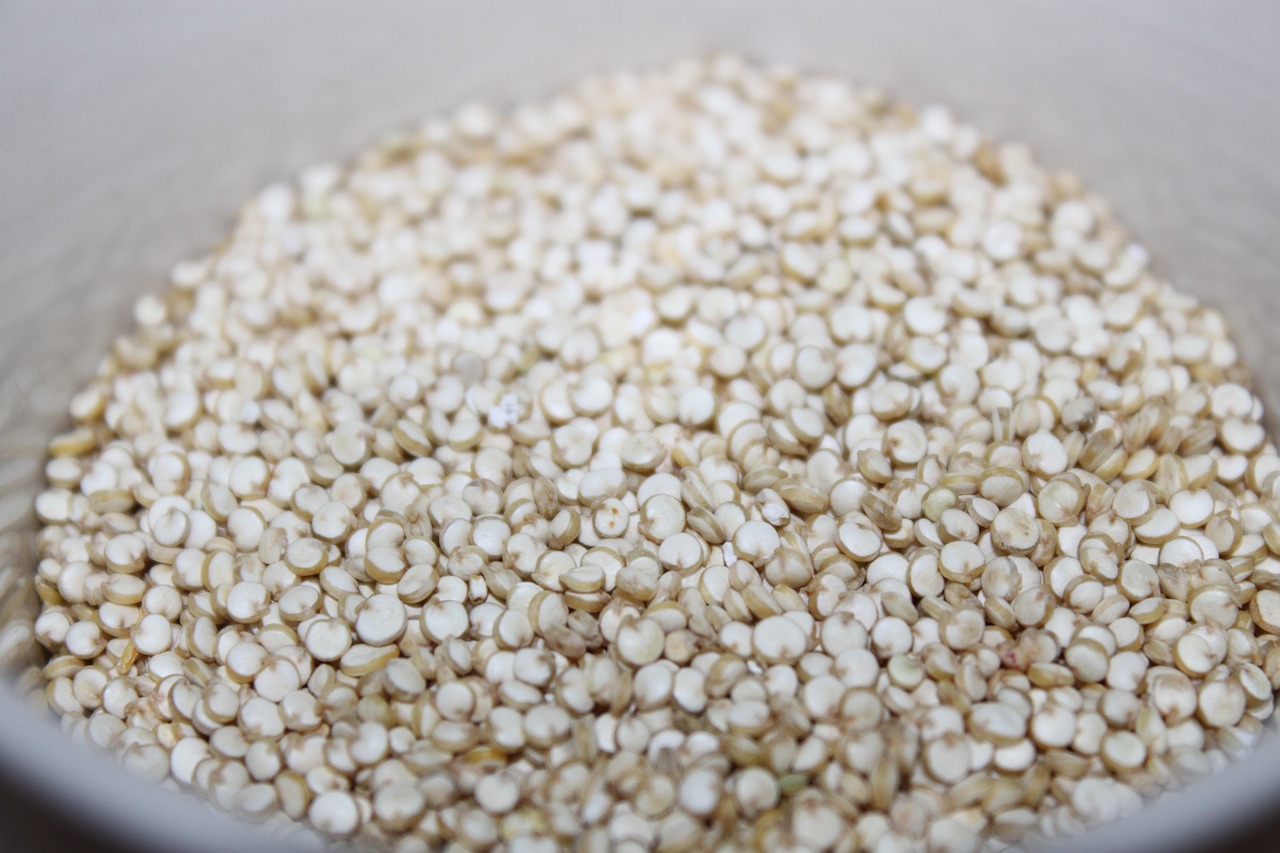
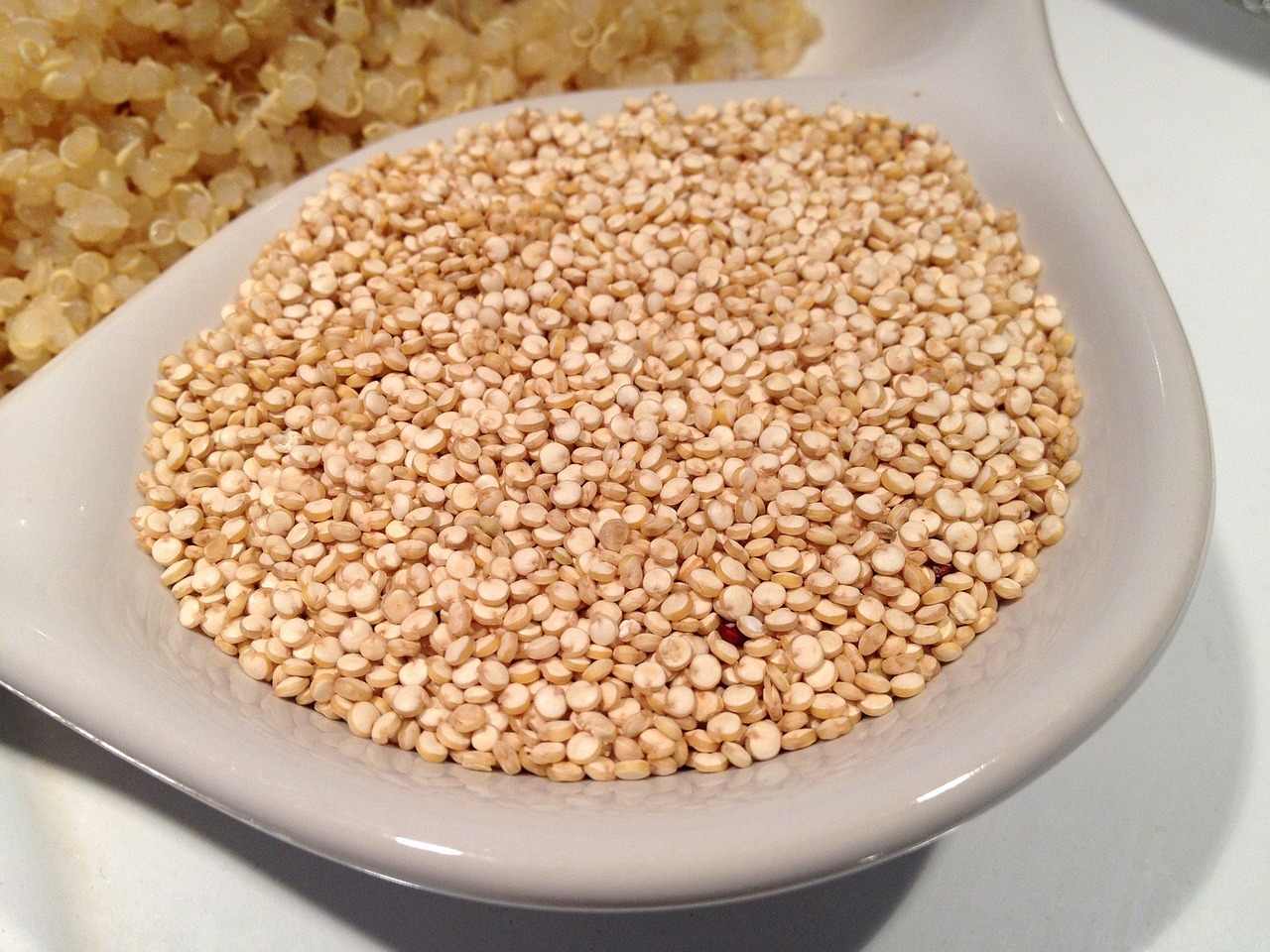
Quinoa, also known as the “mother grain,” boasts a beautiful appearance that is both eye-catching and enticing. It comes in a variety of colors, including white, red, and black. The different hues add a unique aesthetic to dishes, making them visually appealing and vibrant. Whether it’s the creamy white quinoa, the rich red variety, or the deep and intense black quinoa, each color adds its own distinct touch to meals.

Color

White quinoa, the most common variety, has a pale, ivory-colored appearance. It blends seamlessly into various recipes and is a popular choice for its versatility. Red quinoa, on the other hand, has a deeper and bolder hue, adding a pop of color to any dish. Lastly, black quinoa offers a striking visual contrast with its rich dark color, making it an excellent choice for adding visual interest to salads and side dishes.

Texture

One of the defining characteristics of quinoa is its unique texture. When cooked, quinoa has a soft yet slightly chewy texture that adds a delightful element to any recipe. This texture is incredibly versatile and can be adjusted to suit individual preferences. Whether you prefer a softer or chewier texture, quinoa can accommodate both.

Flavor

Quinoa possesses a mild, nutty flavor that has made it highly sought after in the culinary world. The nutty undertones add depth and richness to dishes, enhancing the overall taste. Additionally, quinoa has a subtle earthy flavor that adds a touch of natural goodness to any recipe. This combination of flavors creates a harmonious balance that complements a wide array of ingredients, making quinoa a versatile and delicious ingredient.

Nutty

The nutty flavor of quinoa is one of its most distinctive qualities. This delicious taste profile adds a pleasant richness to dishes, particularly when combined with various herbs and spices. The nutty undertones are not overpowering but rather provide a subtle hint that lingers on the palate, leaving a delightful aftertaste.

Earthy

Quinoa’s earthy flavor is akin to the taste of the land it grows in. This natural, earthy essence is reminiscent of the fertile soil it originates from, adding a grounded and wholesome note to dishes. The earthiness is intriguing without being overpowering, allowing the other flavors in a recipe to shine through while providing a solid foundation for the overall taste.

Mild

While quinoa possesses distinct flavors, they are relatively mild, making it a suitable ingredient to use in various culinary creations. The mildness allows quinoa to act as a canvas for other flavors, effortlessly blending and enhancing the overall taste of a dish. This versatility makes it an excellent choice for both sweet and savory recipes.

Slightly Bitter

Quinoa does have a hint of bitterness, although it is very subtle and often barely noticeable. This slight bitterness adds complexity to the overall flavor profile. It acts as a delightful counterbalance to the nutty and earthy undertones, creating a multi-dimensional taste experience.

Aroma

Quinoa has a mild, almost neutral aroma that does not overpower the senses. Its subtle fragrance may remind you of freshly harvested grains, with a hint of grassiness. This delicate aroma is not intrusive but provides a pleasant background note that adds to the overall sensory experience of cooking and eating quinoa-infused dishes.

Mild

The mild aroma of quinoa reflects its overall flavor profile. Just as its taste is not overpowering, neither is its fragrance. This attribute allows the other aromatic ingredients in a recipe to shine through, ensuring a harmonious blend of scents without any one element dominating.

Grassy

The slight grassy aroma of quinoa offers a touch of freshness reminiscent of the outdoors. This subtle fragrance adds a natural element to dishes, elevating them to new levels of olfactory delight. The grassy notes are delicate and pleasant, adding a refreshing undertone to the overall aroma.

Mouthfeel

Quinoa’s mouthfeel is a delightful blend of textures that adds dimension to any dish it is included in. The cooked quinoa is soft, yet it retains a subtle chewiness that contributes to a satisfying eating experience. Additionally, quinoa has a slight crunchiness, which adds an enjoyable contrast to dishes where it is used.

What Does Quinoa Taste Like

Chewy

The chewiness of quinoa is one of its defining characteristics. When cooked, the individual quinoa grains remain intact and offer a pleasant resistance when bitten into. This chewiness provides a satisfying texture that allows you to truly savor each bite, making quinoa a versatile addition to a variety of dishes, from salads to stir-fries.

Soft

Aside from its chewiness, quinoa also has a soft texture. When cooked properly, the quinoa grains become tender without being mushy, allowing them to blend seamlessly with other ingredients. The softness of quinoa is highly desirable, especially when it comes to creating dishes with a pleasing mouthfeel.

Slightly Crunchy

While quinoa is known for its soft and chewy texture, it also possesses a subtle crunchiness. This slight crunch adds a layer of interest to dishes, providing a textural contrast that keeps every bite exciting. Whether used in salads or as an accompaniment to main dishes, the slight crunch of quinoa elevates the overall eating experience.

Cooking Methods

Quinoa is incredibly versatile when it comes to cooking methods. It can be prepared using various techniques, each resulting in a slightly different texture and taste experience. The most commonly used cooking methods for quinoa include boiling, steaming, and baking.

Boiling

Boiling quinoa is a simple and straightforward method that yields great results. To prepare quinoa using this method, rinse it thoroughly to remove any bitterness, then add it to a pot of boiling water. Cook the quinoa until it is tender with a slight crunchiness, usually around 15-20 minutes. Once cooked, drain any excess liquid and fluff the quinoa with a fork. Boiled quinoa works in salads, stir-fries, and as a side dish.

Steaming

Steaming quinoa is another popular method that produces a fluffy and light texture. To steam quinoa, rinse it well and add it to a steamer basket. Place the basket over a pot of simmering water and cover it, allowing the quinoa to steam for around 15-20 minutes. Once cooked, remove the quinoa from the steamer basket and fluff it with a fork. Steamed quinoa is excellent for pilafs, casseroles, and as a base for various toppings.

Baking

Baking quinoa is a unique method that yields a slightly crispy and crunchy texture. To bake quinoa, spread it evenly on a baking sheet and place it in a preheated oven. Bake at a low temperature, around 300°F (150°C), for about 25-30 minutes, or until the quinoa is golden and crispy. Baked quinoa can be used as a crunchy topping for salads, soups, or even enjoyed as a snack on its own.

Seasoning and Pairings

Quinoa’s mild yet versatile flavor creates a blank canvas for a wide range of seasonings and pairings. Its neutral taste allows it to adapt to various cuisines and ingredients. Here are some popular seasonings and pairings that complement quinoa perfectly:

Herbs and Spices

Herbs and spices are excellent additions to quinoa, enhancing its flavor and adding depth to dishes. Popular choices include fresh herbs like parsley, cilantro, basil, and mint, as well as spices such as cumin, paprika, turmeric, and garlic powder. The selection of herbs and spices can be tailored to suit different recipes and personal preferences, offering countless possibilities for creating flavorful and aromatic quinoa dishes.

Citrus

The bright and zesty flavors of citrus fruits can bring out the best in quinoa. Adding a squeeze of lemon, lime, or orange juice to cooked quinoa lends a refreshing tanginess that balances its mild nutty taste. Additionally, citrus zest adds a delightful aromatic element to dishes, enhancing the overall sensory experience.

Nuts and Seeds

Nuts and seeds are a match made in heaven when it comes to quinoa. The combination of quinoa’s nutty flavor and the crunchiness of nuts and seeds adds a delightful texture and taste contrast. Almonds, walnuts, pumpkin seeds, and sesame seeds are popular choices to pair with quinoa, offering an extra layer of richness and nutritional goodness.

Vegetables

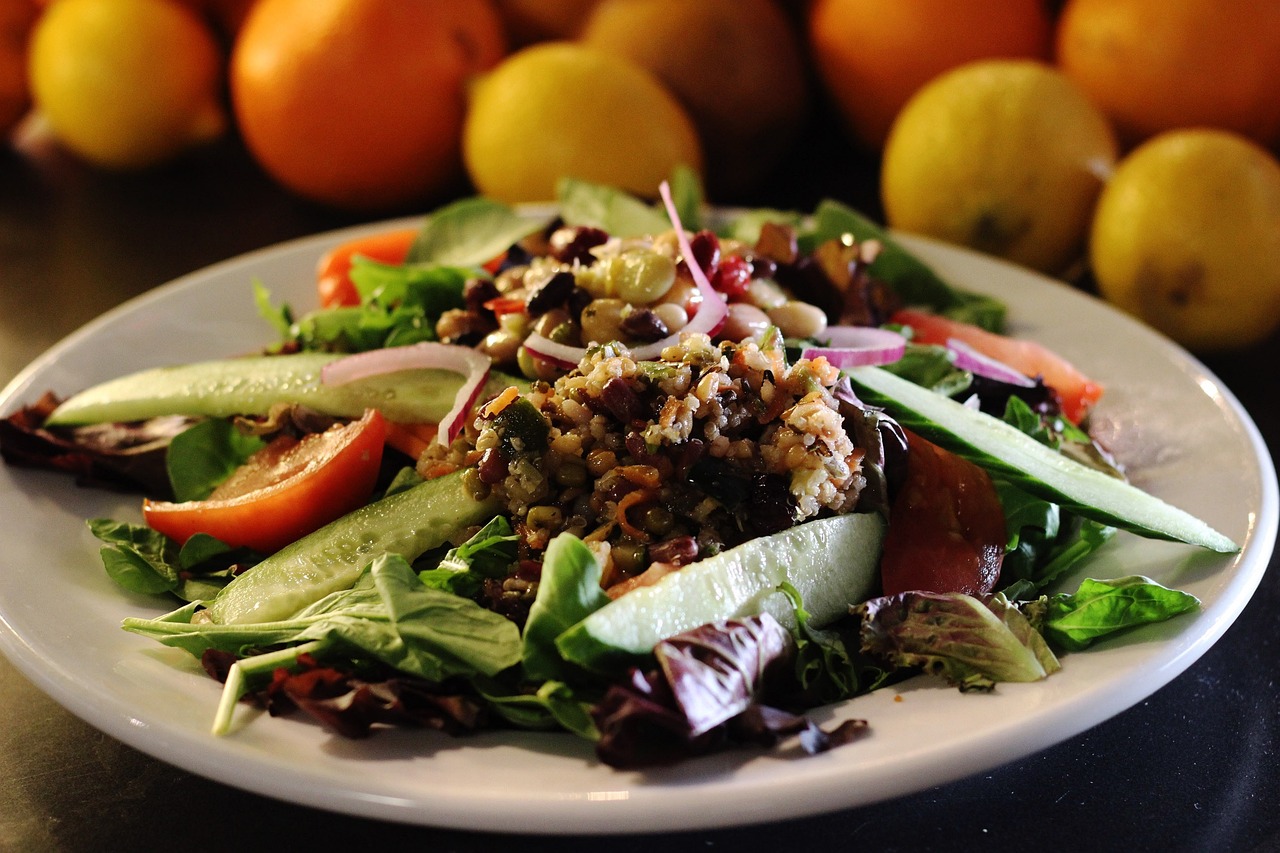
Quinoa pairs exceptionally well with a wide variety of vegetables, offering a balanced and nutritious meal. Popular vegetable pairings include roasted or sautéed bell peppers, zucchini, eggplant, cherry tomatoes, kale, spinach, and mushrooms. These vegetables provide color, texture, and flavors that complement quinoa perfectly, creating a harmonious and satisfying dish.

What Does Quinoa Taste Like

Cultural Significance

Quinoa holds significant cultural importance, particularly in Andean cuisine, which refers to the traditional foods and culinary practices of the Andean region in South America. The indigenous people of the Andes have been cultivating and consuming quinoa for thousands of years, considering it a staple and sacred crop.

Andean Cuisine

In Andean cuisine, quinoa is a fundamental ingredient that appears in a wide range of dishes. It features prominently in traditional recipes, such as quinoa soup (sopa de quinua), quinoa salads, quinoa stews (chairo), and even desserts like quinoa pudding. Quinoa’s cultural significance in Andean cuisine showcases its versatility and deep-rooted connection to the region’s culinary identity.

Vegetarian and Vegan Diets

Quinoa has gained immense popularity among vegetarian and vegan diets due to its exceptional nutritional profile. As a plant-based complete protein source, it provides essential amino acids that are typically found in animal products. This makes quinoa an excellent alternative for those following a vegetarian or vegan lifestyle, as it offers a wholesome dietary option.

Pseudocereal

Quinoa is often referred to as a pseudocereal because although it is used and consumed like a grain, it does not belong to the grass family. Botanically speaking, quinoa is related to spinach and beets, making it a unique and versatile ingredient. This classification sets quinoa apart from true cereals like wheat, oats, and corn, making it an exciting addition to any diet.

Health Benefits

Quinoa is not only known for its delicious taste and cultural significance but also for its remarkable health benefits. This superfood boasts an impressive nutritional profile that makes it a valuable addition to a well-balanced diet.

Protein Source

Quinoa is an exceptional source of plant-based protein and is considered a complete protein. This means it provides all nine essential amino acids necessary for the body’s growth and repair. With approximately 8 grams of protein per cooked cup, quinoa is an excellent option for individuals looking to increase their protein intake, including vegetarians, vegans, and those following a plant-based diet.

High in Fiber

Quinoa is rich in dietary fiber, with approximately 5 grams per cooked cup. Fiber is essential for maintaining a healthy digestive system and preventing constipation. Additionally, a high-fiber diet can help control blood sugar levels, reduce cholesterol levels, and promote a feeling of fullness, making it easier to manage weight.

Gluten-Free

Quinoa is naturally gluten-free, making it an ideal grain alternative for those with celiac disease, gluten intolerance, or a preference for gluten-free options. This makes quinoa a versatile ingredient that can be enjoyed in various recipes, from salads and sides to main courses and desserts.

Rich in Minerals

Quinoa is a mineral powerhouse, packed with essential nutrients that promote optimal health. It is a significant source of magnesium, iron, phosphorus, manganese, and copper. These minerals play vital roles in various bodily functions, including energy production, bone health, immune system support, and red blood cell formation.

Quinoa Varieties

Quinoa comes in various colors, each offering its own taste, texture, and appearance. Here are some popular quinoa varieties:

White Quinoa

White quinoa is the most common and readily available variety. It has a mild flavor and a slightly fluffy texture when cooked. White quinoa pairs well with a wide range of ingredients and is versatile enough to be used in both sweet and savory dishes.

Red Quinoa

Red quinoa has a richer flavor compared to white quinoa and retains its shape better when cooked. It offers a slightly firmer texture and a nuttier profile. Red quinoa’s vibrant color adds visual interest to dishes, making it an attractive choice for salads and grain bowls.

Black Quinoa

Black quinoa has a striking appearance and a slightly sweeter and earthier taste. It retains its shape and texture when cooked, making it an excellent choice for dishes that call for a visually appealing contrast. Black quinoa is highly nutritious, just like its white and red counterparts, and offers a delightful culinary experience.

Quinoa as a Substitute

Quinoa’s versatility extends beyond its nutritional value and culinary applications. It can also be used as a substitute for other grains and cereals, providing a healthier and more nutrient-dense alternative in various recipes.

Rice

Quinoa can be used as a substitute for rice in many dishes. Its similar texture and ability to absorb flavors make it an excellent choice for creating pilafs, stir-fries, and various rice-based dishes. Quinoa’s nutritional benefits, including its higher protein and fiber content, offer a nutritious twist to familiar rice-based recipes.

Couscous

Quinoa can be substituted for couscous to create a gluten-free alternative. The slight crunchiness and nutty flavor of quinoa provide a unique twist to traditional couscous dishes. This substitution is especially beneficial for individuals with gluten intolerances or those looking for a higher protein and fiber content in their meals.

Oats

For those looking for a gluten-free alternative to oats, quinoa can be a solid substitute. Quinoa flakes, which are made by rolling and flattening the grains, can be used to make a variety of oat-based dishes such as porridge, granola bars, and cookies. They offer a similar texture and can be flavored with various spices, fruits, and sweeteners to create a delicious and nutritious breakfast or snack option.

In conclusion, quinoa is a versatile and nutritious ingredient that has gained immense popularity worldwide. Its appearance, flavor, aroma, and mouthfeel make it an excellent addition to a wide variety of dishes. Whether you’re looking for a mild and nutty taste, a slightly chewy texture, or a gluten-free alternative for grains and cereals, quinoa has something to offer. Its cultural significance, health benefits, and wide range of applications make quinoa a true superstar in the culinary world. So go ahead, explore the endless possibilities of quinoa and elevate your meals to new heights of flavor and nutrition.

Please be sure to check out some of my other articles that explore exotic cuisines like Moose, Elk, Whale and Deer.

Filed Under: Food Blog Tagged With: food, Grain, Quinoa, Taste

  • « Go to Previous Page
  • Page 1
  • Page 2
  • Page 3
  • Page 4
  • Page 5
  • Go to Next Page »

Recent Articles

  • Egg Cooker vs Boiling, Instant Pot and Air Fryer: Which Peels Easiest?
  • Cuisinart DLC-10SYP1 Review: Durable, But a Newer Bowl
  • COSORI Pro Gen 2 Review: Big Basket, Fragile Handle
  • Dash Tasti-Crisp Review: Cheap, but the Coating Wears Fast
  • Chefman TurboFry Touch Review: Cheap, but the Coating Wears

Search


HOME          Contact          Affiliate Disclosure          Terms of Service          Privacy Policy


kitchenwarecompare.com is a participant in the Amazon Services LLC Associates Program, an affiliate advertising program designed to provide a means for sites to earn advertising fees by advertising and linking to Amazon.com, Endless.com, MYHABIT.com, SmallParts.com, or AmazonWireless.com. Amazon, the Amazon logo, AmazonSupply, and the AmazonSupply logo are trademarks of Amazon.com, Inc. or its affiliates. As an Amazon Associate I earn from qualifying purchases.


Copyright © 2026 kitchenwarecompare.com, ALL RIGHTS RESERVED.