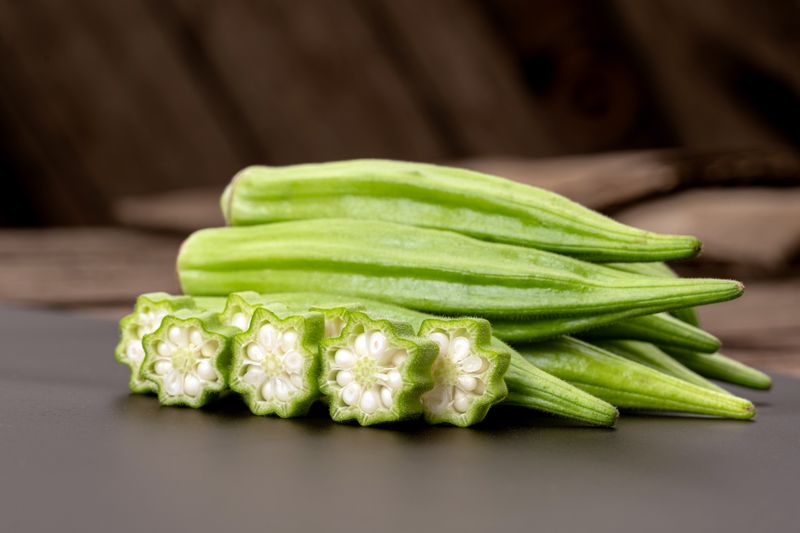
I recently discovered the unique and intriguing vegetable known as okra, and my taste buds were pleasantly surprised. The flavor of okra is often described as mild, with a hint of sweetness and a slightly earthy undertone. Its texture is what truly sets it apart, as it gets crispy when cooked properly. Whether you’re a curious foodie or simply looking to expand your culinary horizons, okra is definitely worth a try!

What Does Okra Taste Like
Okra, also known as lady’s finger, is a widely used vegetable in many cuisines around the world. As someone who has had the pleasure of trying this unique vegetable, I can attest to its distinct taste. In this article, I will explore the description, texture, flavor profile, variations in taste, cooking methods, and its presence in different cuisines. Additionally, I will delve into its role as a key ingredient, complementary ingredients, popular okra dishes, and personal preferences when it comes to enjoying this vegetable.
Description of Okra
Physical Characteristics
Okra is a green, pod-like vegetable that belongs to the mallow family. It is narrow and elongated, with a ridged exterior. The pods range in size, typically around 3 to 6 inches long, and have a slight taper towards the end. The skin is smooth and can feel slightly fuzzy when touched. Inside the pod, you will find small, edible white seeds surrounded by a gel-like substance.
Cultivation and Harvesting
Okra is cultivated in warm climates and is native to the Abyssinian region of Africa. It is grown in tropical and subtropical regions worldwide, with countries like India, Nigeria, and the United States being the major producers. The pods are harvested when they are young and tender, as they become tougher and more fibrous as they mature.
Texture
Exterior Texture
The exterior texture of okra pods is firm and slightly slimy. The ridges on the pods provide a unique tactile experience when holding them. Although some people may find the sliminess off-putting, it can be reduced through various cooking methods.
Interior Texture
When you bite into a cooked okra pod, you will experience a delightful contrast in texture. The exterior is slightly crunchy, while the interior is soft and silky. The gel-like substance surrounding the seeds adds a pleasant slipperiness to the texture.
Flavor Profile
Primary Flavor
The primary flavor of okra is mild and subtle. It has a delicate and slightly vegetal taste, reminiscent of green beans or asparagus. The flavor is not overpowering, allowing it to blend well with other ingredients in a dish.
Secondary Notes
While the primary flavor of okra is mild, it does have secondary notes that add depth to its taste. When cooked, okra develops a slightly nutty undertone. Additionally, some individuals may detect a slight bitterness, especially in more mature or overcooked okra.
Variations in Taste
Fresh Okra vs. Frozen Okra
Fresh okra generally has a cleaner and brighter taste compared to frozen okra. Freezing can slightly alter the texture and flavor of okra, making it slightly softer and milder. However, frozen okra remains a convenient option when fresh okra is not readily available.
Young Okra vs. Mature Okra
Young okra pods have a tender and delicate flavor, with a subtle sweetness. The texture is more tender and less fibrous compared to more mature pods. Mature okra, on the other hand, develops a stronger taste and can become slightly tougher and more fibrous.
Different Okra Varieties
There are several varieties of okra, each with its own unique taste profile. For example, the red okra variety has a slightly richer and earthier flavor compared to green okra. Similarly, the burgundy okra variety has a deeper, more complex flavor, while the Clemson spineless variety is known for its mild and tender taste.
Cooking Methods and Taste
Boiling
Boiling okra is a common cooking method that helps reduce its natural sliminess. When boiled, okra takes on a softer texture while maintaining a subtle, vegetal taste. Seasoning the cooking liquid with herbs and spices can enhance the overall flavor.
Frying
Frying okra is a popular method that brings out a crispy texture and enhances the vegetable’s flavor. The high heat of frying caramelizes the sugars in okra, resulting in a slightly sweet and nutty taste. The exterior becomes golden brown and crunchy, providing a delightful contrast to the tender interior.
Grilling
Grilling okra imparts a smoky flavor and adds a touch of char to the pods. The heat caramelizes the sugars in okra, creating a slightly sweet taste with a hint of smokiness. The pods retain their crunchy texture while developing a delicious, grilled flavor.
Roasting
Roasting okra in the oven allows it to develop a rich, nutty flavor. The high heat causes the sugars to caramelize, resulting in a slightly sweet taste. The exterior of the pods becomes crisp, while the interior remains tender and juicy.
Stewing
When okra is stewed, it absorbs the flavors of the broth or sauce it is cooked in. The gentle cooking process allows the flavors to meld together, resulting in a rich and savory taste. The texture of the okra becomes soft and velvety, which works well in stews and braised dishes.
Pickling
Pickling okra infuses it with tangy flavors and adds a refreshing twist to its taste. The brine used during pickling can be customized with various herbs, spices, and even a touch of sweetness. The pickling process also helps reduce the sliminess of okra, creating a crunchy and flavorful snack.
Raw Consumption
Raw okra has a crisp texture and a fresh, grassy taste. Some individuals enjoy dipping raw okra into dressings or using it as a crunchy addition in salads. However, raw okra does maintain its natural sliminess, which may not appeal to everyone.
Okra in Different Cuisines
Southern United States
In Southern cuisine, okra is often a key ingredient in dishes like gumbo. It is stewed or cooked in a broth with other ingredients like tomatoes, onions, and various meats. The sliminess of okra helps thicken the gumbo, while the flavor adds depth and complexity.
Indian Cuisine
Okra, or “bhindi” as it is known in India, is a staple vegetable in many Indian households. It is used in a wide range of dishes, from dry stir-fries to luscious curries. Okra is prized for its ability to absorb and enhance the flavors of spices, resulting in delicious and aromatic dishes.
Caribbean Cuisine
In Caribbean cuisine, okra is often used in hearty stews and soups. It is cooked with ingredients like meats, beans, and various vegetables, creating a wholesome and flavorful dish. The sliminess of okra acts as a natural thickening agent, adding body to the stews.
Middle Eastern Cuisine
In Middle Eastern cuisine, okra is commonly used in dishes like bamia, where it is stewed with tomatoes, onions, and spices. The combination of flavors creates a savory and aromatic dish. Okra is also enjoyed roasted or grilled as a side dish or added to vegetarian mezze platters.
African Cuisine
Okra has deep roots in African cuisine and is used in various traditional dishes across the continent. It is often added to soups and stews, lending its unique flavor and enhancing the overall richness of the dish. Okra is also used in popular West African dishes like okra soup and groundnut soup.
Asian Cuisine
In Asian cuisine, okra is commonly used in stir-fries, curries, and noodle dishes. Its mild flavor allows it to pair well with a wide range of ingredients like garlic, ginger, soy sauce, and chili peppers. Okra adds a satisfying texture and subtle taste to Asian dishes.
Okra as a Key Ingredient
Gumbo
Gumbo, a signature dish of Southern cuisine, is a hearty stew that features okra as a key ingredient. Okra’s sliminess acts as a natural thickener, creating a rich and velvety texture. Combined with ingredients like tomatoes, onions, bell peppers, and a variety of meats or seafood, gumbo becomes a flavorful and satisfying meal.
Stews and Curries
Okra is often included in stews and curries around the world. Its ability to absorb flavors and add a delicate taste makes it an ideal addition to these dishes. Whether it’s a spiced Indian curry, a savory African stew, or a Middle Eastern bamia, okra brings its unique qualities to enhance the overall flavor and texture.
Soups
Okra finds its way into many soups, adding both flavor and texture. From classic tomato and okra soup to traditional West African okra soup, these dishes showcase okra’s ability to create a hearty and satisfying soup. The sliminess of okra helps thicken the broth, giving the broth a naturally velvety consistency.
Side Dishes
Okra can shine as a standalone side dish or be combined with other vegetables to create a flavorful medley. Whether it’s roasted okra with spices, pickled okra, or grilled okra with a squeeze of lemon, these side dishes allow the natural flavors of okra to shine through.
Complementary Ingredients
Tomatoes
Tomatoes and okra are a classic pairing in many cuisines. The acidity and juiciness of tomatoes complement the mild flavor of okra, creating a harmonious balance. Whether cooked together in stews or used as a base in a gumbo, the combination of tomatoes and okra adds depth and richness to a dish.
Onions and Garlic
The aromatic qualities of onions and garlic work beautifully with okra. When sautéed or stewed together, they create a flavorful base that enhances the taste of okra. The sweetness of caramelized onions and the pungency of garlic provides a delightful contrast to okra’s gentle flavor.
Spices and Herbs
Okra pairs well with a variety of spices and herbs. From the warmth of cumin and coriander to the heat of chili peppers, these spices bring out the natural flavors of okra. Herbs like thyme, basil, and parsley also work well, adding freshness and complexity to various dishes.
Meat and Seafood
Okra’s mild taste makes it a perfect companion to both meat and seafood. Whether it’s shrimp, chicken, beef, or fish, okra’s subtle flavor allows the main protein to shine. It absorbs the flavors of the meat or seafood it is cooked with, resulting in a cohesive and flavorful dish.
Popular Okra Dishes
Some popular dishes that feature okra as a star ingredient include gumbo, bhindi masala, bamia, and okra soup. These dishes showcase the versatility of okra in different cuisines and highlight its ability to contribute to a diverse range of flavors and textures.
Personal Preferences
Individual Taste Perception
As with any food, personal preferences play a significant role in how one perceives the taste of okra. Some may find its mild flavor and subtle undertones appealing, while others may find it less exciting. It is essential to try okra prepared in various ways to discover what suits your taste buds.
Cooking Techniques
The cooking method used can significantly impact the taste and texture of okra. Some individuals may prefer the crispiness that comes from frying or grilling, while others may enjoy the tenderness of stewed or pickled okra. Exploring different cooking techniques can offer a range of experiences with this vegetable.
Cultural Influences
Cultural influences also shape how okra is enjoyed and appreciated. Growing up with certain culinary traditions may affect how one perceives the taste of okra. Whether it’s the comfort of Southern cuisine or the vibrant spices of Indian dishes, these influences can enhance the overall experience of eating okra.
Okra is a unique vegetable that offers a mild, vegetal taste with delicate undertones. Its texture can range from slightly slimy on the exterior to soft and silky on the inside. Okra’s taste is influenced by factors such as freshness, maturity, and cooking methods. With its versatility, okra is a common ingredient in cuisines around the world, adding depth and complexity to dishes. Whether it’s gumbo in the Southern United States, bhindi masala in Indian cuisine, or bamia in Middle Eastern cuisine, okra brings its own distinct flavor and texture. Personal preferences, cooking techniques, and cultural influences all contribute to one’s perception and enjoyment of okra. So, whether you’re an okra enthusiast or trying it for the first time, I encourage you to explore the diverse tastes and culinary possibilities this vegetable has to offer.
If you enjoyed learning about okra, check out my guides to crawfish, wild boar and jackfruit.
Frequently Asked Questions
What does okra taste like?
Okra has a mild, slightly grassy, vegetal taste with subtle earthy undertones — similar to green beans or eggplant but less sweet. Its flavor is fairly neutral, which is why it’s usually valued more for texture and its ability to thicken dishes than for a strong taste of its own.
Why is okra slimy, and can you avoid it?
Okra releases a mucilage (a soluble fiber) when cut, especially when cooked with moisture, which creates the characteristic sliminess. High-heat, dry cooking methods like roasting, grilling, or frying minimize sliminess, while stewing or boiling tends to maximize it — useful in gumbo, where the slime helps thicken the broth.
What’s the best way to cook okra if you don’t like the texture?
Roast or fry it. Both methods use high, dry heat that crisps the exterior and evaporates much of the moisture that causes sliminess. Cutting okra into larger pieces (or leaving pods whole) and avoiding excess stirring also helps limit the mucilage release.
Is okra good for you?
Yes — okra is low in calories and a good source of fiber, vitamin C, and vitamin K. The same mucilage that causes sliminess is a soluble fiber linked to digestive and blood-sugar benefits.