• Skip to primary navigation
  • Skip to main content
  • Skip to primary sidebar

Kitchenware Compare

  • Home
  • Product Reviews
    • Air Fryers
    • Coffee
    • Cookware
    • Flat Top Grills
    • Meat Thermometers
    • Food Processors
    • Knives
    • Pizza Ovens
    • Toaster Ovens
  • Food Blog
  • Helpful Kitchen Tips
  • About
  • How We Review
  • Contact
You are here: Home / Archives for cookware

What Are The Most Durable Types Of Cookware

Last Updated October 2, 2023

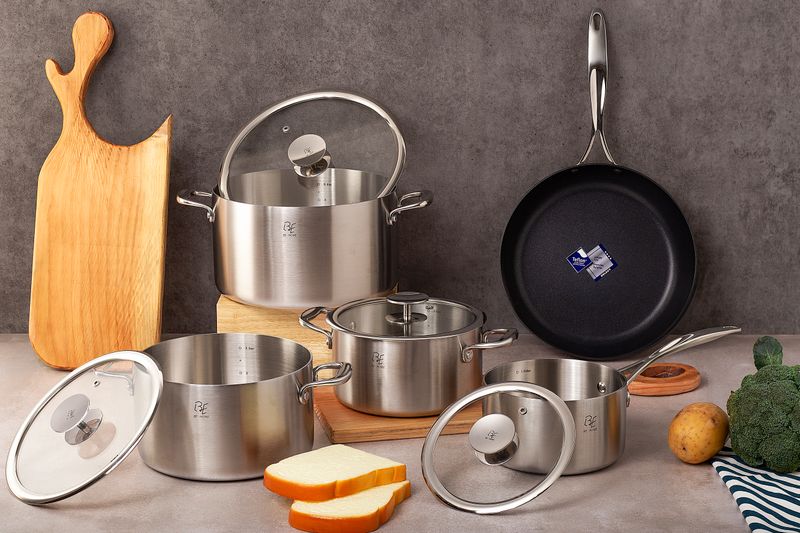
A stack of durable stainless steel cooking pots
Part of our cookware reviews hub — all reviews, comparisons, and buying advice in one place.

Some cookware lasts decades. Some warps or scratches within a year. The difference usually comes down to material and construction, not price. I’ve cooked with most of the common types long enough to know which ones actually hold up, so here’s how cast iron, stainless steel, and the rest compare on durability.

This site earns a commission if you buy through the Amazon links below, at no extra cost to you.

Cast Iron Cookware

Advantages of Cast Iron Cookware

Cast iron cookware has been a staple in kitchens for centuries, and for good reason. The advantages of using cast iron cookware are numerous. First and foremost, cast iron is incredibly durable. It can withstand high heat and is resistant to chips and cracks, making it a long-lasting investment for your kitchen. Cast iron also distributes heat evenly, ensuring that your food is cooked consistently and thoroughly. Additionally, using cast iron cookware can actually increase the iron content in your food, which is beneficial for individuals with iron deficiencies. Cast iron also moves between the stovetop, oven, and even an open fire, making it a solid choice for camping or cooking over an open fire.

Disadvantages of Cast Iron Cookware

While cast iron cookware has many advantages, it also has a few disadvantages to consider. One of the main drawbacks of using cast iron cookware is its weight. Cast iron is much heavier than other types of cookware, which can make it difficult to handle, especially for individuals with limited strength or mobility. Additionally, cast iron requires special care to maintain its seasoning, which is the layer of oil that prevents food from sticking to the surface. Improper cleaning or exposure to moisture can cause the seasoning to deteriorate, leading to rust and a loss of non-stick properties. Lastly, cast iron cookware takes longer to heat up compared to other materials, so it requires some patience and preheating before cooking.

Tips for Caring for Cast Iron Cookware

To make your cast iron cookware last for generations, give it proper care and maintenance. Here are a few tips for caring for your cast iron cookware:

  1. Season your cast iron cookware: New cast iron cookware should be seasoned before use. This creates a protective layer of oil that prevents rust and provides a natural non-stick surface. To season your cookware, coat the surface with a thin layer of oil, then bake it in the oven at a high temperature for about an hour.
  2. Avoid using harsh cleaning agents: Cast iron should not be cleaned with soap or harsh scrubbing pads, as this can remove the seasoning. Instead, use hot water and a stiff brush or non-abrasive sponge to clean your cookware. If needed, you can use a small amount of salt to help scrub away stubborn residue.
  3. Dry thoroughly: After washing your cast iron cookware, make sure to dry it thoroughly to prevent rust. You can place it on the stove over low heat for a few minutes to evaporate any remaining moisture.
  4. Re-season as needed: Over time, the seasoning on your cast iron cookware may wear off. If you notice food sticking to the surface or rust starting to form, it’s time to re-season. Simply scrub off any rust, apply a thin layer of oil, and bake in the oven to restore the seasoning.

By following these simple care tips, you can ensure that your cast iron cookware remains in excellent condition and continues to provide you with delicious meals for years to come.

Stainless Steel Cookware

Advantages of Stainless Steel Cookware

Stainless steel cookware is a popular choice among both home cooks and professional chefs for its many advantages. First and foremost, stainless steel is extremely durable. It can withstand high temperatures, resist corrosion, and is less likely to chip or dent compared to other materials. This makes stainless steel cookware a long-lasting investment for your kitchen. Another advantage of stainless steel is its non-reactive nature, meaning it won’t interact with acidic or alkaline foods, preserving the flavor and integrity of your dishes. Stainless steel cookware also heats up quickly and distributes heat evenly, resulting in consistent and efficient cooking. Stainless steel is also simple to maintain — it’s dishwasher-safe and resists stains.

Disadvantages of Stainless Steel Cookware

While stainless steel cookware has many advantages, it is not without its drawbacks. One of the main disadvantages of stainless steel is that it is not a good conductor of heat. This means that it can develop hot spots, which can lead to uneven cooking if not properly managed. Additionally, stainless steel cookware can be prone to food sticking, especially when cooking delicate items such as eggs or fish. This can be mitigated by using proper cooking techniques and using a sufficient amount of fats or oils. Lastly, stainless steel cookware tends to be more expensive compared to other types of cookware, which may be a consideration for those on a budget.

Tips for Caring for Stainless Steel Cookware

To keep your stainless steel cookware in top condition, here are some tips for caring for it:

  1. Preheat your stainless steel cookware: Before adding food to your stainless steel cookware, preheat it over medium heat for a few minutes. This helps to ensure even heat distribution and prevents food from sticking.
  2. Use proper cooking techniques: When cooking with stainless steel, use enough fat or oil to prevent sticking. Allow the oil to heat up before adding food, and make sure the pan is evenly coated.
  3. Avoid using metal utensils: To prevent scratching the surface of your stainless steel cookware, use non-metal utensils such as silicone or wooden spoons. Metal utensils can create marks or even cause the stainless steel to pit over time.
  4. Clean properly: After cooking, allow your stainless steel cookware to cool slightly before washing. Use a non-abrasive sponge or cloth and a mild dish soap to remove any food residue. Avoid using harsh scrubbers or abrasive cleaners, as they can damage the stainless steel surface.
  5. Remove stains and discoloration: If you notice stains or discoloration on your stainless steel cookware, you can use a mixture of vinegar and water or a specialized stainless steel cleaner to restore its shine. Simply apply the solution, scrub gently, and rinse thoroughly.

By following these care tips, you can maintain the durability and appearance of your stainless steel cookware, ensuring that it remains a valuable asset in your kitchen for years to come.

Carbon Steel Cookware

Advantages of Carbon Steel Cookware

Carbon steel cookware is a favorite among professional chefs due to its many advantages. One of the main advantages of carbon steel is its exceptional heat conductivity. It heats up quickly and distributes heat evenly, allowing for precise control over the cooking process. This makes carbon steel ideal for searing, stir-frying, and achieving a perfect crust on meats and vegetables. Additionally, carbon steel is lightweight compared to cast iron, making it easier to handle and maneuver in the kitchen. Another advantage of carbon steel is its durability. It can withstand high temperatures, resist warping, and is less prone to scratches and chips compared to other materials. Carbon steel also develops a natural non-stick patina over time, which improves with each use, making it easier to release food without the need for excessive oil or fats.

Disadvantages of Carbon Steel Cookware

While carbon steel cookware has many advantages, it does have a few disadvantages to consider. One of the main drawbacks is that carbon steel requires special care to maintain its seasoning. Unlike cast iron, carbon steel is not pre-seasoned, and the seasoning process can be more involved. Failure to properly season or maintain the seasoning can lead to rust or food sticking to the surface. Additionally, carbon steel cookware can be prone to developing a patina unevenly, which can lead to areas with reduced non-stick properties. Lastly, carbon steel requires regular maintenance, including drying immediately after washing and applying a thin layer of oil to prevent rust.

Tips for Caring for Carbon Steel Cookware

To ensure your carbon steel cookware remains in top condition, here are some tips for caring for it:

  1. Season your carbon steel cookware: Before using your carbon steel cookware for the first time, season it to create a protective layer. To season, scrub the cookware with hot water and mild dish soap to remove any coatings or residue. Dry thoroughly, then apply a thin layer of oil (such as vegetable or flaxseed oil) all over the surface. Heat the cookware over medium heat until it smokes slightly, then remove from the heat and let it cool completely. Repeat this process a few times to build up a durable seasoning.
  2. Clean with care: After each use, clean your carbon steel cookware with hot water and a brush or non-abrasive sponge. Avoid using soap, as it can strip away the seasoning. You can use a small amount of salt to help remove stubborn food residue. Dry the cookware immediately after cleaning to prevent rust.
  3. Maintain the seasoning: To maintain the seasoning on your carbon steel cookware, apply a thin layer of oil after each use. This helps to prevent rust and enhance the non-stick properties of the cookware. If the seasoning starts to wear off, simply scrub the surface with hot water and re-season as needed.
  4. Store properly: To prevent damage and maintain the seasoning, store your carbon steel cookware in a dry and well-ventilated area. Avoid stacking other heavy cookware on top of it, as this can cause dents or scratches.

By following these care tips, you can enjoy the benefits of carbon steel cookware for many years to come, creating flavorful meals with ease and precision.

Copper Cookware

Advantages of Copper Cookware

Copper cookware has long been revered by professional chefs for its superior heat conductivity and responsiveness. One of the main advantages of copper cookware is its ability to heat up quickly and distribute heat evenly. This allows for precise control over temperature, making copper cookware a strong choice for delicate tasks such as sautéing or making sauces. Copper also cools down quickly, providing immediate temperature adjustments when needed. Additionally, copper is an excellent conductor of electricity, making it ideal for induction cooking. Furthermore, copper cookware is aesthetically pleasing, adding a touch of elegance to any kitchen.

Disadvantages of Copper Cookware

While copper cookware offers many advantages, it also has a few disadvantages to consider. One of the main drawbacks of copper cookware is its high price. Copper is a costly material, making copper cookware much more expensive compared to other types of cookware. Additionally, copper can react with certain foods, particularly acidic or alkaline ingredients. This can lead to a metallic taste in the food and potentially cause health concerns. To mitigate this, most copper cookware is lined with a layer of stainless steel or tin to create a non-reactive surface. However, these linings can wear off over time and require maintenance or replacement.

Tips for Caring for Copper Cookware

To keep your copper cookware looking and performing its best, here are some tips for caring for it:

  1. Clean with care: After each use, clean your copper cookware with warm water and mild dish soap. Avoid using abrasive cleaners or scrubbers, as they can damage the copper surface. To remove stubborn stains or tarnish, you can create a paste with equal parts baking soda and lemon juice and gently scrub the affected areas. Rinse thoroughly and dry immediately to prevent water spots or corrosion.
  2. Polish regularly: Copper naturally develops a patina over time, which can add character and enhance its appearance. However, if you prefer the bright shine of newly polished copper, you can use a specialized copper polish to restore its luster. Follow the instructions on the polish and buff the cookware with a soft cloth until the desired shine is achieved.
  3. Retin your copper cookware: If your copper cookware is lined with tin, it may need to be re-tinned periodically. Tin can wear off over time, exposing the copper surface and potentially causing reactivity with certain foods. If you notice any signs of wear or if the lining becomes damaged, it’s best to have it professionally re-tinned to avoid any potential health risks.
  4. Store properly: To prevent scratches or dents, store your copper cookware in a dry and well-ventilated area. If stacking multiple pieces, place a soft cloth or paper towel between them to protect the surfaces.

By following these care tips, you can enjoy the beauty and functionality of your copper cookware for years to come, and its exceptional heat conductivity and responsiveness will keep paying off every time you cook.

Frequently Asked Questions

Which cookware material is the most durable overall?

Cast iron and stainless steel are the two most durable materials for everyday cookware — both can last decades with basic care. Cast iron wins on sheer longevity (a well-seasoned pan can last generations), while stainless steel is more forgiving of neglect and doesn’t need re-seasoning.

Is more expensive cookware always more durable?

Not necessarily. Price often reflects brand, design, and finish more than actual lifespan. A $30 Lodge cast iron skillet will outlast plenty of $150 nonstick pans, because the failure point for nonstick cookware is the coating, not the base metal.

Does copper cookware need special care to last?

Yes — copper needs periodic polishing to keep its shine and, if it’s tin-lined, occasional re-tinning as the lining wears. It rewards that maintenance with excellent heat conductivity and responsiveness, but it’s a higher-maintenance choice than stainless steel or cast iron.

What actually causes cookware to wear out?

For nonstick and coated cookware, it’s almost always coating degradation from metal utensils, high heat, or the dishwasher. For bare metal cookware (cast iron, carbon steel, stainless), failure is rare — these materials mostly wear out from rust (lack of care) rather than the material itself breaking down.

Filed Under: Helpful Kitchen Tips Tagged With: cookware, Durable, Kitchen Appliances

Which Is Healthier: Cooking With Cast Iron Or Ceramic Cookware?

Last Updated August 30, 2023

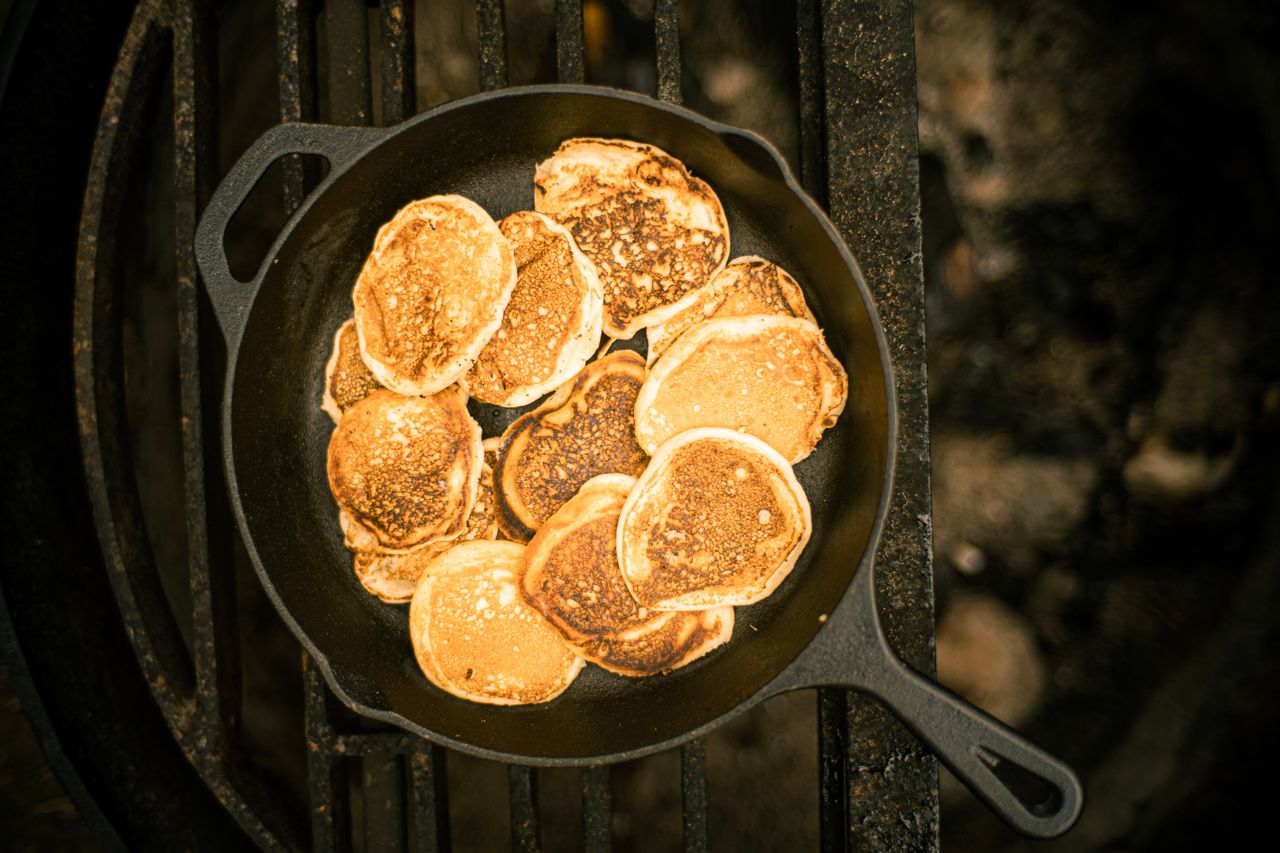
Pancakes cooking in a cast iron skillet over a fire
Buying guide: Best Cast Iron Dutch Oven 2026
Part of our cookware reviews hub — all reviews, comparisons, and buying advice in one place.

Cast iron and ceramic cookware get compared constantly, but the health question comes down to a few specific factors: what leaches into food, how the coating holds up, and what happens when a nonstick surface gets scratched or overheated. I’ve cooked on both for years, so this covers what actually matters in daily use, not just the marketing claims on the box. Also, if you need some recommendations, please check out our articles on the Best Frying Pans, Best Cookware for Gas Stoves, or Best Non-Stick Pan Without Teflon.  Cast Iron Cookware 1024x683

This site earns a commission if you buy through the Amazon links below, at no extra cost to you.

Benefits of Cooking with Cast Iron

Durable and long-lasting

Cooking with cast iron offers the advantage of durability and longevity. Cast iron cookware is known for its robust construction, allowing it to withstand the test of time. Unlike other types of cookware that may deteriorate or wear out over time, cast iron can be passed down through generations and still maintain its quality. This durability ensures that your investment in cast iron cookware is a long-term one.

Even heat distribution

One of the major benefits of cooking with cast iron is its ability to distribute heat evenly. Cast iron retains heat exceptionally well, resulting in consistent cooking temperatures throughout the entire pan. This feature is particularly advantageous when preparing dishes that require precise and even heat, such as searing a steak or baking a pie. With cast iron, you can be confident that your food will be cooked evenly, resulting in delicious and perfectly cooked meals.

Non-stick properties

When properly seasoned, cast iron develops a natural non-stick surface. This means that you can cook with less oil or butter, making your dishes healthier without compromising on taste. The non-stick surface also allows for easy food release, making cleanup a breeze. With cast iron, you can enjoy the convenience of non-stick cooking without the concerns of chemical coatings found in traditional non-stick cookware.

Adds iron to food

Cooking with cast iron provides a unique health benefit: it can increase the iron content of your food. As you cook acidic or high-moisture foods in cast iron, a small amount of iron leaches into the food, boosting your iron intake. This is particularly beneficial for individuals who are at risk of iron deficiency or those who may not absorb iron well from other sources. Incorporating cast iron cookware into your kitchen can be a simple way to increase your iron levels naturally.

Retains heat well

Cast iron’s exceptional heat retention properties mean that your food will remain hot, even after removing it from the heat source. This quality is especially useful when serving dishes that require prolonged heat, such as stews or casseroles. By using cast iron cookware, you can ensure that your meals stay warm for longer periods, allowing everyone to enjoy piping-hot food throughout the meal.

Drawbacks of Cooking with Cast Iron

Requires seasoning

One drawback of cooking with cast iron is the need for seasoning. Seasoning involves applying a thin layer of oil to the surface of the cookware and heating it to a specific temperature. This process creates a protective layer that prevents food from sticking and helps maintain the non-stick properties of the cookware. While seasoning is a simple task, it does require regular upkeep to ensure optimal performance.

Heavy and difficult to handle

The weight of cast iron cookware can be a challenge for some individuals. Cast iron is significantly heavier than other types of cookware, which can make it difficult to maneuver and lift, especially when it’s filled with food. This heaviness may not be suitable for individuals with limited strength or those who prefer lightweight cookware for convenience. However, with regular use, handling cast iron can become more manageable as you get used to its weight.

May react with acidic or alkaline foods

Cast iron’s reactive nature can be a drawback when cooking with acidic or alkaline foods. Acidic ingredients like tomatoes or citrus can cause the iron to leach into the food, resulting in metallic flavors and discoloration. Similarly, alkaline ingredients like baking soda or certain legumes can interact with cast iron, leading to off-flavors and potential damage to the cookware. Be mindful of the ingredients used, and consider alternative cookware for highly acidic or alkaline dishes.

Not suitable for delicate foods

Due to its heat retention properties, cast iron cookware tends to heat up slowly and retain heat for longer periods. While this is advantageous for most cooking tasks, it may not be ideal for delicate foods that require precise temperature control. Delicate items such as fish, eggs, or thin cuts of meat may overcook or become tough when prepared in cast iron. Match the cookware to what the recipe actually needs.

Requires special care

Cast iron cookware requires special care to maintain its longevity and performance. After each use, it’s essential to clean the cookware thoroughly, ensuring that all food particles are removed. Unlike other types of cookware, cast iron should not be soaked in water or cleaned with harsh detergents. Instead, it should be gently scrubbed with a brush or sponge and dried immediately to prevent rusting. Additionally, regular re-seasoning is necessary to maintain the non-stick properties and protect the cookware from rust or corrosion.

Benefits of Cooking with Ceramic Cookware

Lightweight and easy to handle

One of the key advantages of cooking with ceramic cookware is its lightweight nature. Ceramic is significantly lighter than cast iron, making it easier to handle and maneuver, especially for individuals with limited strength or mobility. This lightweight feature allows for a more enjoyable cooking experience, reducing strain on the wrists and arms when transferring food from the stove to the table.

Non-reactive surface

Ceramic cookware is known for its non-reactive surface, making it an excellent choice for cooking a wide range of foods. Unlike reactive materials like cast iron, ceramic does not interact with acidic or alkaline ingredients, ensuring that your dishes maintain their flavors and appearance. This non-reactive nature also makes ceramic cookware suitable for storing leftovers, as it won’t impart any unwanted tastes to the food.

Retains heat well

Similar to cast iron, ceramic cookware has excellent heat retention properties. Once heated, ceramic retains heat for an extended period, allowing for evenly cooked meals and keeping food warm while serving. This feature is particularly beneficial when preparing dishes that require a consistent temperature, such as slow-cooked stews or braised meats. With ceramic cookware, you can confidently serve meals that stay hot for longer, ensuring maximum enjoyment at the dining table.

Cooking Flexibility

Ceramic cookware handles a wide range of cooking techniques and methods, from sautéing to baking to simmering. Whether you’re sautéing, baking, or simmering, ceramic is suitable for a wide range of cooking styles. Its even heat distribution and non-stick properties make it an excellent choice for a variety of dishes, from stir-fries to casseroles. With ceramic cookware, you can expand your culinary horizons and create diverse and flavorful meals.

Cleaning

Ceramic cookware’s non-stick surface wipes clean easily. Most ceramic cookware is dishwasher-safe, reducing the time and effort spent on handwashing. Additionally, the smooth and glossy surface of ceramic allows food to slide off easily, requiring minimal scrubbing. This ease of cleaning makes ceramic cookware a convenient and low-maintenance option for those who prefer hassle-free kitchen cleanup. Which Is Healthier: Cooking With Cast Iron Or Ceramic Cookware?

Drawbacks of Cooking with Ceramic Cookware

Less durable than cast iron

One of the drawbacks of ceramic cookware is its relatively lower durability compared to cast iron. While ceramic is known for its sleek and stylish appearance, it is more prone to chipping or cracking, especially if mishandled or dropped. This fragility means that extra care must be taken when using and storing ceramic cookware to avoid potential damage. However, with proper handling and careful storage, the lifespan of ceramic cookware can be extended.

May chip or crack easily

Ceramic cookware’s delicate nature makes it susceptible to chipping or cracking under certain conditions. Sharp impacts or sudden changes in temperature, such as transferring a hot dish to a cold surface, can cause the ceramic to fracture or shatter. Handle ceramic cookware with care to avoid accidental damage. Additionally, using silicone or wooden utensils is recommended to prevent scratches or marks on the cookware’s surface.

Uneven heat distribution

Unlike cast iron, ceramic cookware may have slightly uneven heat distribution. While ceramic retains heat well, it may have hot spots that can lead to uneven cooking if not managed properly. Adjust heat levels and stir or rotate food regularly with ceramic cookware to cook evenly. With attentive cooking techniques, this drawback can be minimized, allowing for consistent and delicious results.

Limited non-stick properties

While ceramic cookware often features a non-stick coating, this coating may not be as durable or long-lasting as the natural non-stick surface of cast iron. Over time, the non-stick properties of ceramic cookware may deteriorate, requiring replacement or re-coating. Follow the manufacturer’s instructions for use and cleaning to maintain the non-stick coating. Additionally, using gentle utensils and avoiding metal utensils can help prolong the lifespan of the non-stick coating.

Not suitable for high-heat cooking

Ceramic cookware is not recommended for high-heat cooking methods such as broiling or deep-frying. Exposing ceramic cookware to extreme temperatures can cause thermal shock, leading to cracks or breakage. Stay within the cookware’s safe temperature range and avoid sudden temperature changes whenever possible. If high-heat cooking is a regular part of your culinary repertoire, alternative cookware options may be more suitable.

Health Considerations with Cast Iron Cookware

Iron supplementation for iron-deficient individuals

For individuals who are iron deficient, cooking with cast iron can provide a natural and effective way to increase iron intake. The small amounts of iron that leach into the food during cooking can contribute to the daily iron requirements. If you’re relying on cast iron to boost iron intake, check with a healthcare professional to confirm supplementation isn’t also needed and that iron levels stay within recommended ranges.

Increased iron intake for those who do not need supplementation

Even individuals who do not require iron supplementation can benefit from cooking with cast iron. The iron leached from cast iron cookware can provide a slight increase in iron intake, which may be beneficial for certain populations. However, it’s essential to maintain a balanced diet and not rely solely on cast iron cookware as a source of iron. Incorporating a variety of iron-rich foods into your meals can help meet dietary iron requirements.

Potential iron overload for certain individuals

While cast iron cookware can be beneficial for iron-deficient individuals, it may pose a risk of iron overload for those with certain medical conditions. Individuals with hemochromatosis, a genetic disorder that causes excessive iron absorption, should avoid using cast iron cookware as it can further elevate iron levels in the body. Consult a healthcare professional if you have underlying medical conditions before relying on cast iron regularly.

Risks for individuals with hemochromatosis

For individuals with hemochromatosis, using cast iron cookware can lead to iron overload, which can have detrimental health effects. Excess iron accumulation can cause damage to organs and tissues, leading to various complications. Follow a healthcare professional’s guidance and avoid cast iron cookware if you’ve been diagnosed with hemochromatosis or have elevated iron levels.

Cooking acidic foods in cast iron

Cast iron handles most cooking tasks well, but be cautious when preparing acidic foods. Acidic ingredients like tomatoes or vinegar can cause the iron to leach into the food, resulting in metallic flavors and discoloration. To minimize the risk, using enameled cast iron cookware or opting for alternative cookware when cooking acidic dishes is recommended.

Health Considerations with Ceramic Cookware

Possibility of leaching chemicals into food

One health concern associated with ceramic cookware is the potential leaching of chemicals into food. Some low-quality or improperly glazed ceramic cookware may contain harmful substances such as lead or cadmium, which can pose health risks when consumed in high amounts. To mitigate this risk, choose ceramic cookware from reputable manufacturers that meets recognized safety standards.

Avoiding low-quality ceramic cookware

To minimize potential health risks, it’s essential to research and select ceramic cookware from trusted brands that adhere to safety standards. Buying from a reputable brand reduces the likelihood of harmful substances leaching into your food. Reading product reviews, seeking recommendations, and purchasing from reputable retailers are effective strategies for ensuring the safety and quality of ceramic cookware.

Safe temperature range for ceramic cookware

Ceramic cookware has specific temperature limits to prevent damage and maintain food safety. Check the manufacturer’s guidelines and stay within the cookware’s safe temperature range. Extreme temperature changes, such as transferring a hot ceramic dish directly into a cold environment, can cause thermal shock and lead to cracks or breakage. Following recommended temperature guidelines ensures both the longevity of your cookware and the safety of your meals.

Cooking acidic foods in ceramic cookware

Similar to cast iron, cooking acidic foods in ceramic cookware can pose a risk of flavor transfer and potential leaching of harmful substances. Acidic ingredients can interact with the ceramic glaze, affecting the taste of the food and potentially causing the release of toxins. It’s advisable to use alternative cookware options when preparing highly acidic dishes to avoid any undesirable effects. Choosing enamel-coated ceramic cookware can also provide an additional layer of protection against flavor transfer and potential chemical leaching.

Importance of proper handling and maintenance

Proper handling and maintenance are crucial for maintaining the health and safety of ceramic cookware. It’s essential to handle ceramic cookware with care, avoiding sharp impacts or sudden temperature changes that can lead to breakage or cracks. Additionally, following the manufacturer’s instructions for cleaning and maintenance is vital to ensure the longevity and performance of your ceramic cookware. By adopting appropriate handling and maintenance practices, you can enjoy the benefits of ceramic cookware while minimizing potential health risks.

Comparison of Heat Retention

Cast iron’s ability to retain heat

Cast iron cookware is renowned for its exceptional heat retention properties. Once heated, cast iron retains heat for an extended period, allowing for even and consistent cooking. This feature is particularly advantageous for slow-cooked dishes or recipes that require prolonged heat exposure. With cast iron, meals can stay hot throughout the mealtime, ensuring that every bite is enjoyed at the desired temperature.

Ceramic cookware’s heat retention properties

Ceramic cookware also boasts good heat retention, albeit somewhat inferior to cast iron. When properly preheated, ceramic cookware can retain heat for an adequate period, allowing for even cooking and keeping dishes warm. Ceramic cools slightly faster than cast iron, which can influence cooking times and overall energy consumption.

Impact on cooking time and energy consumption

Cast iron’s superior heat retention capabilities often result in reduced cooking times and energy consumption. The ability to maintain a high and consistent heat level allows for faster cooking and reduced reliance on continuous heat sources. By shortening cooking times and minimizing energy usage, cast iron cookware can contribute to more sustainable and efficient cooking practices.

Evenness of heat distribution

Both cast iron and ceramic cookware provide relatively even heat distribution, ensuring that food is cooked uniformly. While cast iron may offer slightly better heat distribution due to its dense and heavy construction, ceramic cookware can still deliver satisfactory results. To achieve optimal heat distribution, it’s advisable to preheat both types of cookware thoroughly and monitor the cooking process closely to prevent hot spots or uneven cooking.

Comparison of Non-Stick Properties

Cast iron’s natural non-stick properties

One of the notable advantages of cast iron cookware is its natural non-stick surface. When properly seasoned, the surface of cast iron develops a slick and seasoned layer that prevents food from sticking. This natural non-stick quality reduces the need for excessive oil or butter in cooking, promoting healthier meal preparation. Additionally, the seasoned layer offers easy food release and enables effortless cleanup, making cast iron a convenient choice for everyday cooking.

Effectiveness of ceramic cookware’s non-stick coating

Ceramic cookware often features a non-stick coating, which provides a convenient cooking experience and easy food release. The effectiveness of the non-stick coating may vary among different brands and models, with some offering superior durability and longevity compared to others. While ceramic’s non-stick coating can be effective initially, it may gradually wear off over time, requiring re-coating or replacement. Follow the manufacturer’s care instructions to preserve the non-stick coating as long as possible.

Maintenance and durability of non-stick surfaces

On maintenance and durability, cast iron’s natural non-stick surface tends to outlast ceramic cookware’s non-stick coating. Cast iron’s seasoned layer can withstand regular use, cleaning, and even light scrubbing without compromising its non-stick properties. On the other hand, ceramic cookware’s non-stick coating may require more delicate treatment to avoid scratching or wearing off prematurely. While ceramic cookware’s non-stick coating can be effective, it may require more careful handling and maintenance to maintain its performance over time.

Comparison of Durability and Maintenance

Longevity and durability of cast iron cookware

Cast iron cookware is renowned for its longevity and durability. Properly cared for, cast iron can last for generations, making it a valuable investment for any kitchen. Its sturdy construction and resilient nature allow it to withstand high heat, heavy use, and even occasional mishaps. With regular maintenance and proper seasoning, cast iron can maintain its quality and performance, making it a reliable and long-lasting addition to your cookware collection.

Factors affecting ceramic cookware’s lifespan

Ceramic cookware’s lifespan can vary depending on several factors, including the quality of the ceramic material, the manufacturing process, and the care and maintenance provided. Ceramic cookware that’s handled and stored properly can last several years, though that varies a lot by brand and how it’s treated. However, accidental impacts, sudden temperature changes, and improper cleaning techniques can contribute to premature chipping, cracking, or wearing off of the ceramic coating.

Ease of maintenance for both types of cookware

Both cast iron and ceramic cookware require specific maintenance practices to ensure their longevity and performance. Cast iron cookware should be cleaned immediately after use, preferably with minimal soap and gentle scrubbing. It should be dried thoroughly to prevent rusting, and regular seasoning is necessary to maintain its non-stick properties. Ceramic cookware, on the other hand, often requires more delicate handling to prevent chipping or scratching. While ceramic cookware may be dishwasher-safe, handwashing with mild detergent is typically recommended to prolong the lifespan of its non-stick coating.

Cleaning techniques and precautions

When cleaning cast iron cookware, avoid harsh detergents, excessive scrubbing, or soaking in water. Instead, using a brush or sponge and warm water is typically sufficient for removing food particles. Dry the cookware immediately after cleaning to prevent rusting. Additionally, periodic seasoning with oil is necessary to maintain the seasoned layer and protect the cookware. Ceramic cookware should be cleaned with warm soapy water and a non-abrasive sponge or cloth to avoid damaging the surface. Harsh detergents and abrasive cleaners should be avoided, as they can scratch or wear off the non-stick coating. Follow the manufacturer’s cleaning guidelines and avoid metal utensils, which scratch the surface.

Conclusion

Choosing the right cookware for your kitchen is an important decision that should take into account various factors, including personal preferences, cooking needs, and health considerations. Both cast iron and ceramic cookware offer unique benefits and drawbacks to consider. Cast iron cookware provides exceptional durability, even heat distribution, natural non-stick properties, and the potential health benefits of increased iron intake. However, it requires seasoning, is heavy and difficult to handle, reacts with acidic or alkaline foods, may not be suitable for delicate dishes, and requires special care in handling and maintenance. On the other hand, ceramic cookware is lightweight, features a non-reactive surface, retains heat well, handles a wide range of dishes, and wipes clean easily. However, it is generally less durable than cast iron, may chip or crack easily, has slightly uneven heat distribution, limited non-stick properties, and is not suitable for high-heat cooking. The right choice depends on your cooking habits and health priorities. By weighing the pros and cons of each type of cookware and considering the health considerations associated with them, you can make an informed decision that suits your lifestyle and enhances your culinary adventures.

If your decision is more about which cooks better day to day rather than the health angle, see our direct Ceramic vs Nonstick Cookware comparison.

Frequently Asked Questions

Is cast iron or ceramic cookware healthier?

Neither is clearly “healthier” for most people. Cast iron adds trace dietary iron, which benefits people with low iron but is a real concern for those with hemochromatosis or other iron-overload conditions. Ceramic-coated cookware avoids that issue entirely, but cheap ceramic coatings can degrade and release particles at high heat over time. For most healthy adults, either is a safe daily-use choice when used and maintained properly.

Does cast iron leach too much iron into food?

For most people, no — the extra iron from cooking in cast iron is small and beneficial, especially for anyone mildly iron-deficient. Acidic foods (tomato sauce, wine-based sauces) pull more iron than neutral foods, so occasional acidic cooking is fine but hours-long acidic braises are better done in stainless or enameled cookware.

Can ceramic cookware coatings be dangerous?

Reputable ceramic cookware (a sol-gel coating over aluminum or steel) is considered safe and PFAS-free. The risk is with very cheap, low-quality ceramic coatings that can degrade faster and release coating particles into food once scratched or overheated. Buying from an established brand and avoiding metal utensils on the surface avoids most of this risk.

Which lasts longer, cast iron or ceramic cookware?

Cast iron, by a wide margin. A well-seasoned cast iron pan can last generations with basic care. Ceramic-coated cookware typically loses its non-stick performance within 1-3 years of regular use, even with careful handling, since the coating itself gradually wears down.

Filed Under: Helpful Kitchen Tips Tagged With: cast iron, Ceramic, Cooking, cookware, Health

Recent Articles

  • Best Air Fryer for Frozen Food (2026): 5 Tested Picks
  • How Often to Replace a Range Hood Charcoal Filter (And How to Tell)
  • Why Is My Air Fryer Smoking? (And How to Stop It)
  • Why Is My Blender Leaking From the Bottom?
  • Espresso Machine Leaking Water? Here’s Why (and the Fix)

Search


HOME          Contact          Affiliate Disclosure          Terms of Service          Privacy Policy


kitchenwarecompare.com is a participant in the Amazon Services LLC Associates Program, an affiliate advertising program designed to provide a means for sites to earn advertising fees by advertising and linking to Amazon.com, Endless.com, MYHABIT.com, SmallParts.com, or AmazonWireless.com. Amazon, the Amazon logo, AmazonSupply, and the AmazonSupply logo are trademarks of Amazon.com, Inc. or its affiliates. As an Amazon Associate we earn from qualifying purchases.


Copyright © 2026 kitchenwarecompare.com, ALL RIGHTS RESERVED.