• Skip to primary navigation
  • Skip to main content
  • Skip to primary sidebar

Kitchenware Compare

  • Home
  • Product Reviews
    • Air Fryers
    • Coffee
    • Cookware
    • Flat Top Grills
    • Meat Thermometers
    • Food Processors
    • Knives
    • Pizza Ovens
    • Toaster Ovens
  • Food Blog
  • Helpful Kitchen Tips
  • About
  • How We Review
  • Contact
You are here: Home / Archives for Kitchen Appliances

What Are The Most Durable Types Of Cookware

Last Updated October 2, 2023

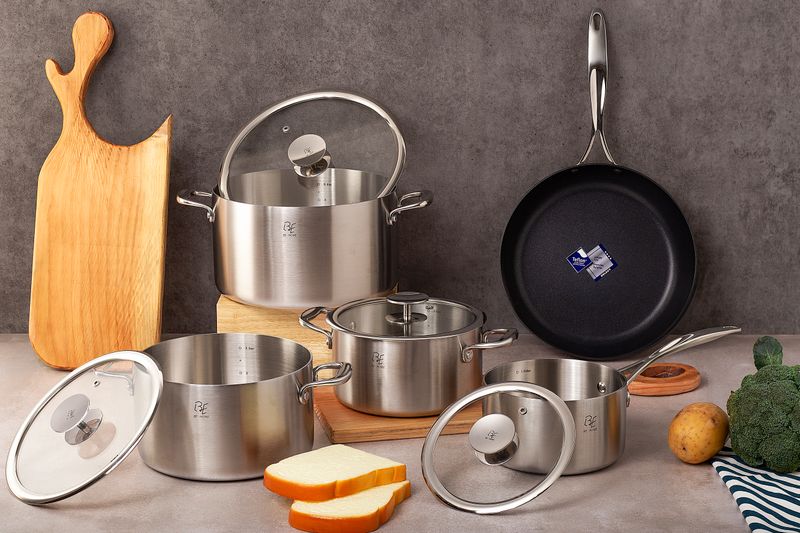
A stack of durable stainless steel cooking pots
Part of our cookware reviews hub — all reviews, comparisons, and buying advice in one place.

Some cookware lasts decades. Some warps or scratches within a year. The difference usually comes down to material and construction, not price. I’ve cooked with most of the common types long enough to know which ones actually hold up, so here’s how cast iron, stainless steel, and the rest compare on durability.

This site earns a commission if you buy through the Amazon links below, at no extra cost to you.

Cast Iron Cookware

Advantages of Cast Iron Cookware

Cast iron cookware has been a staple in kitchens for centuries, and for good reason. The advantages of using cast iron cookware are numerous. First and foremost, cast iron is incredibly durable. It can withstand high heat and is resistant to chips and cracks, making it a long-lasting investment for your kitchen. Cast iron also distributes heat evenly, ensuring that your food is cooked consistently and thoroughly. Additionally, using cast iron cookware can actually increase the iron content in your food, which is beneficial for individuals with iron deficiencies. Cast iron also moves between the stovetop, oven, and even an open fire, making it a solid choice for camping or cooking over an open fire.

Disadvantages of Cast Iron Cookware

While cast iron cookware has many advantages, it also has a few disadvantages to consider. One of the main drawbacks of using cast iron cookware is its weight. Cast iron is much heavier than other types of cookware, which can make it difficult to handle, especially for individuals with limited strength or mobility. Additionally, cast iron requires special care to maintain its seasoning, which is the layer of oil that prevents food from sticking to the surface. Improper cleaning or exposure to moisture can cause the seasoning to deteriorate, leading to rust and a loss of non-stick properties. Lastly, cast iron cookware takes longer to heat up compared to other materials, so it requires some patience and preheating before cooking.

Tips for Caring for Cast Iron Cookware

To make your cast iron cookware last for generations, give it proper care and maintenance. Here are a few tips for caring for your cast iron cookware:

  1. Season your cast iron cookware: New cast iron cookware should be seasoned before use. This creates a protective layer of oil that prevents rust and provides a natural non-stick surface. To season your cookware, coat the surface with a thin layer of oil, then bake it in the oven at a high temperature for about an hour.
  2. Avoid using harsh cleaning agents: Cast iron should not be cleaned with soap or harsh scrubbing pads, as this can remove the seasoning. Instead, use hot water and a stiff brush or non-abrasive sponge to clean your cookware. If needed, you can use a small amount of salt to help scrub away stubborn residue.
  3. Dry thoroughly: After washing your cast iron cookware, make sure to dry it thoroughly to prevent rust. You can place it on the stove over low heat for a few minutes to evaporate any remaining moisture.
  4. Re-season as needed: Over time, the seasoning on your cast iron cookware may wear off. If you notice food sticking to the surface or rust starting to form, it’s time to re-season. Simply scrub off any rust, apply a thin layer of oil, and bake in the oven to restore the seasoning.

By following these simple care tips, you can ensure that your cast iron cookware remains in excellent condition and continues to provide you with delicious meals for years to come.

Stainless Steel Cookware

Advantages of Stainless Steel Cookware

Stainless steel cookware is a popular choice among both home cooks and professional chefs for its many advantages. First and foremost, stainless steel is extremely durable. It can withstand high temperatures, resist corrosion, and is less likely to chip or dent compared to other materials. This makes stainless steel cookware a long-lasting investment for your kitchen. Another advantage of stainless steel is its non-reactive nature, meaning it won’t interact with acidic or alkaline foods, preserving the flavor and integrity of your dishes. Stainless steel cookware also heats up quickly and distributes heat evenly, resulting in consistent and efficient cooking. Stainless steel is also simple to maintain — it’s dishwasher-safe and resists stains.

Disadvantages of Stainless Steel Cookware

While stainless steel cookware has many advantages, it is not without its drawbacks. One of the main disadvantages of stainless steel is that it is not a good conductor of heat. This means that it can develop hot spots, which can lead to uneven cooking if not properly managed. Additionally, stainless steel cookware can be prone to food sticking, especially when cooking delicate items such as eggs or fish. This can be mitigated by using proper cooking techniques and using a sufficient amount of fats or oils. Lastly, stainless steel cookware tends to be more expensive compared to other types of cookware, which may be a consideration for those on a budget.

Tips for Caring for Stainless Steel Cookware

To keep your stainless steel cookware in top condition, here are some tips for caring for it:

  1. Preheat your stainless steel cookware: Before adding food to your stainless steel cookware, preheat it over medium heat for a few minutes. This helps to ensure even heat distribution and prevents food from sticking.
  2. Use proper cooking techniques: When cooking with stainless steel, use enough fat or oil to prevent sticking. Allow the oil to heat up before adding food, and make sure the pan is evenly coated.
  3. Avoid using metal utensils: To prevent scratching the surface of your stainless steel cookware, use non-metal utensils such as silicone or wooden spoons. Metal utensils can create marks or even cause the stainless steel to pit over time.
  4. Clean properly: After cooking, allow your stainless steel cookware to cool slightly before washing. Use a non-abrasive sponge or cloth and a mild dish soap to remove any food residue. Avoid using harsh scrubbers or abrasive cleaners, as they can damage the stainless steel surface.
  5. Remove stains and discoloration: If you notice stains or discoloration on your stainless steel cookware, you can use a mixture of vinegar and water or a specialized stainless steel cleaner to restore its shine. Simply apply the solution, scrub gently, and rinse thoroughly.

By following these care tips, you can maintain the durability and appearance of your stainless steel cookware, ensuring that it remains a valuable asset in your kitchen for years to come.

Carbon Steel Cookware

Advantages of Carbon Steel Cookware

Carbon steel cookware is a favorite among professional chefs due to its many advantages. One of the main advantages of carbon steel is its exceptional heat conductivity. It heats up quickly and distributes heat evenly, allowing for precise control over the cooking process. This makes carbon steel ideal for searing, stir-frying, and achieving a perfect crust on meats and vegetables. Additionally, carbon steel is lightweight compared to cast iron, making it easier to handle and maneuver in the kitchen. Another advantage of carbon steel is its durability. It can withstand high temperatures, resist warping, and is less prone to scratches and chips compared to other materials. Carbon steel also develops a natural non-stick patina over time, which improves with each use, making it easier to release food without the need for excessive oil or fats.

Disadvantages of Carbon Steel Cookware

While carbon steel cookware has many advantages, it does have a few disadvantages to consider. One of the main drawbacks is that carbon steel requires special care to maintain its seasoning. Unlike cast iron, carbon steel is not pre-seasoned, and the seasoning process can be more involved. Failure to properly season or maintain the seasoning can lead to rust or food sticking to the surface. Additionally, carbon steel cookware can be prone to developing a patina unevenly, which can lead to areas with reduced non-stick properties. Lastly, carbon steel requires regular maintenance, including drying immediately after washing and applying a thin layer of oil to prevent rust.

Tips for Caring for Carbon Steel Cookware

To ensure your carbon steel cookware remains in top condition, here are some tips for caring for it:

  1. Season your carbon steel cookware: Before using your carbon steel cookware for the first time, season it to create a protective layer. To season, scrub the cookware with hot water and mild dish soap to remove any coatings or residue. Dry thoroughly, then apply a thin layer of oil (such as vegetable or flaxseed oil) all over the surface. Heat the cookware over medium heat until it smokes slightly, then remove from the heat and let it cool completely. Repeat this process a few times to build up a durable seasoning.
  2. Clean with care: After each use, clean your carbon steel cookware with hot water and a brush or non-abrasive sponge. Avoid using soap, as it can strip away the seasoning. You can use a small amount of salt to help remove stubborn food residue. Dry the cookware immediately after cleaning to prevent rust.
  3. Maintain the seasoning: To maintain the seasoning on your carbon steel cookware, apply a thin layer of oil after each use. This helps to prevent rust and enhance the non-stick properties of the cookware. If the seasoning starts to wear off, simply scrub the surface with hot water and re-season as needed.
  4. Store properly: To prevent damage and maintain the seasoning, store your carbon steel cookware in a dry and well-ventilated area. Avoid stacking other heavy cookware on top of it, as this can cause dents or scratches.

By following these care tips, you can enjoy the benefits of carbon steel cookware for many years to come, creating flavorful meals with ease and precision.

Copper Cookware

Advantages of Copper Cookware

Copper cookware has long been revered by professional chefs for its superior heat conductivity and responsiveness. One of the main advantages of copper cookware is its ability to heat up quickly and distribute heat evenly. This allows for precise control over temperature, making copper cookware a strong choice for delicate tasks such as sautéing or making sauces. Copper also cools down quickly, providing immediate temperature adjustments when needed. Additionally, copper is an excellent conductor of electricity, making it ideal for induction cooking. Furthermore, copper cookware is aesthetically pleasing, adding a touch of elegance to any kitchen.

Disadvantages of Copper Cookware

While copper cookware offers many advantages, it also has a few disadvantages to consider. One of the main drawbacks of copper cookware is its high price. Copper is a costly material, making copper cookware much more expensive compared to other types of cookware. Additionally, copper can react with certain foods, particularly acidic or alkaline ingredients. This can lead to a metallic taste in the food and potentially cause health concerns. To mitigate this, most copper cookware is lined with a layer of stainless steel or tin to create a non-reactive surface. However, these linings can wear off over time and require maintenance or replacement.

Tips for Caring for Copper Cookware

To keep your copper cookware looking and performing its best, here are some tips for caring for it:

  1. Clean with care: After each use, clean your copper cookware with warm water and mild dish soap. Avoid using abrasive cleaners or scrubbers, as they can damage the copper surface. To remove stubborn stains or tarnish, you can create a paste with equal parts baking soda and lemon juice and gently scrub the affected areas. Rinse thoroughly and dry immediately to prevent water spots or corrosion.
  2. Polish regularly: Copper naturally develops a patina over time, which can add character and enhance its appearance. However, if you prefer the bright shine of newly polished copper, you can use a specialized copper polish to restore its luster. Follow the instructions on the polish and buff the cookware with a soft cloth until the desired shine is achieved.
  3. Retin your copper cookware: If your copper cookware is lined with tin, it may need to be re-tinned periodically. Tin can wear off over time, exposing the copper surface and potentially causing reactivity with certain foods. If you notice any signs of wear or if the lining becomes damaged, it’s best to have it professionally re-tinned to avoid any potential health risks.
  4. Store properly: To prevent scratches or dents, store your copper cookware in a dry and well-ventilated area. If stacking multiple pieces, place a soft cloth or paper towel between them to protect the surfaces.

By following these care tips, you can enjoy the beauty and functionality of your copper cookware for years to come, and its exceptional heat conductivity and responsiveness will keep paying off every time you cook.

Frequently Asked Questions

Which cookware material is the most durable overall?

Cast iron and stainless steel are the two most durable materials for everyday cookware — both can last decades with basic care. Cast iron wins on sheer longevity (a well-seasoned pan can last generations), while stainless steel is more forgiving of neglect and doesn’t need re-seasoning.

Is more expensive cookware always more durable?

Not necessarily. Price often reflects brand, design, and finish more than actual lifespan. A $30 Lodge cast iron skillet will outlast plenty of $150 nonstick pans, because the failure point for nonstick cookware is the coating, not the base metal.

Does copper cookware need special care to last?

Yes — copper needs periodic polishing to keep its shine and, if it’s tin-lined, occasional re-tinning as the lining wears. It rewards that maintenance with excellent heat conductivity and responsiveness, but it’s a higher-maintenance choice than stainless steel or cast iron.

What actually causes cookware to wear out?

For nonstick and coated cookware, it’s almost always coating degradation from metal utensils, high heat, or the dishwasher. For bare metal cookware (cast iron, carbon steel, stainless), failure is rare — these materials mostly wear out from rust (lack of care) rather than the material itself breaking down.
Filed Under: Helpful Kitchen Tips Tagged With: cookware, Durable, Kitchen Appliances

10 Creative Uses for a Food Processor

Last Updated July 26, 2023

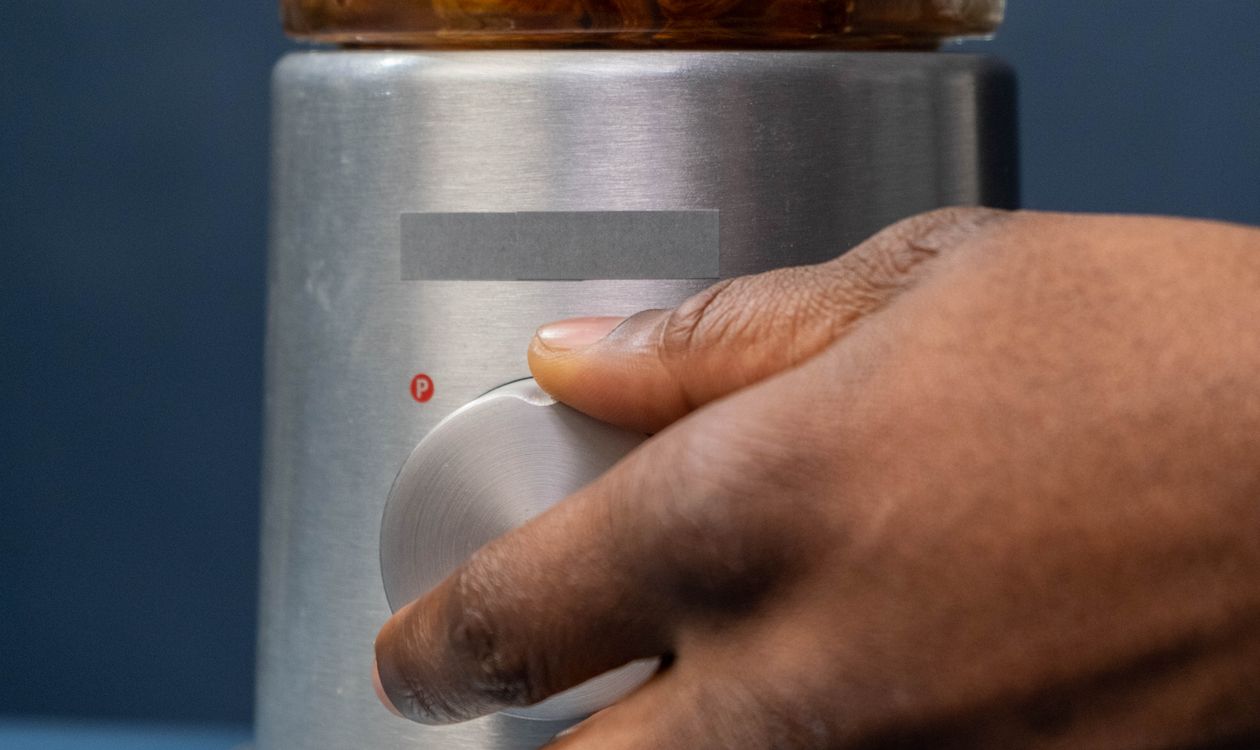
Hand pressing the pulse button on a food processor
Full guide: Best Food Processor 2026
Part of our food processor guide — all reviews, comparisons, and buying advice in one place.

Most people use a food processor for chopping and pureeing and stop there. I’ve put mine to work well beyond that — here are 10 uses that go past the basics, each one solving a specific prep problem rather than just being a party trick.

This site earns a commission if you buy through the Amazon links below, at no extra cost to you.

A food processor handles chopping and slicing faster than almost any other kitchen tool. Say goodbye to endless hours spent with a knife in hand. With just a few pulses, you can have perfectly diced onions, sliced tomatoes, or finely minced herbs. It cuts real prep time, especially for anything that would otherwise mean ten minutes with a knife.

But that’s not all! A food processor can also tackle more complex tasks, like making homemade sauces and dips. Have you ever wanted to whip up your own pesto, hummus, or salsa? Well, with a food processor, it’s easier than ever. Just toss in the ingredients, give it a whirl, and voila – you’ve got a delicious, homemade dip or sauce to impress your guests.

The possibilities are truly endless with a food processor. From making your own nut butters and grinding spices to creating creamy soups and even kneading dough, this kitchen gadget can do it all. So, if you’re ready to take your culinary skills to new heights and save yourself some precious time and effort in the kitchen, keep reading — this is only scratching the surface of what a food processor can do.

If you need help picking the perfect food processor please check out our in-depth Best Blender Food Processor Combo review.

Table of Contents

Toggle

  • 10 Creative Uses for a Food Processor
    • Making Dough
    • Pureeing and Chopping
    • Grinding
    • Making Homemade Nut Butter
    • Whipping Cream and Eggs
    • Shredding and Grating
    • Making Nut Flours
    • Making Ice Cream
    • Making Smoothies and Milkshakes
    • Conclusion

10 Creative Uses for a Food Processor

Most people associate a food processor with chopping and pureeing. It can do a lot more than that, and the ten uses below cover jobs most owners never try with it.

Food processor bowl with fresh ingredients ready for prep

Making Dough

Bread Dough

One of the most popular uses for a food processor is making bread dough. You can easily combine all the ingredients in the processor and let it knead the dough for you. This saves you time and effort, and ensures that your bread comes out perfectly every time. With your food processor, you can make artisanal breads, bagels, and even homemade pizza crust.

Pizza Dough

Speaking of pizza crust, a food processor can also be used to make the perfect pizza dough. Simply mix together flour, yeast, water, salt, and olive oil in the processor, and let it do the work for you. You can customize your pizza dough by adding herbs or spices to give it a unique flavor.

Pie Crust

If you’re someone who loves to bake pies, you’ll be pleased to know that a food processor can help you create the flakiest pie crust. By pulsing together flour, butter, sugar, and salt in the processor, you can achieve the perfect crumbly texture. This saves you from having to manually cut in the butter, making the process much quicker and easier.

Pureeing and Chopping

Chopping Vegetables

Chopping vegetables can be a tedious and time-consuming task, but with a food processor, it becomes a breeze. Simply toss your vegetables into the processor, and within seconds, they will be finely chopped and ready to use in your recipe. This is especially handy when making dishes like salsa or stir fry, where you need evenly chopped vegetables.

Pureeing Soups

If you enjoy making creamy soups, a food processor can be your best friend. After cooking your vegetables, simply transfer them to the processor and blend until smooth. This creates a creamy texture without the need for added cream or butter. It’s a great way to make healthy, homemade soups that are also delicious.

Making Salsa

Salsa is a popular condiment that can be enjoyed with tortilla chips, tacos, or as a topping for various dishes. Making salsa from scratch is simple with a food processor. Just toss in tomatoes, onions, garlic, cilantro, and any other ingredients you desire, and blend until you reach your desired consistency. You can have fresh, homemade salsa in a matter of minutes.

Shredded cheese and vegetables made with a food processor

Grinding

Spices

Grinding your own spices at home allows you to achieve a fresher and more flavorful result. A food processor comes in handy for this task. Whether you’re grinding whole spices like cumin seeds or making a spice blend, the processor can quickly and efficiently grind them to your desired consistency.

Nuts

Using a food processor to grind nuts is a great way to make your own nut butter or add a crunchy texture to baked goods. Whether you want to make almond butter, cashew butter, or simply finely chop nuts for a recipe, the processor can do it all. Just make sure not to over-process, as it may turn the nuts into a paste.

Coffee Beans

If you’re a coffee lover, you’ll be pleased to know that a food processor can be used to grind your own coffee beans. Simply pulse the beans until they reach your desired grind size. This allows you to have freshly ground coffee every morning, ensuring maximum flavor in every cup.

Making Homemade Nut Butter

Peanut Butter

Store-bought peanut butter often contains added sugars and preservatives. By making your own peanut butter in a food processor, you have full control over the ingredients. Just blend roasted peanuts until they reach a smooth and creamy consistency, and you’ll have delicious homemade peanut butter.

Almond Butter

Almond butter is another popular nut butter that can easily be made using a food processor. Just like with peanut butter, blend roasted almonds until smooth and creamy. You can customize your almond butter by adding a pinch of salt or a drizzle of honey for added flavor.

Cashew Butter

Cashew butter has a creamy and rich flavor that can be enjoyed on toast, in smoothies, or as a dip for fruits and vegetables. With your food processor, you can easily make your own cashew butter by blending roasted cashews until smooth. It’s a great alternative for those with peanut allergies.

Homemade nut butter blended in a food processor

Whipping Cream and Eggs

Whipped Cream

Making whipped cream by hand can be tiring and time-consuming. With a food processor, you can whip cream quickly and effortlessly. Simply add chilled cream and a sweetener of your choice to the processor, and blend until soft peaks form. It’s a great way to add a dollop of creamy goodness to your desserts.

Whipped Egg Whites

When making desserts like mousse or soufflés, whipped egg whites are often required for a light and airy texture. Instead of whisking by hand, a food processor can do the job in half the time. Just add the egg whites to the processor, and let it whip until stiff peaks form. It saves the arm work of whipping egg whites by hand.

Shredding and Grating

Cheese

Grating cheese can be a messy and time-consuming task, but with a food processor, it becomes a breeze. Simply cut your cheese into cubes and pulse in the processor until finely grated. You can now easily sprinkle the grated cheese on your favorite dishes or make a delicious cheesy sauce.

Carrots

Whether you’re making carrot cake or adding shredded carrots to a salad, a food processor can come in handy for shredding. Just peel and chop the carrots into pieces, and pulse in the processor until they reach your desired shred size. It’s a great way to save time and effort in the kitchen.

Potatoes

If you love making homemade hash browns or potato pancakes, a food processor can make the process much easier. By using the grating attachment, you can quickly shred potatoes for your recipe. It saves you from the laborious task of grating potatoes by hand, making breakfast preparation a breeze.

Making Nut Flours

Almond Flour

Almond flour is a popular gluten-free alternative to regular flour. You can easily make your own almond flour at home using a food processor. Just blend blanched almonds until they reach a fine, powdery consistency. It’s a great option for those who follow a gluten-free or low-carb diet.

Coconut Flour

Coconut flour is another gluten-free flour that can be made using a food processor. Simply blend shredded coconut until it turns into a fine powder. It’s a great option for adding a coconut flavor to your baked goods or thickening sauces and gravies.

Making Ice Cream

Basic Vanilla Ice Cream

Did you know that you can make your own ice cream using a food processor? By blending together frozen bananas, milk (or a dairy-free substitute), and vanilla extract, you can create a delicious and healthy alternative to traditional ice cream. It’s a great treat for those looking to indulge in something sweet without the guilt.

Chocolate Ice Cream

For all the chocolate lovers out there, a food processor can help you make the most decadent chocolate ice cream. By adding cocoa powder and sweetener to your basic vanilla ice cream mixture, you can create a rich and velvety chocolatey treat. It’s the perfect dessert for any occasion.

Fruit Sorbet

If you prefer a lighter and fruitier dessert, a food processor can help you make refreshing fruit sorbets. Simply blend together frozen fruits of your choice, a sweetener if desired, and a splash of citrus juice. You will have a fresh sorbet in minutes without an ice cream maker.

Making Smoothies and Milkshakes

Fruit Smoothies

Smoothies are a quick and nutritious way to start your day or enjoy as a snack. A food processor can effortlessly blend together your favorite fruits, yogurt, and a liquid of your choice to create a thick and creamy smoothie. It’s a great way to sneak in those extra servings of fruits and vegetables.

Green Smoothies

If you’re looking to boost your intake of leafy greens, a food processor can help you make a delicious green smoothie. By blending together spinach or kale with fruits, yogurt, and a liquid, you can create a nutrient-packed drink without the grainy texture a blender sometimes leaves behind. It’s a great way to incorporate more greens into your diet.

Chocolate Milkshakes

A food processor can also make indulgent chocolate milkshakes. Simply blend together milk, ice cream, cocoa powder, and a sweetener of your choice until smooth and frothy. It’s a great treat for those special occasions or when you’re craving something sweet.

Conclusion

A food processor earns its counter space through range, not any single feature: dough, spice grinding, nut butter, shredding, and ice cream all run through the same base and blade. If yours has been sitting in a cabinet, these ten uses are a reasonable place to start putting it back into regular rotation. For picking a model or upgrading an old one, see our best food processor picks.

Frequently Asked Questions

Can a food processor replace a stand mixer?

Partially. A food processor handles dough, whipped cream, and egg whites well, but it lacks a stand mixer’s paddle and whisk attachments for tasks like creaming butter and sugar for cakes. For occasional baking, a food processor covers most needs; frequent bakers still benefit from a dedicated stand mixer — see our best stand mixer guide.

Is it safe to grind coffee beans in a food processor?

Yes, though the grind will be less consistent than a dedicated coffee grinder, which matters most for espresso. For drip coffee or French press, a food processor’s pulse function gets close enough for most people.

Why is my food processor struggling to make nut butter?

Nut butter takes longer than most people expect — often 5-10 minutes of processing with scrape-downs in between, as the nuts go through a crumbly stage before releasing their oils. A processor under 500 watts may also just be underpowered for the job.

Can I use a food processor to make ice cream without an ice cream maker?

Yes — frozen fruit blended in a food processor produces a soft-serve consistency in a few minutes, which is the basis for most “nice cream” and quick sorbet recipes. It will not have the same texture as a churned custard-based ice cream, but it is a genuine shortcut for fruit-based desserts.

All ten of these uses assume a sharp S-blade — if your results have turned mushy lately, read how to sharpen food processor blades first.

Filed Under: Helpful Kitchen Tips Tagged With: Creative Uses, Food Processor, Kitchen Appliances

Recent Articles

  • Ninja AF101 Air Fryer Review: Is the Original Still Worth Buying?
  • Best Air Fryer for Frozen Food (2026): 5 Tested Picks
  • How Often to Replace a Range Hood Charcoal Filter (And How to Tell)
  • Why Is My Air Fryer Smoking? (And How to Stop It)
  • Why Is My Blender Leaking From the Bottom?

Search


HOME          Contact          Affiliate Disclosure          Terms of Service          Privacy Policy


kitchenwarecompare.com is a participant in the Amazon Services LLC Associates Program, an affiliate advertising program designed to provide a means for sites to earn advertising fees by advertising and linking to Amazon.com, Endless.com, MYHABIT.com, SmallParts.com, or AmazonWireless.com. Amazon, the Amazon logo, AmazonSupply, and the AmazonSupply logo are trademarks of Amazon.com, Inc. or its affiliates. As an Amazon Associate we earn from qualifying purchases.


Copyright © 2026 kitchenwarecompare.com, ALL RIGHTS RESERVED.