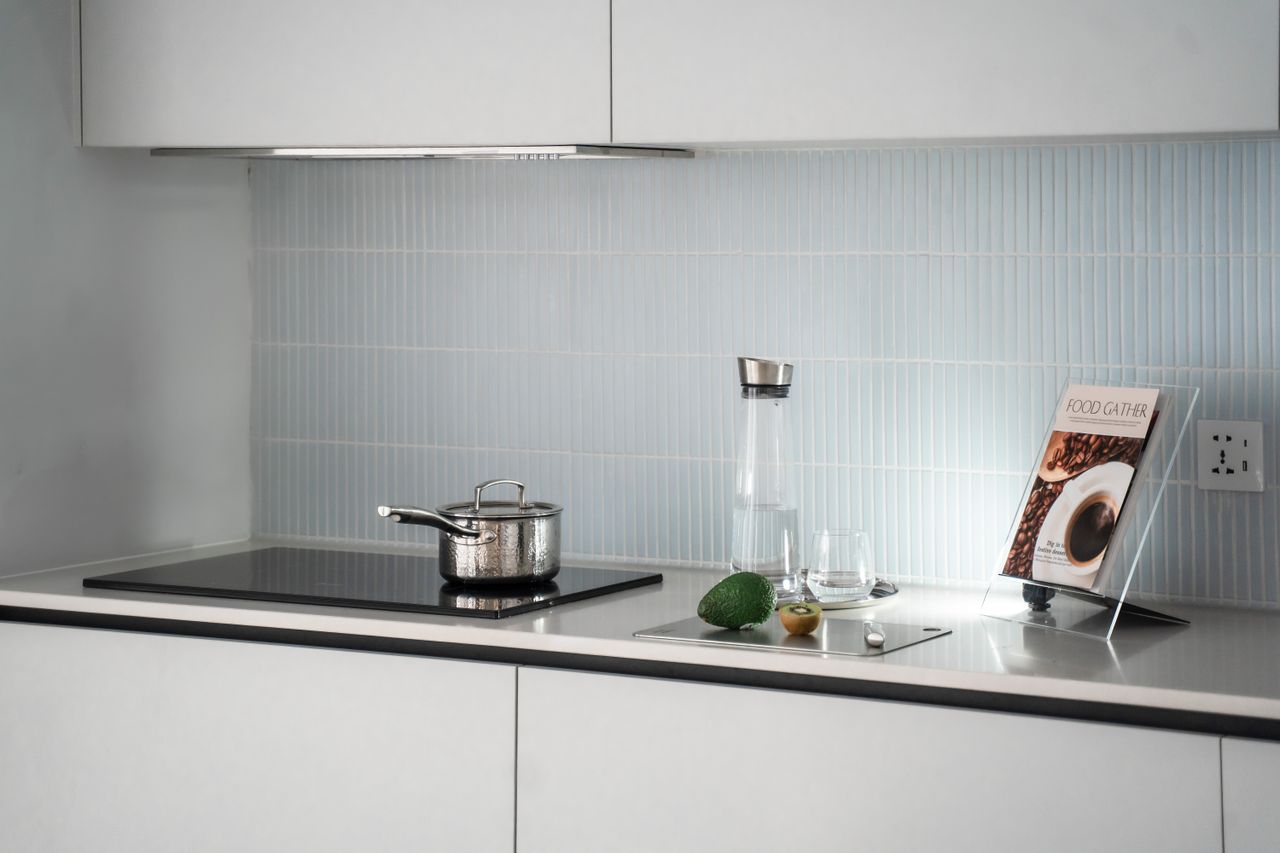
Induction cooktops have become increasingly popular in modern kitchens due to their efficiency and precise temperature control. However, not all types of cookware are compatible with these electromagnetic stovetops. To ensure optimal performance and prevent any potential damage, it is essential to use the right cookware. In this article, we will explore the various types of cookware that are suitable for induction cooktops, helping you choose the material that actually fits how you cook. 
I switched to induction in my own kitchen and had to relearn which pans actually worked, so this is based on what held up in practice, not just spec sheets.
This site earns a commission if you buy through the Amazon links below, at no extra cost to you.
Stainless Steel Cookware
Stainless steel cookware is a popular choice among many home cooks, and for good reason. The benefits go beyond just induction compatibility — it holds up well for daily use in any kitchen. One of the key advantages of stainless steel cookware is its durability. Stainless steel is resistant to rust, corrosion, and staining, ensuring that your cookware will last for years to come. This makes it a worthwhile investment for anyone looking to outfit their kitchen with a solid cookware set. In addition to its durability, stainless steel cookware offers excellent heat retention and even heat distribution. This means that your food will cook evenly, with no hot spots or cool areas. Whether you’re searing a steak or simmering a delicate sauce, stainless steel cookware will provide consistent and reliable results. Another benefit of stainless steel cookware is its non-reactive nature. Unlike some other materials, stainless steel does not react with acidic or alkaline foods, ensuring that your dishes will always taste as intended. This also means stainless steel cookware wipes clean without any special precautions to avoid damaging the surface. When choosing stainless steel cookware for induction cooktops, look for options with a magnetic base. Induction cooktops use a magnetic field to generate heat, so the cookware needs to have a magnetic property in order for it to work properly. Many stainless steel cookware brands now offer induction-compatible options, so you won’t have to sacrifice your preferred material for the convenience of an induction cooktop. Some recommended stainless steel cookware brands for induction cooktops include All-Clad, Cuisinart, and Calphalon. These brands have a reputation for producing reliable cookware that is both durable and efficient. They offer a range of options, from individual pieces to complete cookware sets, so you can build a set that matches how you actually cook.
Cast Iron Cookware
Cast iron cookware has long been prized for its excellent heat retention and even cooking. It withstands high temperatures and handles frying, braising, and baking equally well. The key benefit of cast iron cookware is its ability to provide consistent and even heat distribution. Once heated, cast iron retains heat well, ensuring that your food cooks evenly without any hot spots. Another advantage of cast iron cookware is its natural non-stick surface. When properly seasoned, cast iron develops a layer of oil that prevents food from sticking, making it easy to cook and clean. Additionally, cast iron cookware is extremely durable and can last for generations with proper care. This makes it an excellent investment for anyone looking to build a collection of cookware that will stand the test of time. When choosing cast iron cookware for induction cooktops, select options with a flat and smooth bottom. Induction cooktops rely on a magnetic field to generate heat, so the cookware needs to have a flat surface in order to make proper contact. Many cast iron cookware brands now offer options that are specifically designed for induction cooktops, so you can enjoy the benefits of both materials. Some recommended cast iron cookware brands for induction cooktops include Lodge, Le Creuset, and Staub. These brands are known for their and durable cast iron cookware, offering a range of options from skillets to Dutch ovens. With proper care, these pieces will last for generations and become cherished heirlooms in your kitchen.
Carbon Steel Cookware
Carbon steel cookware is a popular choice for professional chefs and home cooks alike. It offers many of the same benefits as cast iron cookware, including excellent heat retention and even cooking. However, carbon steel is lighter and more responsive to heat than plain cast iron, which suits techniques that need quick temperature changes. One of the key benefits of carbon steel cookware is its ability to develop a natural non-stick surface over time. Similar to cast iron, carbon steel can be seasoned to create a layer of oil that prevents food from sticking. This makes it easy to cook delicate foods, such as fish or eggs, without the risk of them sticking to the pan. Carbon steel cookware is also known for its durability. It can withstand high temperatures and is suitable for both stovetop and oven use. Additionally, carbon steel is relatively lightweight compared to cast iron, making it easier to handle and maneuver in the kitchen. When choosing carbon steel cookware for induction cooktops, look for options with a flat and smooth bottom. Induction cooktops rely on a magnetic field to generate heat, so the cookware needs to have a flat surface in order to make proper contact. Many carbon steel cookware brands now offer options that are specifically designed for induction cooktops, ensuring that you can enjoy all the benefits of carbon steel with the convenience of an induction cooktop. Some recommended carbon steel cookware brands for induction cooktops include de Buyer, Mauviel, and Matfer Bourgeat. These brands are well-known for their carbon steel cookware, which is favored by professional chefs around the world. Whether you’re a home cook or a professional chef, carbon steel cookware rewards the extra care with excellent searing and browning for your dishes.
Enamel-Coated Cookware
Enamel-coated cookware is a popular choice for many home cooks, thanks to its attractive appearance. The enamel coating not only provides a smooth and non-reactive cooking surface, but it also adds a pop of color to your kitchen. Enamel-coated cookware is available in a wide range of vibrant colors, allowing you to choose pieces that complement your kitchen decor. One of the key benefits of enamel-coated cookware is its non-reactive nature. The enamel coating creates a barrier between the food and the metal, ensuring that there is no leaching of metals into your dishes. This makes enamel-coated cookware a safe and reliable option for cooking a variety of foods, including acidic ingredients like tomatoes or citrus. In addition to its non-reactivity, enamel-coated cookware is also simple to maintain. The smooth, glossy surface prevents food from sticking, making it quick to clean up after cooking. Enamel-coated cookware is also dishwasher safe, although hand washing is recommended to prolong the life of the enamel coating. When choosing enamel-coated cookware for induction cooktops, look for options with a magnetic base. Induction cooktops use a magnetic field to generate heat, so the cookware needs to have a magnetic property in order for it to work properly. Many enamel-coated cookware brands now offer induction-compatible options, so you can enjoy the benefits of both materials. Some recommended enamel-coated cookware brands for induction cooktops include Le Creuset, Staub, and Lodge. These brands are known for their enamel-coated cookware, which is durable and available in a range of colors. Whether you’re simmering a stew or baking a casserole, enamel-coated cookware will deliver excellent results and add a touch of style to your kitchen.
Copper Cookware
Copper cookware has been prized by professional chefs for centuries, and for good reason. It offers excellent heat conductivity, allowing for precise temperature control and even cooking. Copper cookware heats up quickly and responds rapidly to changes in heat, giving you greater control over your cooking process. One of the key benefits of copper cookware is its ability to distribute heat evenly across the entire cooking surface. This eliminates hot spots and ensures that your food cooks uniformly, without any sections being overcooked or undercooked. This makes copper cookware ideal for delicate dishes that require precise heat control, such as sauces or custards. Another advantage of copper cookware is its stunning appearance. The warm and lustrous glow of copper adds a touch of elegance to any kitchen. Copper cookware is often displayed and used as a statement piece, showcasing both its beauty and functionality. When choosing copper cookware for induction cooktops, select options with a magnetic base. Induction cooktops use a magnetic field to generate heat, so the cookware needs to have a magnetic property in order for it to work properly. Many copper cookware brands now offer options that are specifically designed for induction cooktops, so you can enjoy the benefits of both materials. Some recommended copper cookware brands for induction cooktops include Mauviel, Ruffoni, and Falk Culinair. These brands are well-known for their copper cookware, which is crafted with meticulous attention to detail. Copper cookware gives you the fastest, most precise heat control of any material, plus a look that holds up for decades to your kitchen.
Anodized Aluminum Cookware
Anodized aluminum cookware is a popular choice for many home cooks, thanks to its excellent heat conductivity and durability. It undergoes a special electrochemical process that creates a hard and non-reactive surface, making it resistant to corrosion and staining. This ensures that your cookware will last for years, even with frequent use. One of the key benefits of anodized aluminum cookware is its ability to distribute heat evenly across the entire cooking surface. This eliminates hot spots and ensures that your food cooks uniformly, without any sections being overcooked or undercooked. This makes anodized aluminum cookware ideal for a wide range of cooking techniques, from sautéing and stir-frying to simmering and braising. Another advantage of anodized aluminum cookware is its lightweight nature. Compared to other materials, such as cast iron or stainless steel, anodized aluminum is significantly lighter, making it easier to handle and maneuver in the kitchen. This is especially beneficial for individuals with limited strength or mobility. When choosing anodized aluminum cookware for induction cooktops, look for options with a magnetic base. Induction cooktops use a magnetic field to generate heat, so the cookware needs to have a magnetic property in order for it to work properly. Many anodized aluminum cookware brands now offer induction-compatible options, so you can enjoy the benefits of both materials. Some recommended anodized aluminum cookware brands for induction cooktops include Calphalon, Circulon, and Cuisinart. These brands offer a range of options, from individual pieces to complete cookware sets, so you can pick pieces that suit your budget and cooking style. Anodized aluminum cookware is a durable choice that holds up to daily use for years.
Clad Cookware
Clad cookware, also known as multi-ply cookware, is a popular choice for many home cooks due to its excellent heat conductivity and durability. It’s constructed by layering multiple materials together, typically stainless steel and aluminum or copper, to create a piece that offers the benefits of both materials. One of the key benefits of clad cookware is its ability to distribute heat evenly across the entire cooking surface. The combination of materials allows for excellent heat conductivity, ensuring that your food cooks uniformly, without any hot spots or cool areas. This makes clad cookware suitable for a wide range of cooking techniques, from searing and sautéing to simmering and boiling. Another advantage of clad cookware is its durability. The multiple layers of materials make clad cookware resistant to warping, denting, and scratching, ensuring that it will last for years to come. Clad cookware is also compatible with both stovetop and oven use. When choosing clad cookware for induction cooktops, look for options with a magnetic base. Induction cooktops use a magnetic field to generate heat, so the cookware needs to have a magnetic property in order for it to work properly. Many clad cookware brands now offer induction-compatible options, so you can enjoy the benefits of both materials. Some recommended clad cookware brands for induction cooktops include All-Clad, Demeyere, and Viking. These brands are well-known for their clad cookware, which offers superior heat distribution and durability. Whether you’re a professional chef or a passionate home cook, clad cookware gives you dependable, even heating and provides reliable and consistent results.
Glass Cookware
Induction note: plain glass is not magnetic and will not heat at all on an induction cooktop, even though it is included here as a common cookware material. Skip it for induction and use it only on gas, electric, or in the oven.
Glass cookware offers a few genuine benefits for home cooks, though it doesn’t work on induction (more on that below). One of the key benefits of glass cookware is its ability to retain heat. Once heated, glass retains heat well, ensuring that your food stays warm for longer periods of time. This makes glass cookware ideal for serving dishes that need to be kept warm, such as casseroles or desserts. Another advantage of glass cookware is its transparency. Unlike other materials, such as stainless steel or cast iron, glass allows you to see the food as it cooks. This can be helpful for monitoring the progress of your dish and ensuring that it is cooked to perfection. Glass cookware is also non-reactive, meaning that it will not interact with acidic or alkaline foods. This ensures that your dishes will always taste as intended and eliminates the risk of any metallic or off-flavors. Glass cookware is also dishwasher safe, which is convenient for busy cooks. When choosing glass cookware for induction cooktops, look for options with a flat and smooth bottom. Induction cooktops rely on a magnetic field to generate heat, so the cookware needs to have a flat surface in order to make proper contact. Many glass cookware brands now offer options that are specifically designed for induction cooktops, ensuring compatibility and optimal performance. Some recommended glass cookware brands for induction cooktops include Pyrex, Anchor Hocking, and Arcuisine. These brands offer a range of glass cookware, from individual baking dishes to complete cookware sets, so you can round out your kitchen one piece at a time. Glass cookware works well for serving and baking, and looks good doing it.
Silicone Cookware
Induction note: silicone is not stovetop cookware and will not work on an induction cooktop at all — it has no magnetic properties and is meant for baking, molds, and utensils, not direct heat. It is included here because it is often sold alongside induction-compatible bakeware, not because it works on the cooktop itself.
Silicone cookware has gained popularity in recent years, thanks to its unique properties. One of the key benefits of silicone cookware is its flexibility. Silicone is a pliable and heat-resistant material, allowing for easy removal of food and simple cleaning. This makes silicone cookware ideal for baking, as it can be easily peeled away from cakes or breads without any sticking. Another advantage of silicone cookware is its non-stick surface. When properly greased, silicone cookware prevents food from sticking, making it easy to release your dishes without any residue. This eliminates the need for excessive oil or butter, resulting in healthier and lighter meals. Silicone cookware is also extremely durable and resistant to high temperatures. It can withstand temperatures ranging from -40°F to 446°F (-40°C to 230°C), making it suitable for both freezing and baking. Additionally, silicone is non-reactive and does not leach any flavors or odors into your food. When choosing silicone cookware for induction cooktops, check the manufacturer’s specifications. Some silicone cookware isn’t suitable for use on induction cooktops, as it may not have a magnetic base. However, many silicone cookware brands now offer induction-compatible options, so you can enjoy the benefits of both materials. Some recommended silicone cookware brands for induction cooktops include Silpat, Lékué, and Mastrad. These brands offer a range of silicone cookware, from baking mats to muffin molds, allowing you to explore your creativity in the kitchen. Silicone cookware is convenient for baking, though — like glass — it doesn’t work on induction.
Ceramic Cookware
Ceramic cookware offers many benefits for home cooks, making it a popular choice for both everyday meals and special occasions. One of the key benefits of ceramic cookware is its excellent heat retention. Once heated, ceramic retains heat well, ensuring that your food stays warm even after it’s removed from the heat source. This makes ceramic cookware ideal for serving dishes that need to be kept warm, such as stews or casseroles. Another advantage of ceramic cookware is its non-reactive nature. Ceramic is made from natural materials and does not leach any chemicals or flavors into your food. This ensures that your dishes will always taste as intended and eliminates the risk of any metallic or off-flavors. Ceramic cookware is also dishwasher safe, which is convenient for busy cooks. Ceramic cookware is also known for its attractive appearance. Available in a wide range of colors and designs, ceramic cookware adds a touch of style and elegance to any kitchen. Whether you prefer classic white or vibrant colors, ceramic cookware allows you to express your personal style and complement your kitchen decor. When choosing ceramic cookware for induction cooktops, look for options with a magnetic base. Induction cooktops rely on a magnetic field to generate heat, so the cookware needs to have a magnetic property in order for it to work properly. Many ceramic cookware brands now offer options that are specifically designed for induction cooktops, ensuring compatibility and optimal performance. Some recommended ceramic cookware brands for induction cooktops include GreenLife, Emile Henry, and Le Creuset. These brands offer a range of ceramic cookware, from baking dishes to dutch ovens, giving you room to expand your collection as needed. Ceramic cookware looks good on the table and holds up reasonably well to daily use. The bottom line: stainless steel, cast iron, carbon steel, enamel-coated cast iron, and clad cookware all work well on induction, each with its own strengths. Glass and silicone do not work on induction at all, regardless of what other guides may claim — both lack the magnetic properties induction cooktops require. When choosing cookware for induction cooktops, check the material’s compatibility with the magnetic field induction cooktops use. By selecting the right cookware and brands specifically designed for induction cooktops, you can enjoy the convenience and efficiency of induction cooking while utilizing the benefits of different materials. The right cookware for your induction cooktop comes down to checking the base is magnetic and matching the material to how you actually cook.
Frequently Asked Questions
Does all stainless steel cookware work on induction cooktops?
No. The steel must contain enough iron to be magnetic — pure or heavily nickel-alloyed stainless steel often isn’t. Check by holding a magnet to the base: if it sticks firmly, it will work on induction.
Why do glass and silicone cookware not work on induction?
Induction cooktops heat cookware directly through a magnetic field, which only works on ferrous (iron-containing) metals. Glass and silicone have no magnetic properties at all, so they simply won’t heat up no matter how long they sit on an induction burner.
Can I use my existing cookware on induction, or do I need to buy new pieces?
Test what you already own first with a refrigerator magnet — cast iron, carbon steel, and most stainless steel pass this test. You likely only need to replace aluminum, copper (without a steel base), glass, and ceramic pieces that don’t have an induction-compatible base.
Is enamel-coated cast iron good for induction cooktops?
Yes — the enamel coating is just a surface layer over the cast iron base, which is what actually interacts with the induction field. Enameled cast iron (like Le Creuset or Lodge’s enameled line) works as well on induction as bare cast iron does.

Glenn is the founder of Kitchenware Compare and has spent years researching, testing, and reviewing kitchen appliances, cookware, and gadgets. A lifelong home cook raised in a family that treated every meal as an occasion, Glenn started this site to cut through the noise of conflicting product reviews and give readers honest, practical guidance. When he is not testing the latest air fryer or digging into the specs of a new espresso machine, he can usually be found experimenting with new recipes or hunting for the perfect cast iron skillet at a flea market.
Leave a Reply