• Skip to primary navigation
  • Skip to main content
  • Skip to primary sidebar

Kitchenware Compare

  • Home
  • Product Reviews
    • Air Fryers
    • Coffee
    • Cookware
    • Flat Top Grills
    • Meat Thermometers
    • Food Processors
    • Knives
    • Pizza Ovens
    • Toaster Ovens
    • Juicers
  • Food Blog
  • Helpful Kitchen Tips
  • Data Studies
  • About
  • How I Review
  • Contact
You are here: Home / Archives for Glenn

Can You Put Aluminum Foil in an Air Fryer?

Last Updated November 6, 2026

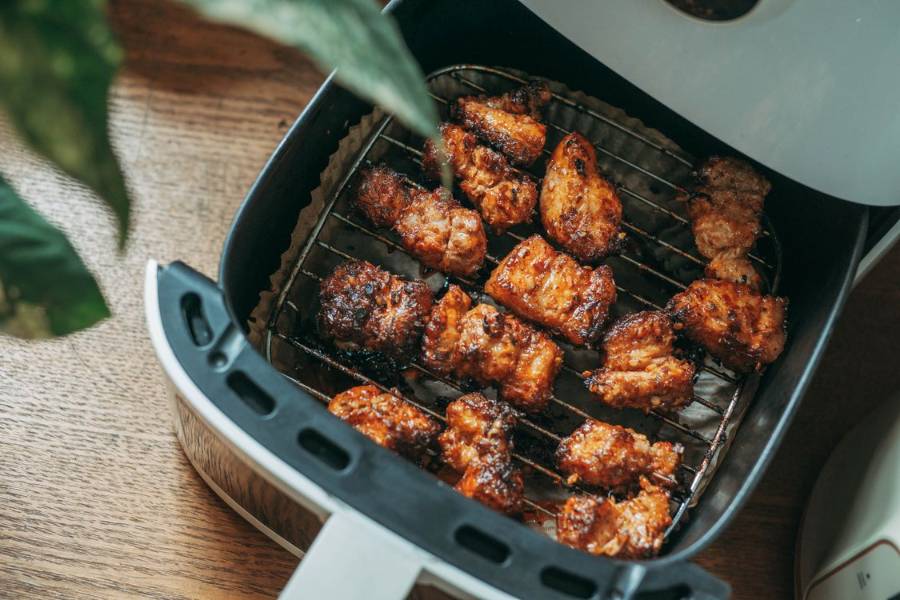
Crispy chicken pieces cooked in an air fryer basket

This post contains affiliate links. If you buy through my links, I may earn a commission at no extra cost to you.

I earn a commission from qualifying purchases made through links on this page, at no extra cost to you.

Yes — aluminum foil is safe in an air fryer basket, provided it doesn’t cover the perforations and isn’t placed in the appliance without food on top. The problems only arise when people use it wrong.
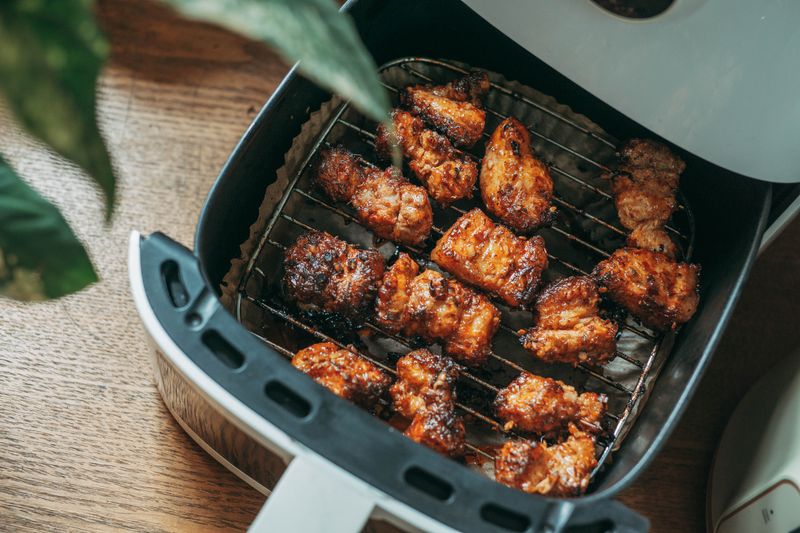
Chicken pieces cooking in an air fryer basket, with the perforated rack visible around the food
An air fryer basket depends on air moving freely around the food — foil placement should never block that circulation.

The conditions below are based on how air fryer circulation works and are consistent with manufacturer guidance from Ninja, Cosori, and Philips.

When Foil Works in an Air Fryer

Foil earns its place when you’re cooking something that produces liquid or sticks badly. Saucy meats, oily fish, and heavily marinated vegetables are the main use cases — the foil catches the mess and keeps the basket cleaner. It also helps when cooking something delicate that would fall through the basket holes.

The key is to fold the foil so it sits flat in the centre of the basket, clear of the edges. You want air to circulate around and through the basket, so the perforations need to stay open.

When Not to Use Foil

There are four situations where foil causes more problems than it solves — two are about cooking quality, two are safety issues.

Don’t cover the perforations

An air fryer cooks by circulating hot air through the basket. Block those holes and you’ve turned it into a slow, uneven oven. Food won’t crisp up properly, cooking times will be unpredictable, and the whole point of the appliance is lost.

Keep the foil in the centre of the basket only. The perimeter should be clear.

Don’t use foil with acidic foods

Tomatoes, citrus, vinegar-based marinades — anything acidic reacts with aluminum and leaches small amounts of metal into your food. The health risk from occasional exposure is low, but the taste impact is real: food cooked in acidic marinades with foil often has an off, metallic edge.

Use parchment paper instead when cooking acidic ingredients.

Never place foil in the appliance without food on top

This one matters. Lightweight foil that isn’t anchored by food can get pulled towards the heating element by the air fryer’s fan. If it contacts the element, it can catch fire. Always make sure foil has food on top of it to hold it in place before you start the appliance.

Don’t use foil during the preheat cycle

For the same reason — an empty air fryer with foil in it is a fire risk. If your recipe calls for preheating, do it with an empty basket, then add the foil and food together before cooking begins. How long to preheat an air fryer depends on the model.

How to Use Foil Safely

  1. Cut the foil to size. It should sit in the base of the basket without touching the sides or covering the perforations around the edge.
  2. Place food on the foil before switching on. The weight of the food holds the foil in place. Never put foil in an empty, running air fryer.
  3. Fold up the edges slightly. A small lip catches drips and stops them running down into the drawer below the basket.
  4. Don’t treat it as standard kit. Foil solves a specific problem — it isn’t necessary for every cook. Most foods brown and crisp better with direct contact with the basket.

What to Use Instead

If you want something more reusable, perforated parchment paper liners are worth trying. They’re made for air fryers, they don’t carry the acidic food problem that foil does, and pre-cut versions make them easy to handle. Silicone liners are another option — dishwasher safe and reusable indefinitely.

For glass, ceramic or silicone dishes rather than liners, what can you put in an air fryer sets out what each maker says. Not every maker allows paper at all, and those that do attach conditions; can you put parchment paper in an air fryer sets out what each one says.

If you’re looking for an air fryer that’s easier to clean generally, the best air fryers guide covers models with non-stick drawers that barely need lining at all.

The Verdict

Aluminum foil is fine in an air fryer when it’s used with food on top, kept away from the perforations, and avoided with acidic ingredients. The fire risk from unsecured foil near the heating element is real, not theoretical — that’s the one rule worth remembering.

For more on getting the best out of your appliance, the complete air fryer guide covers everything from cooking times to maintenance. Still choosing a model? My top-rated air fryers are compared by basket size, wattage, and value.

FAQs

Can you put aluminum foil in any air fryer?

Yes — foil is safe in basket-style and drawer-style air fryers, provided it doesn’t block the airflow holes and has food on top. Be more careful with oven-style air fryers where the heating element sits close to the rack level.

Does foil affect cooking time in an air fryer?

It can. Foil insulates the food slightly, which may extend cooking time by a few minutes. More significantly, foil that covers the perforations will reduce air circulation and noticeably slow cooking. Keep the holes clear and the effect is minimal.

Is parchment paper better than foil in an air fryer?

For most cooks, yes. Parchment doesn’t react with acidic foods, it’s easier to handle, and pre-cut perforated liners designed for air fryers are widely available. The main advantage of foil is that it can be shaped more precisely around food, which some people prefer for fish or saucy cuts of meat. Makers do not all agree on paper either, so check what each one says about parchment before you buy liners.

Can the foil touch the sides of the air fryer basket?

Better to avoid it. Foil pressed against the basket wall blocks airflow from those sections, which leads to uneven cooking. Cut the foil to fit the base only, with a clear gap around the perimeter.

Filed Under: Helpful Kitchen Tips

Best Dishwasher Detergent for Septic Systems

Last Updated October 26, 2026

Best Dishwasher Detergent for Septic Systems

If you need to find detergent that won’t have a negative impact on your septic system, it is important to review your options. In this article I will take a close look at some of the best dishwasher detergent for septic systems.

I earn a commission if you buy through the Amazon links below, at no extra cost to you.

My top choice is the Seventh Generation Dishwasher Detergent, which uses a natural formula with powerful cleaning capabilities. The enzymes in this detergent break down grease, food residue, and even stains.

Before you make a final decision on a certain detergent, I encourage you to learn about the following products. Each of these detergents balances cleaning power against septic safety a little differently, so it’s worth knowing the trade-offs before you choose.

How I Picked The Best Dishwasher Detergent for Septic Systems

While putting together my list of best dishwasher detergent for septic systems, I focused on a few key criteria. Each of these products is compared on how quickly it is reported to work. The overall efficiency of your detergent is definitely an important factor to consider. This can have a tremendous impact on your monthly utility bill.

Cleaning performance matters most: you will want a product that cleans dishes, glasses and flatware thoroughly and handles tough stains.

Quick Comparison

Product Best For Price Rating Buy
Seventh Generation Free & Clear (90 ct) Best Overall $29.74 4.5★ (16,985) Check Price
Dropps UltraWash Pods (120 ct) Best Plastic-Free $43.41 4.5★ (9,609) Check Price
Puracy Free & Clear Pods (50 ct) Best Fragrance-Free Budget $19.99 4.3★ (7,438) Check Price
Finish Powerball (94 ct) Strongest Cleaning $25.49 4.6★ (74,332) Check Price
If You Care Dishwasher Tablets (40 ct) Most Eco-Focused $11.79 4.2★ (3,594) Check Price

A Spotlight On Some of The Best Dishwasher Detergent for Septic Systems 2023:

Seventh Generation Dishwasher Detergent
Brand: 7th Gen
Item Form: Pods, Tablets
Fragrances Free: Yes
Dyes Free: Yes
Phosphates Free: Yes
Chlorine Free: Yes

Check on Amazon

Dropps Dishwasher Detergent Pods
Brand: Dropps
Item Form: Pods, Tablets
Fragrances Free: Yes
Dyes Free: Yes
Phosphates Free: Yes
Chlorine Free: Yes

Check on Amazon

Puracy Ultimate Clean Dishwasher Pods
Brand: Puracy Brand
Item Form: Pods, Tablets
Fragrances Free: Yes
Dyes Free: Yes
Phosphates Free: Yes
Chlorine Free: Yes

Check on Amazon

Finish All In 1 Fresh Scent Dishwasher Detergent
Brand: Finish Brand
Item Form: Pods, Tablets
Fragrances Free: Yes
Dyes Free: Yes
Phosphates Free: Yes
Chlorine Free: Yes

Check on Amazon

If You Care Dishwasher Tablets
Brand: If You Care
Item Form: Pods, Tablets
Fragrances Free: Yes
Dyes Free: Yes
Phosphates Free: Yes
Chlorine Free: Yes

Check on Amazon

Seventh Generation Dishwasher Detergent

Pp1


The Seventh Generation Dishwasher Detergent uses a formula that is packed with enzymes that break down grease effectively. It does not contain any phosphates, bleach, chlorine, or other things that could negatively affect your septic system.

This detergent comes in the form of pods that you can pop right into your dishwasher. You therefore won’t have to deal with the potential mess that is associated with liquid detergents. These pods are designed to fit perfectly in a vast majority of modern dishwashers.

If you want to get your dishes sparkling clean with no unwanted side effects, this product has a lot to offer. It is a simple and effective solution that will work well for everyone.

The listing describes a natural, plant-based formula. It does an excellent job of getting rid of sticky and stubborn food residue. You can therefore always expect immaculate dishes that are thoroughly clean. It removes bad bacteria that can be very harmful to your health if ingested or even touched.

The film that surrounds each of these detergent pods is designed to break down throughout the dishwashing process. They don’t leave behind any residue or traces whatsoever. This is a far better option than most gels or powders, which can be quite messy and problematic for a number of reasons.

There is no question that the natural formula of this product makes it a great choice when seeking out the best dishwasher detergent for septic systems. It will leave good bacteria intact, which allows for efficient breaking down of waste.

Pros
  • Natural plant-based formula is phosphate-free
  • Dissolvable pods are easy to use
  • Absolutely no food residue left behind with each use
  • No messy hassle to deal with
  • Does a great job of quickly breaking down grease
Cons
  • Lack of consistent pod shape can make it difficult to fit in dishwasher

Dropps Dishwasher Detergent Pods

Pp2

The Dropps Dishwasher Detergent Pods are incredibly effective when it comes to tackling stubborn food residue. These pods will make your glasses shine and dishes sparkle like never before.

One of the great things about this detergent is that you can skip the pre-washing. It cleans dishes thoroughly so you won’t have to do any prep work whatsoever. You won’t have to worry about any residual food, grease, or fragrances.

The mineral-based formula delivers reliable cleaning power day after day. It is completely natural and does not contain any phosphates or other things that could back up your septic system.

You’ll find that these detergent pods all have a uniform shape that fits into most dishwashers very easily. They have a simple but effective design that you will appreciate right away.

Another reason that I put this product on my best dishwasher detergent for septic systems is its eco-friendly design. Its compact cardboard packaging reduces waste, which is great for the environment overall. It is efficient in both size and shape.

If you are searching for a septic-friendly detergent that works well as a whole, Dropps is a great brand to consider. This product breaks down and removes food, grease, and oil within a matter of seconds. It is even capable of eliminating particularly stubborn stains that you can’t seem to get rid of by hand.

Pros
  • Makes dishes and glasses sparkle every time
  • Mineral-based formula is 100% natural and septic-safe
  • No need for pre washing whatsoever
  • Can get rid of stubborn stains very easily
  • Eco-friendly packaging reduces waste significantly
Cons
  • Pods don’t always dissolve completely in dishwasher

Puracy Dishwasher Pods

Pp3


The Puracy Dishwasher Pods use a powerful formula that consists of organic plant-based ingredients. They contain botanical enzymes that are capable of removing grease and grime with stunning efficiency. You will no longer have to deal with any leftover food to clean off your plates.

The listing says this detergent eliminates the need for pre-cleaning. You won’t need to rinse off your glasses or dishes beforehand. Simply scrape your dishes and load them into the dishwasher. This will help you save a lot of time and effort over the years.

This detergent has undergone many tests to ensure consistently reliable performance. You can depend on them to get all of your dishes, glasses, and flatware clean to an impressive degree.

All of the ingredients used in this detergent are made up of minerals and plant matter. This alone makes it an excellent choice when seeking the best dishwasher detergent for septic systems. It can clean very effectively without impacting your septic tank in any negative way.

Some of the contents of this detergent include sodium carbonate (mineral cleanser), sodium citrate (water softener), and alkyl polyglucoside, which is a botanical cleanser.

There are no toxic chemicals or ingredients that could put the health of you or your family at risk. It also does not use any phosphates, which can be devastating to septic systems.

One of the most impressive things about this dishwasher detergent is the consistent results it offers. Each pack of this detergent fits nicely in most dishwashers, so compatibility won’t be an issue.

Pros
  • All-natural formula made up of minerals and botanical ingredients
  • Doesn’t require pre-rinsing (only scraping)
  • Packs fit nicely in a vast majority of dishwashers
  • Dissolves completely with no residue left behind to clean
  • Works great at getting stains out
Cons
  • Plastic packaging is not eco-friendly

Finish All In 1 Dishwasher Detergent

Pp4

The Finish All in 1 Dishwasher Detergent is formulated to soften food and break down residue that is baked onto dishes. It also gets rid of extremely stubborn stains with minimal effort.

You’ll quickly discover that this detergent will make cleaning your dishes much easier and more convenient. It eliminates the need for pre-rinsing, so you can skip this step entirely.

Each of these tabs has a pre-measured amount of detergent, so you won’t have to mess around with a measuring cup. This gives you a quick and easy way to get your dishes sparkling clean on a consistent basis. You will no longer have to contend with stains, spots, or food residue.

The listing says the tabs are not encased in a wrapper. They will dissolve completely by the end of each cleaning cycle in your dishwasher. There is no leftover powder or residue to clean.

One of the reasons I put this product on my best dishwasher detergent for septic systems list is its ability to maintain internal parts. This can actually help extend the life of your dishwasher. You won’t have to worry about residue building up inside, which can cause quite a bit of damage over time.

The fact is that there are actually few other detergents on the market that match this one for sheer effectiveness. It is more than capable of handling stains from coffee, tea, and many other beverages.

Pros
  • Formulated to protect internal dishwasher components
  • No need to rinse your dishes prior to loading
  • Capable of thorough cleaning in short cycles
  • Thoroughly removes all different types of stains quickly
  • Works well in all modern dishwashers
Cons
  • Each tab is individually wrapped

If You Care Dishwasher Tablets

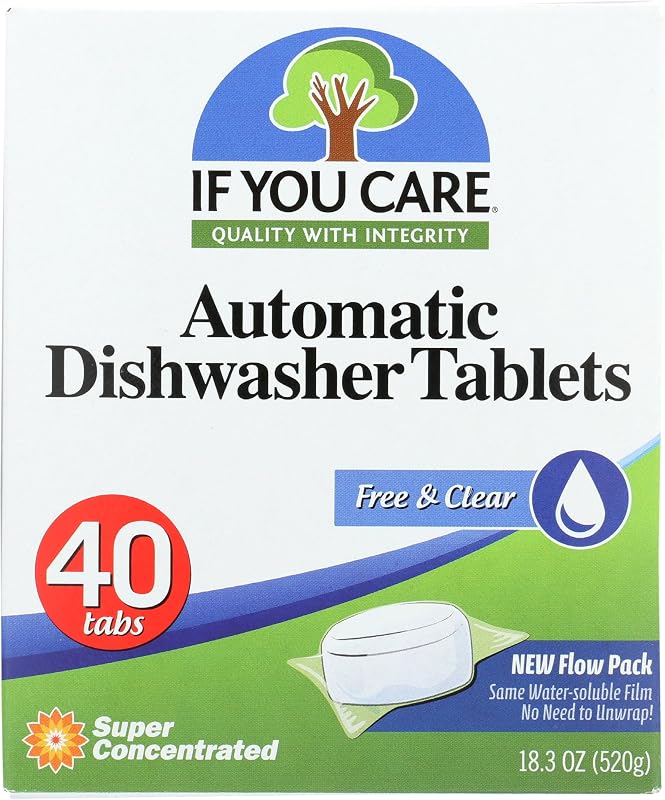
If You Care plant-based dishwasher tablets, 40 count box


The If You Care Dishwasher Tablets are built from a blend of mineral- and plant-derived cleaning ingredients — coconut and rapeseed among them — plus enzymes to break down grease and baked-on food residue.

There is no need to measure out detergent with this product, as it comes in the form of small pods. Each pod contains the same amount of detergent, so you can expect consistent results. The listing says it has no artificial fragrances, dyes or toxic ingredients.

You’ll find that the heavily concentrated design of this detergent will help you save both time and money. It works very efficiently, which means you won’t need to keep your dishwasher running for a long time.

The tablets are super-concentrated, and the wrapper is polyvinyl alcohol film that dissolves in the wash, so there is nothing to unwrap and no plastic shell left behind.

For a septic system the relevant part is what is absent: the formula is free of phosphates and chlorine, which are the two ingredients most often flagged as a problem for a septic tank’s bacterial balance. If You Care also states the tablets are non-toxic and have minimal impact on aquatic life.

You get 40 tablets per box, which at $11.79 works out at about 29 cents a wash — cheaper per load than everything here except the Finish Powerball (about 27 cents).

Pros
  • Plant- and mineral-derived formula, free of phosphates and chlorine
  • Dissolvable PVA wrapper — nothing to unwrap
  • Breaks down and removes tough grease, stains, and residue effectively
  • About 29 cents per wash — the second-cheapest per-load cost here
  • Comes in tablet form so you never have to measure anything
Cons
  • 4.2-star average is the lowest of the five picks here

Best Dishwasher Detergent for Septic Systems Buying Guide

Best Dishwasher Detergent for Septic Systems

When you are searching for the best dishwasher detergent for septic systems, you will need to take a careful look at your options. The list below will help get you started with several important product criteria.

Types of Dishwasher Detergent

There are numerous types of dishwasher detergent that you should consider prior to making a final decision. The more you learn about these options, the easier it will be to select the right one.

Liquid detergents can be quite effective at combating grease and grime, but they require measuring for the best results. You’ll also need to keep in mind that most of these products are fairly mild. While this limits their ability to cause damage to your septic system, it might not be great for removing tough stains.

You can also buy detergent that comes in the form of a powder. These detergents must also be measured out, which can be a pain. They can be quite messy as well, which is never a good thing.

I highly recommend buying detergent pods, as they are convenient and often very effective. Each pod will have the same amount of detergent, which eliminates the need for guesswork.

Natural Formula

As you look into the best dishwasher detergent for septic systems, you’ll need to look at the type of formula each one uses. You will definitely want to select a detergent that has an all-natural formula.

Make sure that the product you decide on doesn’t contain any phosphates, chlorine, artificial colors, alcohol, or ammonia. All of these ingredients can be extremely detrimental to all septic systems.

While it is true that phosphates are good at killing bacteria, this ingredient will ultimately back up your septic tank. This is due to the fact that it tends to destroy “good” bacteria, which is responsible for breaking down waste in your septic system.

Take a very close look at all of the ingredients in each detergent product before settling on one in particular. This will make it easy to choose one that matches your needs perfectly.

All of the ingredients in your new dishwasher detergent should ideally be derived from either plants or minerals. This will really help with ensuring clean dishes with no unnecessary hassle to deal with.

Packaging

You should also take a look at the packaging of each detergent as you research your options. You’ll find that some of the best dishwasher detergent for septic systems uses secure and eco-friendly packaging.

If you want to do your small part for the environment, you should look for detergent that comes in cardboard containers. There are a number of companies that have switched from plastic in an effort to become more environmentally responsible.

Speaking of eco-friendly, I recommend biodegradable detergent pods. These pods will dissolve completely in your dishwasher, so there is no residue left behind.

You’ll also need to make sure that the packaging is secure and keeps the detergent inside so it doesn’t become compromised. You can learn a lot about this by simply looking at photos as well as customer reviews.

Stain Removal

The very best dishwasher detergent for septic systems is capable of removing even the toughest stains. This is definitely something that you should keep in mind when exploring these products.

If you don’t want to deal with manually removing stains on dishes, you will need a detergent that can handle them effectively. There are plenty of detergents with natural formulas that can do this for you.

Ease of Use

As I mentioned above, detergent pods are typically very easy to use. You will, however, want to take a close look at each one’s size and shape. Make sure that you choose one that will fit in your dishwasher without any issues.

I also recommend selecting a pod detergent that eliminates the need for pre-rinsing. This will ultimately save you a lot of time and effort over the years. The fact is that you really shouldn’t have to rinse your dishes beforehand.

Performance

The overall performance of your dishwasher detergent is obviously important. You’ll quickly learn that the best dishwasher detergent for septic systems works quickly and thoroughly.

This means that you won’t have any spots, stains, grease, grime, or residue on your dishes once the full cycle is complete. Make sure that the one you decide to use works efficiently as well. The faster it gets your dishes clean, the less you will have to pay on your utilities.

Conclusion

In order to select the best dishwasher detergent for septic systems, it is important to look at the formula of each one. I strongly recommend a detergent with a 100% natural formula. This will prevent issues with your dishwasher and septic tank. Avoid any products that use phosphates, chlorine, or other toxic ingredients.

Let me know what you think of my list by leaving a comment below.

Related Reading

  • What Are The Most Durable Types Of Cookware
  • Faucet Water Filter Cleaning Tips
  • Original MEATER Wireless Smart Meat Thermometer Review

How These Picks Were Chosen

Plainly: this is a research-based guide, not a hands-on test. I have not run these side by side, and nothing here should be read as a report from my own kitchen.

What the picks rest on: whether the formulation is phosphate-free and enzyme-based rather than chlorine-bleach-based, since chlorine is the ingredient with the clearest mechanism for disrupting a septic tank’s bacterial colony; the form factor and how much packaging dissolves; any third-party certification such as EPA Safer Choice; and the complaint patterns across verified-purchase reviews, which for detergents concentrate on filming on glassware and pods failing to dissolve in short cycles.

What I could not establish: the actual effect of any of these on a working septic system. That would need a controlled study of tank biology over months and no such study exists for these specific products. What can be said is which formulations avoid the ingredient classes septic guidance consistently warns about – that is a reasoned position, not a measured one.

Frequently Asked Questions

What is the best dishwasher detergent for septic systems overall?

Seventh Generation Free & Clear. Its enzyme-based, phosphate-free formula breaks down safely in a septic tank, and 16,719 ratings at 4.6 stars make it the most-proven septic-safe option on this list.

What makes a dishwasher detergent septic-safe?

Septic-safe detergents avoid phosphates, chlorine bleach, and antibacterial agents that kill the bacteria your septic tank relies on to break down waste. Enzyme-based and plant-derived formulas do the cleaning without disrupting that bacterial balance.

Are dishwasher pods safe for septic systems?

Yes, if the formula itself is septic-safe — the pod format is not the problem. Check that the film is PVA (which biodegrades) and the detergent inside is phosphate- and chlorine-free. All five picks in this guide meet that standard.

Is Finish Powerball actually septic-safe?

The standard Finish Powerball formula is phosphate-free and generally regarded as septic-compatible for normal household use, though it is a conventional detergent rather than a plant-based one. If you want maximum caution for an older or sensitive system, choose Seventh Generation or If You Care instead.

What should I avoid in dishwasher detergent with a septic tank?

Phosphates, chlorine bleach, quaternary ammonium compounds (quats), and heavy antibacterial additives. These either poison the tank’s bacteria or pass through into the drain field. Also avoid overdosing — even septic-safe detergent used in excess raises the chemical load on the tank.

How often should a septic tank be pumped if I run the dishwasher daily?

Detergent choice does not change the standard guidance much: every 3-5 years for most households. Daily dishwasher use adds water volume more than solids, so pump frequency depends mainly on household size and tank capacity.

Also thinking about what comes out of your tap, not just what goes down the drain? See my faucet water filter guide.

Short on kitchen space? My countertop dishwasher guide covers compact units that pair well with septic-safe detergent.

Filed Under: Product Reviews

How Does A Microwave Toaster Oven Combo Work?

Last Updated October 19, 2026

Microwave Toaster Oven Combo

A microwave toaster oven combo does what the name says: one appliance runs a microwave’s heating element — a magnetron generating microwaves that agitate water molecules inside food — alongside a toaster oven’s heating coils and fan for browning, crisping and baking. The two systems can run independently or together, which is what lets a combo crisp something a plain microwave would leave soggy. For a small kitchen, that is one footprint doing what would otherwise take two separate appliances.

What Food Can I Make In A Microwave Toaster Oven Combo?

There are varieties of foods that you can make with this device. They include;

  • Baked potatoes
  • Grilled sandwiches
  • Toasted bread
  •  Grilled cheese
  • Flatbread Margherita Pizza
  • Pizza rolls

Features To Look Out For When Purchasing A Microwave Toaster Oven Combo

When purchasing any appliance, there are some features you should consider. These features tell me how authentic these appliances are and how efficient they will be in carrying out their essential functions. What then should you look out for in a microwave toaster oven combo?

Wattage

Wattage is one of the most crucial factors to consider if you purchase a microwave toaster oven combination. The wattage of this appliance determines your cooking speed. So the higher wattage, the less time your food will spend heating up or cooking.

Although microwave toaster combo models with less wattage tend to be cheaper, they will likely slow down your cooking process and prevent your food from cooking evenly.

The majority of microwave toaster oven combos have a wattage ranging from about 600 to 1,200 watts. But usually, anything between 800 and 1000 watts will help in cooking your food efficiently. To find your own oven’s output and convert package cook times, see my microwave wattage guide.

Size

The size of the appliance is also a crucial factor. You need to consider two aspects of size.

First, the space you’ll need it to fit in. Either in a small open cupboard or on top of a kitchen counter. For such a multifunctional appliance, you need proper ventilation primarily because it deals with heat.

So, be sure the appliance is not too large for the space you cleared for it such that there’s still little space left on each side, the top, and the rear. I advise about 3 inches of space away from the wall or another object.

Secondly, the amount of food you wish to cook with this appliance matters. Think about the foods you often cook or heat up. Will they fit in the appliance? You don’t want to purchase what will not be helpful in the long run.

Pre-Programmed Settings

If you want to ease stress and take out the guesswork when cooking, it’s best to purchase a microwave toaster oven combo with a pre-programmed setting. Appliances like this will automatically compute the duration and power you need to get your food properly cooked and in a safe manner too. All you would have to do is correctly set the type and weight of the food.

Likewise, check which of the functions can be pre-programmed. You should probably purchase the one that automates most of the processes you utilize from time to time.

Maintenance

The major maintenance this appliance needs is occasional cleaning. Thus, look for one with a removable crumb tray and a door that wipes down without disassembly. Ensure you pay proper attention to the lighting, fixtures, vents, and hinges, as these components require lots of effort and patience to clean. The microwave side needs the same routine attention — my guide to cleaning a microwave oven covers the steam method that lifts baked-on splatter without scrubbing.

Benefits Of Using A Microwave Toaster Oven Combo

Saves Money

Instead of purchasing a microwave, an oven, and a toaster separately, the multifunctional microwave toaster oven combo already offers you a three-in-one solution. Meaning you can buy this combo instead of buying separate appliances.

Also, you would only need one device instead of two if you need to perform all functions at once.

Microwave toaster oven combos also consume less energy. All these would surely help you save money.

Saves Time

Due to its ability to incorporate toasting and microwaving capabilities, you can cook or heat your food faster.

Also, you will spend less time moving food from one oven to the other, waiting for food first to heat up or defrost before you do what’s next. You can maximize one device for all.

Handles More Than One Job

Sometimes you don’t have the financial luxury of being able to buy all your appliances at once. Well, if you’ve been wondering which to purchase first and which to save for later probably, you have that problem solved. With just this combo, you can enjoy all functionalities from just one single unit.

Saves Space

This device is very efficient if you have a small kitchen space. It can fit in a small space, such as a cupboard or on a kitchen counter. Instead of adding multiple appliances dotted around the kitchen, this might be all you need.

Is The Microwave Toaster Oven Safe For Cooking?

Yes. A good microwave toaster oven is safe for cooking. It is also a very effective and highly suitable process. Although there is no evidence that it can cause any harm, letting the heat spread when cooking to kill harmful bacteria is essential.

This appliance is good at preserving food nutrients and deterring the formulation of any harmful substance in food.

However, you should avoid overheating or underheating your food. Also, do not stand too close to the microwave due to the heat. Avoid heating anything in a plastic container unless it has been labeled or marked safe for use by the manufacturer. Cardboard takeout containers have their own rules — check whether you can microwave cardboard safely before reheating in the box.

What should you not heat in a microwave?

You should not reheat foods that can quickly spoil or foods that cannot retain their flavor and texture properties when microwaved, such as raw seafood, eggs, dairy products like milk and cheese. The high temperatures of this device would only cause these ingredients to degrade faster than if they were cooked using other means. Also, avoid heating any moist food because it could splash on you while cooking inside the appliance, which is hot enough at 240 degrees Fahrenheit (115 Celsius).

Microwave Toaster Oven Combo Features:

-Compact Design for small kitchen space

-Pre-programmed settings with LED display

-Sandwich included for making delicious sandwiches

-Can be used as a regular oven with broil and bake functions and toasting bread.

-Toast function for perfect color browning on toast

-Convenient size lets you cook more dishes at once

-Includes an easy open glass door that you can easily clean after use.

Conclusion:

This appliance is great for busy people who are always on the go. You can use it to toast bread, bake cookies, or even heat leftovers in a matter of minutes. It saves time, space and it is effortless to use!

The difference between a good one and a bad one usually comes down to even heat distribution rather than the wattage number on the box. If you’re comparing standalone options, my convection toaster oven comparison covers the top picks in more detail.

I really hope you found this article useful. Don’t forget to check out my guide to air fryers and my ultimate list of kitchen essentials.

Frequently Asked Questions

Is a microwave toaster oven combo actually worth it?

If your kitchen is short on counter space, yes. You give up a little in per-function performance compared to a dedicated toaster oven or microwave, but you get both jobs done from one footprint.

Can you run the microwave and toaster functions at the same time?

No. These combos share a single heating chamber, so you pick one mode at a time — microwave, toast, or bake/broil, depending on the model.

How long do these combos typically last?

Expect 3 to 5 years of regular use. The microwave side tends to outlast the toaster/convection side, since the heating element and door hinge see more daily wear.

Do they take up more counter space than a microwave and toaster bought separately?

Usually less, since you’re not running two separate footprints side by side, but a combo unit is taller than a standalone microwave, so check the height clears your upper cabinets before buying.

For more on choosing between toaster oven types, see my toaster oven buying guide.

Filed Under: Helpful Kitchen Tips

Best Omelette Pan

Last Updated November 7, 2026

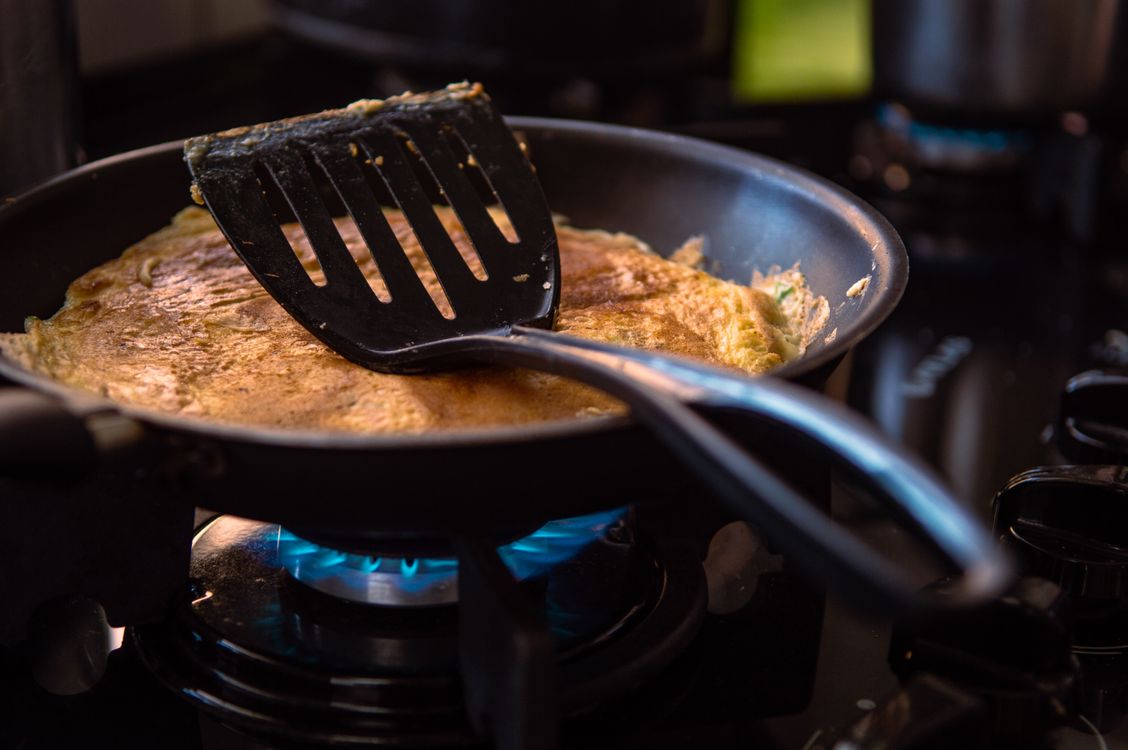
Perfectly cooked omelette in a nonstick frying pan with spatula

This post contains affiliate links. If you buy through my links, I may earn a commission at no extra cost to you.

The right pan matters more for omelettes than almost any other dish. Eggs cook fast, stick easily, and expose every flaw in your cookware. A good nonstick pan removes most of the technical difficulty. It is also why the pan, rather than the fat, is what decides whether eggs cook cleanly without butter.

For most people, the Tramontina Professional 8-Inch is the one to get: an NSF-certified restaurant pan at $28.99 whose owners report years of use before the coating wears. If you want a coating whose maker states it is PTFE-free, or you cook on induction, the SENSARTE Ceramic Pan is the alternative — expect to replace it sooner. If you make Japanese-style rolled omelettes specifically, the TECHEF Tamagoyaki is designed for exactly that task.

These picks are based on product specifications, manufacturer data, and aggregated buyer feedback across thousands of reviews. Where consistent complaints appear, I’ve flagged them.

Best Omelette Pans 2026: Quick Comparison

Product Best For Price Rating Buy
Tramontina Professional 8″ Best overall (8-inch, reinforced nonstick) $28.99 4.6★ (27,115) Check Price
SENSARTE Ceramic 9.5″ Best PTFE-free (9.5-inch, ceramic, PFAS-free) $23.50 4.4★ (35,387) Check Price
CAROTE Granite 8″ Best budget (8-inch, granite-effect nonstick) $14.24 4.6★ (36,154) Check Price
TECHEF Tamagoyaki Japanese omelettes (medium rectangular, Teflon nonstick) $24.99 4.7★ (7,558) Check Price
TECHEF Frittata Frittatas, no flip (9.5-inch round, two halves) $41.99 4.5★ (5,138) Check Price
All-Clad HA1 Set Best premium (8-inch + 10-inch, hard-anodized, PTFE nonstick) $69.99 4.6★ (10,834) Check Price

Prices and ratings were read from Amazon.com on 6 October 2026. The Tramontina and the All-Clad set were sold by Amazon.com; the others were sold by their own brand stores.

Best Omelette Pans 2026: Full Reviews

1. Tramontina Professional 8-Inch Nonstick Fry Pan — Best Overall

Tramontina Professional 8-inch nonstick fry pan with a brushed aluminium body and red silicone handle sleeve

4.6/5  ·  27,115 ratings  ·  $28.99  ·  View on Amazon

This pick replaced the SENSARTE ceramic pan as Best Overall in September 2026. The SENSARTE still releases eggs beautifully and stays on this list for anyone who wants a PTFE-free label, but critical owners of that exact pan report its coating failing anywhere from the first week to about a year. For an overall recommendation, how long a pan keeps working matters more.

The Tramontina Professional is a restaurant-style aluminium pan with a reinforced nonstick coating, NSF-certified and made in Brazil, at $28.99. It holds 4.6 stars across 27,115 ratings, and 24% of its written reviews are critical. What sets it apart is the durability reports: owners describe two, three to four, and five years of regular use before the coating wore out. It is not immune to early failure — a minority of owners report peeling within months, several of them after dishwasher use.

Two things to know before buying. It does not work on induction, and the listing says so plainly. Several owners also report that the 8-inch pan does not sit flat, tipping towards its long handle even with a couple of eggs in it; one owner posted a photo of theirs sitting level, so it may vary by unit, but check it on arrival.

The listing text and specification table give an oven limit of 400°F, although one of the product images says 500°F, so treat 400°F as the limit. It is listed as dishwasher safe, but several owners report the coating or the exterior degrading after dishwasher cycles, so hand wash it. The listing also carries a lifetime warranty.

Pros:

  • Several owners report years of use before the coating wore out
  • NSF-certified restaurant pan with a lifetime warranty, per the listing
  • 27,115 ratings at 4.6 stars, with 24% of written reviews critical
  • Oven-safe to 400°F, with a removable silicone handle sleeve

Cons:

  • Not induction-compatible
  • Several owners say the 8-inch pan tips towards its handle and does not sit flat
  • Food catches around the rivets, which several owners find hard to clean
  • The listing does not claim the coating is PTFE-free — choose the SENSARTE below if that matters

Verdict: The pan to buy if you want an omelette pan that keeps working. Skip it if you cook on induction or want a PTFE-free label; the SENSARTE ceramic pan below covers both. My full Tramontina Professional 8-inch review sets out the durability reports, the balance complaints and the oven-temperature discrepancy.

Check Price on Amazon ↗

2. SENSARTE Nonstick Ceramic Pan — Best PTFE-Free

SENSARTE Nonstick Ceramic 9.5-inch Omelette Pan

4.4/5  ·  35,387 ratings  ·  $23.50  ·  View on Amazon

The SENSARTE is the pick for anyone who wants a PTFE-free label or cooks on induction. A round 9.5-inch skillet with a ceramic coating free of PFAS, PTFE, and PFOA. Works on all stovetops including induction, and the heat-resistant handle stays cool during normal use.

Its 4.4-star rating is pooled with SENSARTE’s other sizes and its granite pan, but owners of this exact pan consistently report clean egg release from the first use. The ceramic coating heats quickly and responds fast to temperature changes — an advantage for omelettes where you need to pull the heat back before eggs overcook. How long that lasts is the catch: critical owners of this exact pan report food sticking anywhere from the first week to about a year, even with hand washing, so treat the coating as a consumable.

Pros:

  • PFAS-free and PTFE-free — the safest coating on this list
  • Induction-compatible, works on all stovetop types
  • Excellent nonstick release — eggs slide cleanly from day one
  • Lightweight and easy to manoeuvre one-handed

Cons:

  • Ceramic degrades faster than PTFE if overheated or dishwashed — hand-wash only, medium heat or below
  • Thinner construction than hard-anodized alternatives

Verdict: The right starting point if you want an omelette pan whose maker states in writing that it is PTFE-free. Expect to replace it sooner than a PTFE pan; my full SENSARTE ceramic review covers the reported lifespans, the pooled rating, and a listing that calls it both dishwasher safe and hand wash only.

Check Price on Amazon ↗

3. CAROTE Nonstick Granite Frying Pan — Best Budget

CAROTE 8-inch Granite Nonstick Frying Pan

4.6/5  ·  36,154 ratings  ·  $14.24  ·  View on Amazon

The CAROTE costs $14.24 and has 36,154 ratings at 4.6 stars — the largest sample on this list, though Amazon pools that count across the 8-, 10-, 12- and 12.5-inch sizes. It is induction-compatible and light enough to flip with one hand. CAROTE labels the coating PFOA-free, but unlike the SENSARTE it does not claim to be PTFE- or PFAS-free.

The granite-effect coating is a speckled stone appearance over aluminium — not actual granite. 8 inches handles a two- or three-egg omelette well; buy the 10-inch if you regularly cook for two. I could not find a reliable lifespan figure for this coating.

Pros:

  • Best value on this list — strong performance under $16
  • 35,000+ ratings at 4.6 stars
  • Sized for a two- or three-egg omelette
  • PFOA-free, all stovetops including induction

Cons:

  • Coating longevity limited at this price — 12 to 18 months before performance drops
  • 8 inches is small for large or multi-filling omelettes

Verdict: If you want to spend as little as possible on a pan that actually works, start here. My full CAROTE 8-inch review covers how long the coating lasts and what the listing does and does not claim about it.

Check Price on Amazon ↗

4. TECHEF Tamagoyaki Japanese Omelette Pan — Best for Japanese-Style Omelettes

TECHEF Tamagoyaki Japanese Rectangular Omelette Pan

4.7/5  ·  7,558 ratings  ·  $24.99  ·  View on Amazon

A rectangular pan designed specifically for Japanese rolled omelettes. Made in Korea from forged aluminium with a three-layer Teflon nonstick coating (PFOA-free), dishwasher-safe and sold as induction-ready, although several owners report induction hobs that do not detect it. The rectangular shape is the point — straight sides let you roll egg layers cleanly without them slipping off a curved edge.

If you only make Western-style omelettes, a round pan handles the fold better. But if tamagoyaki or Japanese breakfast dishes are part of your regular cooking, this is the right tool. 7,558 ratings at 4.7 stars, pooled across the medium and large sizes — strong for a specialist item.

Pros:

  • Rectangular shape is genuinely better for Japanese rolled omelettes
  • Owners report years of use from the Teflon coating, in two cases close to seven
  • Dishwasher-safe, and works on most induction hobs
  • 4.7 stars across 7,500+ ratings

Cons:

  • Rectangular shape limits it to Japanese egg dishes and a few other tasks
  • Smaller usable surface than a round 9.5-inch pan
  • Induction detection is unreliable on some hobs, and TECHEF lists two oven limits: 350°F in the bullets, 450°F in the specification table

Verdict: Buy this if tamagoyaki is part of your regular cooking. Don’t buy it as a general omelette pan. My full TECHEF tamagoyaki review covers the induction reports, the coating and the oven-limit conflict.

Check Price on Amazon ↗

5. TECHEF Frittata and Omelette Pan — Best for Frittatas and No-Flip Cooking

TECHEF Frittata Double-Sided Folding Omelette Pan

4.5/5  ·  5,138 ratings  ·  $41.99  ·  View on Amazon

A double-sided folding design: two nonstick plates that hinge together, letting you cook on one side then fold the pan over so the food lands cleanly on the other plate. No mid-air flip required — genuinely useful for large omelettes packed with fillings that would fall apart during a toss.

At $41.99, you’re paying for the folding mechanism as much as the cooking surface. 5,138 ratings at 4.5 stars, pooled across the black and purple versions, back up the concept. The downside is bulk — two plates plus a hinge takes considerably more cabinet space than a single pan. The bigger practical issue is leaking: several owners report liquid egg escaping at the hinge seams when they fold it, and owners who avoid it fold front to back over the handles rather than side to side.

Pros:

  • Folding design eliminates the flip — easier for large or stuffed omelettes and frittatas
  • Works for pancakes and anything else you’d normally flip without tossing
  • Teflon Select nonstick (PFOA-free), made in Korea, oven-safe to 450°F

Cons:

  • Bulky to store — two plates and a hinge takes more cabinet space
  • Expensive if frittatas aren’t a regular part of your cooking
  • Liquid egg can leak from the hinge seams when folding, and it does not work on induction

Verdict: Worth buying if frittatas appear on your weekly menu. For occasional omelettes, the Tramontina Professional 8-inch gives better everyday utility for less money. My full TECHEF frittata pan review covers the leaking problem and how owners avoid it.

Check Price on Amazon ↗

6. All-Clad HA1 Nonstick 8-Inch and 10-Inch Fry Pan Set — Best Premium Option

All-Clad HA1 hard-anodized nonstick 8-inch and 10-inch fry pans

4.6/5  ·  10,834 ratings  ·  $69.99  ·  View on Amazon

This pick replaced the Calphalon Easy System in September 2026. The Calphalon was down to its last units on Amazon, and its owners reported short, hot handles and a small cooking base.

The All-Clad HA1 set pairs an 8-inch pan for omelettes with a 10-inch pan for everything else, at about $70 for both. The bodies are hard-anodized aluminium on a stainless steel base, so they work on induction, and they are oven-safe to 500°F. All-Clad states plainly that the coating is PTFE nonstick. The set holds 4.6 stars across 10,834 ratings, and 26% of its written reviews are critical.

The reviews carry real warnings for the price. At least six owners report the pans warping, several of them on induction hobs, where even a slight warp makes the base rock. The handles are the other recurring complaint: many owners find them uncomfortable, some say they get hot, and All-Clad’s own product image suggests wrapping a towel around the handle.

Coating reports vary. Some owners are happy after 18 months, others report sticking or peeling within a year, and at least one says All-Clad would not cover peeling under the warranty. Hand washing is the safer choice, even though the listing says dishwasher safe.

Pros:

  • Two pans, 8-inch and 10-inch, for about $70
  • Works on induction and in the oven to 500°F
  • The largest rating sample of the premium options checked: 10,834 ratings at 4.6 stars
  • Double-riveted stainless steel handles

Cons:

  • At least six owners report warping, several on induction
  • Handles that many owners find uncomfortable, and some say get hot
  • A minority report coating failure within a year, and one says peeling was not covered by the warranty

Verdict: Worth it if you want an induction-ready, oven-safe pair from an established brand and can live with the handles. On gas or electric, the Tramontina Professional 8-inch is a single omelette pan with stronger durability reports for much less. My All-Clad HA1 fry pan set review covers the owner reports in full.

Check Price on Amazon ↗

What to Look for in an Omelette Pan

Round vs. Rectangle: It Depends What You’re Making

Round pans with sloped sides are better for Western omelettes — the slope helps you roll or fold the egg over the filling without tearing it. Rectangular pans like the TECHEF Tamagoyaki are designed for Japanese-style rolled omelettes, where straight sides help you build up thin egg layers in a controlled roll. Don’t buy a rectangular pan unless tamagoyaki is actually something you make.

Ceramic vs. PTFE vs. Hard-Anodized

Ceramic (SENSARTE): PFAS-free and PTFE-free, performs well at medium heat but degrades faster if overheated or dishwashed. Conventional nonstick (Tramontina, TECHEF and CAROTE, none of which is labelled PTFE-free): lasts longer at higher temperatures but releases fumes if left empty on a high flame. Hard-anodized (All-Clad HA1): a tougher pan body and a higher oven limit, though the nonstick coating inside wears like any other. For omelettes, the practical difference is small — good technique uses medium or medium-low heat, where all three perform similarly.

Size: 8-Inch vs. 9.5-Inch

An 8-inch pan suits a two- or three-egg omelette for one person. A 9.5-inch pan gives more room for fillings and is better for cooking for two. See my guide to nonstick pans for gas stoves if you need a larger all-purpose option.

Frequently Asked Questions

What makes a pan specifically good for omelettes?

Three things: sloped sides so you can roll without tearing, a reliable nonstick coating so eggs slide, and even heat distribution with no hot spots. Most dedicated omelette pans have all three. A flat-sided skillet can make omelettes but is less forgiving.

Do I need a separate pan just for omelettes?

Not strictly — but it helps. If you use the same pan for bacon or sausage, residue eventually builds up and affects release. A dedicated 8-inch pan kept just for eggs stays slippery much longer. At $15–25, it’s not a significant investment.

How long does a nonstick coating last?

It varies far more than the labels suggest. Owners of the pans in this guide report ceramic coatings failing anywhere from the first weeks to about a year, and conventional nonstick lasting from about two years to more than five. Hard-anodizing toughens the pan body, not the coating. All degrade faster with metal utensils, dishwasher use, or high heat.

Is ceramic nonstick coating safe?

Yes, for normal cooking temperatures. Ceramic coatings are free of PFAS, PTFE, and PFOA. The main risk is overheating above 450°F — avoid preheating an empty pan on high.

What’s the difference between a French and an American-style omelette?

A French omelette is cooked quickly over medium-high heat, rolled so the outside stays pale with no browning. An American omelette is cooked more slowly, folded in half, often with slight browning. French omelettes require fast heat response and very good nonstick release — the Tramontina and SENSARTE both work well.

Can I use an omelette pan for other things?

Yes — a round nonstick omelette pan is just a small frying pan. Works for sautéed vegetables, pan sauces, fish fillets, or anything that fits in 8–9.5 inches. The TECHEF Tamagoyaki is the exception: the rectangular shape limits it to Japanese egg dishes. The Tramontina, SENSARTE and CAROTE suit the widest range of dishes.

How These Picks Were Chosen

Plainly: this is a research-based guide, not a hands-on test. I have not run these side by side, and nothing here should be read as a report from my own kitchen.

What the picks rest on: coating type and how many layers are claimed, base thickness and induction compatibility, sloped-wall geometry that actually lets an omelette roll, and handle construction and oven-safe temperature; plus the complaint patterns in verified-purchase reviews, which for nonstick pans are strikingly consistent – the coating releases well for months, and then it does not.

What I could not establish: how long each coating lasts, which is the only thing separating a good nonstick pan from a bad one. No standardised abrasion test is published for these pans, and owner reports conflate careless use with genuine coating failure. Where a pan is called durable here, that is owner consensus rather than a measured result.

The Bottom Line

For most people, the Tramontina Professional 8-Inch is the right call: a restaurant-grade pan that owners report lasting for years, at $28.99. If you want a PTFE-free label or cook on induction, the SENSARTE Ceramic Pan is the one to buy, on the understanding that its coating may not last as long. The CAROTE is a reasonable alternative if you want to spend less. For five-minute hands-off breakfasts, my Hamilton Beach breakfast sandwich maker review covers the $30 gadget that replaces the drive-through.

If Japanese omelettes are part of your regular cooking, get the TECHEF Tamagoyaki. For frittatas, the TECHEF Frittata Pan earns its cost. The All-Clad HA1 set is the premium choice if you cook on induction and want two pans, provided you can live with the handles.

For more cookware recommendations, see my full cookware guide.


Filed Under: Product Reviews

What Does Jackfruit Taste Like? A Complete Guide to This Super Fruit

Last Updated October 20, 2026

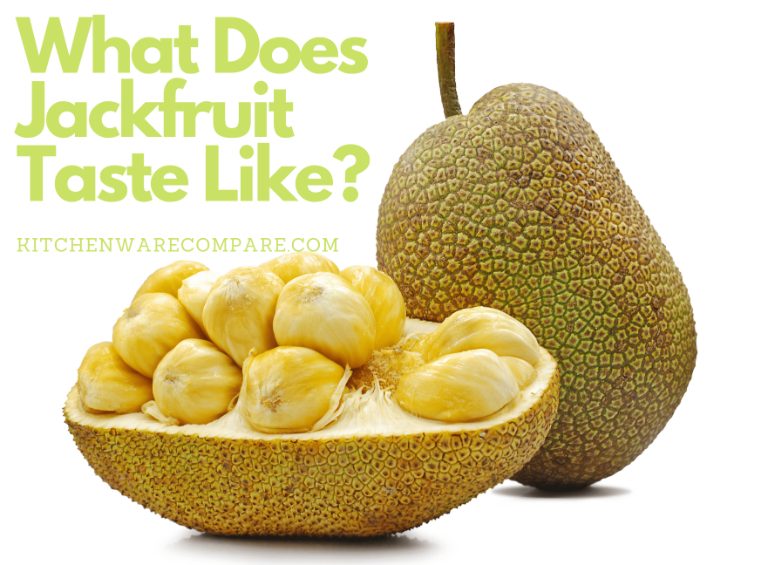
Jackfruit

Ripe jackfruit tastes like a mix of banana and pineapple with hints of apple or mango. Unripe (young green) jackfruit is mild, with a stringy, pulled-pork texture that soaks up whatever you cook it in — which is why it shows up in so many vegan and vegetarian dishes. They can be eaten raw, used as a vegetable in cooking, or ripe as a fruit. I’ve cooked with both ripe and unripe jackfruit — this article covers how to identify a ripe one, what it tastes like, and where to find it, plus a few recipes worth trying: BBQ Jackfruit Bites, Thai Pineapple Curry with Jackfruit, and a Jackfruit Burger.

So, what does jackfruit taste like?

The taste of Jackfruit depends on the ripeness of the fruit when consumed. Its meat-like texture is what makes it work in vegan and vegetarian cooking. Ripe Jackfruit tastes like a combination of banana and pineapple, with hints of apple or mango.

If you are craving meat but don’t want the guilt associated with it, jackfruit is the closest plant-based stand-in. The texture is similar to pulled pork and, when cooked well (like in my BBQ Jackfruit Bites recipe), will have that crispy outside and juicy inside barbecue chicken wings.

Jackfruits come in a number of different varieties, each with its own unique taste. Here are some of the most popular:

Black Gold Jackfruit: This is a green-skinned variety of jackfruit. They are large, dark brown in color with a velvety smooth texture, and have an apple-like taste

Cheena Jackfruit: This is a yellow-fleshed variety of jackfruit. They are smaller in size, pale green to light brown in color, and have an earthy taste, so are usually used in cooking.

Cochin Jackfruit: This is a variety of Jackfruit primarily grown in Australia. They are typically smaller in size, light green to pinkish-brown in color and have an earthy taste with hints of banana.

Dang Rasimi Jackfruit: This is a variety of Jackfruit primarily grown in Thailand. They are typically large, bright green to light brown in color, and have a sweet taste with notes of mango.

Golden Nugget Jackfruit: Averaging between 6-8 pounds, this is well known as being a deliciously sweet variety of Jackfruit with a smooth texture and dark orange flesh.

Green Horned Jackfruit: This is an uncultivated variety that bears similarities to the black gold type of jackfruit. It has been described as having spicy notes with hints of pine.

What is Jackfruit?

Jackfruit is a fruit native to India. They can grow huge, depending on the variety, and are used as a popular substitute for meat. The inside of the fruit is made up of numerous pouches of flesh wrapped in edible skin.

Jackfruit has been cultivated in tropical climates around the world for centuries. There are over 100 varieties, and they come in four different colors: green, yellow, red, or purple. The fruit can be eaten raw or cooked with an edible peel and even edible seeds.

The unripe fruit tastes bitter and is best used for cooking, while ripe ones have this sweet flavor with hints of banana and pineapple; you may also detect other more exotic flavors like mango or apple.

You should note that Jackfruit can be an acquired taste.

Young jackfruits will have spikes on their surface which make them hard to handle, but once they ripen, these disappear, making them easier to prepare

The flesh of this tropical fruit is composed mainly of water (around 92%), which suits dishes where you want a refreshing taste, like my Thai Pineapple Curry recipe.

They also work well when combined with coconut milk, where their texture becomes more like tofu than meat.

But Its taste can also provide an interesting twist in many different dishes!

How can you tell if a Jackfruit is ripe?

You can use three signs to find out. Learn the signs to get the best-tasting Jackfruit.

Firstly, your jackfruit will have a sweet smell, which means it is ripe enough for cooking and eating.

Secondly, the fruit should show some yellow or brown coloring when peeled

Lastly, you need to see if the fruit gives in pressure and creates a “give” sound; this tells you that it’s at its peak ripeness

To tell if jackfruit is ripe enough, the fruit should feel heavy for its size and have an even distribution of colors from white, yellow, or brown on the inside. If the skin has dark spots, then it means they are extra sweet!

The smell of jackfruit depends on the ripeness, as with its flavor. Unripe fruit will have a strong and unpleasant aroma, while ripe ones emit a sweet scent that resembles bananas or pineapple.

Suppose all these three things are true, then congratulations! You’ve found yourself a perfect specimen of jackfruit ripe for picking up and utilizing into one of my recipes, such as BBQ Jackfruit Bites or Vegan Pulled Pork Sandwiches with Slaw Pico de Gallo!

How to prepare Jackfruit

Young Jackfruits are not easy to peel due to their spikes, but these disappear when they mature, making them easier to handle.

When using them for cooking, cut the jackfruit into small cubes and boil until it becomes soft. After this, rinse well in water to remove any dirt.

If you want something that’s refreshing like my Thai Pineapple Curry recipe, mature unpeeled Jackfruit works perfectly because their consistency resembles tofu more than meat when cooked while still maintaining its texture.

But if you’re looking for a meatier texture, I recommend that the jackfruit be cooked with some coconut milk or soy sauce to give it more flavor. You can also add other vegetables like mushrooms, bell peppers, or carrots as your creativity sees fit!

There is an appropriate way of preparing every dish, so read all my recipes carefully and get inspired by new ways of cooking this tropical fruit!

How to cut Jackfruit?

Cutting a Jackfruit can be very challenging due to the size of the fruit. They can be enormous (up to 100lbs). They also contain a sticky resin that can stick to the knife and make it difficult to slice through — a full-size, sharp chef’s knife (oiled lightly to resist the sap) makes this far easier than a small utility blade.

I found this great video on Youtube that walks you through the process step by step.

What are the Nutritional Benefits of Jackfruit?

As mentioned before, jackfruit is mainly composed of water, making it a perfect choice for dishes that require something refreshing, like my Thai Pineapple Curry recipe.

It also has high amounts of micronutrients, including vitamin C, B-complex vitamins (especially folates), potassium, and magnesium.

Additionally, the fruit contains significant amounts of dietary fiber; this can help in weight loss by reducing hunger and controlling blood sugar levels and cholesterol levels. The soluble fibers will keep you satiated longer, while the insoluble ones have been shown to lower LDL or “bad” cholesterol by binding with bile salts found in food particles.

Jackfruit are rich sources of antioxidants such as carotenoids (beta-carotene, alpha-carotene, beta-cryptoxanthin) and polyphenols (flavones like quercetin).

In comparison with other foods, jackfruit is a great source of protein. It contains about six grams per cup.

The fruit also has high amounts of dietary fiber, which makes it easy to digest while being rich in vitamins and minerals, making them an excellent choice for those who need more calcium or potassium in their diet. Jackfruit is also gluten-free!

Is Jackfruit a good meat substitute?

Jackfruit is a great substitute for meat because it usually has a similar texture and consistency to tofu but also retains its own flavor.

It is readily available and far tastier than Tofu. For pulled-pork-style dishes, a few pulses in a food processor shreds young jackfruit in seconds.

Where can you buy Jackfruit?

The best way to purchase Jackfruit is by picking it up at a local fruit market! Make sure that the fruits are ripe and have a sweet scent.

A more convenient option would be buying them frozen. This can be done online or in any store where they sell canned goods.

You can also find fresh jackfruit but make sure you buy them from an ethical source that only sells produce grown without insecticides, fertilizers, or genetic modification.

You can purchase jackfruit on Amazon, and I’ve listed some good options below.

Popular Jackfruit recipes

BBQ Jackfruit Bites:

Prep Time: 30 minutes

Cook Time: 20 minutes

Servings: 12-14 appetizers

Ingredients:

• One 25oz can of jackfruit in water, drained, and chopped into small pieces. • ½ Cup vegan BBQ sauce (I recommend using my Homemade Vegan BBQ Sauce Recipe) • ¼ tsp garlic powder • Pinch sea salt or to taste

Instructions:

Take a large bowl; add the prepared Jackfruit. Put together the BBQ sauce with vinegar, ketchup, garlic, and pepper. In a nonstick pan on medium heat, mix all ingredients until they are well combined.

Cook for about 15-20 minutes. Make sure that you stir now and then so that it doesn’t stick to one side. Scoop out onto a paper towel-lined cookie sheet and let cool for about 15 minutes, then serve

Thai Pineapple and Jackfruit Curry:

Prep time: 30 minutes

Cook Time: 20 minutes

Servings: Makes four servings, can be doubled or tripled for more people.

Ingredients:

• One medium onion, diced • Four garlic cloves, peeled and minced • Two tablespoons grated ginger root • Three inches fresh turmeric root, sliced into rounds ¼-inch thick – if you don’t have fresh Turmeric, use ½ tsp ground Turmeric instead. • Five whole cardamom pods (if using preground spices, then increase to two teaspoons) • 1lb of Jackfruit and 1 tin of Pineapple chunks

• One-inch fresh cinnamon stick • Pinch of cayenne pepper • Two teaspoons garam masala • Five dried bay leaves (or one tablespoon dried thyme) • Fresh ginger, peeled and grated to taste – I like using about four tablespoons for two cups of sauce or so; this is completely up to personal preference though! You can also use powdered ginger if you don’t want too much texture, but it doesn’t have as strong an effect as some might prefer.

Instructions:

If using frozen Jackfruit, thaw it by letting it sit in the fridge for a day or two. You can use frozen Jackfruit if you’re making this dish during seasons when jackfruit is not available fresh, but note that thawing will take longer and may not work as well (since freezing tends to break down the cell walls)

Drain jackfruit and pat dry with a paper towel or clean kitchen cloths. Cut into small cubes about ¼-inch thick. Set aside

In a deep saute pan, add three tablespoons of coconut oil – I use organic cold-pressed here. Fry onion until browned, then toss in garlic cloves, grated ginger root, bay leaves, cardamom pods, cinnamon sticks, and salt over medium heat, often stirring, so they don’t burn too quickly). Fry for about five minutes, then add in all the spices and fry until fragrant. Next, toss in your jackfruit cubes and Pineapple chunks, stirring to coat them with the onion mixture.

Add coconut milk or cream (preferred)

If you’re using fresh bay leaves, add four of them now instead of five dried ones. You can also use both if you want an extra hit of flavor!

Bring it to a boil, then simmer on low heat for 20-30 minutes before serving hot over rice or grains like quinoa, barley, etc. Garnish with chopped cilantro and serve as is or over steamed vegetables such as broccoli, cauliflower, carrots, etc.… Enjoy this one-pot meal that’s great for cold days, too, because there are plenty of delicious flavors to keep you warm!

Jackfruit Tacos Recipe:

Prep Time: 30 minutes

Cook Time: 15-20 minutes

Servings: Makes 12 tacos. It can be doubled or tripled for more people.

Ingredients:

• One small onion, diced • Two cloves garlic, peeled and minced

• Three tablespoons tomato paste (preferably roasted) • Four cups shredded cooked jackfruit or one 25oz can in water drained and chopped into small pieces. • ½ Cup vegan BBQ sauce, plus some for topping tacos if desired • ¼ tsp garlic powder

Instructions:

In a deep saute pan, add three tablespoons of coconut oil – I use organic cold-pressed here. Fry onion until browned, then toss in garlic cloves over medium heat, often stirring, so they don’t burn too quickly). Fry for about five minutes, then add the spices and fry until fragrant. Next, toss in your jackfruit cubes and Pineapple chunks, stirring to coat them with the onion mixture.

In a separate bowl, whisk together BBQ sauce and tomato paste. Pour this over your jackfruit mixture and stir until everything is coated (remember to include pineapple as well). Let it simmer on medium-low heat for 15 minutes covered.

Pour into tortillas or taco shells of choice with desired toppings such as lettuce, avocado slices, etc… Enjoy!

Jackfruit Burger Recipe:

Prep Time: 20 minutes

Cook Time: 15-20 minutes

Servings: Makes six burgers.

Jackfruit Burgers are easy to make and taste great!

Ingredients:

• One cup mashed, cooked jackfruit (you can use canned) • ½ Cup chickpeas/garbanzo beans, finely chopped and blended until smooth in a food processor • ¼ tsp onion powder • ¼ tsp garlic powder • A few dashes of chili seasoning mix if desired

Instructions:

In a bowl, mix the jackfruit with chickpeas until it becomes sticky. Add onion powder and garlic to taste, then shape six burgers out of your mixture. Place on an oiled pan or top of foil (sprinkle some salt if desired) and cook for 15-20 minutes over medium-high heat.

Serve as is or place in lettuce leaves, burger buns, etc…with all your favorite toppings!

Jackfruit Nachos Recipe:

Prep Time: 20-30 minutes

Cook Time: None – assemble when ready to serve

Servings: Makes six servings/six to eight appetizer servings. It can be doubled or tripled for more people.

Ingredients:

• One small onion, diced • Two cloves garlic, peeled and minced • Three tablespoons tomato paste (preferably roasted) • Four cups shredded cooked jackfruit or one 25oz can in water drained and chopped into small pieces. • ½ Cup vegan BBQ sauce, plus some for topping if desired

Instructions:

Toss these ingredients together with your hands until they are evenly distributed on the tortilla chips, then top them off with any of your favorite toppings! Be creative…I used guacamole, salsa verde, and black beans here but feel free to get really wild – use what you have on hand to create a custom nacho recipe!

Conclusion

Jackfruit is a fruit that’s been around for quite some time, but it’s still relatively unknown to many people. It originates in India and Southeast Asia and has grown popular due to its ability to replace meat as an ingredient in dishes like tacos or pulled pork sandwiches. This article provides information about the taste of jackfruit, where you can find it, how to cook with it, and more! I hope this post will help introduce you (or your friends) to one more delicious food item out there waiting for you to try! If nothing else, share this blog on social media, so others have access to all these great facts about Jackfruit- I think they’ll appreciate them just as much as I do!”

Looking for other flavour guides? See what wild boar, crawfish and okra taste like.

Filed Under: Food Blog

  • « Go to Previous Page
  • Page 1
  • Interim pages omitted …
  • Page 67
  • Page 68
  • Page 69
  • Page 70
  • Go to Next Page »

Recent Articles

  • Burr vs Blade Grinder: Which One Should You Buy?
  • Stainless Steel Pan Sticking? Causes and the Water Test
  • Carbon Steel Pan Rusting: What Makers Say to Do
  • Moka Pot Grind Size: What to Set and How to Dial It In
  • Hard Anodized vs Stainless Steel Cookware: Which to Buy

Search


HOME          Contact          Affiliate Disclosure          Terms of Service          Privacy Policy


kitchenwarecompare.com is a participant in the Amazon Services LLC Associates Program, an affiliate advertising program designed to provide a means for sites to earn advertising fees by advertising and linking to Amazon.com, Endless.com, MYHABIT.com, SmallParts.com, or AmazonWireless.com. Amazon, the Amazon logo, AmazonSupply, and the AmazonSupply logo are trademarks of Amazon.com, Inc. or its affiliates. As an Amazon Associate I earn from qualifying purchases.


Copyright © 2026 kitchenwarecompare.com, ALL RIGHTS RESERVED.