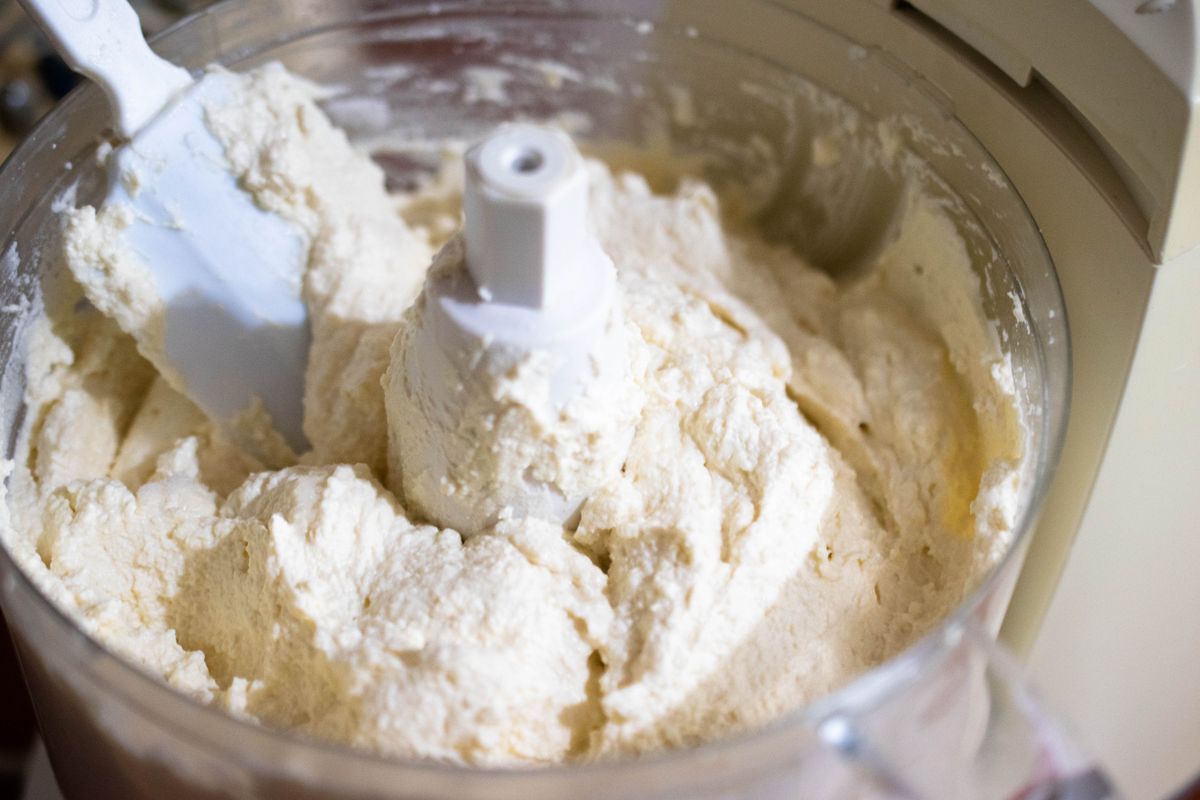
Photo by Julio Mantilla from Pexels
Short answer: if your food processor smells like it’s burning, the most common cause by far is an overloaded motor — too much food, too thick a mixture, or too long a run time, not a defect. A brand-new machine can also smell faintly hot for its first few uses, which is normal. But a strong burnt-plastic smell, smoke, or a smell that returns every time you use it is different, and this guide covers exactly how to tell which one you’re dealing with.
Is This Just a New-Machine Smell?
A mild, faint hot smell in the first handful of uses is common and not a fault — it’s residual manufacturing oil or coating burning off the motor windings as it runs for the first time. This fades within a few uses and doesn’t return. If you’re past that first-use window, or the smell is strong enough that you can smell burnt plastic rather than just “warm,” treat it as one of the causes below instead.
The Most Common Cause: Overloading the Motor
Packing the bowl too full, processing something too thick or dense (raw meat, heavy dough, hard vegetables in a large batch), or running the machine continuously for several minutes all make the motor work harder than it’s built for. That extra strain generates heat, and heat is what you’re smelling. This is the single most common reason a food processor smells hot, and it’s also the easiest to fix.
Unplug it, let it cool for at least 20 minutes, and process smaller batches or pulse instead of running it continuously next time. No repair needed. Owners who report this most often trace it to pushing too much dough through in one go, and the smell does not return once the batch is split in two.
A Dull or Damaged Blade
A blade that’s lost its edge has to work harder to cut through the same food, which pushes more load onto the motor the same way overloading does. Sustained overload is also what strips the drive coupling, which leaves a food processor humming without the blade turning the bowl does. If the smell shows up specifically when processing something the blade used to handle easily, check the blade for dullness or chips before assuming the motor itself is failing. My guide to sharpening food processor blades covers how to tell if yours needs sharpening or outright replacement.
Blocked Motor Vents
The motor base has vents to let heat escape while it runs, and food debris, flour dust, or simply pushing the unit flush against a wall or other appliances can block them. A motor that can’t shed heat properly will run hotter than it should on an otherwise normal load. Check that the vents on the underside and sides of the base are clear, and give the unit some open space around it rather than wedging it into a corner.
Worn Gears or a Slipping Drive Shaft
The drive shaft (sometimes called a coupler) connects the motor to the blade, and it’s usually a soft plastic or nylon gear by design — it’s meant to strip before the motor itself takes damage. A worn or slipping drive shaft forces the motor to spin without properly turning the blade, which is a genuine overload condition even with a light load in the bowl. If the blade feels loose, spins slower than it should, or you hear grinding along with the smell, this is more likely mechanical wear than simple overloading.
Liquid in the Motor Housing
If a seal or gasket around the bowl or lid has worn out, liquid can work its way down into the base where the motor lives. Water and electrical motors don’t mix well, and the smell this produces is usually more acrid than a simple heat smell. This is less common than overloading but worth ruling out if you’ve been processing anything wet and the smell appeared afterward — inspect the seals for cracking or gaps before reassembling.
When to Stop Using It Immediately
A faint, brief hot smell that clears once the motor cools is a strain issue, not a safety issue. Visible smoke, a burning smell that doesn’t fade after the unit cools for 20-30 minutes, a tripped circuit breaker, or any scorch marks or melted plastic around the base are different — unplug it immediately and don’t use it again until it’s been checked or replaced. The U.S. Consumer Product Safety Commission specifically flags overheating motors and motors that emit burning smells as a genuine small-appliance fire hazard category, not something to keep using and monitor.
Is It Worth Repairing or Time to Replace?
A worn drive shaft or gear is a cheap, DIY-friendly fix on most machines and usually worth doing. A motor that’s actually failed — burnt windings, not just an overload strain smell — is a different calculation: replacement motors and the labor to install them often cost close to half of what a new mid-range food processor costs, and a machine that’s already run into motor trouble once is more likely to again. If your machine is out of warranty and the smell traces back to the motor itself rather than the blade, gears, or a simple overload habit, replacing it is usually the more practical call — my Cuisinart DFP-14BCNY review is a reasonable starting point if you’re shopping for a sturdier replacement.
Frequently Asked Questions
Is it normal for a food processor to smell hot when it’s new?
Yes, a faint hot smell in the first few uses is normal and fades on its own — it’s residual manufacturing coating burning off, not a defect. It shouldn’t return after the first several uses.
Why does my food processor smell burnt when I make dough?
Dough is thick and dense, which is exactly the kind of load that overworks the motor fastest. Run smaller batches, pulse rather than running continuously, and let the machine cool between batches if you’re processing a lot of dough.
Can a food processor catch fire?
It’s rare, but the CPSC does track overheating motors in small kitchen appliances as a genuine fire hazard category. Visible smoke, scorch marks, or a smell that doesn’t clear after the motor cools are signs to unplug it and stop using it, not warm-up quirks to monitor.
How long should I let my food processor cool down between uses?
At least 20 minutes if it’s shown any sign of strain (a hot smell, slowing down, or the motor sounding labored). For normal use without those signs, there’s no fixed cooldown requirement.
Why does my food processor smell burnt but still work fine?
This points to overloading rather than a failing motor — the machine is straining under too much load but hasn’t actually been damaged yet. Reduce batch size and give it rest time between runs before it becomes a real motor problem.
Bottom Line
Nine times out of ten, a burning smell from a food processor means the motor is overworked, not broken — smaller batches and letting it cool solve it. The exceptions worth taking seriously are a smell that persists after cooling, visible smoke, or scorch marks, all of which mean stop using it rather than push through. If you’re due for a replacement, my food processor buying guide covers what’s actually worth buying, and my guide to cleaning a food processor covers the maintenance habits that keep a new one out of this situation longer.

I'm Glenn, and I started Kitchenware Compare to cut through conflicting product reviews and help readers pick kitchen gear with confidence. I don't own or test the products I write about — these guides are built from verified-purchase reviews, manufacturer specifications, and independent testing where it exists, with the reasoning shown, not just a rating.
Leave a Reply