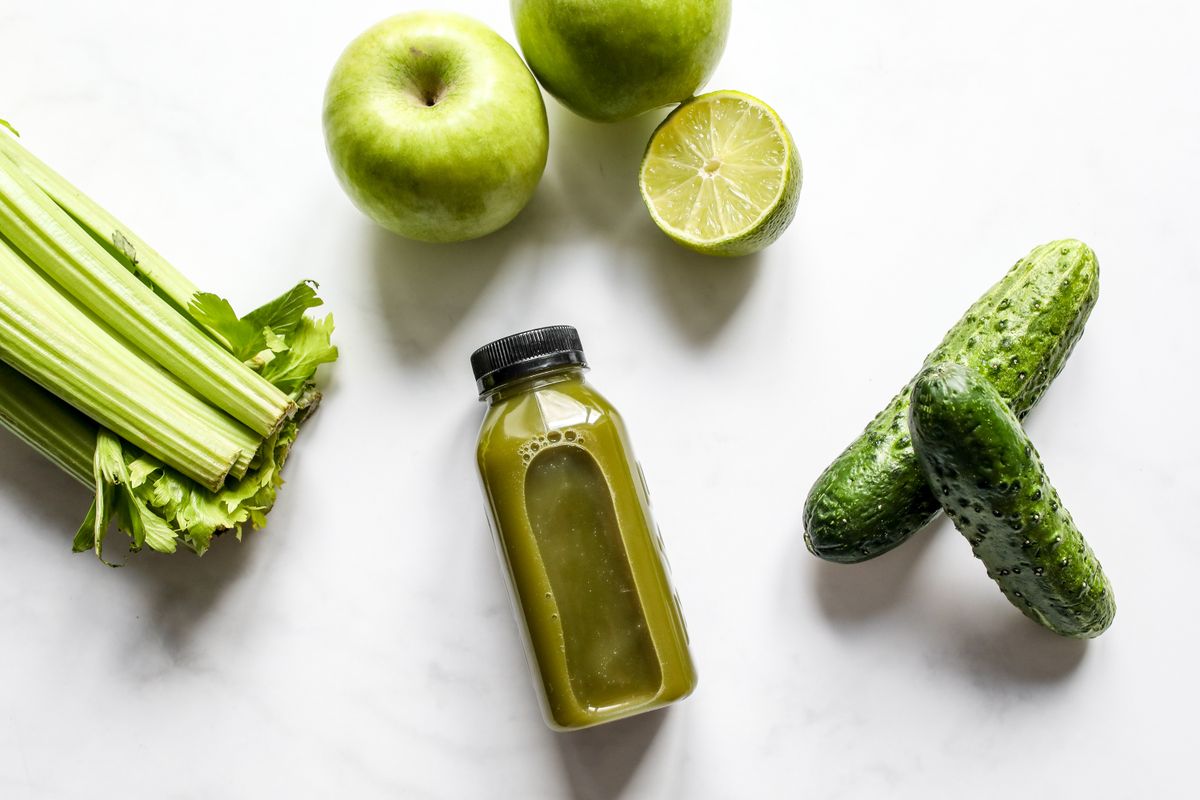
The short answer: buy a centrifugal juicer if you mostly juice hard produce — apples, carrots, beets, citrus — and want a glass in under a minute. Buy a masticating (cold press) juicer if celery, kale, spinach or wheatgrass are the reason you’re buying at all. The yield difference on fibrous greens is real and you will see it in the pulp. The nutrient difference is far smaller than the brands selling masticating juicers imply.
This post contains affiliate links. I earn a commission if you buy through the Amazon links below, at no extra cost to you.
Worth knowing before you read anything else on this topic: almost every page ranking for this question is published by a company that sells one type of juicer. Hurom and Goodnature sell cold press machines. Breville built its name on centrifugal. NutriBullet sells its own thing.
Those pages aren’t lying, but they’re all answering a question they have a commercial stake in. This one recommends both, depending on what you actually put through the machine, and it pushes back on the part of the standard sales pitch that doesn’t hold up.
How the two machines actually work
Jamming is the complaint that follows both designs around; why juicers clog and how to diagnose it covers the causes and the fixes.
A centrifugal juicer shreds produce against a flat spinning blade, then flings the pulp outward against a mesh screen at 10,000-plus RPM. Centrifugal force separates juice from fibre. It is fast, it is loud, and the wide feed chutes typical of the design mean you can drop in a whole apple.
A masticating juicer — also sold as cold press or slow juicer — turns a single auger at roughly 43 to 80 RPM, crushing produce against a screen and squeezing the juice out. There is no shredding and no high-speed air whipping. It is slower to feed and the chute is usually narrower, so you pre-cut more.
That mechanical difference explains every practical difference below. Shredding works well on dense, rigid produce that breaks apart cleanly. Crushing works better on long fibrous strands that a shredder tends to wrap rather than break.
Side by side
| Factor | Centrifugal | Masticating (cold press) |
|---|---|---|
| Speed | 10,000+ RPM | 43-80 RPM |
| Time per glass | Under a minute | Several minutes |
| Hard fruit and roots | Excellent | Excellent |
| Leafy greens and celery | Poor — wet pulp, low yield | Strong — the main reason to buy one |
| Noise | Loud | Notably quieter |
| Juice shelf life | Drink fresh — separates within hours | 24-72 hours sealed and refrigerated |
| Pre-cutting | Minimal — wide chutes | More — narrower chutes |
| Typical entry price | Lower | Higher |
Yield: where the difference is real
On hard produce the two are closer than the marketing suggests. Run apples or carrots through either and you get a good glass of juice; a centrifugal machine gets there faster and the pulp comes out reasonably dry.
Fibrous greens are where they separate, and it is visible without any measuring equipment. Put celery through a centrifugal juicer and pick up the pulp: it comes out heavy and damp, because the shredding action tears the stalk without ever really squeezing it. The same celery through a masticating auger produces drier, lighter pulp and more liquid in the jug. You do not need a scale to see it.
You will find a specific percentage figure quoted across a lot of juicer pages for how much more a masticating machine yields. I am not going to repeat a number I have not measured myself, and neither have most of the sites quoting it — it circulates because it is repeated, not because it is independently established. Treat the direction as reliable and the precise figure as marketing.
The nutrient claim, honestly
Shelf life is the part of this that is real rather than oversold: how long fresh juice actually lasts, and why the juicer changes it.
This is the part of the pitch that gets oversold, and it is worth being blunt about because it is the argument most often used to justify the price gap.
The mechanism is real in principle. Centrifugal juicers spin fast, which whips air into the juice and generates some friction warmth. Oxygen and heat both degrade certain compounds, notably vitamin C and some enzymes. That much is basic chemistry and not in dispute.
What is oversold is the scale. The “heat” a centrifugal juicer generates is a few degrees, not cooking. The degradation happens over hours, which matters enormously if you are batch-juicing on Sunday for the week, and matters very little if you drink the glass you just made. If you juice and drink immediately, the nutritional difference between the two machines is small enough that it should not drive a $150 buying decision on its own.
Buy a masticating juicer for the yield on greens and the longer fridge life. Those are real, observable, and worth paying for if they apply to you. If someone is selling you one primarily on enzymes, they are reaching.
Which one should you buy?
Buy centrifugal if…
- Apples, carrots, beets, citrus and other hard produce are most of what you juice
- You drink the juice straight away rather than batching it
- Speed is what determines whether you’ll actually use the machine on a weekday
- You want the lowest entry price from an established brand
- Noise isn’t a constraint — no early mornings in a shared house
Buy masticating if…
- Celery, kale, spinach or wheatgrass are a real part of why you’re buying
- You batch-juice and store it for a day or more
- You want maximum yield from expensive organic produce
- Noise matters — early mornings, open-plan kitchen, sleeping household
- You’ll also use it for nut butters, sorbets or baby food (many masticating models include these)
A representative centrifugal machine: Breville JE98XL
Full review: Breville JE98XL review, including the independent category scores behind the yield difference described above.

The JE98XL is the centrifugal machine with the longest track record on Amazon — 16,756 ratings at 4.5 stars, which is more owner data than any other juicer in this category. An 850W dual-speed motor and a 3-inch feed chute mean whole apples go in without pre-cutting. It does exactly what a centrifugal juicer is supposed to do, and it will disappoint you on celery, which is the honest summary of the entire machine type.
Current price: $149.95
A representative masticating machine: Omega Cold Press
Full review of this machine: Omega Cold Press juicer review. For the hands-free end of the masticating market, see the Nama J2 review.
A cheaper masticating alternative that outscored both in the same independent test: the Ninja NeverClog JC151 review.

Omega’s all-in-one runs a triple-stage auger at 80 RPM, and it is the machine to compare against if you’re weighing the upgrade. It also handles nut butter, sorbets, pasta and baby food, which is the kind of feature list that usually signals a machine doing nothing well — here juicing is clearly the primary function. Expect more pre-cutting and more parts to wash than the Breville. At the time of writing this listing showed only 4 units in stock with more on the way, so availability may fluctuate.
Current price: $199.87
Both machines feature in my main juicer buying guide, alongside two others across a wider price range. If celery specifically is the driver, the best juicer for celery guide goes deeper on that one use case.
What about triple-gear and hydraulic press juicers?
Two other types exist and are worth knowing about so you can rule them out quickly. Twin-gear (triturating) juicers use two interlocking gears and extract slightly more than a single auger, particularly from wheatgrass. They cost considerably more and have more parts to clean. Hydraulic press juicers grind produce and then press the mash under high pressure — this is what commercial cold-press juice bars use, and prices start in the four figures.
For home kitchens both are usually the wrong answer. The gap between a good single-auger masticating juicer and a twin-gear machine is much smaller than the gap between centrifugal and masticating, and you pay a lot for it. Get the centrifugal-versus-masticating decision right first; it’s the one that actually changes your results.
Verdict
Match the machine to the produce and this decision stops being difficult. Hard fruit and roots, drunk fresh: centrifugal, and don’t pay more for capability you won’t use. Leafy greens and celery, or juice you store: masticating, and the extra money buys yield and fridge life you’ll genuinely notice.
The mistake worth avoiding is buying a cheap centrifugal juicer specifically to make green juice, discovering the pulp comes out soaking wet, and concluding that juicing isn’t for you. That’s a tool mismatch, not a verdict on juicing — and it’s the single most common way people end up with an unused appliance in a cupboard.
Frequently Asked Questions
Is a masticating juicer worth the extra money?
If you juice leafy greens or celery, or you store juice for more than a few hours, yes — the yield and shelf-life differences are real and observable. If you juice apples and carrots and drink it immediately, the extra cost mostly buys capability you won’t use.
Do centrifugal juicers really destroy nutrients?
“Destroy” overstates it considerably.
They introduce more air and a few degrees of friction warmth, which degrades some compounds like vitamin C over hours. Drink the juice fresh and the practical difference is small. It matters most if you batch-juice and store.
Which type is quieter?
Masticating, by a wide margin. A centrifugal juicer spinning above 10,000 RPM is genuinely loud — comparable to a blender.
A slow auger turning at 43-80 RPM is closer to a hum. If you juice early in a house with other people asleep, this alone may decide it.
Can a centrifugal juicer handle celery at all?
It will produce juice, but noticeably less of it, and the pulp comes out wet. It also clogs more readily, because long celery strings wrap the shredding disc. Cutting stalks into 1-2 inch lengths helps, but it doesn’t close the gap with a masticating machine.
Which is easier to clean?
Usually centrifugal, because there are fewer parts and the mesh basket rinses quickly with the brush most models include. Masticating juicers have more components, and the screen needs proper attention or it stains and clogs over time.
Is “cold press” the same as masticating?
In consumer marketing, yes — cold press, slow juicer and masticating are used interchangeably for single-auger machines. Strictly, “cold press” originally described hydraulic press juicers, but that distinction has been lost in retail listings and you can treat the terms as the same thing when shopping.
How This Comparison Was Put Together
Plainly: this is a research-based comparison, not a hands-on test. I have not run these side by side.
What it rests on: the mechanical difference – an auger pressing produce against a screen at 40-80 RPM versus a basket shredding it at thousands – and what that means for fibrous produce, foam, heat and noise; plus the pattern across verified-purchase reviews for machines of both types, where the masticating complaint is cleaning time and the centrifugal complaint is yield on greens.
What I could not establish: a yield figure. The 20-30% advantage quoted across this topic has no independent test behind it that I can find, and this page has consistently declined to repeat it as fact. The direction is well established by the mechanism; the number is not.
Related guides

Glenn is the founder of Kitchenware Compare and has spent years researching, testing, and reviewing kitchen appliances, cookware, and gadgets. A lifelong home cook raised in a family that treated every meal as an occasion, Glenn started this site to cut through the noise of conflicting product reviews and give readers honest, practical guidance. When he is not testing the latest air fryer or digging into the specs of a new espresso machine, he can usually be found experimenting with new recipes or hunting for the perfect cast iron skillet at a flea market.
Leave a Reply