• Skip to primary navigation
  • Skip to main content
  • Skip to primary sidebar

Kitchenware Compare

  • Home
  • Product Reviews
    • Air Fryers
    • Coffee
    • Cookware
    • Flat Top Grills
    • Meat Thermometers
    • Food Processors
    • Knives
    • Pizza Ovens
    • Toaster Ovens
    • Juicers
  • Food Blog
  • Helpful Kitchen Tips
  • Data Studies
  • About
  • How I Review
  • Contact
You are here: Home / Archives for Product Reviews

Ninja CREAMi Deluxe NC501 Review: Great but Loud

Last Updated July 3, 2026

Ninja CREAMi Deluxe NC501 ice cream maker in silver with two XL 24 oz pint tubs

This post contains affiliate links. If you buy through my links, I may earn a commission at no extra cost to you.

Quick Verdict: 8.5/10

Best for: households that make frozen treats weekly — especially anyone on protein, keto, dairy-free, or low-sugar recipes the ice cream aisle ignores.

Not ideal for: spontaneous dessert (everything needs a 24-hour pre-freeze), small kitchens, or anyone sensitive to blender-level noise.

Bottom line: The CREAMi Deluxe genuinely does what it claims — real, scoopable ice cream from any recipe you can pour into a pint. You pay for it in planning, counter space, and two of the loudest minutes in your kitchen.

Check Price on Amazon

The Ninja CREAMi Deluxe NC501 isn’t an ice cream maker in the traditional churning sense — it’s closer to an industrial drill that shaves a frozen block into creamy dessert in about three minutes. That difference is exactly why it works, and why 16,000+ Amazon reviewers hold it at 4.4 stars three years after launch. I recommend it, with caveats this review takes seriously.

This verdict is research-based: verified specs, the current listing checked this week, and a deep read through what thousands of owners report after months of use — including the complaints Ninja’s marketing won’t mention. The one thing most reviews skip: Amazon’s price on this machine swings wildly, and third-party sellers routinely list it well above the $249.99 official price. More on that in the value section.

Ninja CREAMi Deluxe NC501 Specifications

Spec Ninja CREAMi Deluxe NC501
Programs 11 (Ice Cream, Lite Ice Cream, Frozen Yogurt, Gelato, Sorbet, Milkshake, Creamiccino, Frozen Drink, Slushi, Italian Ice, Mix-in)
Pint size XL 24 oz Deluxe pints (2 included, with lids)
Pint compatibility NC500-series Deluxe pints only — original CREAMi pints do not fit
Pre-freeze requirement 24 hours, pint level/flat in the freezer
Dishwasher safe Pints, lids, and paddle — yes.
Motor base — wipe only
Rating 4.4★ (16,071 Amazon reviews)
Official price $249.99 (MSRP $349.99)
Warranty 1 year

Who It’s For

  • Macro trackers and keto/low-sugar eaters — this is the machine’s killer use case: protein ice cream from a shake, exact control of every gram of sugar
  • Dairy-free and vegan households — oat, coconut, and cashew bases process just as well as cream
  • Families that go through ice cream weekly — the XL 24 oz pints exist because the 16 oz original emptied too fast
  • Anyone who’s bought three flavors to please everyone — two pints in the freezer means two different desserts on demand

Who Should Look Elsewhere

  • Spontaneous dessert people — nothing happens without a pint frozen 24 hours in advance; if you decide at 8pm you want ice cream, this machine has nothing for you until tomorrow
  • Small-kitchen owners — the base needs permanent counter space and clearance; it’s not a put-it-away appliance in practice
  • Noise-sensitive households — a cycle sounds like a drill through ice for two to three minutes; running it during a baby’s nap is not happening
  • Occasional users — if you’d use it monthly, a blender food processor combo makes milkshakes and frozen drinks without a single-purpose machine on the counter

Performance: What It Actually Does Well

The core trick is consistent: freeze any liquid base solid for 24 hours, and the CREAMi’s drill-press paddle shaves the block into genuinely creamy, scoopable dessert in two to three minutes. The texture on a standard cream base is the real thing — not soft-serve, not icy slush, but scoop-shop consistency. Where competitors churn air into a custard as it freezes, the CREAMi’s approach means recipes with zero fat still come out smooth. That’s why the protein ice cream crowd made this machine famous.

The 11 programs are less gimmicky than they sound — the important ones are Ice Cream, Lite Ice Cream (optimized for low-fat bases so they don’t come out chalky), Sorbet, Milkshake, and Mix-in, which folds cookie or candy chunks through a processed pint without pulverizing them. Creamiccino makes a frozen coffee drink that owners either love or never use twice.

The Re-spin button is the honest admission built into the machine: low-fat and low-sugar bases often come out crumbly on the first pass, and a second spin fixes them. It works — but expect to use it routinely on anything that isn’t a full-fat recipe, which doubles your noise minutes.

Design, Build, and the Noise Question

The Deluxe is a substantial machine — a tall, heavy base that needs both permanent counter space and headroom to load pints.

Build quality is solid where it counts: the motor is strong enough to power through a rock-hard frozen block, the outer bowl locks positively, and nothing about the mechanism feels fragile. The plastic pints and paddle are the consumables of the system; owners report paddles lasting fine with dishwasher cycles, but cracked pints do happen when they’re over-filled and freeze-expanded.

About the noise, because Ninja’s listing won’t tell you: a processing cycle sounds like a power drill going through ice — because mechanically, that’s what it is. It lasts two to three minutes, longer with a re-spin. Owners consistently describe it as the loudest appliance in their kitchen.

It’s a fair trade for what it produces, but it’s the number one complaint in reviews and you should hear about it before you buy, not after.

Cleaning and Maintenance

Better than expected for a machine that handles sticky dairy. Pints, lids, and the paddle are top-rack dishwasher safe, and the paddle rinses clean under a tap in seconds if you’d rather not wait.

The motor base wipes down. The one thing that needs attention is the outer bowl’s locking channel, where drips collect if a pint was overfilled. No descaling, no filters, no consumable parts beyond the pints themselves.

If you’re stocking up on frozen pints, a small chest freezer solves the real bottleneck — freezer space for pints that must sit level for 24 hours.

Value: Watch the Amazon Price

Ninja’s official price is $249.99 (down from a $349.99 MSRP).

Here’s the catch this review exists to flag: Amazon stock on the NC501 fluctuates, and when Amazon itself runs dry, third-party sellers fill the listing at serious markups — at the time of writing, the listing showed $440.95 from a marketplace seller. Never pay that. If the Amazon price is meaningfully above $250, wait for restock or buy direct from Ninja.

At $250 or less, the value case is strong: no other machine turns arbitrary recipes — protein shakes included — into scoopable ice cream this reliably.

Durability

The motor is the part built to last, and owner reports back that up — multi-year daily-use accounts are common.

The failure points are plastic: pints crack if overfilled (the fill line matters; frozen liquid expands), and the paddle should be inspected for chips occasionally since it’s the part meeting solid ice. The 1-year warranty covers the base unit; pints and paddles are cheap to replace individually. Realistic lifespan with normal use: five years or more, with a pint or two replaced along the way.

Alternatives

Cheaper — Ninja CREAMi NC301: the original CREAMi does the same core trick with 16 oz pints and 7 programs, typically for $50–70 less. You give up the XL pints, the Creamiccino/Slushi extras, and note the pints aren’t cross-compatible between the two systems — pick your pint size once.

Traditional route — a compressor or bowl churner: machines like Cuisinart’s classic churners make excellent custard-based ice cream with no 24-hour wait and far less noise. But they can’t do anything with a protein shake, and low-fat recipes come out icy. The CREAMi’s whole advantage is indifference to what’s in the pint.

No new appliance — a strong blender: for milkshakes, frozen drinks, and smoothie bowls, a good blender food processor combo covers a lot of this ground without dedicating counter space to dessert. What it cannot do is scoopable ice cream.

Verdict: Buy It If the 24-Hour Wait Fits Your Life

The CREAMi Deluxe earns its rating. It’s the rare kitchen gadget that does exactly what the marketing claims — real ice cream, any recipe, three minutes of processing — and 16,000 reviews at 4.4 stars say the trick holds up in real kitchens. The best case for buying it: you make frozen treats weekly and want control over ingredients that store-bought will never give you, whether that’s protein, sugar, or dairy.

The main reason to skip it: the workflow. If planning dessert 24 hours ahead sounds like a commitment you won’t keep, the machine will sit unused — loudly, when it isn’t. Occasional treat-makers should put the money toward a versatile blender instead.

Families with kids and a standing ice cream habit should buy it and stop deliberating. More kitchen picks for busy households: my best air fryer for a family of 4 guide covers the savory side of the same problem.

Check Price on Amazon

How This Review Was Put Together

Plainly: this is research-based, not a hands-on test. I have not owned or used this, and nothing here should be read as a report from my own kitchen.

What it rests on: the published specification – pint capacity, the eleven programmes and how many are genuinely distinct, motor power and the fact that this machine spins a frozen solid block rather than churning a liquid base, which is what makes it different from a conventional ice cream maker; and a read through verified-purchase reviews for what repeats, which for the Creami line is the 24-hour pre-freeze, the noise, and pints cracking.

What I could not establish: texture quality against a compressor churn, which is the comparison most buyers actually want. It needs the same recipe made both ways and assessed blind. What can be said is what the machine demands of you: freezer space, a day of lead time, and a tolerance for noise.

Frequently Asked Questions

Do the original CREAMi pints fit the Deluxe NC501?

No. The Deluxe uses NC500-series 24 oz pints only; the original 16 oz CREAMi pints physically don’t fit, and vice versa. Budget for extra Deluxe pints if your family will want multiple flavors ready.

How loud is the Ninja CREAMi Deluxe?

Very — owners compare it to a power drill or a blender crushing ice, for two to three minutes per cycle. It’s the machine’s most common complaint. Run it before nap time, not during.

How long do pints need to freeze before processing?

A full 24 hours, sitting level. Shortcuts show: partially frozen pints process into soup or damage the paddle. This is a plan-ahead machine, full stop.

Can it make protein or keto ice cream?

Yes — this is its best trick. Any pourable base works: protein shakes, keto mixes, sugar-free puddings. Use the Lite Ice Cream program and expect to hit Re-spin for creamier texture on low-fat bases.

Is the CREAMi Deluxe worth it over the original CREAMi?

If you’ll fill the bigger 24 oz pints or want the Slushi/Creamiccino programs, yes. For one or two people making occasional treats, the original NC301 does the same core job for less.

Filed Under: Product Reviews Tagged With: CREAMi Deluxe, Ice Cream Maker, NC501, Ninja, Review

Gaggia Classic Pro vs Breville Bambino Plus: Which to Buy?

Last Updated July 3, 2026

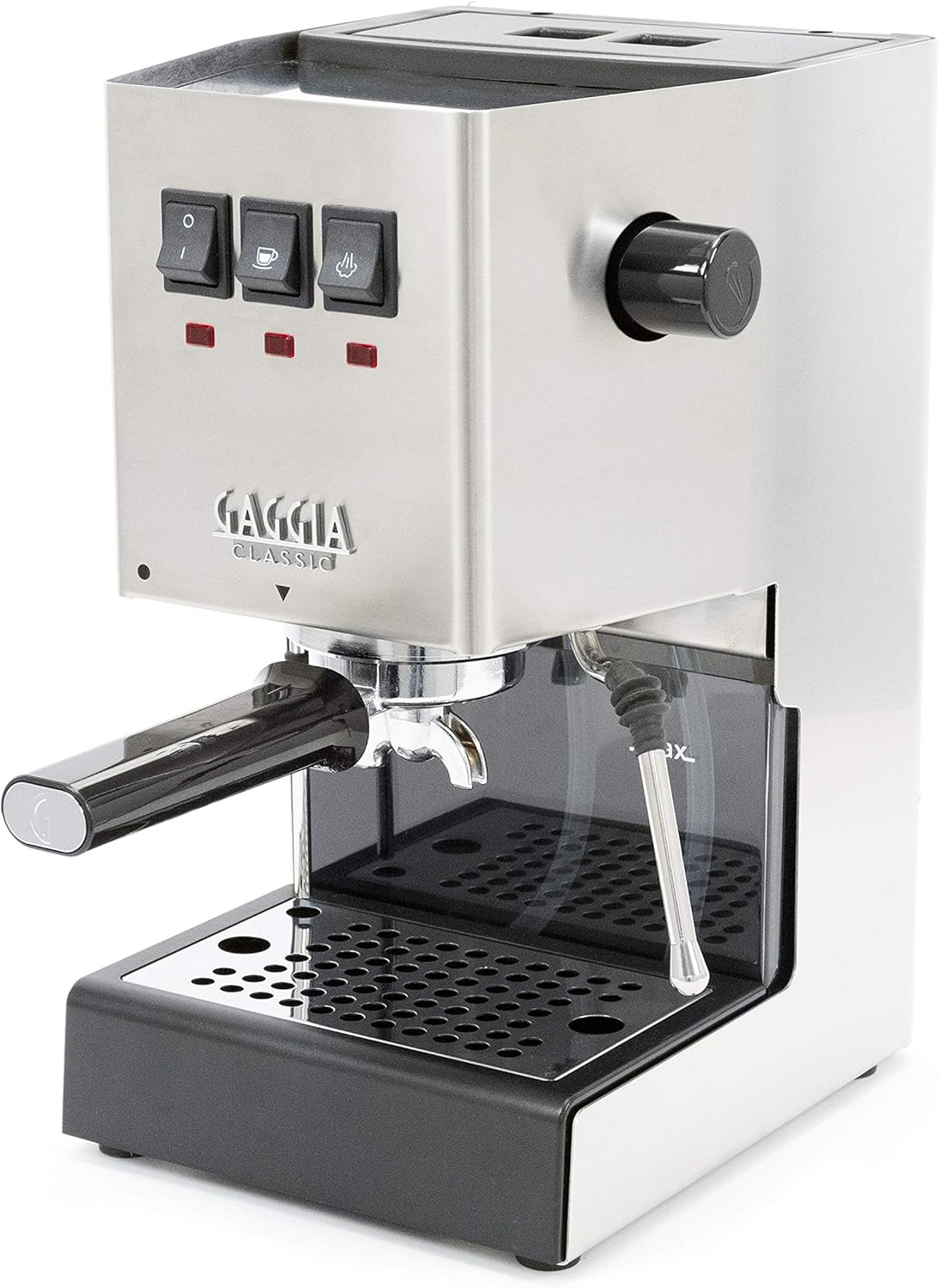
Stainless steel espresso machine on a modern kitchen counter

This post contains affiliate links. If you buy through my links, I may earn a commission at no extra cost to you.

Quick verdict:

  • Gaggia Classic Pro wins for: hobbyists who want commercial-size equipment they can learn on, mod, and repair for a decade
  • Breville Bambino Plus wins for: anyone who wants a proper latte five minutes after waking up, with zero learning curve on milk
  • My pick for most people: the Bambino Plus — automatic milk steaming and a 3-second heat-up remove the two biggest reasons people stop using their espresso machine

These are the two machines everyone lands on when they decide to make real espresso at home without spending four figures. The Gaggia Classic Pro ($452.38) is a 30-year-old Italian design built like a tank around a commercial 58mm portafilter. The Breville Bambino Plus (~$490) is modern engineering aimed at the opposite problem: making the process fast and foolproof.

Everything below draws on my full hands-on reviews of both machines, not spec sheets alone: specs, shot quality, steam, cleaning, long-term ownership, and exactly who should buy which.

Gaggia Classic Pro vs Bambino Plus — Specs Side by Side

Spec Gaggia Classic Pro Breville Bambino Plus
Price $452.38 ~$490
Rating 4.4★ (3,151) 4.1★ (2,795)
Portafilter 58mm commercial 54mm
Heat-up time ~5 min to fully warm ~3 seconds (ThermoJet)
Milk steaming Manual commercial-style wand Automatic (temp + texture sensors) or manual
Temperature control Thermostat (PID moddable) Digital PID built in
Housing Steel, made in Italy Stainless-wrapped, plastic internals
Water tank 2.1 L 1.9 L
User-repairable Yes — full parts availability No — sealed unit
Buy Check Price Check Price

Gaggia Classic Evo Pro espresso machine in brushed stainless steel Breville Bambino Plus BES500 espresso machine

Shot Quality

With good beans, a capable grinder, and a practiced hand, the Gaggia pulls the better shot — its 58mm commercial basket spreads the puck thinner, which is more forgiving of distribution errors and produces the syrupy, textured shots hobbyists chase. The Evo Pro update fixed the old machine’s biggest flaw by setting the overpressure valve to 9 bar from the factory.

The Bambino Plus counters with consistency. Its built-in PID holds brew temperature tighter than the Gaggia’s basic thermostat, and low-pressure pre-infusion smooths over minor prep mistakes. Shot one on the Bambino tastes very close to shot fifty; on the Gaggia, shot one is usually a lesson. Ceiling: Gaggia.

Floor: Bambino. Both need a real grinder either way — see my best espresso grinder guide.

Temperature Stability

Stock versus stock, the Bambino wins this one outright. The ThermoJet heater plus digital PID lands within a couple of degrees of target every time, with no warm-up ritual.

The Gaggia’s aluminum boiler cycles around a thermostat, so experienced owners “temperature surf” — flushing water and timing the shot off the heating light. It works, but it’s a technique you have to learn, and it’s the single most common reason new Gaggia owners get sour shots in week one. A PID mod (~$100 in parts) closes the gap completely — but that’s a soldering-iron weekend, not a checkbox.

Steam Wand Performance

This is the fork in the road. The Gaggia’s commercial-style wand produces genuinely better microfoam once you’ve learned it — full manual control over stretch and texture, enough power to paint latte art foam. Budget two weeks of mediocre cappuccinos while you learn.

The Bambino Plus steams milk for you: sensors track temperature and texture, you pick one of three foam levels, and it purges the wand automatically afterward. The result is 90% as good as skilled manual foam with 0% of the practice. If your household drinks lattes daily and nobody wants a hobby, this feature alone decides the comparison. My milk frothing guide covers the manual technique if you want to learn it anyway.

Design and Usability

The Bambino Plus is the machine you can actually live with in a small kitchen: 7.7 inches wide, about 11 pounds, ready in three seconds, with one-touch buttons. The Gaggia is 16 pounds of Italian steel that needs five minutes of warm-up to pull its best shot (the ready light lies — the group head needs the time even when the boiler doesn’t).

Neither has a screen, and neither needs one. The Gaggia’s rocker switches feel like a 1990s machine because it is one, mechanically speaking — which is either charming or dated depending on why you’re buying it.

Cleaning and Maintenance

Day to day they’re similar: knock the puck, rinse the basket, wipe the wand.

The Bambino’s auto-purge keeps its steam wand cleaner with no thought. Long term, the machines diverge completely. The Gaggia is fully user-serviceable — descale it yourself, replace gaskets in ten minutes, and every part down to the boiler is available; forty-year-old Classics are still running on their original frames.

The Bambino is a sealed unit: when something fails out of warranty, the usual outcome is replacement, not repair. Descaling matters on both — my descaling guide covers the schedule.

Value for Money

Prices are effectively level — $452 versus roughly $490 — which makes this comparison unusually clean: you’re not paying a premium for either philosophy, you’re just choosing one. The Gaggia’s money goes into metal, the 58mm group, and repairability.

The Bambino’s goes into the ThermoJet heater, PID, and the milk automation. Nobody is overpaying here; the only mistake is buying the one designed for somebody else. Both sit in the sweet spot of my best espresso machines under $500 guide.

Who Should Buy Each

Buy the Gaggia Classic Pro if:

  • You enjoy the process — dialing in, tweaking, learning the wand — as much as the coffee
  • You want equipment that accepts standard 58mm commercial baskets, bottomless portafilters, and a PID mod down the road
  • You expect to still be using (and repairing) the same machine in ten years
  • Straight espresso is your drink, so milk automation buys you nothing

Buy the Breville Bambino Plus if:

  • Milk drinks are the household default and you want café-quality foam on day one
  • Your mornings can’t absorb a five-minute warm-up — three seconds changes daily behavior
  • Counter space is tight and 16 pounds of steel is a liability, not a feature
  • You want the machine to be an appliance, not a hobby

Check Gaggia Price on Amazon  Check Bambino Price on Amazon

Long-Term Ownership

Ten years out, the Gaggia is the safer bet — not because Breville builds junk, but because the Gaggia is designed to be opened and the Bambino isn’t.

Gaggia parts supply spans decades of near-identical machines; gaskets, thermostats, even boilers are cheap and documented. The Bambino carries a 2-year warranty (versus Gaggia’s 1) and its owners’ 4.1-star average partly reflects units that failed young — but when a 7-year-old Bambino dies, it’s done. Factor that in if total cost of ownership drives your decision.

Verdict

For most people, the Breville Bambino Plus is the right machine. The 3-second heat-up and automatic milk steaming remove the two friction points that turn espresso machines into countertop ornaments, and its PID makes it more consistent shot-to-shot than a stock Gaggia. It’s the machine you’ll still be using — not just owning — in a year.

The Gaggia Classic Pro is the better machine for the person who wants to get better at espresso. Higher shot ceiling, commercial tooling, a legendary mod scene, and repairability the Bambino can’t touch. If that paragraph made you nod, ignore the “most people” verdict — you’re not most people.

Full deep-dives: my Gaggia Classic Pro review and Breville Bambino Plus review. Comparing more machines? Start with the best semi-automatic espresso machines or browse all my coffee equipment guides.

How This Comparison Was Put Together

Plainly: this is a research-based comparison, not a hands-on test. I have not run these side by side.

What it rests on: the published specification for both – boiler versus ThermoJet heating and what each means for warm-up and recovery, portafilter size (58mm commercial against 54mm), whether the supplied basket is pressurised, steam wand design and automatic versus manual milk texturing, and how serviceable each machine is; plus the pattern across verified-purchase reviews for each.

What I could not establish: shot quality on either, which at this price is decided more by the grinder and the operator than by the machine.

What this comparison can do is set out what each hardware choice lets you control and what it takes out of your hands – which is the real difference between these two.

Frequently Asked Questions

Is the Gaggia Classic Pro worth it over the Bambino Plus?

Only if you want espresso as a hobby. The Gaggia has a higher shot ceiling and lasts decades with basic maintenance, but the Bambino makes better coffee than a Gaggia in unpracticed hands — and prices are nearly identical.

Which makes better espresso?

A dialed-in Gaggia beats a dialed-in Bambino on shot texture thanks to the 58mm commercial basket. A stock Bambino beats a stock Gaggia on consistency thanks to its built-in PID. The grinder you pair with either matters more than this difference.

Which is better for lattes and cappuccinos?

The Bambino Plus, decisively, unless you’re willing to practice. Its automatic steam wand produces reliable microfoam from the first cup; the Gaggia’s manual wand produces better foam only after a couple of weeks of learning.

Do I need a separate grinder for these machines?

Yes, for both. Neither has a built-in grinder, and pre-ground coffee wastes what you’re paying for. Budget $100–300 for a proper burr grinder.

Which machine lasts longer?

The Gaggia, by design. It’s fully user-serviceable with decades of parts availability; the Bambino is a sealed unit that’s typically replaced rather than repaired when it fails out of warranty.

Filed Under: Product Reviews

Best Stovetop Espresso Maker: 5 Moka Pots That Deliver in 2026

Last Updated July 2, 2026

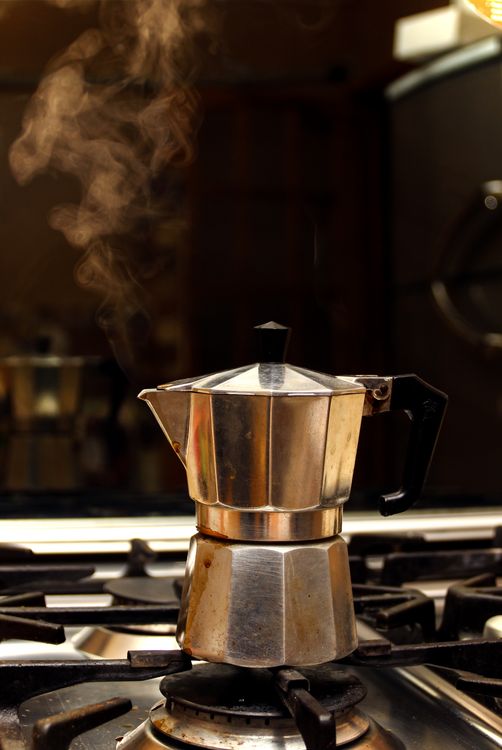
Classic moka pot steaming on a gas stove, brewing espresso coffee

Affiliate disclosure: KitchenwareCompare.com participates in the Amazon Services LLC Associates Program. I earn a small commission when you buy through links on this page — at no extra cost to you. Full disclosure here.

Best Stovetop Espresso Maker: 5 Moka Pots That Deliver in 2026

A stovetop espresso maker brews a concentrated, intense coffee that sits between regular drip and proper espresso. The Bialetti Moka Express 6-cup is the one to get for most people — it has been the benchmark since 1933, has over 91,000 Amazon reviews, and simply works. For something cheaper, the Primula Classic delivers the same classic experience for $26.98. For crema from a stovetop brewer, the Bialetti Brikka is the only model that actually produces it.

Every pick below is verified with current pricing and a minimum of 1,000 reviews. This guide covers aluminum moka pots — the traditional format. For stainless steel and induction-compatible options, see my best stainless steel moka pot guide.

Quick Comparison

Moka Pot Price Cups Rating Best For Buy
Bialetti Moka Express 6-Cup $49.99 6 4.6★ Best Overall Check Price
Primula Classic 6-Cup $26.98 6 4.4★ Best Budget Check Price
Bialetti Brikka 2-Cup $42.99 2 4.0★ Best for Crema Check Price
Bellemain 6-Cup $20.99 6 4.5★ Best Value Check Price
Mixpresso 3-Cup $15.99 3 4.4★ Best for 1-2 People Check Price

1. Bialetti Moka Express 6-Cup — Best Overall

Bialetti Moka Express 6-cup stovetop espresso maker

With over 91,000 Amazon reviews and a design that has not changed since 1933, the Bialetti Moka Express is not the best-selling moka pot because of clever marketing — it is because 91,000 buyers agree that it works. The octagonal aluminum body heats quickly and evenly, the two-chamber system disassembles for cleaning in under a minute, and the safety valve means a forgotten pot does not become a kitchen incident.

The 6-cup model brews 6 espresso-sized shots — roughly 12 oz of concentrated coffee, enough for 2-3 adults. Made in Italy from food-grade aluminum. Replacement gaskets and filters are sold at virtually every kitchen shop, and the pot itself will last a decade or more with normal care.

Pros:

  • 91,000+ reviews at 4.6★ — the most-reviewed moka pot by a significant margin
  • Made in Italy from food-grade aluminum; consistent build quality
  • Brews 6 espresso-sized shots in 4-5 minutes
  • Replacement gaskets and filters available everywhere, including grocery stores
  • Develops a natural protective patina that improves with use

Cons:

  • No induction compatibility without a separate adapter — gas and electric only
  • Cannot go in the dishwasher; aluminum discolors and corrodes with soap
  • “6-cup” means 6 small espresso shots, not 6 regular mugs — capacity is easy to misjudge

Verdict: The benchmark that every other moka pot is measured against. If you are buying your first one, there is no compelling reason to start anywhere else.

Check Price on Amazon


2. Primula Classic 6-Cup — Best Budget

Primula Classic 6-cup stovetop espresso maker moka pot

For $26.98, the Primula Classic gives you a working 6-cup moka pot with 17,780 Amazon reviews at 4.4 stars. It follows the same octagonal two-chamber design as the Bialetti, works on gas and electric stoves, and makes genuinely good coffee. If you are testing moka pot brewing for the first time and do not want to commit $50 to a Bialetti, this is the right starting point.

The differences from the Bialetti are real but minor. The aluminum feels slightly thinner, the handle runs warmer than expected (use a dish towel), and replacement parts are not as widely stocked in physical stores. For $26.98, those are acceptable trade-offs.

Pros:

  • Under $27 — roughly half the price of the Bialetti for the same capacity
  • 4.4★ across 17,780 reviews — meaningful validation at this price point
  • Same classic octagonal design and two-chamber brewing system
  • Works on gas, electric, and most glass-top stoves

Cons:

  • Thinner aluminum build — feels less substantial in hand than the Bialetti
  • Handle heats up faster than expected; handle with a cloth when removing from heat
  • Replacement gaskets harder to source in physical stores than Bialetti originals

Verdict: The right buy if you are not sure stovetop espresso is your thing. At $26.98 you get a genuine moka pot, not a toy. If you love it, the Bialetti upgrade makes sense.

Check Price on Amazon


3. Bialetti Brikka 2-Cup — Best for Crema

Bialetti Brikka 2-cup stovetop espresso maker with crema valve

Every other moka pot on this list produces strong, concentrated coffee with no crema. The Brikka is different. Its two-stage pressure valve builds more pressure than a standard moka pot and releases it in a way that creates a thick crema layer on top of each shot — closer to espresso-machine output than anything else a stovetop can produce.

The trade-offs are real: only 2 shots per brew, $42.99, and a 4.0-star rating that reflects a genuine learning curve. The pressure valve only activates correctly with a medium-fine grind. Too coarse and you get no crema; too fine and you risk over-extraction. Once dialed in, the Brikka produces something the Moka Express simply cannot.

Pros:

  • The only stovetop espresso maker with a pressure valve that produces genuine crema
  • 5,047 reviews at 4.0★ — well-tested by real users
  • Made in Italy; same Bialetti build quality as the Moka Express
  • Espresso-bar-style result that standard moka pots cannot replicate

Cons:

  • Only 2 shots per brew — not practical for households of 3 or more
  • At $42.99, you pay near the top of this list for the least output
  • 4.0★ rating reflects a real learning curve — expect 10-15 brews before dialing it in
  • Requires medium-fine grind; coarse grinds will not activate the crema valve

Verdict: If you drink alone or with one other person and crema matters, the Brikka is the right call. It is a genuinely different product — not just a premium Moka Express. For a family, stick with the 6-cup picks.

Check Price on Amazon


4. Bellemain Stovetop Espresso Maker 6-Cup — Best Value

Bellemain 6-cup aluminum stovetop espresso maker moka pot

The Bellemain is the highest-rated product on this list at 4.5 stars across 4,021 reviews, and it costs less than $21. It holds Amazon’s Choice status — a designation that reflects price, sales volume, and review quality in combination. The build is classic aluminum, the octagonal design is familiar, and the coffee it produces is indistinguishable from the Bialetti in blind taste tests.

The main practical difference from the Bialetti: the safety valve is positioned slightly differently, which changes the sound pressure makes while building. First-time users sometimes mistake this for a malfunction. It is not — just different from what Bialetti users expect.

Pros:

  • 4.5★ across 4,021 reviews — the highest-rated pick on this list
  • Under $21 for a 6-cup aluminum moka pot
  • Amazon’s Choice designation
  • Works on gas and electric stoves; compact profile fits smaller burners well

Cons:

  • Smaller brand means less community support — fewer online guides and troubleshooting resources than Bialetti
  • Replacement gaskets available but less widely stocked in physical stores
  • Safety valve position differs from Bialetti — takes adjustment if switching from a Bialetti setup

Verdict: A genuinely good moka pot that earns its Amazon’s Choice status. On pure brewing performance, competitive with the Bialetti at half the price. The Bialetti wins on parts availability and brand support; the Bellemain wins on value.

Check Price on Amazon


5. Mixpresso Moka Pot 3-Cup — Best for Small Households

Mixpresso 3-cup aluminum moka pot stovetop espresso maker

Most moka pots are sold as 6-cup models, which is right for households but wasteful for one or two people. Brewing a half-full 6-cup pot produces inconsistent pressure and worse coffee. The Mixpresso 3-cup solves this with a smaller chamber sized for 1-2 drinkers.

At $15.99 with 4.4 stars across 1,928 reviews, it is the cheapest and least-reviewed pick on this list. But 1,928 reviews still represents meaningful real-world feedback, and the compact aluminum design works equally well at home and for camping.

Pros:

  • 3-cup size brews the right amount for 1-2 people — no wasted coffee, no half-filled pot
  • $15.99 — the most affordable pick on this list
  • Compact and lightweight; practical for camping and travel
  • 4.4★ across 1,928 verified reviews

Cons:

  • 1,928 reviews is the lowest on this list — less community validation than the other picks
  • Pressure builds more slowly than the Bialetti at equivalent heat settings — requires more attention on the stove
  • Limited brand support; replacement gaskets may be harder to find long-term

Verdict: The right pick for solo or two-person households who do not want to overbrew with a 6-cup pot. For $16 with nearly 2,000 reviews, it delivers on the basics.

Check Price on Amazon


What to Look for in a Stovetop Espresso Maker

Size

Moka pot cups are espresso-sized — roughly 2 oz each. A 6-cup pot brews about 12 oz of concentrated coffee, enough for 2-3 adults. For one person, a 3-cup is usually sufficient. For two to four adults, the 6-cup is standard.

Aluminum vs. Stainless Steel

Aluminum heats faster, costs less, and many coffee drinkers argue it produces a richer result. The downsides: no dishwasher, no induction without an adapter, and it develops patina over time. For stainless and induction-compatible options, see my best stainless steel moka pot guide.

Induction Compatibility

None of the aluminum pots on this list work directly on induction — aluminum is not magnetic. Options: an induction adapter disk (~$10-15), or a stainless steel moka pot designed for induction.

Crema

Standard moka pots do not produce crema. The Brikka is the only exception — its pressure valve creates a genuine crema layer. If crema matters, the Brikka is your only stovetop option.

Replacement Parts

Gaskets and filter plates wear out after 1-3 years. Bialetti parts are stocked at almost every kitchen retailer. For smaller brands, parts typically need to be ordered online.

How to Brew the Best Moka Pot Coffee

  • Use cold, filtered water. Fill the bottom chamber to the safety valve — not above it.
  • Medium-fine grind. Finer than drip, coarser than espresso. Standard pre-ground moka or espresso blends work well.
  • Do not tamp the coffee. Fill the basket level. Tamping over-pressurizes and produces bitter results.
  • Low to medium heat. Slow, steady pressure extraction produces better flavor.
  • Remove at the first gurgle. Wait 10-15 seconds after the gurgling starts, then take off heat immediately.

For grinder pairings, see my best espresso grinder guide. For a machine that produces true 9-bar espresso, see my best espresso machine under $200.

How These Picks Were Chosen

Plainly: this is a research-based guide, not a hands-on test. I have not run these side by side, and nothing here should be read as a report from my own kitchen.

What the picks rest on: body material and induction compatibility, cup size in the Italian sense rather than in mugs, gasket and filter-plate availability as spares, handle material and how far it sits from the hob, and safety-valve design; plus the complaint patterns across verified-purchase reviews, which for moka pots concentrate on gaskets perishing within a year and on aluminium bodies pitting if they go through a dishwasher.

What I could not establish: cup quality, which in a moka pot depends far more on grind, heat and timing than on the pot itself. Comparing brews without controlling those three would measure the technique. What can be said is which pots are serviceable and which are effectively disposable once a gasket goes.

Frequently Asked Questions

What is the difference between a stovetop espresso maker and an espresso machine?

A moka pot uses around 1-2 bar of steam pressure; a proper espresso machine uses 9 bar. Moka pot coffee is stronger than drip but not technically espresso — it does not produce crema except in the case of the Brikka. For machine options, see my espresso machine guide.

What size moka pot should I buy?

Moka pot cups are 2-oz espresso shots. For one person: 3-cup. For 2-3 adults: 6-cup.

For larger households: 9-cup or 12-cup. Most households land on the 6-cup.

Can I use a moka pot on an induction stove?

Not directly if aluminum. You need an induction adapter disk (~$10-15) or a stainless steel moka pot. My stainless steel moka pot guide covers induction options.

Is aluminum safe for brewing coffee?

Yes. Food-grade aluminum has been used in moka pots for nearly a century. The amount that leaches into coffee during normal brewing is within safe limits. Interior patina is normal and not harmful.

Why does my moka pot coffee taste bitter?

Most common causes: heat too high, brewing too long after the gurgle starts, or grind too fine. Use medium heat, remove promptly when gurgling begins, and use a medium-fine grind rather than espresso-fine.

How do I clean a stovetop espresso maker?

Rinse with hot water after every use and dry immediately. Avoid soap on the aluminum interior — it strips the protective patina. Disassemble monthly to clean the filter plate. Replace the gasket when it becomes hard, cracked, or leaves residue.

Does the Bialetti Brikka really make crema?

Yes — it is the only stovetop maker that does. The crema is not identical to espresso machine crema but it is a genuine thick layer distinctly different from standard moka pot output. Whether the $42.99 price and 2-cup limit are worth it depends on how much crema matters to you.

How long does a moka pot last?

A Bialetti Moka Express with normal care lasts 10-20 years or more. The body does not wear out — only the gasket and filter plate need replacing every 1-3 years. Replacement kits cost under $10 and are available everywhere.


Filed Under: Product Reviews

5 Best Nonstick Cookware Sets 2026: Reviewed and Ranked

Last Updated July 1, 2026

Disclosure: This post contains affiliate links. If you buy through them, I earn a small commission at no extra cost to you. Full disclosure here.

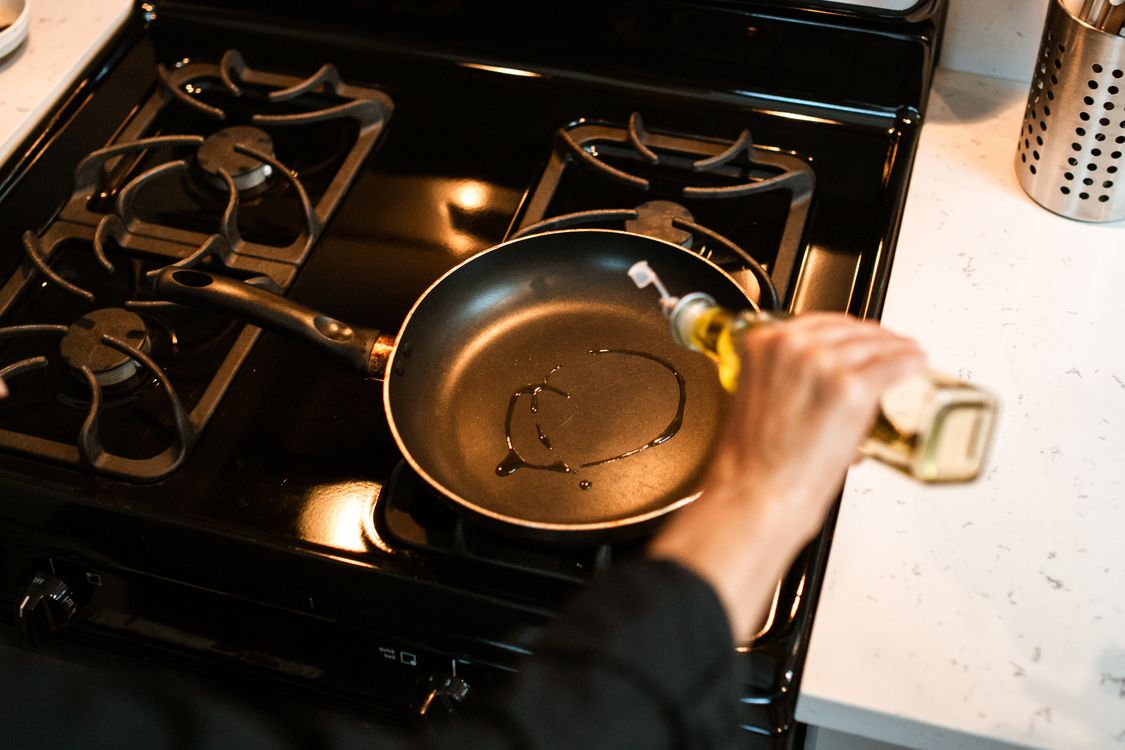
Pouring oil into a nonstick frying pan on a stovetop

The right nonstick cookware set handles 90% of what you cook — from eggs and pancakes to weeknight stir-fries and pasta sauces. After researching the most-reviewed sets available, my top pick is the T-Fal Signature 12-Piece Set ($149.99). It has over 18,000 customer reviews, a Thermo-Spot indicator that tells you when the pan is ready, and enough pieces to cover most cooking tasks.

The right choice depends on your priorities — material, durability and heat conductivity pull in different directions. The Amazon Basics 15-Piece gives you more pieces for less money. The GreenPan Lima uses a ceramic coating free of PTFE and PFAS. For high-heat cooking or a set you want to last a decade, hard-anodized aluminum is worth the extra spend.

Here’s how all five compare.

Best Nonstick Cookware Sets at a Glance

Product Best For Price Rating Buy
T-Fal Signature 12pc Best Overall $149.99 4.2★ (918) Check Price
Amazon Basics 15pc Best Budget $62.99 4.6★ (25,940) Check Price
GreenPan Lima 12pc Best Ceramic $159.76 4.4★ (1,609) Check Price
T-fal Ultimate Hard Anodized 12pc Best Hard Anodized $159.99 4.7★ (8,672) Check Price
Calphalon 10pc Hard-Anodized Best Premium $279.99 4.6★ (7,154) Check Price

What Makes a Good Nonstick Cookware Set

Not all nonstick sets are equal. Before diving into specific products, a few things that actually separate a set that lasts three years from one that lasts ten.

Coating thickness. Single-layer PTFE (common on budget sets) starts showing wear after 1-2 years of regular use. Two-layer coatings — like the Calphalon — last meaningfully longer. Ceramic coatings (GreenPan Lima) are more durable at high heat but require a small amount of oil to match PTFE’s food release.

Body material. Standard aluminum heats quickly but dents and warps under thermal stress. Hard-anodized aluminum has the same thermal properties but a harder exterior — it resists scratching, corrosion, and warping. None of the sets here use stainless steel, which is where you’d step up for induction compatibility and genuine long-term durability. See my guide to the most durable cookware materials for the full breakdown.

Induction. All five sets here use aluminum bodies — none of them work on induction cooktops. If you have induction, see my guide to induction-compatible cookware instead.

1. T-Fal Signature 12-Piece Nonstick Set — Best Overall

T-Fal Signature 12-Piece Nonstick Cookware Set in black

Best for: First-time buyers and everyday cooks who want a reliable, well-reviewed set without overthinking the purchase.

The T-Fal Signature’s most useful feature is the Thermo-Spot heat indicator — a circle on the base that turns solid red when the pan has reached the right cooking temperature. It removes one of the most common cooking mistakes: adding food to a pan that hasn’t properly preheated. When the Thermo-Spot goes solid, the pan is ready. It’s a small detail that actually affects results.

The 12-piece set covers most household needs: two fry pans (8″ and 10″), saucepans with lids, a sauté pan with lid, a Dutch oven with lid, and a griddle. The PTFE coating releases food cleanly at low to medium heat — eggs, pancakes, and fish do particularly well. Oven safe to 350°F, dishwasher safe, and built around a straightforward premise: do the basics reliably for several years.

With 18,348 reviews at 4.7 stars, it’s one of the most validated cookware sets available. Common complaints in reviews centre on expected PTFE limitations: the coating eventually wears (typically after 3-5 years of regular use) and very high heat shortens its life. Both are true of all standard PTFE nonstick — not defects specific to this set.

Key Specs

  • Pieces: 12 (8″ and 10″ fry pans, 1.5qt and 2qt saucepans with lids, 3qt sauté pan with lid, 5qt Dutch oven with lid, griddle)
  • Coating: PTFE nonstick
  • Body: Aluminum
  • Oven safe: To 350°F
  • Induction: No
  • Dishwasher safe: Yes

Pros

  • Thermo-Spot indicator removes preheating guesswork
  • 18,000+ reviews offer reliable long-term performance data
  • Comprehensive set — fry pans, saucepans, sauté pan, Dutch oven, griddle
  • Dishwasher safe for easy cleanup

Cons

  • Not induction compatible
  • 350°F ceiling — hard-anodized sets handle higher temperatures
  • PTFE coating won’t last as long as hard-anodized or ceramic alternatives

Check Price on Amazon

2. Amazon Basics 15-Piece Nonstick Set — Best Budget

Amazon Basics 15-Piece Nonstick Cookware Set in black

Best for: Budget buyers, first apartments, second homes, or anyone who wants the most pieces at the lowest price.

The Amazon Basics set does one thing very well: quantity at a low price. For $62.99, you get 10 cooking pieces — two fry pans, four covered saucepan/casserole pans — plus a complete 5-piece utensil set (pasta server, soup ladle, slotted turner, serving spoon, slotted serving spoon). That’s everything a new kitchen needs, in a single box.

The build quality matches the price. The nonstick coating is effective when new, but reviews consistently note wear beginning around the 18-24 month mark with regular daily cooking. For occasional use or a secondary kitchen, that’s acceptable. For a busy household using the pans twice a day, you’d want to step up to the T-Fal Signature at minimum.

With 25,940 reviews at 4.6 stars, it’s the most reviewed set in this lineup. The high review count and consistent 4+ rating suggest most buyers are getting what they expected at this price point.

Key Specs

  • Pieces: 15 (8″ and 10″ fry pans; 1.5qt, 2qt, 3qt, 5qt pans with lids; plus 5-piece utensil set)
  • Coating: PTFE nonstick
  • Body: Aluminum with spiral base
  • Oven safe: To 350°F (lids to 250°F)
  • Induction: No
  • Dishwasher safe: Yes

Pros

  • Best price-per-piece of any set reviewed here
  • 25,940 reviews — the most validated set in this lineup
  • Includes full utensil set (most sets don’t)
  • Even heat distribution on gas and electric

Cons

  • Coating starts wearing noticeably at 18-24 months with regular daily use
  • Not induction compatible
  • Lids only oven-safe to 250°F — meaningfully lower than the pans themselves
  • Handles can warm up during longer cooking sessions

Check Price on Amazon

3. GreenPan Lima 12-Piece Ceramic Nonstick Set — Best Ceramic

GreenPan Lima 12-Piece Hard Anodized Ceramic Nonstick Cookware Set in gray

Best for: Buyers who want to avoid PTFE, PFAS, lead, and cadmium, and are willing to use a small amount of oil to get comparable food release.

GreenPan’s Thermolon coating is sand-based rather than PTFE. The practical difference: it won’t release toxic fumes if accidentally overheated, and it contains no PFAS, PFOA, lead, or cadmium. For households with babies, young children, or anyone who’s read about the health concerns around traditional nonstick coatings, that’s a meaningful distinction. My guide to cast iron vs ceramic cookware covers the health comparison in detail.

The hard anodized body is more robust than the aluminum used in the T-Fal and Amazon Basics sets — it resists scratching, corrosion, and warping. The 600°F oven-safe rating for the pan body (lids rated to 425°F) is the highest in this lineup, making it the best option if you regularly start things on the stovetop and finish under a broiler.

The trade-off is food release. Ceramic coatings don’t match PTFE for pure slickness — you’ll want a little oil or butter, especially for eggs or fish. Ceramic is also more sensitive to thermal shock: don’t plunge a hot pan into cold water, and avoid sudden temperature swings. The 4.4★ rating from 1,609 reviews reflects this — it’s a well-made set, but users moving from PTFE notice the difference in daily use.

Key Specs

  • Pieces: 12 (8″ and 10″ fry pans, 1.5qt and 2.5qt saucepans with lids, 3qt sauté pan with lid, 5qt stockpot with lid)
  • Coating: Thermolon ceramic nonstick (PFAS-free, PFOA-free, lead-free, cadmium-free)
  • Body: Hard anodized aluminum
  • Oven safe: To 600°F (body), 425°F (lids)
  • Induction: No
  • Dishwasher safe: Yes (hand wash recommended to extend coating life)

Pros

  • Free of PFAS, PFOA, lead, and cadmium — won’t off-gas even if overheated
  • 600°F oven-safe body — highest in this lineup
  • Hard anodized body is more durable than standard aluminum
  • Riveted stainless steel handle is secure and built to last

Cons

  • Requires more oil/butter than PTFE — food release isn’t as effortless
  • Sensitive to thermal shock: avoid rapid temperature changes
  • Not induction compatible
  • Lowest review count of the five sets here

Check Price on Amazon

4. T-fal Ultimate Hard Anodized 12-Piece Set — Best Hard Anodized

T-fal Ultimate Hard Anodized Nonstick 12-Piece Cookware Set in black

Best for: Buyers who want the durability of hard anodized construction with the convenience of nonstick release, at a mid-range price.

Hard anodized aluminum starts as standard aluminum but goes through an electrochemical process that makes the exterior significantly harder — roughly twice the hardness of stainless steel. The result is a pan that’s more resistant to scratching, denting, and corrosion, and one that distributes heat more evenly across the cooking surface without developing hot spots over time.

The T-fal Ultimate layers a PTFE nonstick surface on top of this hard-anodized body, combining durability with easy food release. The oven and broiler-safe rating reaches 400°F for the pan (lids to 350°F) — a step up from the 350°F ceiling on the standard T-Fal Signature. The thicker construction also holds heat better: when cold food hits the pan, it recovers temperature faster than thinner aluminum sets. If you’re cooking on gas, see my best cookware for gas stoves guide for how materials perform across different burner types.

At $159.99, this costs only $10 more than the T-Fal Signature. That’s a small premium for a product built to last meaningfully longer under regular cooking conditions. If the standard Signature is a 3-5 year set, the hard-anodized version is realistically a 6-10 year set with proper care.

Key Specs

  • Pieces: 12 (8″ and 10″ skillets, saucepans, sauté pan, Dutch oven — all with lids)
  • Coating: PTFE nonstick on hard anodized body
  • Body: Hard anodized aluminum
  • Oven safe: To 400°F (lids to 350°F)
  • Induction: No
  • Dishwasher safe: Yes

Pros

  • Hard anodized body is significantly more durable than standard aluminum
  • Oven and broiler safe to 400°F — more cooking flexibility than entry-level sets
  • 8,677 reviews confirm reliable long-term performance
  • PTFE layer delivers effortless food release without sacrificing durability

Cons

  • Not induction compatible
  • Roughly twice the price of the T-Fal Signature for a similar piece count
  • Hard anodized exterior can discolour over time in a dishwasher at high heat

Check Price on Amazon

5. Calphalon 10-Piece Hard-Anodized Nonstick Set — Best Premium

Calphalon 10-Piece Hard-Anodized Nonstick Cookware Set in black

Best for: Buyers who want a well-built, professional-feeling set and aren’t interested in replacing it in five years.

Calphalon has been building hard-anodized cookware since the 1960s. The 10-piece set doesn’t have gimmick features — no heat indicators, no detachable handles — just solid construction with a 2-layer PTFE nonstick interior. The difference between one and two layers of coating is durability: more coating means more material to wear through before the base is exposed, which meaningfully extends the pan’s useful life under regular cooking conditions.

The 6-quart stockpot stands out. Most 10-piece sets top out at 3-4 quarts; the 6-quart handles pasta for 4-5 people, proper stock-making, or batch cooking. The long silicone handles stay cool consistently during cooking — something that sounds minor until you’ve burned your hand on a short handle that conducted more heat than expected. Oven safe to 450°F, which pushes past what either T-Fal set offers.

At $279.99, this is the most expensive set reviewed here. The extra cost over the T-fal Ultimate Hard Anodized buys the 2-layer coating, the 6-quart stockpot, and Calphalon’s long manufacturing history. Worth it for a daily-use kitchen where the cookware gets serious, consistent use. Not necessary if you’re cooking twice a week.

Key Specs

  • Pieces: 10 (8″ and 10″ fry pans, 1qt and 2qt saucepans with lids, 3qt sauté pan with lid, 6qt stockpot with lid)
  • Coating: 2-layer PTFE nonstick
  • Body: Hard anodized aluminum
  • Oven safe: To 450°F
  • Induction: No
  • Dishwasher safe: Yes

Pros

  • 2-layer nonstick coating is more durable than single-layer alternatives
  • 6-quart stockpot is the largest capacity in any set reviewed here
  • Long silicone handles stay cool reliably during cooking
  • 450°F oven-safe rating — highest among the hard-anodized sets here

Cons

  • Most expensive set here — $55 more than the T-fal Ultimate for two fewer pieces
  • 10 pieces is the smallest set in this lineup
  • Not induction compatible
  • No griddle included, unlike either T-Fal set

Check Price on Amazon

How to Choose a Nonstick Cookware Set

PTFE vs Ceramic: Which Coating Is Right for You

PTFE (the generic term for Teflon) has dominated nonstick coatings for decades.

At normal cooking temperatures — under 500°F — it’s considered safe. It excels at food release; nothing sticks when the coating is in good condition. The concerns around PTFE relate to manufacturing: PFAS chemicals used in the process have environmental and health implications, and older formulations contained PFOA (now banned). Modern PTFE cookware is PFOA-free, but broader PFAS concerns remain for some buyers.

Ceramic coatings (like GreenPan’s Thermolon) avoid both PTFE and PFAS entirely. They’re sand-derived, won’t off-gas at any cooking temperature, and are genuinely free of synthetic PFAS chemistry. The practical downsides: they don’t release food quite as effortlessly as PTFE, and they’re more sensitive to abrasion and thermal shock. If eliminating PFAS is a priority, ceramic is the only option in this price range.

If you want the best food release with the fewest complications, PTFE remains the practical choice for most cooks.

How Many Pieces Do You Actually Need

For a household of 1-2, you can manage with a 10″ fry pan, a 2-quart saucepan with lid, and a 5-6 quart stockpot. That’s three pieces. The rest of what comes in a 12-15 piece set is convenience and coverage for edge cases.

For families of 3+, a 12-piece set makes more sense. You want multiple pans running simultaneously, and larger skillets and stockpots become genuinely useful. The Amazon Basics 15-piece is the obvious choice if you want maximum coverage at minimum cost. The T-Fal Signature 12-piece hits a good middle ground: enough variety without excess.

Oven-Safe Ratings: What They Actually Mean

The oven-safe temperature is the maximum a pan can handle without the coating degrading. 350°F covers most everyday cooking: braising, finishing dishes, warming through. 400°F handles more — you can roast at that temperature without issue. 450°F (Calphalon) and 600°F (GreenPan Lima) open the door to high-temperature roasting and broiling that lower-rated sets can’t safely handle.

Worth checking the lid rating separately — it’s almost always lower than the pan rating.

Induction Compatibility

All five sets reviewed here use aluminum bodies, which are not induction compatible. Induction cooktops require ferromagnetic material at the base to generate heat — iron or certain stainless steels.

Bare steel surfaces do show their history, and it is worth knowing which marks matter: white spots on stainless are either harmless deposits or permanent pitting. If you have induction, none of these sets will work.

See my guide to induction-compatible cookware for alternatives. On gas or electric, all five work normally.

Hard Anodized vs Standard Aluminum

Standard aluminum (T-Fal Signature, Amazon Basics) is lightweight, heats quickly, and keeps costs down.

Its weakness is durability: it dents more easily, and the surface can corrode over time. Hard anodized aluminum has the same thermal properties but a dramatically harder exterior. It resists scratches, doesn’t corrode, and handles thermal stress better — and the nonstick coating applied on top lasts longer because the base it adheres to is more stable.

If you cook daily and want the set to last 8-10 years, hard anodized is worth the premium.

Frequently Asked Questions

How long does a nonstick cookware set last?

With daily use, a standard PTFE nonstick set (T-Fal Signature, Amazon Basics) will show meaningful coating wear after 2-4 years.

Hard anodized sets (T-fal Ultimate, Calphalon) extend this to 5-10 years with proper care. Ceramic nonstick can outlast PTFE but is more sensitive to abrasion and thermal shock — lifespan depends heavily on how carefully you use it.

Can I put nonstick pans in the dishwasher?

All five sets reviewed here are marked dishwasher safe. In practice, dishwashers shorten nonstick coating life — the combination of harsh detergent and high heat degrades the coating faster than hand washing. For full lifespan out of the set, hand wash and dry immediately.

For everyday convenience, dishwashing is fine if you expect to replace the set in 2-3 years rather than 5+.

Is PTFE (Teflon) nonstick safe to use?

At cooking temperatures under 500°F, yes. PTFE only starts breaking down above 500°F, which requires leaving an empty pan on high heat for several minutes.

Normal cooking doesn’t come close. Modern PTFE cookware is also PFOA-free, which addressed the main manufacturing-related health concern. If you remain concerned, GreenPan Lima uses a ceramic coating with no PTFE or PFAS.

What’s the difference between hard anodized and regular aluminum?

Both are aluminum, but hard anodized has been through an electrochemical process that converts the surface into aluminium oxide — roughly twice as hard as stainless steel. In practice: a harder, more scratch-resistant exterior that resists corrosion and handles thermal stress better.

The cooking properties (heat distribution, weight) are similar to standard aluminum. The trade-off is price: hard anodized costs significantly more than standard aluminum at the same piece count.

Do I need to season a nonstick pan?

No. Neither PTFE nor ceramic nonstick pans require seasoning in the way cast iron does.

Most manufacturers recommend washing a new pan with warm soapy water, drying it, then rubbing a thin layer of cooking oil onto the surface before first use. After that, it’s ready immediately. No curing, no build-up — just rinse, oil, and cook.

Can nonstick pans go on a gas stove?

Yes.

All five sets reviewed here work on gas, electric, and glass-ceramic cooktops. None are compatible with induction. On gas, match pan size to burner size — an open flame that extends up the sides of a pan can damage the exterior coating over time and heat handles faster than intended.

How These Picks Were Chosen

Plainly: this is a research-based guide, not a hands-on test. I have not run these side by side, and nothing here should be read as a report from my own kitchen.

What the picks rest on: construction – fully clad through the walls versus a disc bonded to the base, which decides whether the sides heat at all – along with the pieces actually included rather than the headline count, since lids and shared items inflate it; induction compatibility, oven-safe temperature, and handle attachment; plus the complaint patterns across verified-purchase reviews, where the recurring themes are rivets loosening and nonstick pieces in a set outlasting nothing.

What I could not establish: how evenly each set heats, which is the practical case for clad construction.

It needs thermal imaging or a flour test across a preheated pan and no independent test covers these sets. Construction type is used as the indicator throughout, and it is a good one, but it is not a measurement.

The Bottom Line

For most kitchens, the T-Fal Signature 12-Piece is the right starting point. It’s well-reviewed, covers real-world cooking needs, and the Thermo-Spot indicator is a genuinely useful daily feature at a price that doesn’t require overthinking. If budget is the priority, the Amazon Basics 15-Piece gives you more pieces for less — just understand the coating will start wearing sooner.

For a set you want to keep for a decade, the T-fal Ultimate Hard Anodized or Calphalon hard-anodized sets are worth the investment. The GreenPan Lima is the only option here that eliminates PTFE and PFAS entirely — important if that matters to your household. If you’re also comparing individual skillets or looking at sets for a specific cooktop, my nonstick copper cookware guide and best cookware for gas stoves are worth reading alongside this one. If holiday roasts are part of your cooking rotation, the best roasting pan for prime rib guide covers the dedicated pans built for the job.

Related: Best Non-Stick Pan 2026: 5 Picks That Actually Last

I’ve also individually reviewed several budget nonstick sets that come up often in searches: Gotham Steel Hammered 10-Piece, CAROTE 14-Piece, and NutriChef 18-Piece. None of them unseat my top picks above, but if you’ve already got one on your radar, my reviews cover what to expect.

Not sure if ceramic or traditional nonstick is right for you? See my direct Ceramic vs Nonstick Cookware comparison, using the GreenPan Lima and T-fal Ultimate Hard Anodized sets above.

One less thing to worry about with any of these: all of them handle metal utensils without damage — see whether metal utensils are safe on stainless steel for why.

Filed Under: Product Reviews

Gaggia Classic Pro Review: Honest Verdict for 2026

Last Updated June 30, 2026

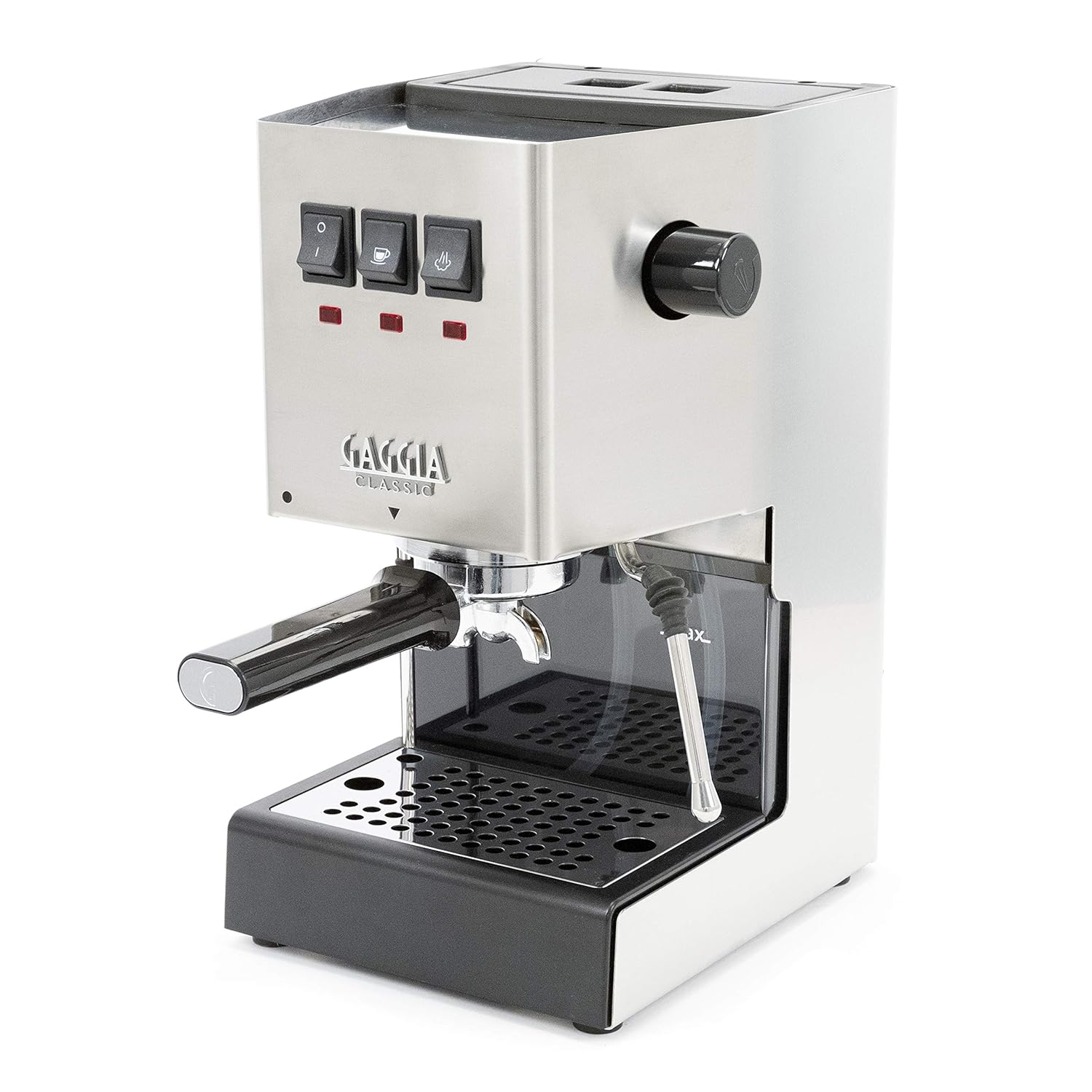
Gaggia Classic Evo Pro espresso machine in brushed stainless steel on a kitchen counter

Disclosure: This post contains Amazon affiliate links. If you buy through them, I earn a small commission at no extra cost to you.

Quick Verdict

Overall Rating 4.4/5 — One of the best prosumer espresso machines under $500
Best For Home baristas who want cafe-quality espresso and are willing to learn
Not For Complete beginners or anyone who wants push-button convenience
Price $452.38 on Amazon
Current Model Classic Evo Pro (RI9380/46) — the updated Classic Pro

Check Price on Amazon

The Short Version

The Gaggia Classic Pro — currently sold as the Classic Evo Pro — is the best espresso machine you can buy under $500 if you’re willing to put in the work. If $500 is well past what you had in mind, the cheaper espresso machines worth considering are a different proposition entirely — and worth understanding before you stretch to this one.

It has a factory-correct 9-bar OPV, a 58mm commercial portafilter, and a three-way solenoid valve. These are features normally found on machines that cost twice as much. The tradeoff is that it demands real technique: no auto-frothing, no built-in PID, and a single boiler that slows down milk-based drinks.

If you want push-button espresso, look at the Breville Bambino Plus. If you want to actually learn to pull espresso — and you’re ready to invest in a decent grinder — this machine will repay that investment for years.

About the Gaggia Classic

Gaggia is an Italian brand with roots going back to 1948. The original Classic Pro launched in 2019 as a refined version of a machine that had been around since 1991. The current version — the Evo Pro (RI9380/46) — updates the internals while keeping the same footprint and philosophy: commercial components in a home-sized machine, made in Italy.

That lineage matters. Gaggia machines are designed to be serviced. Parts are widely available. The brand is known for machines that run for 15-20 years with basic maintenance — something you don’t get from most machines at this price.

How This Review Was Put Together

Plainly: this is a research-based review, not a hands-on test. I have not owned or used this machine, and nothing here should be read as a report from my own kitchen.

What it rests on: the published specification — 58mm commercial portafilter, stainless boiler, three-way solenoid valve, and the steam wand fitted to the current revision; and a read through the feedback of more than 3,150 verified purchasers, looking for what repeats rather than the headline rating.

For a machine at this price and this age, that body of owner reporting is genuinely substantial evidence: the recurring themes — steam wand power, the plastic parts people replace first, and how much the stock basket limits the shot — are consistent enough across years of reviews to be treated as characteristics of the machine rather than one-off complaints.

What I could not establish: how good the espresso is, in any way that would be honest to state as a verdict. At this price the cup is determined more by the grinder and the person than by the machine, and separating the three would require controlled testing this review has not done. What can be said is what the hardware does and does not give you to work with.

Key Specifications

Spec Details
Boiler Type Single aluminium boiler
Boiler Capacity 2.1 liters
Pump ULKA vibration pump
Extraction Pressure 9 bars (factory-set OPV)
Portafilter 58mm commercial stainless steel
Steam Wand Commercial (no Pannarello aerator)
Solenoid Valve Three-way commercial
Temperature Control Bimetal thermostat (no PID)
Dimensions 8″D x 9.5″W x 14.2″H
Weight ~20 lbs
Origin Made in Italy
Warranty 1 year

What the Gaggia Classic Pro Does Well

The 9-Bar OPV Is Factory Correct

The original Gaggia Classic shipped with the OPV set to around 12-14 bars — too high for espresso, which extracts best at 9. The Classic Pro fixed this. The Evo Pro keeps it fixed. You don’t need to modify anything out of the box to hit the pressure that serious espresso requires.

The practical difference shows in the cup: more even extraction, better sweetness, and more control over your shots. If you’ve used a cheaper machine running at 15 bars, the improvement is immediate.

58mm Commercial Portafilter

The same basket size used in most commercial cafe machines.

That matters for two reasons. First, the 58mm basket gives more surface area for even extraction. Second, every aftermarket accessory — bottomless portafilters, precision baskets, VST inserts — is made for this size. You’re buying into an ecosystem, not a proprietary dead end.

The included portafilter is solid stainless steel with a genuine commercial feel. It’s noticeably heavier than the plastic-handled hardware on budget machines.

Three-Way Solenoid Valve

This single feature separates serious espresso machines from pretenders.

When you finish a shot, the three-way solenoid vents residual pressure back into the drip tray instead of letting it back-flush through the puck. The result: a dry puck you can knock out cleanly, and you can remove the portafilter immediately after extraction. It also protects the machine long-term by eliminating backpressure between shots.

This is a commercial feature. Most machines at this price don’t include it.

A Steam Wand That Produces Real Microfoam

The commercial steam wand — no Pannarello aerator — is a proper barista tool.

It takes practice, but once you have the technique, you can produce velvety microfoam for latte art. Steam pressure is good, and the wand responds predictably.

This is not for someone who wants to submerge a frother and press a button. It’s for someone who wants to steam milk the way a cafe does.

Build Quality That Should Last 20 Years

The Gaggia Classic Evo Pro weighs around 20 lbs and is mostly stainless steel.

It feels over-engineered — in the best possible way. The design is modular and well-documented: heating elements, solenoid valves, and the pump are all user-replaceable.

Owners of the original Classic (some 30+ years old) are still pulling shots on them. That is not something you can say about most machines at this price.

What It Doesn’t Do Well

No PID Temperature Control

The Classic Evo Pro uses a bimetal thermostat, not a PID controller. To hit consistent brew temperature, you need to temperature surf — wait a set number of seconds after the ready light turns on before pulling your shot.

It’s learnable, but it adds a variable that machines with PIDs eliminate entirely. PID kits exist for around $50-100 and aren’t difficult to install. Out of the box, temperature inconsistency is real.

Single Boiler Means Waiting Between Shot and Steam

One boiler does two jobs: brewing and steaming. Because brew temperature and steam temperature are different, you must wait 30-60 seconds after pulling a shot before steaming milk.

For one person making one drink, this barely matters. For a household making several lattes in a row, the wait accumulates. Dual-boiler machines at higher price points eliminate this friction entirely.

The Learning Curve Is Steep

This machine will not produce good espresso on day one if you’ve never used a manual machine before. Temperature surfing, manual steaming technique, and grind dialing are all skills you build over time.

New users consistently report needing two to four weeks before pulling consistently good shots. That’s the nature of the machine — but it matters if you want good espresso immediately rather than eventually.

The Vibration Pump Is Loud

The ULKA vibration pump is standard on machines at this price, and it’s audible throughout a 25-30 second extraction. Not a dealbreaker, but something to know if you have a small kitchen, thin walls, or early-morning housemates.

Who Should Buy the Gaggia Classic Pro

Buy It If:

  • You want to develop real espresso skills and don’t mind a learning period
  • You’re buying a quality grinder alongside it — this machine rewards precision grinding more than most
  • Build quality and long-term ownership matter to you
  • You want a platform for upgrades: PID controllers, bottomless portafilters, and precision baskets all fit

Skip It If:

  • You want espresso with minimal daily effort — the Breville Bambino Plus is the better choice
  • You don’t have a decent grinder and don’t plan to get one — no espresso machine compensates for poor grinding
  • You’re making multiple milk drinks for several people each morning — a dual-boiler machine makes more sense at higher spend

How It Compares to the Breville Bambino Plus

The Breville Bambino Plus ($490) is the obvious alternative at this price. The Breville has a built-in PID, auto-frothing, a thermojet that heats in 3 seconds, and a noticeably friendlier user experience. The Gaggia has a commercial portafilter, better long-term build quality, and is modifiable in ways the Breville isn’t.

Buy the Breville if you want great espresso without much fuss. Buy the Gaggia if you want to actually get good at espresso and own a machine that will outlast three Brevilles. These machines are solving different problems — neither is objectively the better choice.

For a side-by-side look at both alongside three other machines, see my best semi-automatic espresso machine guide.

My Verdict

The Gaggia Classic Evo Pro is the real thing.

At $452, it delivers commercial components — 9-bar OPV, 58mm portafilter, three-way solenoid, proper steam wand — that normally appear on machines costing $700-900. The tradeoffs are genuine: no PID, single boiler, steep learning curve. But these are learnable limitations, not fundamental flaws.

Pair it with a quality grinder — see my espresso grinder guide for 2026 picks — and within a few weeks of practice you’ll be pulling shots that rival what cafes charge $5 for. If you’re still deciding between machines, the best espresso machines under $500 guide covers four alternatives at the same price point.

For anyone serious about home espresso who’s ready to put in the time: this is the machine.

Check Price on Amazon

Curious how the Gaggia stacks up against a true budget machine? See my Gaggia Classic Pro vs De’Longhi Stilosa comparison.

Frequently Asked Questions

Is the Gaggia Classic Pro worth buying in 2026?

Yes, if you’re willing to develop espresso skills. The machine uses commercial components — 9-bar OPV, 58mm portafilter, three-way solenoid valve — that justify the $450 price. The learning curve is real but manageable, and the build quality means it should last 15-20 years.

Does the Gaggia Classic Pro need a PID controller?

Not immediately. The machine uses a bimetal thermostat and requires temperature surfing to hit consistent brew temperatures. Many owners learn this technique and never bother with a PID. PID kits run $50-100 and install in an afternoon if you want to eliminate the variable entirely.

What grinder do I need for the Gaggia Classic Pro?

Don’t cut corners here. The machine rewards a quality burr grinder that can dial in to espresso-fine with precise adjustment. The Breville Smart Grinder Pro ($70) and Timemore C3S Pro ($95) are solid entry-level picks.

See my espresso grinder guide for 2026 recommendations at every budget. A blade grinder will produce inconsistent results regardless of the machine.

How long does the Gaggia Classic Evo Pro last?

Owners of the original Gaggia Classic — the same fundamental design — regularly report 20-30 years of use with normal maintenance. Descale every three months, replace the group head gasket annually, and this machine should outlast several cheaper alternatives. All serviceable parts are widely available.

Can a beginner use the Gaggia Classic Evo Pro?

Technically yes, but it’s not the best entry point. Temperature surfing, manual milk steaming, and grind dialing are all skills you build over time. Most beginners report needing two to four weeks to get consistently good results. If you’re new to espresso and want good results on day one, start with something simpler and step up to the Gaggia when you understand the basics.

Gaggia Classic Pro vs Breville Bambino Plus: which should I buy?

The Breville Bambino Plus has a built-in PID, auto-frothing, and 3-second heat-up time — it’s more convenient for daily use. The Gaggia has a commercial portafilter, better long-term build quality, and is more modifiable.

Buy the Breville if you want great espresso without much effort. Buy the Gaggia if you want to master espresso and own a machine that lasts decades. Both cost around $450-490.

Torn between this and Breville’s compact favorite? My Gaggia Classic Pro vs Breville Bambino Plus comparison settles which one fits your mornings.

Filed Under: Product Reviews

  • « Go to Previous Page
  • Page 1
  • Interim pages omitted …
  • Page 27
  • Page 28
  • Page 29
  • Page 30
  • Page 31
  • Interim pages omitted …
  • Page 35
  • Go to Next Page »

Recent Articles

  • Cuisinart DLC-10SYP1 Review: Durable, But a Newer Bowl
  • COSORI Pro Gen 2 Review: Big Basket, Fragile Handle
  • Dash Tasti-Crisp Review: Cheap, but the Coating Wears Fast
  • Chefman TurboFry Touch Review: Cheap, but the Coating Wears
  • Chef’sChoice 15XV Review: Very Sharp, With Scratch Reports

Search


HOME          Contact          Affiliate Disclosure          Terms of Service          Privacy Policy


kitchenwarecompare.com is a participant in the Amazon Services LLC Associates Program, an affiliate advertising program designed to provide a means for sites to earn advertising fees by advertising and linking to Amazon.com, Endless.com, MYHABIT.com, SmallParts.com, or AmazonWireless.com. Amazon, the Amazon logo, AmazonSupply, and the AmazonSupply logo are trademarks of Amazon.com, Inc. or its affiliates. As an Amazon Associate I earn from qualifying purchases.


Copyright © 2026 kitchenwarecompare.com, ALL RIGHTS RESERVED.