• Skip to primary navigation
  • Skip to main content
  • Skip to primary sidebar

Kitchenware Compare

  • Home
  • Product Reviews
    • Air Fryers
    • Coffee
    • Cookware
    • Flat Top Grills
    • Meat Thermometers
    • Food Processors
    • Knives
    • Pizza Ovens
    • Toaster Ovens
    • Juicers
  • Food Blog
  • Helpful Kitchen Tips
  • Data Studies
  • About
  • How I Review
  • Contact
You are here: Home / Archives for Product Reviews

KitchenAid Classic vs Artisan Stand Mixer: Is the Upgrade Worth It?

Last Updated July 5, 2026

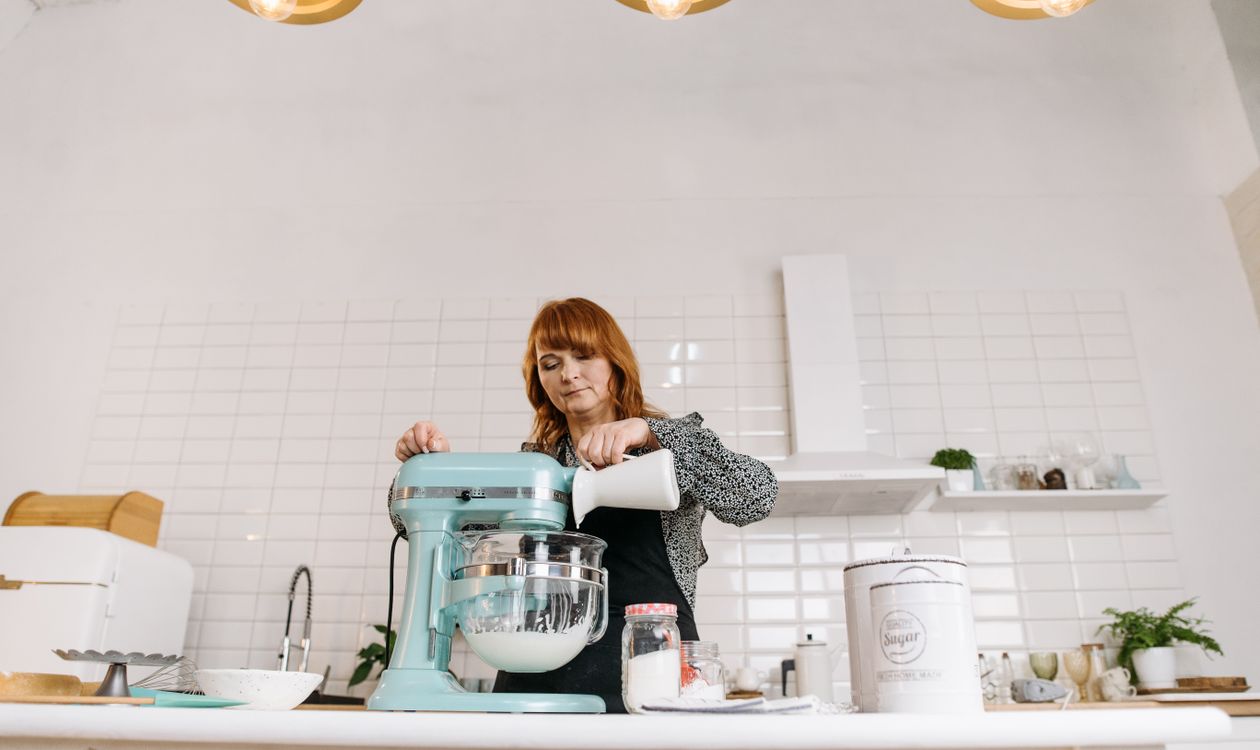
Woman using a KitchenAid stand mixer to bake

This post contains affiliate links. If you buy through my links, I may earn a commission at no extra cost to you. Read the full disclosure.

The quick answer

For most home bakers, the KitchenAid Artisan is the one to buy. The extra half-quart of bowl capacity and the slightly stronger motor make a real difference for bread doughs and large batches. The Classic is the right choice if budget is the deciding factor or if you bake in smaller quantities and want the most affordable way into the KitchenAid ecosystem.

KitchenAid Classic K45SS Stand Mixer
KitchenAid Artisan KSM150 Stand Mixer

The KitchenAid Classic and the KitchenAid Artisan are, from the outside, almost identical. Same silhouette. Same tilt-head design. Same attachment hub. Same satisfying thunk when you lock the head down. If you put them side by side without the labels, most people couldn’t tell them apart.

But the differences matter. Comparing the two on specification and owner feedback shows exactly what you give up by buying the Classic, and whether that trade-off makes sense for how you bake.

Feature KitchenAid Classic KitchenAid Artisan
Bowl capacity 4.5 quarts 5 quarts
Motor 275 watts 325 watts
Speeds 10 10
Attachments hub Yes (same hub) Yes (same hub)
Bowl type Flat-bottomed Flat-bottomed
Colour options Limited Over 20 colours
Head design Tilt-head Tilt-head
Typical price ~$300–$380 ~$380–$480

The bowl capacity difference: half a quart matters more than you think

Four and a half quarts vs five quarts. In absolute terms, it’s not much. In practice, it’s the difference between a comfortable double batch of cookie dough and a double batch that’s pushing the bowl’s limits. It’s the difference between kneading a standard 500g bread dough with room to spare, and a 700g dough that has the hook working hard.

If you bake in small quantities — a single loaf, a dozen cookies, one cake at a time — the Classic’s bowl is perfectly adequate. If you bake double batches, or if you ever want to make a large quantity of bread dough at once, the Artisan’s extra half-quart will be something you notice and appreciate regularly.

The motor: 275W vs 325W

The Classic’s 275-watt motor handles most tasks comfortably. Cakes, cookies, whipped cream, pasta dough — all fine. Where it starts to work harder is in stiff enriched doughs: brioche, bagels, anything with a high proportion of butter or a lot of gluten development required. You’ll notice the motor slow down under load in these situations.

The Artisan’s 325-watt motor handles these tasks with noticeably less effort. It doesn’t strain under a stiff brioche dough. This matters for the long-term health of the machine as much as the immediate cooking experience — a motor that’s regularly pushed to its limits wears faster than one operating comfortably within its range.

Attachments: the same, and that’s the point

Both the Classic and the Artisan use the same attachment hub. Every KitchenAid attachment — pasta roller, meat grinder, food processor, ice cream maker, grain mill — fits both machines identically. This is one of KitchenAid’s great strengths as a brand: the attachment ecosystem is enormous, and it doesn’t discriminate by model.

If you plan to build a collection of KitchenAid attachments over time, you don’t need to stretch to the Artisan for attachment compatibility. The Classic will accept them all.

Colour and aesthetics

The Artisan comes in over 20 colours. The Classic comes in a smaller selection. This sounds trivial, and for most people it is — but the KitchenAid is often a countertop centrepiece, and if you want it to match your kitchen exactly, the Artisan gives you that option.

The honest long-term view

Both machines are built to last decades. I have seen KitchenAid stand mixers from the 1980s still running perfectly. The die-cast metal construction is overbuilt in the best possible way. Whichever one you buy, you are very likely buying the last stand mixer you will ever need to buy.

That durability changes the value calculation. An extra $80–100 for the Artisan, spread over 20 years of daily baking, is negligible. The question is whether you’ll notice the differences in the first place.

Buy the KitchenAid Classic if…

  • You bake in smaller quantities and rarely push bowl capacity
  • Budget is a genuine constraint
  • You want the most affordable entry into the KitchenAid attachment ecosystem
  • You mostly make cakes, cookies, and light doughs

Buy the KitchenAid Artisan if…

  • You bake double batches or large quantities regularly
  • You make enriched or stiff bread doughs (brioche, bagels, pizza)
  • You want the full colour range for your kitchen aesthetic
  • You want more motor headroom for long-term reliability

The verdict

If you bake regularly and seriously, buy the Artisan. The extra capacity and motor power are real advantages that you’ll feel every time you use it. If you’re an occasional baker or you’re buying it primarily for lighter tasks, the Classic is an excellent machine at a better price. Either way, you’re buying one of the best stand mixers ever made.

See KitchenAid Classic Price →
See KitchenAid Artisan Price →
Related: Best Stand Mixer 2026: Full Buying Guide
Related: Basic Cooking Tools Every Chef Should Own

How This Comparison Was Put Together

Plainly: this is a research-based comparison, not a hands-on test. I have not run these side by side.

What it rests on: the published specification for both – bowl capacity, motor wattage, tilt-head geometry which the two share, bowl attachment style, and the colour and accessory range that accounts for much of the price difference; plus the pattern across verified-purchase reviews for each, where the recurring question is whether the Artisan premium buys anything mechanical.

What I could not establish: whether either motor lasts longer than the other. No independent longevity test compares them, and since the two share a great deal of their mechanism the honest answer is that the difference is mostly capacity and finish rather than durability.

Frequently Asked Questions

Is the KitchenAid Classic still worth buying in 2026?

Yes, for the right buyer. The Classic is an excellent entry point into the KitchenAid ecosystem at a lower price. If you bake smaller quantities and don’t need the extra bowl capacity or motor power of the Artisan, the Classic is a sound investment that will last decades. If your baking is growing in ambition or volume, the Artisan is the better long-term choice.

Do both the Classic and Artisan use the same attachments?

Yes. Both models share the same KitchenAid power hub, meaning every official KitchenAid attachment (pasta roller, meat grinder, food processor, ice cream maker, grain mill) fits both machines. Attachment compatibility is not a reason to choose one model over the other.

What is the warranty on KitchenAid stand mixers?

KitchenAid offers a 1-year full warranty on all stand mixers, covering parts and labor. Extended warranties are available through KitchenAid directly or via retailers. Given that these machines routinely last 20-30 years with normal use, the standard warranty period is rarely a concern.

Is a half-quart difference in bowl capacity really noticeable?

More than you’d expect. The difference becomes apparent when you’re making a double batch of cookies, a large bread dough, or any recipe that fills the bowl. A 4.5-quart bowl fills to capacity faster, which can cause ingredients to spill over the edge if you overfill. The 5-quart Artisan bowl gives you meaningful headroom for larger batches.
 

Filed Under: Product Reviews

Ooni Koda 12 vs 16: Which Pizza Oven Size Should You Buy?

Last Updated July 5, 2026

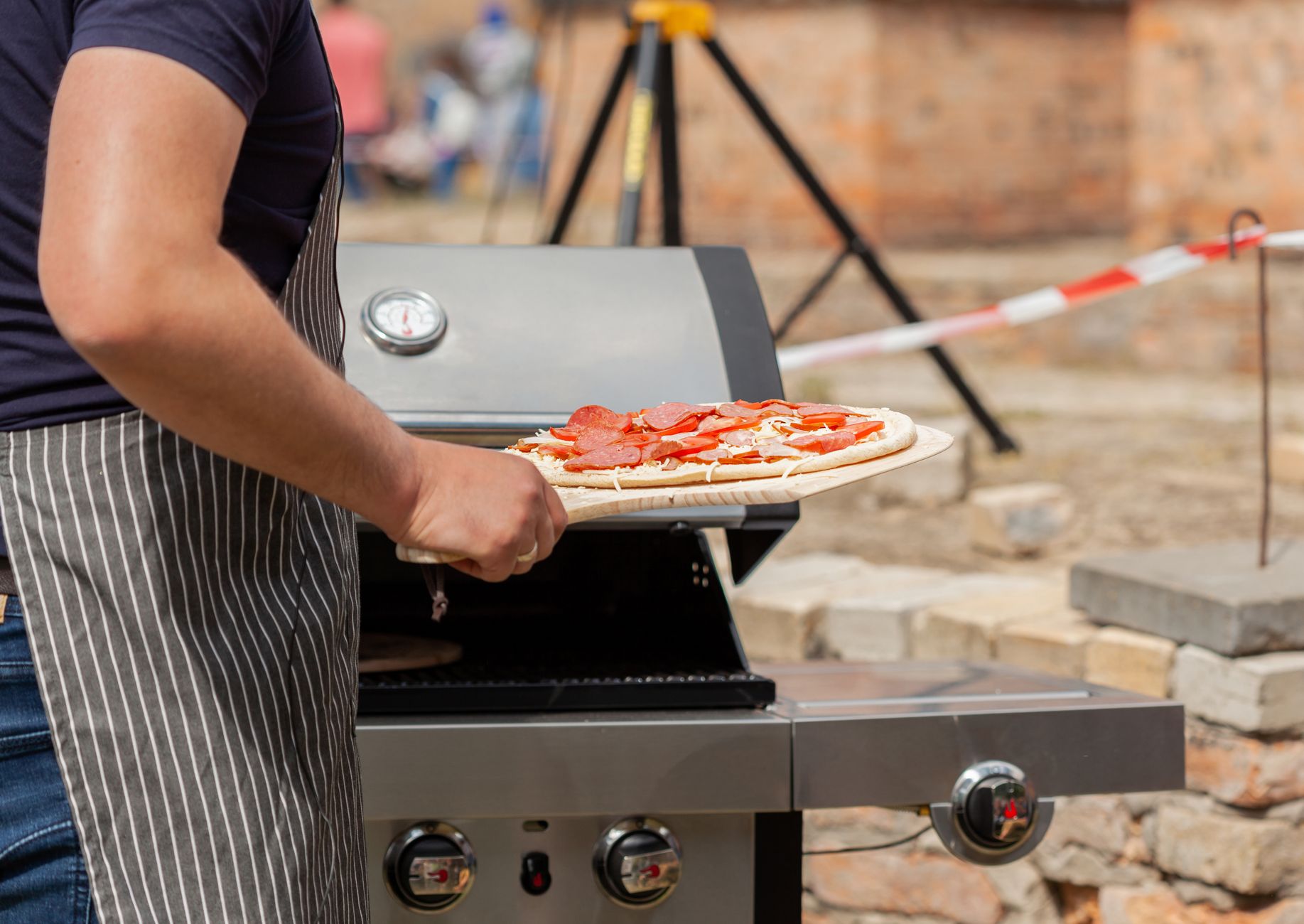
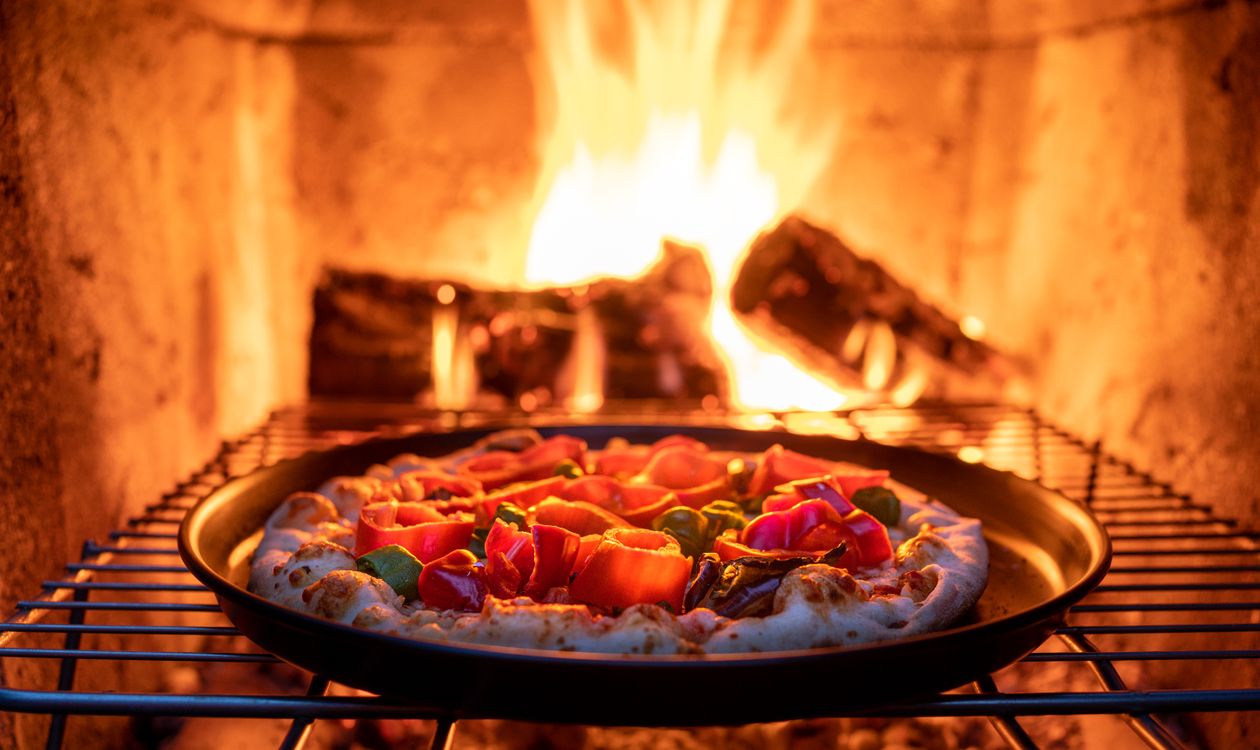
Pizza baking in a hot outdoor oven

This post contains affiliate links. If you buy through my links, I may earn a commission at no extra cost to you. Read the full disclosure.

The quick answer Considering a step up in build instead? See my Gozney Roccbox review, or see the direct Roccbox vs Koda 12 comparison.

If you cook for two to four people and want a pizza oven you can take anywhere, buy the Ooni Koda 12 (the full Koda 12 review is here). If you want to cook a proper 16-inch restaurant-size pizza or regularly feed larger groups, the Ooni Koda 16 is worth the extra investment. The full Koda 16 review covers what the larger burner and stone actually change. The size difference is more significant than it sounds.

Ooni Koda 12 Gas Pizza Oven Bundle
Ooni Koda 16 Gas Pizza Oven Bundle

I want to start with something the marketing doesn’t say clearly enough: a 12-inch pizza and a 16-inch pizza are not almost the same thing. A 16-inch pizza has almost twice the surface area of a 12-inch. That means twice as much food per cook, which matters enormously when you’re feeding people. It’s also a genuinely different cooking experience — the Koda 16 handles pizza the way a proper pizzeria does, with room for a serious crust and toppings that don’t crowd the centre. The difference shows up most in how much you’re actually feeding at once.

Both ovens reach 950°F (500°C) and both cook a Neapolitan pizza in about 60–90 seconds. These are genuinely remarkable machines that will change how you think about pizza. The question is which size changes it in the right direction for how you actually cook.

Feature Ooni Koda 12 Ooni Koda 16
Max pizza size 12 inches 16 inches
Max temperature 950°F (500°C) 950°F (500°C)
Heat-up time ~15 minutes ~20 minutes
Fuel type Propane gas Propane gas (dual fuel option)
Cooking surface 13.2 x 13.2″ 17.7 x 17.7″
Weight 20.4 lbs (9.25kg) 40.9 lbs (18.5kg)
Dimensions 23.8 x 15.6 x 11.7″ 29.9 x 25.9 x 13.2″
Portable use Excellent Possible but heavy
Typical price ~$350–$400 ~$500–$600

Pizza size: the decision that matters most

At 12 inches, the Koda 12 makes a good personal-to-medium pizza. Two people eating comfortably, four people if you’re doing multiple cooks. The constraint is that you’re cooking sequentially — one pizza at a time, 60–90 seconds each, with a brief recovery period between cooks. For a dinner party of six, you’ll be at the oven for 15–20 minutes before everyone is eating simultaneously.

At 16 inches, each pizza feeds two to three people properly. You’re still cooking one at a time, but each cook yields significantly more food. The 16-inch is also capable of styles beyond Neapolitan — a proper New York-style pizza needs that extra surface area and the room to stretch a thin crust wide.

Portability: a genuine difference

The Koda 12 weighs 20 lbs. It fits in the boot of most cars, sets up on a camping table, and is genuinely portable for camping trips, beach days, and friends’ gardens. I’ve seen people take the Koda 12 to festivals. It’s that kind of oven.

The Koda 16 weighs 41 lbs and has a significantly larger footprint. You can move it, but it’s not the kind of thing you throw in the car without planning. Most Koda 16 owners find it a permanent fixture on the patio. If portability is any part of why you want a pizza oven, the Koda 12 is the answer.

Heat distribution and cooking technique

The Koda 16 uses an L-shaped gas burner that wraps around the back and along one side of the chamber, where the Koda 12 has a single burner across the back only. The flame heats the stone from above and reflects off the ceiling. The result is the extreme, even heat that makes Neapolitan pizza possible at home.

One technique note: both ovens require you to rotate your pizza during cooking — typically two to three quarter-turns in 60–90 seconds. The side nearest the flame cooks faster, so rotation is essential for an even bake. The Koda 16 has a slightly wider flame arc that gives marginally more even heat coverage, which experienced pizza makers will appreciate. Beginners won’t notice the difference.

Heat-up time

The Koda 12 reaches cooking temperature in about 15 minutes. The Koda 16 takes closer to 20 minutes due to the larger cooking chamber. Neither is slow — you’re looking at a 5-minute difference that you’ll spend preparing your dough anyway. This isn’t a meaningful distinction in practice.

The price gap

Expect to pay around $100–150 more for the Koda 16. Over the lifetime of the oven, that’s negligible. But if the budget is tight and you genuinely cook for two most of the time, don’t stretch for the larger size. The Koda 12 is a complete, excellent pizza oven. It’s not a compromise.

Buy the Ooni Koda 12 if…

  • You cook for two to four people most of the time
  • Portability matters — camping, travel, visiting friends
  • You have limited outdoor space
  • You’re buying your first pizza oven and want to start right
  • Budget is a consideration

Buy the Ooni Koda 16 if…

  • You regularly cook for five or more people
  • You want to cook proper 16-inch New York or Neapolitan pizzas
  • The oven has a permanent outdoor home
  • You want more flexibility in pizza styles and sizes
  • You’re serious about pizza and want the most capable option

The verdict

The Koda 12 is the right oven for most people. It’s capable, portable, and produces genuinely extraordinary pizza. If you know you cook for groups regularly or you want the full restaurant-size pizza experience, the Koda 16 is absolutely worth the extra money. Both will transform pizza night. If you are still weighing other brands, my pizza oven coverage has the wider field.

See Ooni Koda 12 Price →
See Ooni Koda 16 Price →
Related: Best Pizza Oven 2026: Full Buying Guide
Related: Guide to Buying Outdoor Cooking Equipment

How This Comparison Was Put Together

Plainly: this is a research-based comparison, not a hands-on test. I have not run these two side by side.

What it rests on: the published specification for both – burner layout, stated peak temperature, stone size and what pizza diameter each genuinely accommodates, gas consumption and physical footprint; plus the pattern across verified-purchase reviews for each, where the recurring themes are the 12 being restrictive for anything beyond a personal pizza and the 16 being heavier to move than buyers expect.

What I could not establish: peak stone temperature for either. Both figures are Ooni’s own, and independent measurements of outdoor ovens vary widely with ambient conditions and preheat time. The size difference between these two is a fact you can act on; the temperature claims are not something this comparison can verify.

Frequently Asked Questions

Can the Ooni Koda 12 cook for a family of four?

Yes, but with some patience. At 12 inches per pizza, each cook yields a pizza that serves 1-2 people properly. For four people, you’ll make two to four sequential cooks (60-90 seconds each plus a short stone recovery). The whole process takes 10-15 minutes once the oven is at temperature. It’s perfectly workable for a family of four; just not as fast as the Koda 16 when feeding groups.

Is the Ooni Koda 16 worth the extra cost?

If you regularly cook for five or more people, yes, clearly. The 16-inch size yields nearly twice the pizza area per cook and handles New York-style pizzas that the Koda 12 cannot. If you cook for two to four people, the Koda 12 is a complete pizza oven that doesn’t feel like a compromise.

Can you use natural gas with the Ooni Koda 12 or 16?

No, neither the Koda 12 nor the standard Koda 16 is compatible with natural gas — both require liquid propane. The Ooni Koda 16 has a dual-fuel version (Koda 16 Gas and Wood) that can use wood pellets, but neither model has a natural gas adapter.

How often do you need to replace the Ooni pizza stone?

Ooni pizza stones are extremely durable under normal use. They can crack if exposed to rapid temperature changes (placing a cold stone in a hot oven, or adding cold liquid to a hot stone), but with normal preheating and careful handling, they should last the life of the oven. Replacement stones are available from Ooni directly if needed.


Filed Under: Product Reviews

Best Pizza Oven 2026: Reviews + Buying Guide

Last Updated July 5, 2026

Best pizza oven 2026

The first time I made a pizza in a real pizza oven, I genuinely didn’t understand what had been missing. A domestic oven tops out around 500°F. A dedicated pizza oven runs to 900°F, and that gap is the entire reason this category exists: at 900°F a Neapolitan base chars, bubbles and puffs in under 90 seconds, which is simply not available at 500°F however good your dough is. Temperature is the variable that decides pizza, and no kitchen oven can reach it.

Outdoor pizza ovens have become genuinely accessible over the last few years. Ooni in particular democratized the category with well-designed, propane or wood-fired ovens that any backyard cook can master. Here’s what actually separates the ovens worth buying from the rest.

This post contains affiliate links. If you buy through my links, I may earn a commission at no extra cost to you.

ProductBest ForPriceRatingBuy
Ooni Koda 12 GasBest Overall$379.994.2★ (10)Check Price
Ooni Koda 16 GasBest for Families$498.004.6★ (1,257)Check Price
Ooni Karu 12 Multi-FuelBest Wood-Fired$248.954.7★ (591)Check Price
Gozney RoccboxBest Premium Build$399.004.7★ (1,905)Check Price
Breville PizzaioloBest Indoor$999.954.6★ (149)Check Price

The Best Pizza Ovens of 2026, Reviewed

Best Overall

Ooni Koda 12 Gas Pizza Oven

Approx. $380 on Amazon (bundle with a peel)

Ooni Koda 12 Gas Pizza Oven
See Today’s Price on Amazon →

The Ooni Koda 12 is the pizza oven I recommend to almost everyone, and I’ve recommended it to a lot of people. It does three things extraordinarily well: it gets hot fast (950°F in about 15 minutes), it runs on propane for maximum convenience, and it produces genuinely restaurant-quality results with a short learning curve.

The learning curve is real but short. Your first pizza will probably be a bit charred on one side if you don’t rotate it. By your third pizza, you’ll have the rotation timing nailed. By your fifth, you’ll be pulling out Neapolitan-style pies with blistered, leopard-spotted crusts that your friends won’t believe you made in your backyard.

The 12-inch cooking surface is the main constraint — you’re making personal-sized pizzas, not the 16-inch pies you’d order at a restaurant. For most home cooks, that’s not a real limitation. But if you’re regularly feeding four or more people, you’ll be making multiple pizzas back to back, which adds time. The Koda 16 below solves that problem.

At 20 lbs with a foldable gas connection, the Koda 12 is genuinely portable. It is light enough to move between houses, which is the main reason owners pick it. The one thing I wish it had: a door. Without one, the oven loses heat more quickly in cold or windy conditions, and you need to be more careful about maintaining temperature between cooks.

Pros
  • Reaches 950°F in 15 minutes
  • Propane-powered — no fire management
  • Compact and portable at 20 lbs
  • Fast learning curve
  • Genuine Neapolitan results at home
  • Lightest gas oven in this guide
Cons
  • 12-inch max pizza size
  • No door — heat escapes in wind
  • Propane tank sold separately
  • Single gas burner at the back

Verdict: The Koda 12 is the entry point that convinced a generation of home cooks that real pizza at home was actually achievable. If you’re buying your first pizza oven and aren’t sure which size or fuel type to start with, start here.

Best for Families

Ooni Koda 16 Gas Pizza Oven

Approx. $498 on Amazon

Ooni Koda 16 Gas Pizza Oven
See Today’s Price on Amazon →

The Koda 16 is the Koda 12’s more capable sibling — same concept, larger footprint, significantly more useful for anyone who regularly cooks for four or more people. The 16-inch cooking surface means you can make full-sized pizzas without the constant rotation required on smaller ovens, and the L-shaped burner (versus the Koda 12’s single back burner) produces noticeably more even heat distribution.

That L-shaped burner is worth pausing on. The Koda 12 has a hot spot at the back of the stone where the burner sits, which is why you need to rotate the pizza every 20 seconds or so. The Koda 16’s burner wraps around two sides of the cooking surface, which means the temperature differential across the stone is much smaller. You still need to rotate, but less frequently and with less urgency.

At 40 lbs, the Koda 16 is heavier and less portable than the Koda 12. Most people leave it on the patio rather than moving it frequently. The larger size also takes slightly longer to heat up — more like 20–25 minutes to reach peak temperature — and uses more propane per session.

The extra $118 over the Koda 12 bundle is well justified if you cook for a family or host gatherings. Making pizza for four people with a Koda 12 means running four separate smaller pizzas sequentially. With the Koda 16, you’re running two larger ones — which in practical terms is the difference between a relaxed cooking experience and a stressful one.

Pros
  • 16-inch capacity for full-sized pizzas
  • L-shaped burner gives more even heat
  • Feeds families and groups in one bake
  • Same 950°F peak temperature as Koda 12
  • Great for non-pizza cooking too (flatbreads, steak)
Cons
  • Heavier at 40 lbs
  • $118 more than the Koda 12
  • Takes up more patio space
  • Longer heat-up time

Verdict: If you cook for four or more people, the Koda 16 is worth every penny of the premium over the Koda 12. The larger cooking surface and better burner geometry make the whole experience more relaxed and the results more consistent.

Best Wood-Fired

Ooni Karu 12 Multi-Fuel Pizza Oven

Approx. $249 on Amazon

Ooni Karu 12 Multi-Fuel Pizza Oven
Check Price on Amazon ↗

The Karu 12 is the wood-burning pick in this guide — and the successor to Ooni’s discontinued Fyra. Instead of a pellet hopper, the Karu burns real wood chunks or lump charcoal in a fuel tray at the back, and in practice that’s an upgrade: charcoal holds its temperature more steadily than pellets ever did, and small hardwood splits hit the same 950°F ceiling with genuine wood smoke.

That smoke flavour is the reason to buy it. A margherita out of the Karu tastes noticeably different from the same dough out of a gas Koda — a light woodiness that is as close as a $250 oven gets to a Neapolitan wood oven. An optional gas burner attachment (around $100) converts it to set-and-forget propane, making the Karu the only oven here that does both fuels properly.

The trade-off is attention. A live fire wants feeding every ten minutes or so, and the first two or three sessions are a learning curve — budget one sacrificial scorched crust while you calibrate. Heat-up runs about 15 minutes on a full load, similar to gas.

At $248.95 with a 4.7★ owner rating across 591 reviews, the Karu 12 is both the cheapest and the highest-rated oven in this guide. It is also 26 lbs — a real two-hands carry, but still car-boot portable.

For the full breakdown of what living with real fire actually involves, see my full review of the Ooni Karu 12.

Pros
  • Real wood or charcoal — smoke flavour gas can’t replicate
  • Same 950°F ceiling as the gas models
  • Cheapest oven in this guide at about $249
  • Optional gas burner makes it dual-fuel
  • Highest owner rating here: 4.7★ (591)
Cons
  • Fire needs tending every ten minutes or so
  • Real learning curve before consistent results
  • Wood and charcoal cost more per session than propane
  • Ash cleanup after every session
  • 26 lbs — portable, but heavier than the Koda 12

Verdict: for the cook who wants wood-fired authenticity and enjoys the process, this is the one. If you just want dinner with no ceremony, stay with a Koda.

Best Premium Build

Gozney Roccbox Pizza Oven

Approx. $400 on Amazon (Full test: my Gozney Roccbox review.)

Gozney Roccbox Pizza Oven
Check Price on Amazon ↗

The Gozney Roccbox is the pizza oven that professional chefs reach for when they want something portable, and that endorsement reflects something real about how it performs. The build quality — a retained heat jacket wrapped in silicone — is visibly superior to the Ooni models. The temperature stability it produces because of that retained heat is even more notable.

Where the Ooni ovens can see temperature fluctuations of 50–100°F during cooking sessions (particularly on windy or cold days), the Roccbox holds its temperature with remarkable consistency. The silicone jacket keeps the heat in the stone, so the recovery time between pizzas is faster and more predictable. This matters most when you’re making pizza after pizza for a group and you need consistent results across the batch.

The Roccbox is available in both gas and wood-fired configurations, giving you flexibility that the single-fuel Ooni models don’t offer. The gas version uses a standard propane connection; the wood-fired burner attachment is sold separately. It reaches the same 950°F target temperature as the Ooni lineup.

At 44 lbs, the Roccbox is heavy for its size — the retained heat jacket adds significant weight. And at $399, it sits just below the Koda 16 among the portable gas ovens here. But for the cook who wants the absolute best-built, most consistent outdoor pizza oven available, the premium is justifiable.

Pros
  • Retained heat jacket = exceptional temperature stability
  • Available in gas or wood-fired
  • Silicone jacket is safe to touch during use
  • Restaurant-quality consistency
  • Excellent build quality
Cons
  • Heaviest on the list at 44 lbs
  • More expensive than comparable Ooni
  • Smaller cooking area than Koda 16
  • Premium price for features casual cooks may not need

Verdict: The Roccbox is for the cook who wants the best portable pizza oven available and is willing to pay for it. If you entertain frequently and need consistent results across 10–15 pizzas per session, this is the one.

Best Indoor Option

Breville Pizzaiolo Indoor Pizza Oven

Approx. $999 on Amazon

Breville Pizzaiolo Indoor Pizza Oven
Check Price on Amazon ↗

The Breville Pizzaiolo occupies an entirely different category from the outdoor ovens above — it’s a countertop electric appliance that sits in your kitchen and reaches temperatures (750°F) that no standard oven can match. It’s the answer to a specific question: what if you can’t or don’t want to cook outside, but still want dramatically better pizza than your regular oven produces?

750°F sounds modest compared to 950°F of the outdoor gas ovens, but in context it’s remarkable. Your standard kitchen oven maxes out around 500–550°F. That extra 200–250 degrees makes a real, visible difference — you’re getting proper crust bubble and char that a standard oven can only approximate.

The Pizzaiolo is designed with precision temperature controls and a dedicated pizza stone that preheats to high temperatures. Breville says it takes a 12-inch pizza, but owners report the usable space is smaller: one measured the largest pan that fits at 11.75 inches. One owner who had tried a baking steel, pizza stones and a grill oven says nothing else came close in a kitchen; another, who baked on a steel every week, found the steel better and returned the oven. Thin-crust and Neapolitan-style pizzas particularly benefit from its performance.

At nearly $1,000, the Pizzaiolo is a genuine luxury purchase. And it takes up significant counter space — this isn’t a small appliance. But for apartment dwellers, cold-climate cooks, or anyone who wants restaurant-quality pizza year-round without going outside, it is the one indoor option in this guide, and owners rate its crust highly.

Pros
  • Countertop — no outdoor setup required
  • Reaches 750°F, about 200°F above most home ovens
  • Precise temperature control
  • Workable in an apartment
  • Year-round use regardless of weather
Cons
  • Most expensive on this list at $999.95
  • Only reaches 750°F vs 950°F outdoors
  • Large counter footprint
  • Small stone: standard 12-inch pans do not fit
  • Hard to clean, and smokes when dirty
  • Crust won’t fully match outdoor results

Verdict: If outdoor cooking isn’t an option, the Breville Pizzaiolo is the indoor oven to consider: owners rate its crust highly, but it is small and hard to clean for $1,000. My Breville Pizzaiolo review covers what owners report.

How to Choose the Right Pizza Oven

Gas vs Wood-Fired vs Electric

Gas (propane) is the most practical choice for most people. You get consistent, controllable heat with minimal setup or cleanup. Light it, wait 15 minutes, cook. Wood-fired ovens (log or charcoal) add complexity and a genuine flavor dimension that gas can’t replicate. They require more skill and attention but reward the effort with better-tasting pizza. Electric indoor ovens like the Breville are for situations where outdoor cooking isn’t possible — they’re excellent but can’t match the temperatures of outdoor alternatives.

Size Matters

A 12-inch cooking surface means personal-sized pizzas. For one or two people, that’s fine. For a family of four or a group, you’ll be making pizza after pizza sequentially, which gets tedious fast. A 16-inch oven cuts that work roughly in half. Unless you’re explicitly cooking solo, I’d lean toward 16 inches if the budget allows.

Temperature Capability

Look for an oven capable of reaching 800–950°F for authentic Neapolitan results. At these temperatures, a pizza cooks in 60–90 seconds — which is how you get proper crust leoparding and a perfectly cooked interior simultaneously. Ovens that max out at 650–700°F can still make good pizza, but the cooking time increases to 5–8 minutes and the crust character is noticeably different.

Portability vs Performance

Lighter, more compact ovens (Koda 12, Karu 12) are genuinely portable — you can take them to a friend’s place or store them easily. Heavier ovens (Koda 16, Roccbox) tend to be semi-permanent patio fixtures. Neither is wrong, but be honest with yourself about how often you’ll move the oven before deciding.

Model Fuel Max Temp Pizza Size Weight Price
Ooni Koda 12 Gas 950°F 12″ 20 lbs $380
Ooni Koda 16 Gas 950°F 16″ 40 lbs $498
Ooni Karu 12 Wood / Charcoal 950°F 12″ 26 lbs $249
Gozney Roccbox Gas/Wood 950°F 12″ 44 lbs $399
Breville Pizzaiolo Electric 750°F 12″ 32 lbs $999.95

Frequently Asked Questions

What temperature does a pizza oven need to reach for good results?

For authentic Neapolitan pizza — the thin-crust, leopard-spotted, blistered style from Naples — you need 800–950°F. At that temperature, pizza cooks in 60–90 seconds, which is the only way to get the crust perfectly charred on the outside while remaining tender and chewy inside without overcooking the toppings. Lower temperatures (under 700°F) produce perfectly edible pizza, but the crust texture and character are fundamentally different — it’s more like well-made home pizza than restaurant-style Neapolitan.

How long does an Ooni pizza oven take to heat up?

On a warm day with no wind, an Ooni Koda 12 reaches 950°F in about 15 minutes. The Koda 16 takes 20–25 minutes due to its larger cooking surface. In cold or windy conditions, add 5–10 minutes to those estimates. Wood-fired models like the Karu take a bit longer because you’re building and maintaining an actual fire. Always use an infrared thermometer to verify the stone temperature before you launch your first pizza — don’t rely on the time estimate alone. If it still will not reach temperature after that, my pizza oven troubleshooting guide covers the specific fixes for wind, fuel, and gas supply issues.

Can I cook things other than pizza in a pizza oven?

Absolutely, and this is one of the underrated aspects of owning one. Pizza ovens excel at anything that benefits from extremely high, fast heat: flatbreads and naan, steak (the fastest, most intense sear you can achieve at home), fish, vegetables, skillet desserts. The intense heat caramelizes and chars in a way no kitchen appliance can replicate. Once you own a pizza oven, you’ll find yourself firing it up for far more than just pizza.

Do I need a pizza peel?

Yes — a pizza peel is non-negotiable. You need it to safely slide the pizza into and out of the oven without burning yourself. For launching (sliding the pizza into the oven), a thin aluminum perforated peel is best — the holes prevent the dough from sticking and moisture from building up. For retrieval, the same peel works fine. Most Ooni bundles include a peel; if yours doesn’t come with one, budget another $20–40 for a good one.

Is a pizza oven worth it if I’m new to making pizza from scratch?

I’d argue yes, because the pizza oven will actually motivate you to improve your dough-making skills. There’s something about having a tool that produces spectacular results when you do it right that makes you want to learn the craft properly. The learning curve for operating the oven itself is short — a few sessions and you’ll have the timing and rotation down. The dough technique takes longer to master, but there are excellent recipes and YouTube tutorials that’ll get you producing good dough within two or three attempts.


How These Picks Were Chosen

Plainly: this is a research-based guide, not a hands-on test. I have not run these through a cook, and nothing here should be read as a report from my own kitchen.

What the picks rest on: fuel type and what it demands of the cook, stone thickness and material, stated peak temperature and recovery between bakes, and footprint and weight against how portable each oven actually claims to be; plus the complaint patterns across verified-purchase reviews, which for pizza ovens cluster around uneven heat across the stone, flame management on wood models, and how quickly the oven recovers when you launch a second pie.

What I could not establish: peak stone temperature. Every figure quoted for these ovens is the manufacturer’s, and the independent measurements that do exist vary widely with ambient temperature, wind and preheat time — enough that two honest testers can differ by a hundred degrees on the same oven. Treat the numbers as a rough class indicator, not a specification you can hold the oven to.

Related Reading

Choosing between Ooni sizes? I’ve compared them directly:

  • Ooni Koda 12 vs 16 — detailed head-to-head on size, output, and which suits which cook
  • All my pizza oven reviews and guides — every oven I have covered, in one place
  • Guide to Buying Outdoor Cooking Equipment — where a pizza oven fits in a complete outdoor kitchen setup
  • Best Bluetooth Meat Thermometer — monitor roasts and proteins in your pizza oven with a wireless probe

Final Verdict

For most backyard cooks, the Ooni Koda 12 is where to start — fast heat, propane convenience, and results that will genuinely change how you think about homemade pizza. Step up to the Koda 16 if you’re regularly cooking for a family or hosting. Choose the Karu 12 if wood-fired flavor is what you’re after and you’re willing to manage the fire. The Gozney Roccbox is for the perfectionist who wants the best-built, most consistent outdoor oven available. And if outdoor cooking isn’t an option, the Breville Pizzaiolo is the indoor choice, as long as your pizzas are 11 inches or smaller. Whatever you choose, your first properly made pizza at 900°F will be a turning point. You’ve been warned.


The full Ooni Koda 16 review goes into the L-shaped burner, the 40.9 lb weight and who should buy the smaller Koda 12 instead. The full Ooni Koda 12 review covers why the 12-inch limit suits most households, and what the single rear burner asks of you at the peel.

Filed Under: Product Reviews

Instant Vortex Plus vs COSORI Pro: Which 6-Quart Air Fryer Is Better?

Last Updated July 5, 2026

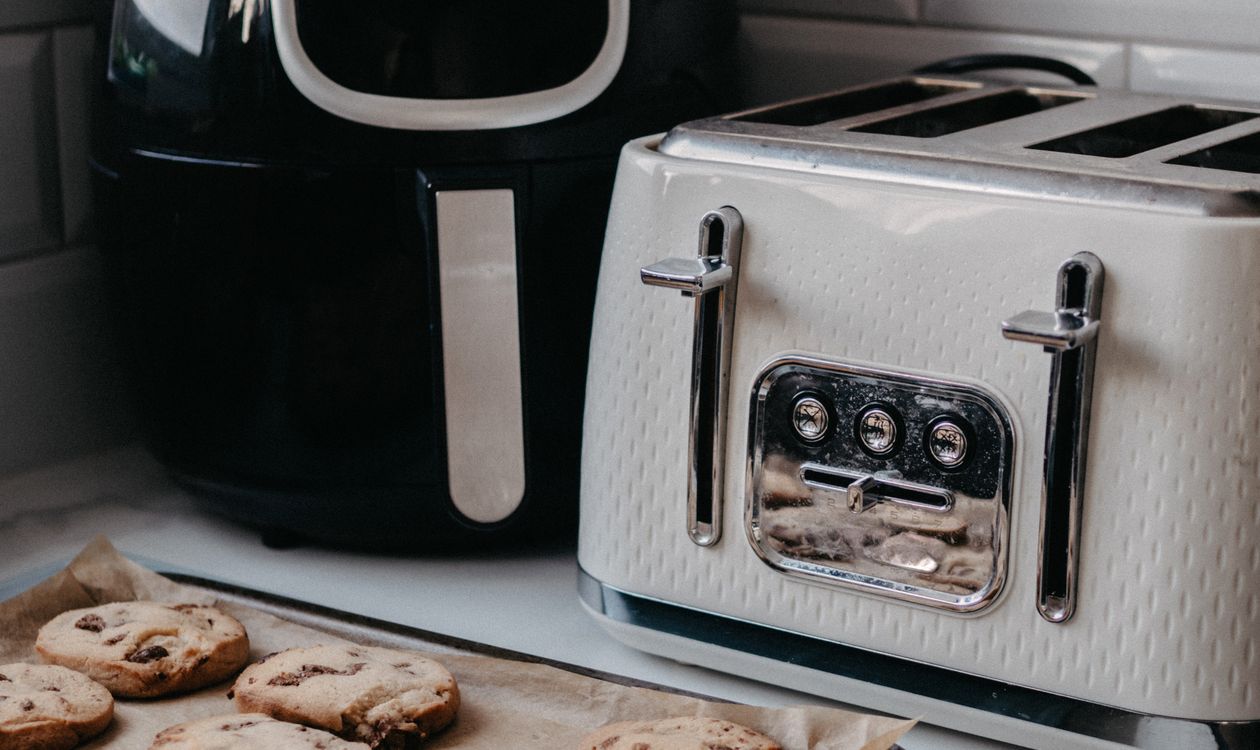
Air fryer on a kitchen counter next to a toaster

This post contains affiliate links. If you buy through my links, I earn a commission at no extra cost to you. Read the full disclosure.

Air fryer on a kitchen counter next to a toaster

The quick answer

Both are roughly 6-quart air fryers about $20 apart. The Instant Vortex Plus wins on simplicity and the clear-cook window. The COSORI Pro has a better app and slightly more preset flexibility.

For most buyers this comes down to whether you want a window to watch your food, or you prefer the COSORI ecosystem. Either will serve you well; what follows sets the app and window trade-off against what owners of each actually report.

Instant Vortex Plus ClearCook Air Fryer
COSORI Pro II Air Fryer

These two are fighting for exactly the same customer: someone who wants a 6-quart air fryer with smart features, a good app, and reliable cooking performance. Comparing them on specification and owner reviews, the differences are real but smaller than the marketing suggests.

Here’s what genuinely separates them, and what doesn’t matter as much as you might think.

Feature Instant Vortex Plus COSORI Pro
Capacity 6 quarts 5.8 quarts
Wattage 1,700W 1,700W
Clear cooking window Yes (ClearCook) No
App connectivity Instant app COSORI app
Presets 6 12
Display Digital touchscreen Digital touchscreen
EvenCrisp technology Yes No
Odour erase function Yes No
Typical price $99.99 $119.99

The ClearCook window: more useful than it sounds

The Instant Vortex Plus has a large clear window on the front of the basket. You can watch your food cook without opening the drawer. This is more useful than it sounds — particularly for things like chicken wings or bacon where you want to keep an eye on browning without losing heat by opening the basket. It’s not a gimmick; it’s a genuinely useful feature.

The COSORI doesn’t have a window. If you want to check on your food, you pull the basket. It’s not a problem, because the COSORI pauses automatically when you pull the basket out, but the window is a real convenience advantage for the Instant.

Cooking performance

Both cook food well. Six quarts is proper family-sized capacity: a whole chicken fits, a decent quantity of fries cook in one batch for four people, and you have room to shake food properly rather than crowding it. At this capacity, both machines deliver consistently crispy results when you don’t overcrowd the basket.

Both run at 1,700W, so neither has a power advantage when preheating.

App and smart features

Both have companion apps that let you send cooking programmes to the machine from your phone. The COSORI app has more community recipes and a slightly more polished interface. The Instant app integrates with other Instant Pot appliances if you have them, which is useful if you’re already in the Instant Pot ecosystem.

Honestly, the companion app is the feature owners most often describe using for a week and then abandoning. Once you know your go-to settings for the things you cook regularly, you don’t need the app. Don’t make this the deciding factor.

The odour erase function

The Instant Vortex Plus has a dedicated odour-erase mode that runs the fan at high speed after cooking to clear smells from the heating element. It’s a small but thoughtful feature if you cook fish or strongly-spiced food regularly and care about what the kitchen smells like afterward.

Buy the Instant Vortex Plus if…

  • You like being able to watch your food cook without opening the basket
  • You’re in the Instant Pot ecosystem
  • You cook fish or strongly-spiced food and care about odour
  • You want a slightly simpler preset structure

Buy the COSORI Pro if…

  • You want more preset options and a well-developed recipe app
  • You prefer the COSORI brand and have used their products before
  • You want more community recipe support in the app

The verdict

Buy the Instant Vortex Plus if the window matters to you — and once you use it, it does. Buy the COSORI Pro if you want more presets and a better app ecosystem. Flip a coin if you genuinely don’t care about either of those things; you won’t be disappointed by either machine.

See Instant Vortex Plus Price →
See COSORI Pro Price →
Related: Best cheap air fryers 2026
Related: Basic Cooking Tools Every Chef Should Own
Related: Best Chef’s Knife 2026: Full Buying Guide
If neither model suits your needs, my air fryers page covers the full range of basket and multi-function air fryer models across every price point.

How This Comparison Was Put Together

Plainly: this is a research-based comparison, not a hands-on test. I have not run these side by side.

What it rests on: the published specification for both – basket capacity and usable area, wattage, temperature range, preset count, the ClearCook window against the COSORI app ecosystem, and which parts are dishwasher safe; plus the pattern across verified-purchase reviews for each, where both draw the same basket-coating complaints and differ mainly in how buyers feel about app dependence.

What I could not establish: cooking evenness on either, which is the only comparison that would genuinely separate them. It needs identical food cooked in both and assessed by position; no independent test covers this pairing.

Frequently Asked Questions

Is the ClearCook window actually useful or just a gimmick?

It’s genuinely useful, not a gimmick — especially for foods that brown quickly, like chicken wings, bacon, or anything breaded. Being able to check browning without opening the drawer means you don’t lose heat and don’t interrupt the cooking cycle. Once you have a window, going back to a windowless air fryer feels like a step backward. That said, plenty of excellent air fryers don’t have one, and you adapt quickly.

Do you need the app to use either of these air fryers?

No. Both the Instant Vortex Plus and the COSORI Pro work perfectly without the app — the touchscreen controls everything you need. The apps add convenience (saved recipes, remote monitoring) but are completely optional. Many people download the app once, explore the recipes, and then never open it again.

Which is easier to clean, the Instant Vortex Plus or the COSORI Pro?

Both have dishwasher-safe baskets, which is the most important thing. The Instant Vortex Plus basket has a non-stick coating that wipes clean easily by hand; the COSORI basket is similar. Neither requires soaking. In practice, either machine takes about 90 seconds to clean after a cook if you wipe it while still warm.

Is 5.8 quarts vs 6 quarts a meaningful difference in an air fryer?

No, not in practice. The 0.2-quart difference between the COSORI Pro II (5.8QT) and the Instant Vortex Plus (6QT) is negligible — you will not notice it when cooking. Both fit a whole chicken, enough fries for four people, or a reasonable quantity of wings without crowding. The capacity difference should not factor into your decision.

For the full standalone review of the Vortex Plus, see my Instant Pot Vortex Plus review.

Filed Under: Product Reviews

Best French Press Coffee Maker 2026: Reviews + Buying Guide

Last Updated July 5, 2026

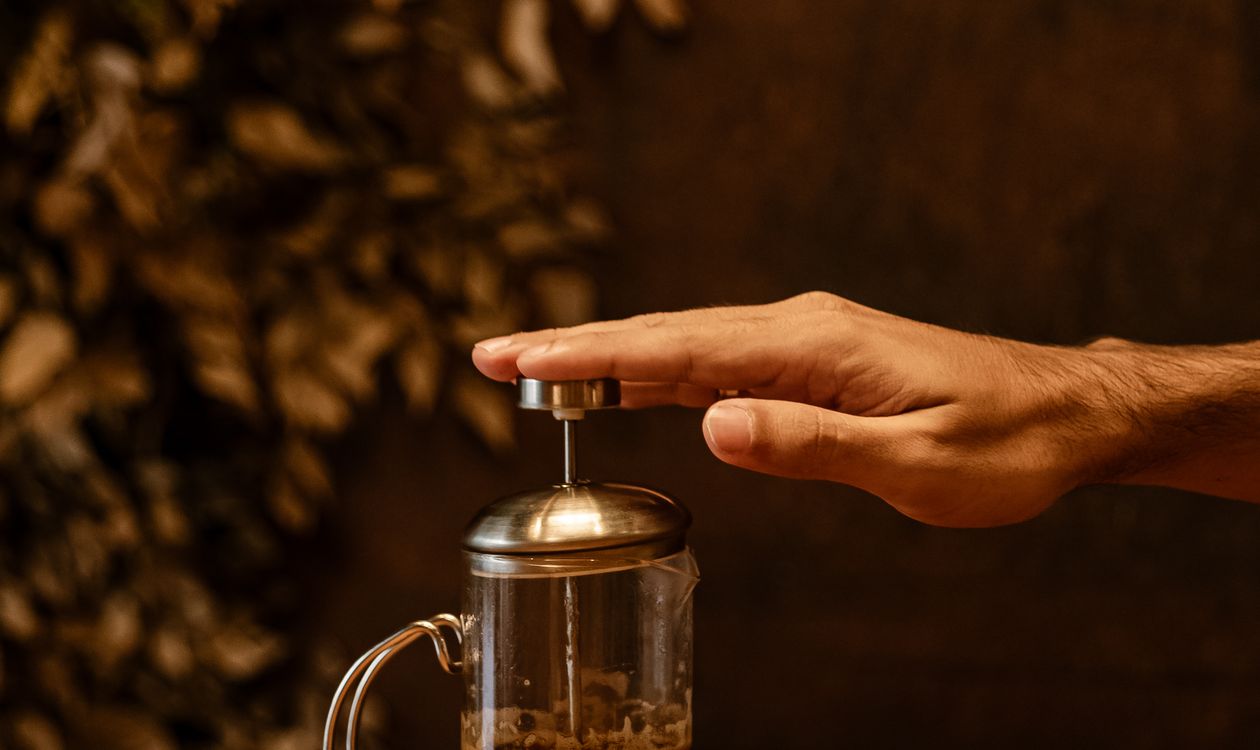
Hand pressing the plunger of a glass French press coffee maker

This post contains affiliate links. If you buy through my links, I may earn a commission at no extra cost to you.

French press is the brewing method I recommend to almost everyone who asks how to make better coffee without spending real money. Full immersion pulls out the oils and body that paper filters strip away, the technique is nearly impossible to get badly wrong, and a genuinely excellent press costs $25–$85. There is no pod system, no proprietary filter subscription, no electronics to die eighteen months in.

The five presses below cover the range worth considering, from a $20 workhorse to a stoneware piece you would happily leave on the table. Here’s where each one earns its place.

Best French Press Coffee Makers — Quick Comparison

Product Best For Price Rating Buy
Bodum Chambord 34 oz Best Overall $39.69 4.6★ (28,657) Check Price
Secura Stainless 34 oz Best Value $27.99 4.7★ (35,977) Check Price
Frieling Double-Wall 36 oz Premium Pick $139.95 4.5★ (3,496) Check Price
Espro Light P3 32 oz Cleanest Cup $39.94 4.2★ (3,050) Check Price
Le Creuset Stoneware 34 oz Best Gift $83.70 4.5★ (1,524) Check Price

How These Picks Were Chosen

Plainly: this is a research-based guide, not a hands-on test. I have not run these through a cook, and nothing here should be read as a report from my own kitchen.

What the picks rest on: filter design and mesh construction, carafe material and stated thermal retention, capacity, and how the plunger assembly comes apart for cleaning; the complaint patterns in verified-purchase reviews, which for french presses concentrate on sediment, plunger seals loosening, and glass carafes cracking; and prices and ratings verified directly on Amazon US on 5 July 2026, which move and should be treated as a snapshot.

What I could not establish: how much sediment each press actually lets through.

Sediment is driven far more by grind size and grinder quality than by the filter, so a comparison across models without a controlled grind would be measuring the grinder, not the press. Any guide that ranks presses on sediment without describing its grind is telling you something it cannot know.

The Best French Press Coffee Makers of 2026, Reviewed

1. Bodum Chambord 34 oz — Best Overall

Bodum Chambord 34 oz French press with borosilicate glass carafe and stainless frame

The Chambord is the French press most people picture when they hear the words, and after sixty-plus years in production it is still the reference point. The high-heat borosilicate glass carafe is thinner than it looks but shrugged off daily use, the polished stainless frame keeps it steady, and the plunger travels smoothly with none of the grinding you get on cheap presses. It’s still made in Portugal, which has become rare at this price.

What stands out: the balance. Nothing about the Chambord is the single best in this group — the Frieling holds heat longer, the Espro filters cleaner — but nothing about it is a compromise either. The 34 oz size brews three proper mugs. Replacement glass carafes, screens, and plungers are all cheap and available, so a broken carafe is a $15 fix rather than a rebuy.

Trade-offs: glass loses heat faster than steel — if you sip over an hour, brew into a thermos. The metal filter lets fine sediment through, which is the classic French press cup; if that bothers you, the Espro below is your answer.

Verdict: 4.6★ across 28,657 ratings for a design this old tells you everything. The default choice, and the right one for most kitchens.

Check Price on Amazon ↗

2. Secura Stainless Steel 34 oz — Best Value

Secura 34 oz insulated stainless steel French press

At $27.99 the Secura costs less than a bag of good beans and a pastry, and it’s double-wall 304 stainless — the construction you normally pay $100+ for. Coffee stays hot roughly twice as long as in glass, it’s effectively unbreakable, and it ships with two spare filter screens. Stack the screens together and you get noticeably less sediment than a single-screen press.

What stands out: 4.7★ across 35,800 ratings — the highest-rated press in this guide, at the lowest price. In my 602-product pricing study, this is exactly the pattern I kept finding: the workhorse mid-market product out-scoring the premium options. The plunger action is firmer than the Bodum’s but perfectly smooth.

Trade-offs: you can’t see the coffee, so you’re brewing by timer rather than by eye. The brushed finish shows water spots if you air-dry. Pour spout dribbles slightly at full tilt.

Verdict: if you want the most coffee-per-dollar in this guide — or a press you can drop on tile — buy the Secura and spend the difference on better beans.

Check Price on Amazon ↗

3. Frieling Double-Wall 36 oz — Premium Pick

Frieling polished double-walled stainless steel French press, 36 ounces

The Frieling is what the Secura grows up into: German-designed, mirror-polished 18/10 stainless, and a two-stage filter with a fineness you can feel in the cup. The double wall keeps coffee above 140°F for about an hour — genuinely a full hour longer than glass. Everything about it, from the weight of the lid to the zero-slop plunger, feels like restaurant hardware, because it is; Frieling supplies the hotel trade.

What stands out: longevity. This is a press people hand down. There is no glass to break, no plastic to crack, and the screens are replaceable. If you brew every single day, the cost-per-year math gets very forgiving.

Trade-offs: $139.95 is real money for a device with one moving part, and my pricing study is blunt about this pattern — owners rate it 4.5★, slightly below the $27.99 Secura’s 4.7★. You’re paying for materials and lifespan, not for measurably better coffee.

Verdict: the buy-once option. Worth it for daily brewers who value the polish; skip it if the Secura already covers your needs.

Check Price on Amazon ↗

4. Espro Light P3 32 oz — Cleanest Cup

Espro Light P3 glass French press with double micro-filter basket

The Espro exists for one kind of person: you love French press body but hate the silt in the last mouthful. Its patented double micro-filter basket — two nested baskets, each roughly nine times finer than a standard screen — delivers a cup close to pour-over clarity while keeping immersion’s roundness. It also stops extraction almost dead when you plunge, so the last cup doesn’t turn bitter sitting in the carafe.

What stands out: the filtration is not marketing. Side by side against the Bodum with the same grounds, the difference in the bottom of the mug is obvious.

Trade-offs: the 4.2★ (3,050) rating is the lowest here, and the complaints cluster on two things: the basket takes more effort to clean than a flat screen, and the plunger needs a firm, slow push. Neither bothered me; both are real. Capacity runs smaller than the label suggests because the basket displaces volume.

Verdict: a specialist’s press. If sediment is the reason you abandoned French press, this brings you back.

Check Price on Amazon ↗

5. Le Creuset Stoneware 34 oz — Best Gift

Le Creuset stoneware French press in Cerise red, 34 ounces

Nobody needs a stoneware French press. But nobody needs the enamelled Dutch oven either, and Le Creuset keeps selling those for a reason: the thing is beautiful, it works, and it survives decades. The thick stoneware holds heat better than glass (though not as well as double-wall steel), the classic Cerise red looks like it was born on a breakfast table, and the whole press — screen included — goes in the dishwasher.

What stands out: as a gift, it lands every time. It reads as far more expensive than $83.70, comes in a dozen colours to match someone’s kitchen, and carries a 10-year warranty on the stoneware.

Trade-offs: it’s the heaviest press here by a wide margin, you can’t watch the brew, and dropped stoneware doesn’t bounce. Function-per-dollar, the Secura beats it hollow — that’s not what this one is for.

Verdict: buy it for someone you like, or for a kitchen where the counter is part of the pleasure.

Check Price on Amazon ↗

How to Choose a French Press

Glass vs stainless vs stoneware

Glass (Bodum, Espro) lets you watch the brew and shows off the ritual, but loses heat fastest and eventually breaks — budget for a replacement carafe at some point. Double-wall stainless (Secura, Frieling) keeps coffee hot 2–3× longer and survives anything, but you brew blind. Stoneware (Le Creuset) sits in between on heat and wins on looks. If you drink your coffee within fifteen minutes, the material barely matters; if a pot lingers on your desk all morning, insulated steel is the honest answer.

Size

The “34 oz / 8-cup” labelling uses 4 oz demitasse cups nobody actually drinks from. In real mugs, 34 oz is three generous cups — right for one or two people. Solo drinkers can go 12–17 oz; a household of three or more coffee drinkers should look at 51 oz. Under-filling a big press works fine, so when in doubt, size up.

The filter question

A standard single screen gives the classic full-bodied, slightly silty cup. If you love that, any press here except the Espro delivers it. If you want body without silt, that’s exactly the Espro’s job. The Secura’s stackable double screens land in between.

Whatever you buy, a consistent coarse grind matters more than the screen — a blade grinder’s dust will silt up any press ever made. A proper burr grinder (see my grinder guide — most of those picks have coarse settings) fixes more French press problems than any equipment upgrade.

French Press Brewing Guide

The method that produced the best cups across all five presses:

  • Ratio: 1:15 coffee to water — 60 g (about 8 rounded tablespoons) per 900 ml for a full 34 oz press. Stronger: 1:12.
  • Grind: coarse, like raw sugar. Fines are the enemy.
  • Water: 195–205°F — kettle off the boil for 30 seconds.
  • Method: add grounds, pour half the water, stir once, pour the rest. Lid on, plunger up. Four minutes. Press slowly — ten seconds down.
  • Serve immediately. Coffee left on the grounds keeps extracting and turns bitter (the Espro is the exception). Decant what you don’t pour.

And no — a French press won’t make true espresso, but if you’re curious how close you can get, there is a separate piece on it: French press “espresso”, explained. If you decide you want the real thing, start with my best espresso machines under $200.

Frequently Asked Questions

What grind size should I use for French press?

Coarse — the texture of raw sugar or coarse sea salt. Finer grinds slip through the screen, silt the cup, and over-extract into bitterness. If your coffee tastes muddy AND bitter, your grind is too fine; it’s the single most common French press mistake.

How long should I steep French press coffee?

Four minutes is the standard. Three and a half if you like it brighter, five at most for very light roasts. Past five minutes you’re extracting bitterness, not strength — if you want stronger coffee, use more grounds, not more time.

What coffee-to-water ratio should I use?

Start at 1:15 by weight — 60 g of coffee per 900 ml of water for a 34 oz press. No scale? Two level tablespoons per 6 oz of water gets you close. Adjust toward 1:12 for stronger cups.

Is a stainless steel French press better than glass?

Better at surviving and staying hot, yes — double-wall steel keeps coffee drinkably hot around an hour versus 15–20 minutes for glass. Glass wins on watching the brew and on price at the entry level. The coffee itself tastes the same; buy based on how fast you drink.

How do I clean a French press?

Daily: dump the grounds (compost, not the sink drain), rinse everything, done. Weekly: unscrew the plunger assembly and wash the screens — trapped oils go rancid and make every brew taste stale. All five presses here tolerate dish soap; the Secura, Frieling and Le Creuset are dishwasher-safe.

Related Reading

  • The Optimal Water Temperature for French Press Coffee
  • How to Make Espresso With a French Press
  • Best Espresso Grinders 2026
  • Are Expensive Kitchen Appliances Worth It? I Analyzed 602 Products


Filed Under: Product Reviews

  • « Go to Previous Page
  • Page 1
  • Interim pages omitted …
  • Page 25
  • Page 26
  • Page 27
  • Page 28
  • Page 29
  • Interim pages omitted …
  • Page 35
  • Go to Next Page »

Recent Articles

  • Cuisinart DLC-10SYP1 Review: Durable, But a Newer Bowl
  • COSORI Pro Gen 2 Review: Big Basket, Fragile Handle
  • Dash Tasti-Crisp Review: Cheap, but the Coating Wears Fast
  • Chefman TurboFry Touch Review: Cheap, but the Coating Wears
  • Chef’sChoice 15XV Review: Very Sharp, With Scratch Reports

Search


HOME          Contact          Affiliate Disclosure          Terms of Service          Privacy Policy


kitchenwarecompare.com is a participant in the Amazon Services LLC Associates Program, an affiliate advertising program designed to provide a means for sites to earn advertising fees by advertising and linking to Amazon.com, Endless.com, MYHABIT.com, SmallParts.com, or AmazonWireless.com. Amazon, the Amazon logo, AmazonSupply, and the AmazonSupply logo are trademarks of Amazon.com, Inc. or its affiliates. As an Amazon Associate I earn from qualifying purchases.


Copyright © 2026 kitchenwarecompare.com, ALL RIGHTS RESERVED.