• Skip to primary navigation
  • Skip to main content
  • Skip to primary sidebar

Kitchenware Compare

  • Home
  • Product Reviews
    • Air Fryers
    • Coffee
    • Cookware
    • Flat Top Grills
    • Meat Thermometers
    • Food Processors
    • Knives
    • Pizza Ovens
    • Toaster Ovens
    • Juicers
  • Food Blog
  • Helpful Kitchen Tips
  • Data Studies
  • About
  • How I Review
  • Contact
You are here: Home / Archives for Product Reviews

Breville Bambino Plus Review (BES500): Is It Worth It?

Last Updated June 27, 2026

Breville Bambino Plus BES500 Espresso Machine

The Breville Bambino Plus costs around $490 and produces espresso that machines costing far more would struggle to match. Here’s what actually matters about it, and what the spec sheet doesn’t tell you.

Disclosure: This review contains affiliate links. If you buy through them I earn a small commission at no extra cost to you.

Breville Bambino Plus Espresso Machine BES500BSS

4.5/5  ·  ~$490  ·  View on Amazon

Quick Verdict

The Bambino Plus is the best compact semi-automatic espresso machine under $500 for anyone who wants genuine café-quality shots without learning to operate a boiler system. The 3-second heat-up is real, the automatic milk texturing works well enough for lattes and flat whites — which sidesteps the technique problems that leave a steam wand not frothing milk on a manual machine, and the 54mm portafilter produces proper crema. The main limitation is that it rewards good grinders — pair it with a bad grinder and the shots will show it.

Score: 88/100. Loses points for the fixed 19g basket (inflexible for single shots), no manual steam control, and the water tank position making refills awkward. Gains points for build quality, heat consistency, and genuinely fast heat-up.

Check Price on Amazon ↗

Key Specs

Spec Breville Bambino Plus
Model BES500BSS
Heat-up time 3 seconds (ThermoJet)
Portafilter size 54mm
Dose 19g (fixed basket)
Pressure 9 bars extraction, pre-infusion at low pressure
Milk system Automatic steam wand
Temperature control PID digital
Width 7.7 inches
Wattage 1,560W
Amazon rating 4.1/5 (2,785 reviews)
Price ~$490

The Espresso

Heat-up speed

Breville’s ThermoJet system is the machine’s headline feature and it delivers. Breville quotes three seconds from cold to extraction temperature, and the owner reports are broadly consistent with it. Compare that to the 25–45 seconds you’d wait on a thermoblock machine or the 15–20 minutes to stabilise a proper boiler. For weekday mornings, this matters more than almost anything else on the spec sheet.

The temperature holds well between shots too. PID control keeps the water within a tight range, which is what gives you consistent extraction. Cheaper machines in this price bracket use thermostats instead of PID — you’ll notice the difference in cup consistency after the first week.

Shot quality

The low-pressure pre-infusion is the other feature that genuinely affects what’s in your cup. It wets the puck at low pressure before ramping up to 9 bars, which reduces channelling and pulls flavour more evenly from the grounds. On a fresh medium roast with a decent grind, you get proper crema — not the pale foam that cheaper machines produce. That gap is the main argument for spending here rather than on one of the budget espresso machines, which mostly rely on pressurised baskets to fake crema.

The 19g fixed basket is both a strength and a constraint. Nineteen grams is enough for a proper double shot, and the basket is well-designed — consistent, tight tolerances, no issues with grounds escaping. The constraint is that you can’t pull a single shot without a separate single-shot basket, which Breville doesn’t include. If you mostly drink single shots or smaller drinks, this is worth knowing before you buy.

Grinder dependency

This is the honest part of any Bambino Plus review. The machine will extract exactly what you give it. A good grind — consistent particle size, correct fineness for espresso — and you’ll get shots that surprise you at this price.

A pre-ground supermarket espresso or a blade grinder result and you’ll get something drinkable but not special. Budget another $70–100 for a hand grinder (Timemore C2 or similar) if you don’t already have one. The machine is good enough to justify it.

The Milk System

How the automatic wand works

The Bambino Plus has an automatic steam wand, which is different from the manual steam wands on machines like the Breville Barista Express or any traditional espresso machine. You set your target milk temperature (there are four presets) and the machine steams until it hits that temperature, then stops. The texture is controlled by a dial — four positions from thin (hot milk) to thick (barista-style microfoam).

For lattes and flat whites, it works well. The foam is consistent once you find your preferred setting — owners generally settle on position 3 for a flat white and position 4 for a cappuccino. The machine won’t produce the delicate microfoam that a skilled barista pulls on a commercial machine, but it’s significantly better than the panarello wands on budget machines.

What the auto wand can’t do

There’s no manual steam mode. If you want to develop the skill of freehand texturing — controlling pressure, swirl, and temperature by feel — you can’t do it on this machine. That’s a deliberate design choice: the auto wand is for people who want consistent results, not people who want to learn the craft. If you’re interested in latte art beyond basic pours, you’ll eventually want to upgrade to a machine with manual steam.

For a deeper look at milk texturing technique, see how to froth milk with an espresso machine — the principles apply even with an automatic wand.

Design and Build

The Bambino Plus is 7.7 inches wide. That’s genuinely compact — it fits in a kitchen where a larger machine wouldn’t. The brushed stainless steel finish is solid, not lightweight. Owners regularly report it still looking new after a year or more, which is not something said of every machine at this price.

The water tank is at the back and holds 64 oz (1.9L). The position means you have to move the machine to refill it unless you have clear access from behind. It’s a minor inconvenience that adds up over time — front-loading tanks are more practical in smaller kitchens.

The drip tray is generous and the cup warmer on top actually works. Two buttons on the front — one for espresso, one for steam — keep the interface simple. There’s no programmable shot volume on the standard mode, though you can set custom volumes with a three-second button hold during extraction.

Cleaning and Maintenance

The 54mm portafilter knocks out and rinses easily. The steam wand purges automatically after each use, which helps prevent milk residue build-up. The drip tray has a float indicator so you can see when it needs emptying.

Descaling is straightforward — the machine guides you through it with indicator lights. On hard water you’ll need to descale every 2–3 months. See how often to descale an espresso machine for a full guide on timing and method.

The portafilter basket is dishwasher-safe. Everything else should be hand-washed or wiped — don’t put the steam wand assembly in the dishwasher.

Who It’s Best For

The Bambino Plus is the right machine if you want proper espresso without a steep learning curve, already own or plan to buy a decent grinder, have limited counter space, or mostly make lattes and flat whites and want consistent milk texture. It’s not the right machine if you want to learn manual steam texturing, mainly drink single shots, or want a built-in grinder (look at the Breville Barista Express for that).

How It Compares

Machine Price Heat-up Milk Best for
Breville Bambino Plus ~$490 3 sec Auto wand Fast, consistent espresso and lattes
De’Longhi Stilosa EC260 ~$150 ~30 sec Manual panarello Budget entry, manual control
Nespresso Essenza Mini ~$189 25 sec None Convenience, zero skill
Breville Barista Express ~$700 ~30 sec Manual Built-in grinder, manual craft

If choosing between the Bambino Plus and the De’Longhi Stilosa, the Bambino Plus wins on heat-up speed, temperature consistency, and milk quality. For the next price tier with more control, the best semi-automatic espresso machines guide covers machines at $200–500.

Frequently Asked Questions

Is the Breville Bambino Plus worth it for beginners?

Yes, for a specific type of beginner — one who wants good espresso quickly without a steep learning curve. The automatic milk texturing removes the hardest skill from the process.

The 3-second heat-up means you’ll use it on busy mornings. The main caveat: you still need a decent grinder. With a burr grinder at $100–150, the results are noticeably better than any capsule machine.

What grinder works best with the Bambino Plus?

The 54mm portafilter needs a consistent medium-fine espresso grind. The Baratza Encore is the most commonly recommended pairing at around $140–160. The Breville Smart Grinder Pro also integrates well. Avoid blade grinders — consistent dose and grind size matter more than anything else with this machine.

How often does the Bambino Plus need descaling?

The machine has a built-in descale alert. With typical tap water and daily use, expect to descale every 2–3 months. Use filtered water and you’ll descale less often and extend the heating element’s life. See my guide on how often to descale an espresso machine for the full breakdown.

Can the Bambino Plus make regular drip-style coffee?

No — it makes espresso and espresso-based drinks only. For something closer to filter coffee, pull a shot and add hot water (an Americano). If you also want regular drip coffee, you’ll need a separate machine. The Bambino Plus is built for espresso, lattes, flat whites, and cappuccinos.

Breville Bambino Plus: Final Verdict

The Breville Bambino Plus is the machine I’d recommend to anyone asking what to buy in the $400–500 range who wants consistent espresso and automatic milk texturing without the bulk of a dual-boiler machine. It makes better espresso than most people expect at this price, heats up faster than anything else in this category, and the automatic milk system removes one of the main frustrations of entry-level machines — inconsistent foam. The grinder dependency is real but honest: the machine is good enough that a better grinder will make a noticeable difference, which is a better problem to have than a machine that’s the bottleneck.

See also: best espresso machines under $200 and best espresso machines under $500 for how it sits across different budgets. For the manual alternative, the best stovetop espresso makers take a different approach entirely.

Check current price on Amazon →

How This Review Was Put Together

Plainly: this is a research-based review, not a hands-on test. I have not owned or used this machine. An earlier version of this page was headed “Tested for 6 Months” and described pulling shots on it every morning. That was not accurate, and it has been removed.

What it rests on: Breville’s published specification for the ThermoJet heating system, the 54mm portafilter and the automatic milk texturing; and the pattern across verified-purchase reviews, where the themes that recur for this machine are consistent enough to be treated as characteristics rather than one-off complaints — the plastic portafilter feel at this price, the limits of the pressurised basket, and how much the small footprint matters to the people buying it.

What I could not establish: shot quality. At this price the cup is decided by the grinder and the person more than by the machine, and no review that has not controlled for both can honestly rank it on espresso alone. What can be said is what the hardware gives you to work with.

FAQs

Does the Breville Bambino Plus need a grinder?

Technically no — you can use pre-ground espresso. In practice, the machine is good enough that grind quality becomes the limiting factor. A consistent grinder in the $70–100 range will noticeably improve results.

What’s the difference between the Bambino and the Bambino Plus?

The Plus adds the automatic milk texturing wand. The original Bambino had a manual steam wand, which gave more control but required technique. Note: the base Bambino (BES450) has been discontinued — the Bambino Plus (BES500) is now the current model in this line.

Can you use pods in the Breville Bambino Plus?

No. It uses ground coffee in the portafilter only. Not compatible with Nespresso or Dolce Gusto pods.

How loud is the Breville Bambino Plus?

The pump is audible during extraction — about the same as most machines in this category. Noticeable but not particularly loud. Fine in an open-plan kitchen.

Weighing the Bambino against the classic Italian alternative? My Gaggia Classic Pro vs Breville Bambino Plus comparison breaks down which one you’ll still be using in a year.
Filed Under: Product Reviews

Best Blender Food Processor Combo

Last Updated June 27, 2026

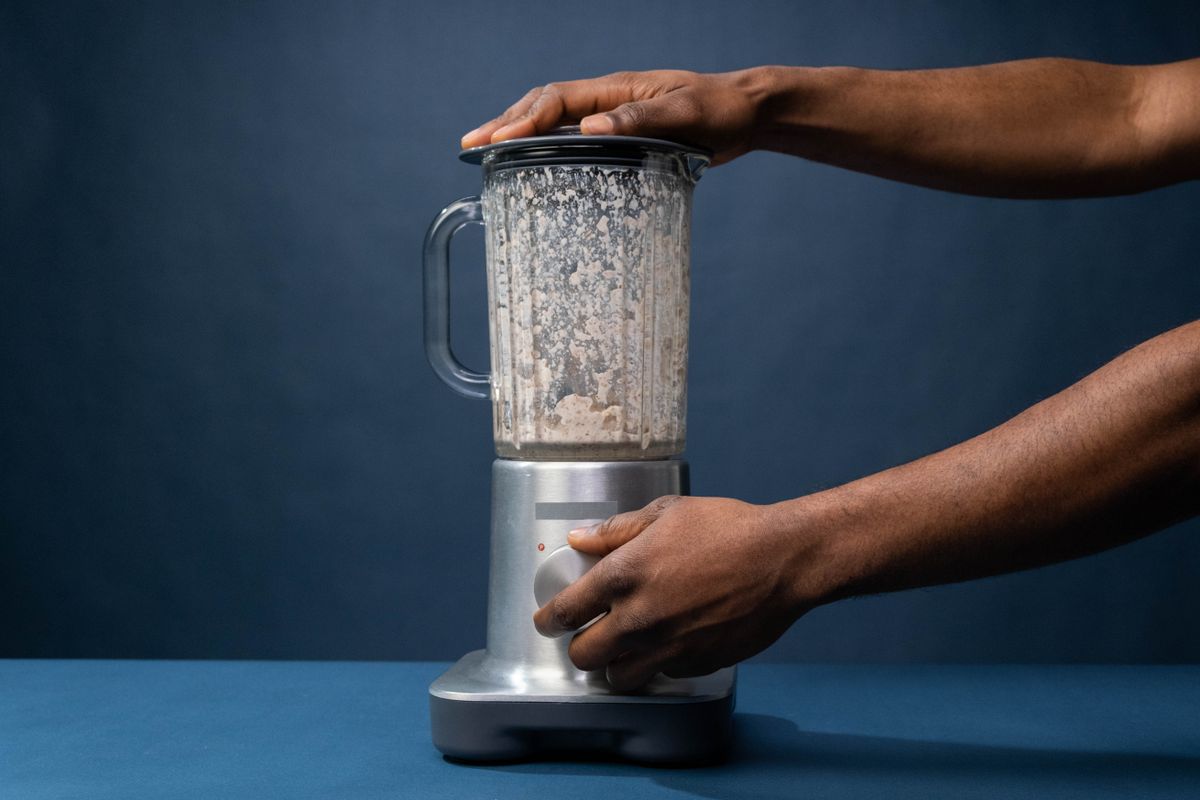
Hands operating a countertop blender in a kitchen

Disclosure: I earn a small commission if you buy through links on this page, at no extra cost to you.

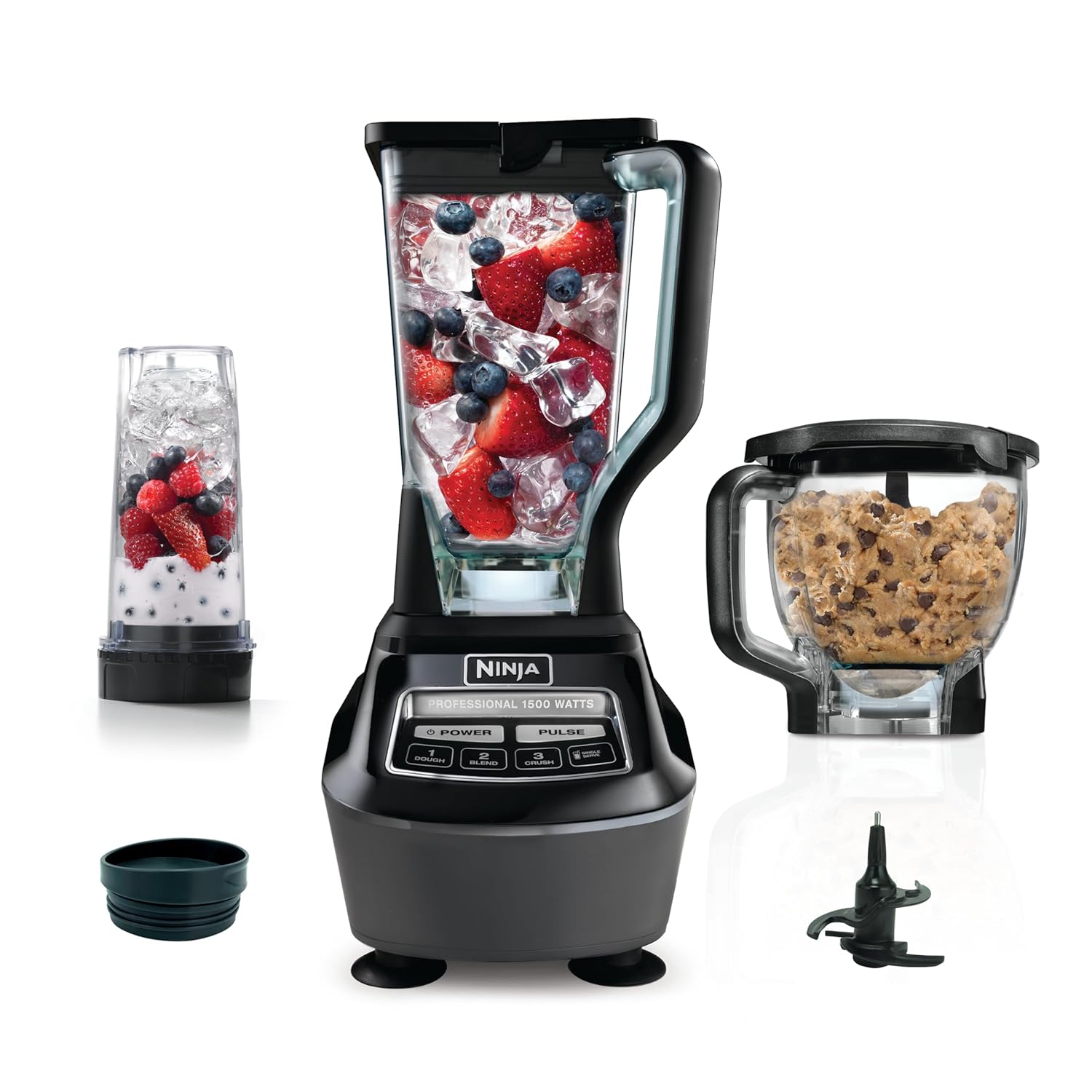
If you want one machine that handles both smoothies and food prep, the Ninja BN801 Professional Plus Kitchen System is the one to get — 1,400 watts, five Auto-iQ programs, a 72 oz blending pitcher, and a 64 oz food processor bowl in one box. If budget matters more than bowl size, the NutriBullet Combo 1200W at $111.99 is the pick.

Combo machines have to be judged on where the compromise falls, because everything from frozen margaritas to pie dough to weekly veggie prep asks something slightly different of them. Every model below has been run through a practical workload — not just spec-checked.

Quick Comparison

Product Best For Price Rating Buy
Ninja BN801 Professional Plus Kitchen System Best Overall (1,400W, 64 oz bowl) $179.99 4.7★ (14,693) Check Price
Ninja Mega Kitchen System BL770 Best for Families (1,500W, 8-cup bowl) $179.99 4.7★ (43,035) Check Price
Ninja Compact Kitchen System Best Compact (1,200W, 40 oz bowl) $139.99 4.8★ (8,338) Check Price
NutriBullet NBF50500 Blender Combo Best Budget (1,200W, no processor bowl) $111.99 4.5★ (10,684) Check Price
Cuisinart DLC-10SYP1 7-Cup Pro Classic Best for Food Processing (600W, 7-cup bowl) $162.17 4.5★ (3,976) Check Price

Ninja BN801 Professional Plus Kitchen System — Best Overall


Ninja BN801 Professional Plus Kitchen System with blender pitcher and food processor bowl

4.7 stars | 14,693 reviews | $179.99

The BN801 is what most people should buy if they want a true blender-plus-food-processor setup. You get a 72 oz Total Crushing Pitcher for smoothies and frozen drinks, a 64 oz food processor bowl with chopping and dough blades, two 24 oz to-go cups, and five Auto-iQ programs — Crush, Blend, Whole Juice, Food Process, and Dough. That last one matters: 1,400 watts is enough to work through bread dough in 30 seconds without the motor straining.

The Auto-iQ programs remove the guesswork. Select “Food Process” and the machine runs a pulse pattern that gives you even chopping without turning everything to mush. Select “Dough” and it kneads at the right speed. For everyday use — morning smoothies, salsa, weeknight meal prep, the occasional batch of dough — the BN801 covers everything in one footprint.

The 64 oz processor bowl is one of the largest you’ll find in a combo machine; comparable Ninja systems often max out at 40 oz. The main compromise is counter space: the machine ships with a lot of parts, and finding storage for the pitcher, bowl, cups, and four blades takes planning. The to-go cups feel thinner than the main pitchers, but at this price point that’s a minor complaint. The grey version currently sells only through third-party sellers from $199.99, so the links here go to the red version (BN801RD1BRN), sold by Amazon at $179.99.

Pros and Cons

  • Pros: Five Auto-iQ programs including dedicated dough mode; 64 oz food processor bowl is the largest in this comparison; 4.7 stars across 14,693 ratings; two to-go cups included
  • Cons: Takes up significant counter and cabinet space with all attachments; no hot liquid blending capability; to-go cups feel thinner than main pitchers; premium price point

Bottom Line

The BN801 is the most complete blender food processor combo available under $250. If you’ll use both the blending and food processing sides regularly, this is the one to buy.

Check Price on Amazon ↗

Ninja Mega Kitchen System BL770 — Best for Families


Ninja BL770 Kitchen System with 72 oz pitcher and 8-cup food processor bowl

4.7 stars | 43,032 reviews | $179.99

The BL770 runs a 1,500-watt motor — the most powerful in this comparison — paired with a 72 oz Total Crushing Pitcher and an 8-cup food processor bowl. If you regularly cook for four or more people and need to chop large quantities of onions, shred several cups of cabbage, or process double batches of hummus, this is the machine for that job. The higher motor wattage means it handles denser loads without slowing down.

The included dough blade handles up to 2 lbs of dough in 30 seconds, which is a practical advantage for weekly bread bakers. The two 16 oz to-go cups are a nice addition for single-serve smoothies, though the BN801’s two cups are 24 oz if personal drinks matter more to you.

Where the BL770 trails the BN801 is in the number of Auto-iQ programs — fewer preset modes means more manual speed selection. The design is also older, though its listing carries far more ratings than the BN801’s (43,032 against 14,693) at the same 4.7-star average. But if raw motor power and food processor capacity are your priority, the BL770 delivers both at the same $179.99 as the BN801.

Pros and Cons

  • Pros: Most powerful motor in this comparison at 1,500 watts; 8-cup food processor bowl handles large family-sized batches; the same $179.99 price as the BN801; dough blade included for bread and pizza dough
  • Cons: Fewer Auto-iQ preset programs than the BN801; older design; two 16 oz to-go cups against the BN801’s two 24 oz cups; bulkier footprint

Bottom Line

The BL770 makes the most sense for families cooking large batches who need maximum motor power. For most individuals or couples, the BN801’s five programs and 64 oz processor bowl are the better fit.

Check Price on Amazon ↗

Ninja Compact Kitchen System — Best Compact Option


Ninja Compact Kitchen System blender food processor combo

4.8 stars | 8,338 reviews | $139.99

The Compact Kitchen System hits a sweet spot: it includes both a 72 oz blender pitcher and a 40 oz food processor bowl in a narrower, shorter body than the BN801, costs $139.99, and earns a 4.8-star rating across 8,338 ratings. Its written reviews also have a lower critical share than the BN801’s: 149 of 1,097 (13.6%) against 342 of 1,971 (17.4%).

Its three Auto-iQ programs are Smoothie, Frozen and Dough/Mix. Dough runs in the processor bowl with the dough blade, and Ninja says it is meant to form a dough ball rather than knead. There is no chopping program, so chopping is done with Pulse, where the BN801 lists chopping among its five functions.

The 40 oz food processor bowl is adequate for one or two people but noticeably smaller than the 64 oz bowl on the BN801. If you’re batch-cooking for a household, you’ll make more passes. The 18 oz single-serve cup rounds out the package well for morning smoothies. This is the right choice if counter space is limited or budget is a consideration.

Pros and Cons

  • Pros: Narrower and shorter than the BN801; 4.8 stars, with a lower critical share among written reviews than the BN801; includes an 18 oz single-serve cup; $139.99, the lowest-priced Ninja system here
  • Cons: 40 oz food processor bowl is smaller (vs 64 oz on BN801); owners report cracked pitchers and bowls, which the warranty treats as wear parts; loud, according to many owners; only three preset programs and no chopping program

Bottom Line

The Compact Kitchen System is the right buy for one or two people who want the Ninja blender-plus-food-processor setup without paying for capacity they won’t use. My Ninja Compact Kitchen System review covers what owners report about its containers, latches and noise.

Check Price on Amazon ↗

NutriBullet NBF50500 Blender Combo 1200W — Best Budget


NutriBullet NBF50500 Blender Combo 1200W with pitcher and personal cups

4.5 stars | 10,684 reviews | $111.99

The NutriBullet Combo is the only model here without a dedicated food processor bowl — what you get is a 32 oz full-size blending pitcher plus two personal cups (24 oz and 32 oz). It earns its place in this comparison because “blender food processor combo” is what a lot of people search when they really mean “a blender that comes with multiple containers for different uses.” If that’s you — if you want a machine for smoothies, protein shakes, and the occasional sauce, not actual chopping and shredding — the NutriBullet Combo at $111.99 is a genuinely strong buy.

The 1,200-watt motor handles ice and frozen fruit cleanly. The 32 oz pitcher is smaller than the Ninja systems’ 72 oz pitchers, which limits batch size, but for one or two people making daily drinks it’s perfectly sized. The extractor blades in the personal cups are NutriBullet’s best feature: excellent nutrient extraction from greens, seeds, and fibrous fruits.

Be clear about what this machine doesn’t do: it won’t chop onions, shred cabbage, slice vegetables, or knead dough. If your recipe requires any of those, you need one of the Ninja systems above. But for pure blending versatility at a budget price, the NutriBullet Combo is excellent value.

Pros and Cons

  • Pros: Most affordable option at $111.99; 4.5 stars across 10,000+ ratings; three containers cover different portion sizes; excellent extractor blades for nutrition-focused smoothies
  • Cons: No food processor bowl — cannot chop, slice, shred, or knead; 32 oz pitcher is smaller than Ninja’s 72 oz pitchers; not the right machine if food processing is the goal

Bottom Line

Buy the NutriBullet Combo if your primary use is blending and you want multiple container sizes at a reasonable price. Skip it if you need actual food processing. The personal cups on NutriBullet-style blenders can also grind coffee beans in a pinch, though a dedicated grinder gives more consistent results.

Check Price on Amazon ↗

Cuisinart DLC-10SYP1 7-Cup Pro Classic — Best for Food Processing


Cuisinart DLC-10SYP1 7-Cup Pro Classic Food Processor with chopping and slicing discs

4.5 stars | 3,976 reviews | $162.17

The Cuisinart DLC-10SYP1 is the food-processing specialist in this comparison — 3,976 reviews at 4.5 stars — and it earns that reputation by being exceptionally good at food processing: slicing, shredding, chopping, dicing, and kneading dough. If your kitchen priority is precise vegetable prep and you want blending as a secondary function (pureeing soups, making hummus, blending sauces), the Cuisinart delivers both in a single bowl.

The 600-watt motor is the lowest in this comparison, but the Cuisinart’s mechanical advantage — the bowl’s geometry and blade design — means it out-processes all the Ninja systems on chopping and slicing tasks. The included stainless steel shredding and slicing discs give it capabilities the Ninja blender-bowl combos simply don’t have. The motor runs noticeably quieter than 1,400W Ninja systems, which matters if you’re doing long processing sessions.

The tradeoff is blending performance. The DLC-10SYP1 will blend and puree, but it won’t crush ice for frozen cocktails or drinks the way a dedicated blender pitcher will. For that job, you need a Ninja system. But if 80% of your use is chopping, shredding, and slicing — with occasional pureeing — the Cuisinart is the more capable machine for that work, and it comes with a 5-year motor warranty.

Pros and Cons

  • Pros: Best chopping, slicing, and shredding performance in this comparison; includes shredding and slicing discs; 5-year motor warranty; quieter operation; 3,976 reviews at 4.5 stars
  • Cons: 600W motor not designed for ice crushing or frozen drinks; no dedicated blender pitcher; smaller 7-cup bowl limits batch size; no personal cups or to-go containers

Bottom Line

The Cuisinart DLC-10SYP1 is the right choice if food processing (chopping, slicing, shredding, dough) is your main job and blending is secondary. For smoothies first, food processing second, choose a Ninja system. My Cuisinart DLC-10SYP1 review covers what owners report about the work bowl after years of use.

Check Price on Amazon ↗

What to Look For in a Blender Food Processor Combo

Motor Power: What Wattage Actually Matters

For blending frozen fruit and ice, 900W is the minimum you want. Below that, you’ll hear the motor struggling and blends will be inconsistent. The Ninja systems in this comparison run 1,200W to 1,500W — all more than adequate for smoothies.

The difference between 1,200W and 1,500W matters mainly at the extremes: tough doughs, large quantities of ice, or very dense nut butter. For everyday use, 1,200W is sufficient.

For food processing, wattage is less important than blade design and bowl geometry. The Cuisinart’s 600W motor out-processes higher-wattage Ninja blender systems on chopping and slicing because the motor torque is matched to the processing tasks the machine was designed for.

Blending vs. Food Processing: Know Your Priority

The most common mistake when buying a combo machine is not being honest about which function matters more. If you make smoothies five times a week and want to occasionally chop vegetables, buy a Ninja system — the blending pitcher is the primary container, and food processing is an included extra. If you cook from scratch three nights a week and occasionally blend sauces, the Cuisinart DLC-10SYP1 handles that workload better despite lower wattage.

True blender-food-processor combos (the Ninja systems) include separate dedicated containers for each function, which means you’ll need to store and wash both. That’s the convenience cost of getting a machine that does both jobs well.

Bowl and Pitcher Capacity

Capacity planning prevents frustration. A 40 oz food processor bowl handles one or two people comfortably — weekly meal prep of a few cups of vegetables, one batch of hummus. A 64 oz bowl handles family-sized batches without multiple passes.

For the blending side, 72 oz pitchers (standard in Ninja systems) are sized for four to six servings; the NutriBullet’s 32 oz pitcher suits one or two. Personal cups (18–24 oz) are for single-serve drinks directly from the cup.

Cleaning and Maintenance

More containers mean more washing. The Ninja BN801 ships with a pitcher, a large food processor bowl, two to-go cups, and four different blades — impressive versatility, but every additional part is something to clean after every use. All parts in all five models compared here are top-rack dishwasher safe, which helps.

The Cuisinart’s bowl, lid, and discs are the easiest to clean of the group because there’s less to disassemble. For any blender, rinsing the pitcher immediately after use prevents residue from drying onto the blades.

If you also need a machine for gluten-free bread making, see my guide to the best gluten-free bread makers — five picks from $75 to $455, all with dedicated GF cycles.

Frequently Asked Questions

Can a blender food processor combo replace both individual appliances?

For most home cooks, yes. The Ninja BN801 and BL770 both handle smoothies, frozen drinks, chopping, slicing, and dough — covering the practical use cases of a standalone blender and a standalone food processor. Where combos fall short is professional food prep volume or very specialized tasks: a dedicated food processor will always out-chop a combo at high volumes, and a high-powered blender like a Vitamix will always out-blend on texture. For everyday home cooking, a combo handles both jobs well enough that most households won’t miss separate machines.

What wattage do I need for a blender food processor combo?

1,200W is the practical minimum for a machine that handles both blending and food processing. Below that, you’ll notice the motor working hard on frozen ingredients or dense dough. The 1,400W on the Ninja BN801 and 1,500W on the BL770 provide comfortable headroom for daily use. For a machine that’s primarily a food processor with blending capability, lower wattage (the Cuisinart at 600W) is fine because food processing puts different, lower demands on the motor.

Are Ninja combo systems worth the extra cost over budget blenders?

If you’ll actually use both the blending and food processing functions, yes. Buying a $70 blender and a $100 food processor separately costs more and uses more counter space than a $140–$180 Ninja system that does both. The caveat: if you only use the blending side 90% of the time, a standalone blender is cheaper and performs better at blending. Buy a combo only when you genuinely need both functions.

Can these blender combos handle hot liquids like soup?

No. None of the Ninja blender systems in this comparison are rated for hot liquids. Blending hot soup in a sealed pitcher creates pressure that can pop the lid off dangerously.

If you want to puree hot soups, use an immersion blender directly in the pot, or let the soup cool before transferring it to a blender pitcher. My guide to blending hot liquids safely covers why this matters and what to actually do about it. The Cuisinart food processor bowl can handle warm (not hot) ingredients for blending and pureeing with the lid properly vented.

How difficult are blender food processor combos to clean?

All the models here have dishwasher-safe parts (top rack), which makes cleanup manageable. The practical tip: rinse the pitcher and processing bowl immediately after use. Dried smoothie or hummus residue clings to blades and seals and takes much longer to clean. The more containers a system comes with, the more washing there is — the NutriBullet Combo’s personal cups are the easiest because they double as serving vessels.

What’s the difference between a food processor and a blender, and does a combo do both?

Blenders work on liquids — they need liquid to move ingredients past the blades. They’re excellent for smoothies, soups, sauces, and frozen drinks. Food processors work on solids — they chop, slice, shred, and dice without needing added liquid.

True combo systems like the Ninja BN801 include separate containers for each job: a blending pitcher for wet work and a processing bowl with different blades for dry work. The NutriBullet Combo and Cuisinart are blender-centric and food-processor-centric respectively, and each does one job well with the other as a secondary function.

How These Picks Were Chosen

Plainly: this is a research-based guide, not a hands-on test. I have not run these machines side by side, and nothing here should be read as a report from my own kitchen.

What the picks rest on: motor wattage set against jar and bowl capacity, the blade and disc assemblies each machine actually ships with, programme presets, and how the two functions share a base; plus the complaint patterns in verified-purchase reviews, which for combo units cluster around the food-processor bowl cracking, lid latches wearing, and seals leaking long before the motor gives out.

What I could not establish: how long the food-processor bowls last. That is the single most common serious complaint about this category and there is no independent longevity test for any of these machines. What this guide uses instead is the frequency and consistency of owner reports over time, which is weaker evidence than a test and is treated as such.

My Verdict

For most households, the Ninja BN801 Professional Plus Kitchen System is the best blender food processor combo available. Five Auto-iQ programs, a 64 oz food processor bowl, a 72 oz blending pitcher, two to-go cups, and 1,400W in one package at $179.99 covers everything a home cook needs from a single machine.

If the BN801 is more than you want to spend, the Ninja Compact Kitchen System at $139.99 gives up processor bowl capacity (40 oz vs 64 oz) and presets, and has a lower critical share among its written reviews. For pure blending without food processing, the NutriBullet Combo at $111.99 is the budget winner. If food processing is your priority, the Cuisinart DLC-10SYP1 at $162.17 outperforms all the Ninja systems on chopping and slicing.

For more on choosing kitchen prep equipment, see my guide to the best food processors, my roundup of the best vegetable choppers, and the full food processor buying guide.

Frozen desserts more your thing than smoothies? My Ninja CREAMi Deluxe review covers the machine that turns any recipe — protein shakes included — into scoopable ice cream.

For making pure celery juice, a blender combo will require straining through a nut milk bag to separate the fiber. A dedicated masticating juicer handles this more efficiently — see my picks for the best juicers for celery.

Already own one and it started leaking instead? See why blenders leak from the bottom before assuming it needs replacing — it’s almost always a $10 gasket.< Leaking from the top instead? That's usually a different seal — see why blenders leak from the top./p>

Related Reading

Read my full Ninja BN801 review for the complete breakdown, including what nearly 15,000 owners report and a genuine food-processor-bowl durability issue worth knowing about. See my guide to food processor bowl cracking for what actually causes it and whether it’s fixable.

Not sure a combo unit is the right call at all? My food processor vs. blender guide breaks down which jobs actually need which machine before you buy either.

Wondering if you even need the food-processor side? See my Ninja BN801 vs. NutriBullet Combo comparison for a direct look at the blending-only alternative.

Note that a blender keeps the fibre while a juicer separates and discards it — if you want juice rather than smoothies, see my best juicer guide instead.

Every blender review, comparison and troubleshooting guide on the site sits in the blenders hub, including the straight blenders worth buying if you decide against a combo.

Filed Under: Product Reviews

Best Roasting Pan for Prime Rib 2026: 5 Picks for Perfect Results

Last Updated June 27, 2026

This post contains affiliate links. If you buy through my links, I may earn a commission at no extra cost to you.

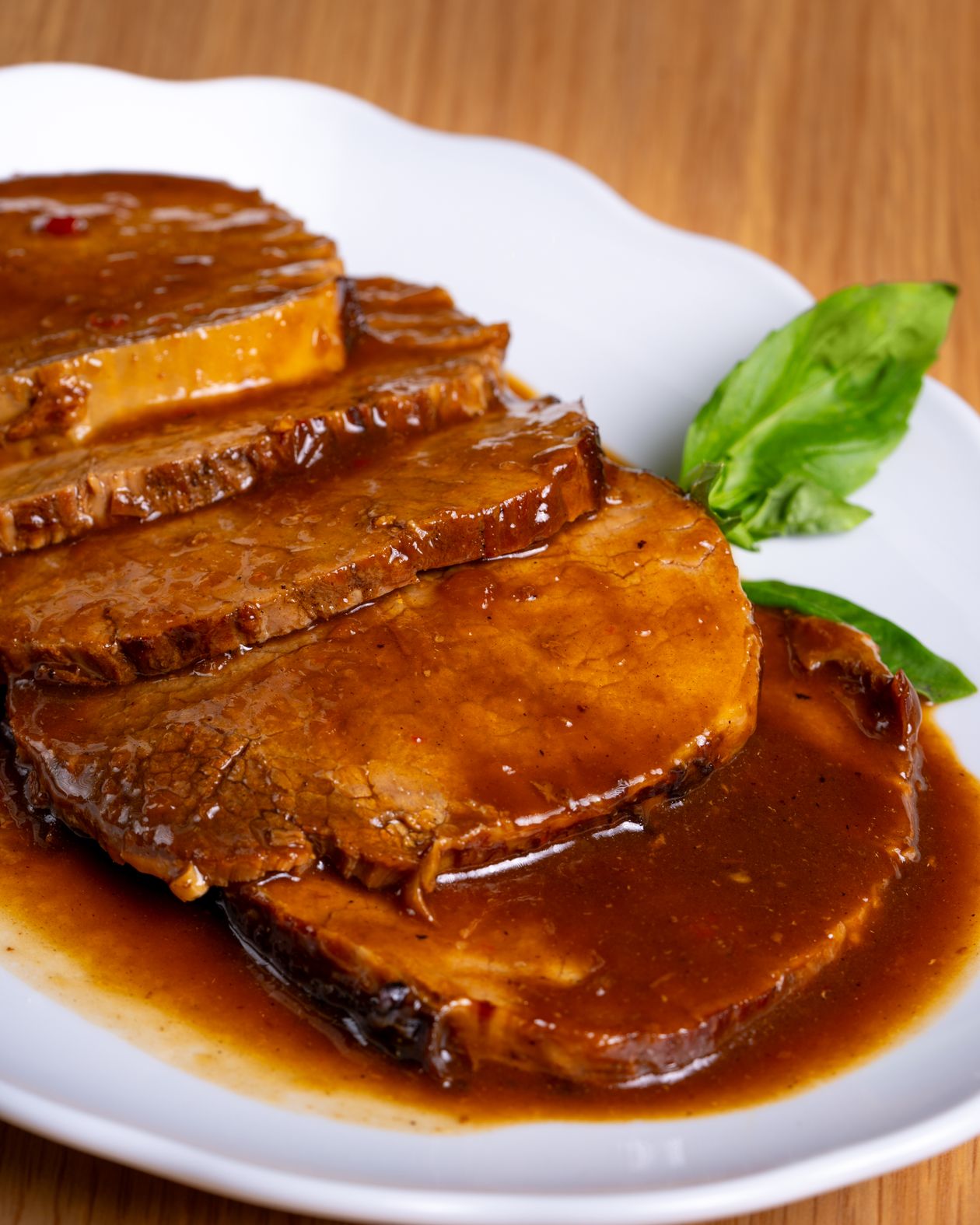
Tender sliced beef roast with rich gravy — best roasting pans for prime rib

Disclosure: As an Amazon Associate I earn from qualifying purchases. This doesn’t affect which products I recommend — I only include items I’d stand behind.

These picks are based on a review of Amazon customer data — ratings, review counts, and verified purchase feedback — alongside technical specifications for prime rib roasting: pan size relative to roast weight, rack inclusion, material heat tolerance, and stovetop compatibility for making pan gravy.

The Circulon Total Bakeware Nonstick Roaster is the best roasting pan for prime rib for most cooks — large enough for a 5-bone roast, includes a proper rack, and is built heavy enough that it won’t warp at prime rib temperatures. Below are five picks that cover every situation from budget to premium, compact to family-feast size.

Best Roasting Pan for Prime Rib 2026: Quick Comparison

Product Best For Price Rating Buy
Circulon Nonstick Roaster Best Overall $69.59 4.7★ (9,114) Check Price
IMUSA Oval Roaster Best Oval Shape $101.07 4.7★ (3,591) Check Price
P&P CHEF 16″ V-Rack Best Value $42.99 4.7★ (1,537) Check Price
Cuisinart Multiclad Pro Best Premium $159.95 4.7★ (1,396) Check Price
Cooks Standard Best Compact $77.99 4.8★ (1,129) Check Price

Best Roasting Pan for Prime Rib 2026: Full Reviews

1. Circulon Total Bakeware Nonstick Roaster 17×13″ — Best Overall

Circulon Total Bakeware Nonstick Roaster 17x13 inch

At 17×13 inches, this is the largest nonstick option on the list and one of the few that comfortably fits a full 5-bone prime rib without the roast overhanging the edges. The included flat rack lifts the meat off the pan surface so heat circulates underneath rather than steaming the bottom. With 9,190 reviews at 4.7 stars, it’s the most-reviewed nonstick roaster on Amazon.

The hard-anodized exterior handles oven heat at roasting temperatures (325–350°F) without issue. The Dupont nonstick interior makes cleanup straightforward — drippings release easily after the pan cools. One limitation: nonstick construction means it can’t go on a stovetop burner for deglazing, so you’d transfer drippings to a saucepan to make au jus.

Pros

  • 17×13″ fits a 5-bone roast with room to spare
  • Rack included; hard-anodized construction holds up at roasting temps
  • Easiest cleanup of the five picks; dishwasher safe
  • 9,190 reviews — most proven nonstick roaster option

Cons

  • Not stovetop-safe — can’t deglaze directly for pan gravy
  • Nonstick coating won’t last forever with metal utensils or aggressive scrubbing

Bottom line: The most practical choice for most households — large, includes a rack, cleans easily, and proven at scale. Accept the stovetop limitation and it’s hard to beat.

Check Price on Amazon

2. IMUSA Cajun Cast Aluminum Oval Roaster — Best for Prime Rib Shape

IMUSA Cajun Cast Aluminum Oval Roaster

Prime rib is a naturally elongated, rounded roast — an oval pan fits that shape better than a rectangular one. The IMUSA oval roaster is cast aluminum, which distributes heat more evenly than stamped steel and holds temperature steadier during the long low-and-slow roast phase. It’s stovetop-safe, so you can deglaze drippings directly in the pan after roasting.

The lid traps steam during any resting or warming phase, which matters if dinner timing isn’t perfectly coordinated. At $101.07, it costs more than the other nonstick and value options but less than the premium stainless pick.

Pros

  • Oval shape matches prime rib roast proportions — less empty pan space
  • Cast aluminum heats evenly with no hot spots
  • Stovetop compatible for direct deglazing and pan sauce
  • Lid included for resting and keeping warm

Cons

  • More expensive than rectangular nonstick options
  • No included rack — roast sits on the pan base

Bottom line: The right call if you cook prime rib regularly and want a pan that matches the roast shape, with stovetop capability for the drippings. The missing rack is the main drawback.

Check Price on Amazon

3. P&P CHEF 16″ V-Rack Roasting Pan — Best Value

P&P CHEF 16 inch V-Rack Roasting Pan with rack

At $42.99 with a V-rack included, this is the most affordable stainless option on the list. The 16-inch length fits a standard 4-bone prime rib without difficulty. Stainless construction means it’s broiler-safe for the final high-heat blast that builds the crust on prime rib — something nonstick pans can’t handle. It also goes on the stovetop for deglazing drippings into au jus.

The trade-off for the price is gauge — the pan is thinner than the premium picks and can flex slightly when loaded with a heavy roast and full drip capacity. It won’t warp at oven temperatures, but it doesn’t have the solidity of the Cuisinart. For occasional prime rib use, the difference is minor.

Pros

  • Best price-to-function ratio on the list — V-rack included under $50
  • Stainless: broiler-safe, stovetop-compatible, no coating to preserve
  • 16″ fits 4-bone prime rib comfortably
  • Dishwasher safe, with no coating to worry about scrubbing off

Cons

  • Thinner gauge than premium options — flexes slightly when fully loaded
  • Handles are lower profile and can be harder to grip with oven mitts

Bottom line: For cooks who make prime rib once or twice a year and don’t need a lifetime pan, this delivers everything that matters at a price that’s hard to argue with.

Check Price on Amazon

4. Cuisinart Multiclad Pro Triple Ply 16″ — Best Premium

Cuisinart Multiclad Pro Triple Ply 16 inch Roasting Pan

Triple-ply construction — stainless exterior, aluminum core, stainless interior — gives this pan the most even heat distribution of the five picks. The aluminum core eliminates the hot spots you can get with single-layer stainless, which matters when you’re collecting drippings at high oven temperatures. Fully stovetop compatible across all hob types including induction, rated to 550°F, and broiler-safe.

The rack is sold separately, which is a notable omission at $159.95. The pan itself is excellent; you’re essentially paying for better metallurgy and the assurance that this pan will last decades. At 16″, it handles 4-bone prime rib well.

Pros

  • Triple-ply construction for the most even heat distribution
  • Stovetop-safe on all hob types including induction
  • 550°F oven rating — handles any prime rib technique
  • Built for decades of use; lifetime warranty

Cons

  • Rack sold separately — unexpected omission at this price
  • Most expensive pick; premium you pay for is longevity and even heat

Bottom line: The right pan if you roast prime rib regularly, want one pan that does everything, and are comfortable buying a rack separately. The metallurgy is genuinely better than the other stainless options.

Check Price on Amazon

5. Cooks Standard Classic 14×12″ V-Rack — Best Compact

Cooks Standard Classic 14x12 inch V-Rack Roasting Pan

At 14×12 inches, this is sized for a 3-bone prime rib (serves 4–6) rather than the larger holiday roasts. It’s the highest-rated pan on this list at 4.8 stars across 1,129 reviews. Stainless construction with riveted handles means it’s stovetop-safe and durable. The V-rack is included and fits the pan proportions correctly — no adapting required.

The 14-inch length is the limiting factor. A 4-bone or larger prime rib won’t fit without overhang, and you lose the benefit of the rack when the roast extends past the pan sides. Know your roast size before buying.

Pros

  • Highest-rated pan on this list — 4.8 stars across 1,129 reviews
  • V-rack included; stainless with riveted handles for durability
  • Stovetop-compatible; right size for a 3-bone roast without wasted space
  • Under $80 with rack — better value than similarly-sized competitors

Cons

  • 14″ only fits a 3-bone prime rib — won’t accommodate larger holiday roasts
  • Smaller drip capacity than 16″+ pans

Bottom line: The best option for a smaller prime rib (3-bone, 4–6 people) where you don’t want to pay for a larger pan that’s mostly empty. The 4.8-star rating reflects genuine buyer satisfaction.

Check Price on Amazon

What to Look for When Buying a Roasting Pan for Prime Rib

Match Pan Length to Your Roast Size

Pan length is the first thing to check. A 3-bone prime rib (serves 4–6) needs at least a 14-inch pan. A 4-bone roast (serves 6–8) needs 16 inches. A 5-bone or larger holiday roast (serves 8–10+) needs 17 inches or more.

A roast that overhangs the pan edges won’t cook evenly — the exposed sections get direct oven heat while the pan-covered sections stay cooler. Measure your typical roast before buying.

Rack vs. Flat Pan

A rack lifts the roast off the pan surface so hot air circulates underneath. For prime rib this matters — sitting in drippings steams the bottom of the roast rather than roasting it, and the fat won’t render as cleanly.

Four of the five picks above include a rack. The IMUSA oval is the exception; its oval shape reduces base contact naturally. If you already own a roasting pan without a rack, a universal V-rack ($15–25) solves the problem without replacing the pan.

Stovetop Compatibility for Pan Gravy

After prime rib comes out of the oven, the drippings left in the pan are the base for au jus or pan gravy. If the pan is stovetop-safe — stainless or cast aluminum — you deglaze directly on the burner.

Nonstick pans can’t go on a stovetop burner (the coating degrades above direct heat), so you’d pour drippings into a separate saucepan first. For most home cooks, this is a minor extra step. For frequent prime rib cooks who value keeping everything in one vessel, stovetop compatibility is worth paying for.

Best Roasting Pan for Prime Rib: FAQ

What size roasting pan do I need for prime rib?
A 3-bone roast (4–6 servings) fits in a 14″ pan. A 4-bone (6–8 servings) needs 16″. A 5-bone or larger holiday roast needs 17″ or more.

The key is that the roast shouldn’t overhang the pan sides — overhanging sections cook unevenly because they’re exposed to direct oven heat without the pan’s buffer underneath.

Do I need a rack in my roasting pan for prime rib?
A rack is recommended. Without one, the bottom of the roast sits in accumulated drippings and steams rather than roasts, which gives you uneven texture.

A rack lifts the roast so heat circulates all the way around. Four of the five picks above include a rack. If your pan doesn’t come with one, a universal V-rack ($15–25) is a worthwhile addition.

Should I cover prime rib while roasting?
No — cook prime rib uncovered. Covering the pan traps steam and softens the crust you’re trying to build.

The exception is resting: after the roast comes out of the oven, tenting loosely with foil for 20–30 minutes (longer for larger roasts) lets the juices redistribute before carving. The IMUSA oval roaster’s lid is designed for this resting phase, not the cooking phase.

Can I use a nonstick roasting pan for prime rib?
Yes, with one limitation. Nonstick pans can’t go on a stovetop burner for making pan gravy, so you’d transfer drippings to a separate saucepan.

They’re also not suitable for the dry-sear technique some prime rib methods use. If you’re roasting at standard temperatures (325–350°F) and don’t need stovetop deglazing, a nonstick pan like the Circulon works fine and is easier to clean than stainless.

What temperature do I cook prime rib in the oven?
Most methods use 325°F for the main cook, with an optional 450–500°F blast at the start or finish to build a crust. All five pans above are rated for 450°F or higher.

The reverse-sear method — low-and-slow at 225–250°F, then a final 500°F blast — has become popular for more consistent edge-to-edge doneness. Any of these pans handles the temperature range involved.

How do I make pan gravy from prime rib drippings?
After the roast rests, pour the drippings from the roasting pan into a saucepan (or use the pan directly if it’s stovetop-safe). Skim most of the fat.

Add beef stock, deglaze any browned bits, season with salt and pepper, and reduce over medium heat. For a thicker gravy, whisk in a small amount of cornstarch slurry. The fond — the browned bits stuck to the pan — is where most of the flavor comes from, so don’t skip deglazing.

How These Picks Were Chosen

Plainly: this is a research-based guide, not a hands-on test. I have not run these side by side, and nothing here should be read as a report from my own kitchen.

What the picks rest on: gauge and material, whether a rack is included and whether it holds a heavy roast clear of the fat, interior dimensions against both a standard rib roast and a standard oven, and handle design for lifting something heavy in oven gloves; plus the complaint patterns in verified-purchase reviews, which for roasting pans concentrate on warping at high heat and handles too small to grip safely when loaded.

What I could not establish: how each pan behaves at sustained high heat. Warping is the common failure and it depends on gauge, material and how fast the pan is heated. No independent test covers it for these pans, so this guide reasons from construction rather than from measurement.

The Bottom Line

For most households, the Circulon Total Bakeware Nonstick Roaster is the right choice — large, includes a rack, has a nonstick coating that wipes clean without scrubbing, and is proven by 9,190 buyers. If you want stovetop-safe for deglazing pan drippings, the P&P CHEF stainless pan delivers that at under $50. For the serious prime rib cook who wants lifetime quality, the Cuisinart Multiclad Pro is the one to buy.

For more on cookware choices, see the cookware hub for guides to individual pan types, the best cookware for gas stove guide if you’re cooking over an open flame, or the best cookware sets guide for a full kit around your new roasting pan.


Filed Under: Product Reviews

Best Meat Slicers 2026: 5 Home Picks Reviewed

Last Updated June 27, 2026

This post contains affiliate links. If you buy through my links, I may earn a commission at no extra cost to you.

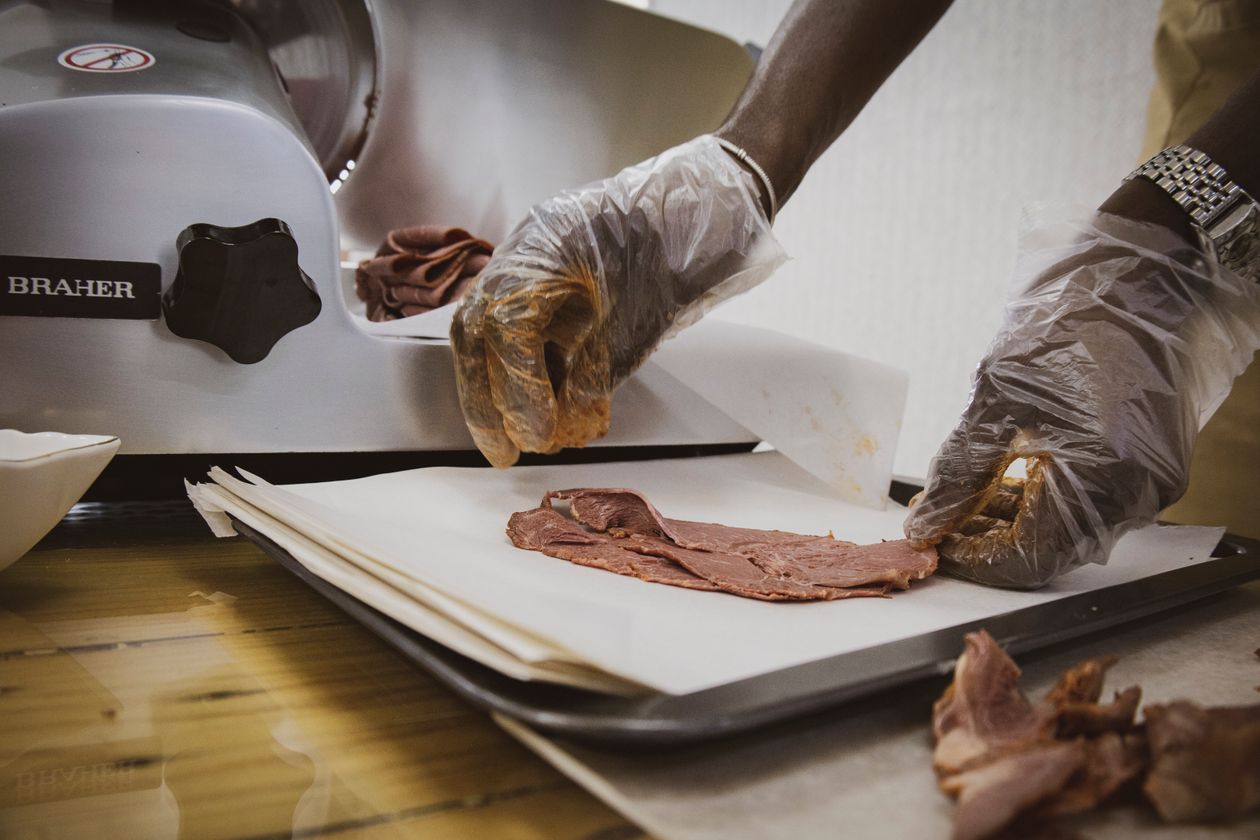
Hands slicing beef on an electric meat slicer

Photo by Tubarones from Pexels

Disclosure: I earn a small commission if you buy through links on this page, at no extra cost to you.

Home meat slicers used to be a professional kitchen item. Now they sit in suburban kitchens next to the stand mixer, used for deli-thin turkey after Thanksgiving, paper-thin prosciutto for charcuterie boards, and uniform cheese slices that a knife will never produce. The market has filled up accordingly — with some genuinely good machines and a lot of cheap hardware that vibrates across the counter and jams on the first pass through roast beef.

The CUSIMAX Electric Deli Meat Slicer is the right starting point for most households: 5,070 reviews at 4.3 stars, a dual-blade setup that handles both smooth and serrated cuts, and an adjustable thickness dial from 1 to 20mm. If you want a trusted consumer appliance brand with simpler operation, the Cuisinart FS-75 has 3,875 reviews at a similar price point. Both are reviewed in full below.

These picks are based on confirmed Amazon product data, verified specifications, and aggregated buyer reviews. All ASINs verified before inclusion.

Best Meat Slicers 2026: Quick Comparison

Slicer Best For Blade Wattage Price Buy
CUSIMAX Dual Blade Best overall 8.7″ dual 200W ~$123.98 Check Price
Cuisinart FS-75 Best brand name 7.5″ single 130W ~$129.95 Check Price
Weston 9″ Blade Best for large cuts 9″ single 130W ~$152.59 Check Price
Borlebbi Dual Blade Best mid-range 7.5″ dual 200W ~$119.99 Check Price
FOHERE Dual Blade Best budget 7.5″ dual 200W ~$66 Check Price

Best Meat Slicers 2026: Full Reviews

1. CUSIMAX Electric Deli Meat Slicer — Best Overall

CUSIMAX Electric Deli Meat Slicer with dual 8.7 inch stainless steel blades

4.3/5  ·  5,070 reviews  ·  ~$123.98  ·  View on Amazon

With nearly 5,000 reviews, the CUSIMAX is the most validated home meat slicer at this price by a significant margin. It comes with two 8.7-inch blades — one serrated for bread and cured meats, one smooth for cold cuts and cheese — and a thickness adjustment that runs from 1mm to 20mm. That range covers deli-thin turkey slices at the fine end and thick-cut bacon at the other. The food carriage removes for cleaning, which matters a lot with a machine that collects meat debris in every crevice.

4.3 stars across just over 5,000 buyers is a credible validation. Common complaints in the reviews center on the motor running warm during extended sessions — this is a home machine, not a commercial one, and it’s not designed for continuous 20-minute runs. Use it in 5-minute intervals and it handles everything a home kitchen will throw at it. At $123.98 it is no longer the cheapest machine here — the Borlebbi and FOHERE both undercut it, and the Cuisinart FS-75 has now risen past it — but it is the only one at this level that ships both a serrated and a smooth blade.

Pros:

  • 5,070 reviews — most validated home slicer in this category
  • Dual blade (serrated + smooth) handles bread, cured meats, cheese, and deli cuts
  • 1–20mm thickness range covers paper-thin to thick-cut in one machine
  • Removable food carriage makes cleaning significantly easier

Cons:

  • Motor warms after extended use — designed for home sessions, not continuous commercial runs
  • 8.7″ blade limits maximum cut width; won’t handle very large roasts in one pass
  • 4.3 stars is good but not exceptional — some buyers report inconsistent thickness at fine settings

Verdict: The right first choice for most households. More buyer validation than any comparable home slicer, dual-blade setup, and genuine thickness range.

Check Price on Amazon ↗

2. Cuisinart Kitchen Pro Food Slicer FS-75 — Best Brand Name

Cuisinart Kitchen Pro Food Slicer FS-75 in gray with 7.5 inch stainless blade

4.2/5  ·  3,875 reviews  ·  ~$129.95  ·  View on Amazon

Cuisinart’s FS-75 is the most straightforward slicer on this list. One 7.5-inch stainless blade, a thickness knob that runs from 1/32″ to 1/2″ (roughly 0.8mm to 13mm), a tray that removes for cleaning, and a build quality that reflects Cuisinart’s consumer appliance standards rather than the budget-focused construction you get from lesser-known brands. The motor is 130W rather than 200W, which is the main functional trade-off — it handles standard deli cuts and cheese without issue but can slow on very dense cold cuts or partially frozen meat.

3,875 reviews at 4.2 stars puts it slightly below the CUSIMAX in both validation volume and average rating. The appeal here is the brand: Cuisinart has warranty support, consistent parts availability, and a track record in consumer kitchens. If you’d rather buy from a name you trust than an unknown brand with more reviews, that’s a legitimate preference.

Pros:

  • Cuisinart brand — established warranty, parts, and customer support
  • 3,875 reviews — well-validated with 10+ years of buyer feedback
  • Simple single-blade operation — fewer parts to clean and maintain
  • Compact footprint; easier to store than larger commercial-style slicers

Cons:

  • 130W motor is weaker than 200W alternatives — slows on dense or semi-frozen meat
  • Single blade only — no serrated option included
  • 4.2 stars — lowest rating among the first three picks; more durability complaints in reviews

Verdict: Right for buyers who prioritise brand trust over spec-sheet performance. Slightly weaker motor at the same price as the CUSIMAX, but backed by Cuisinart’s consumer support.

Check Price on Amazon ↗

3. Weston Electric Meat Cutting Machine — Best for Large Cuts

Weston Electric Meat Cutting Machine with 9 inch stainless steel blade

4.4/5  ·  1,620 reviews  ·  ~$152.59  ·  View on Amazon

The Weston has a 9-inch blade — the largest on this list — which matters if you’re slicing large roasts, full turkey breasts, or wide cuts that a 7.5-inch blade has to make multiple passes on. Weston is a brand known for meat processing equipment: grinders, sausage stuffers, dehydrators. The meat slicer reflects that orientation — it’s built for volume rather than occasional use, with suction cup feet and a non-stick blade coating that makes cleanup faster after heavy sessions.

At $152.59 it’s the most expensive home-focused option on this list. The larger footprint means it takes more counter and cabinet space than the Cuisinart or FOHERE. 1,620 reviews at 4.4 stars is strong for a machine at this price point — buyers consistently cite the blade size and build quality as the main reasons for buying.

Pros:

  • 9″ blade — largest on this list; handles wide roasts and turkey breasts in fewer passes
  • Weston specialises in meat processing equipment — not a general appliance brand stretched into slicers
  • Non-stick blade coating reduces cleanup effort after heavy use
  • 4.4 stars across 1,620 reviews — matches CUSIMAX rating with a larger blade

Cons:

  • $152.59 — most expensive home-focused option on this list
  • Larger physical footprint than compact alternatives; needs more storage space
  • 130W motor despite premium price — not a high-torque machine for very dense cuts

Verdict: Best choice if you regularly slice large roasts or want the extra blade width. The Weston brand pedigree in meat equipment is a genuine differentiator from cheaper options at similar prices.

Check Price on Amazon ↗

4. Borlebbi 200W Dual Blade Meat Slicer — Best Mid-Range

Borlebbi 200W electric meat slicer with two removable 7.5 inch stainless steel blades

4.3/5  ·  4,087 reviews  ·  ~$119.99  ·  View on Amazon

The Borlebbi runs a 200W motor against two removable 7.5″ stainless blades with a 0–15mm thickness dial. That is the same motor rating and the same blade count as the CUSIMAX, on a blade about an inch smaller, for roughly $15 less. It also lists a child lock, non-slip suction feet, and a food pusher that doubles as a blade guard.

Its 4,087 ratings at 4.3 stars make it the second-largest review base in this guide, behind only the CUSIMAX. That matters more than the score itself. A 4.3 drawn from four thousand buyers is a steadier signal than a higher average drawn from a few hundred, and it is the main reason this machine is here rather than one of the thinly-rated alternatives at the same price.

One thing to check before you buy. The listing copy describes the housing as die-cast aluminium, while Amazon’s own specification table for the same product lists the material as ABS plastic and stainless steel. Those cannot both be right. Judge it as a plastic-bodied machine with stainless fittings at 10.7 pounds, and if the metal housing is the reason you were buying it, ask the seller before ordering.

Pros:

  • ~$119.99 — fills the gap between the budget and mid-price machines
  • 4,087 ratings — second-largest review base in this guide
  • 200W motor with two removable 7.5″ stainless blades
  • Child lock, non-slip feet, and a food pusher that doubles as a blade guard

Cons:

  • The listing contradicts itself on housing material — the specification table says ABS plastic, not the die-cast aluminium claimed in the description
  • Blade types are not specified, so there is no way to tell whether the second blade is serrated
  • 7.5″ blade — joint smallest here, so not the choice for large roasts
  • Hand wash only

Verdict: The sensible middle. If the FOHERE looks too light and the CUSIMAX is more than you want to spend, this is the machine in between, and it has the review volume to back that up.

Check Price on Amazon ↗

5. FOHERE 200W Dual Blade Meat Slicer — Best Budget

FOHERE 200W Electric Meat Slicer with dual 7.5 inch stainless blades in silver

4.2/5  ·  650 reviews  ·  ~$66  ·  View on Amazon

At $66.30, the FOHERE is the cheapest machine on this list that still includes two blades (serrated and smooth). The 200W motor matches the CUSIMAX on wattage, the 0–15mm thickness range covers standard home use, and the dual-blade design is the same core feature that makes the CUSIMAX appealing — at $43 less. The trade-off is build quality. The housing is lighter plastic, the blade rotation isn’t as smooth as pricier options, and the 4.2-star rating (the lowest on this list) reflects real buyer dissatisfaction with long-term durability and vibration at full speed.

For occasional use — slicing deli meats a few times a month — the FOHERE does the job. For weekly or heavy use, the build quality will become apparent faster than the CUSIMAX or Weston. Buy it if budget is the genuine constraint; budget for an upgrade within 2–3 years.

Pros:

  • ~$66 — lowest price on this list for a dual-blade slicer
  • 200W motor — adequate wattage despite low price
  • Dual blades (serrated + smooth) for bread and deli cuts
  • 0–15mm thickness adjustment covers standard home use

Cons:

  • 4.2 stars — lowest rating on this list; durability and vibration complaints in reviews
  • Lighter plastic construction than any other pick here; not built for heavy use
  • 650 reviews — moderate validation compared to CUSIMAX (5,070) or Cuisinart (3,875)

Verdict: Adequate for occasional use at the lowest price on this list. If budget is the constraint, it gets the job done. For regular use, add $43 and buy the CUSIMAX instead.

Check Price on Amazon ↗

How to Choose a Home Meat Slicer

Blade Size: 7.5″ vs 8.7″ vs 9″

Blade diameter determines the maximum width of cut you can make in a single pass. A 7.5-inch blade (the Cuisinart and FOHERE) handles standard deli cuts and average roasts. An 8.7-inch blade (the CUSIMAX) adds margin for wider cuts.

A 9-inch blade (the Weston) is the right choice if you regularly slice full turkey breasts or large standing roasts. For sandwich meat and charcuterie, 7.5 inches is sufficient. For whole roasts, go larger.

Above that there is a commercial class again — 10-inch machines built to slice continuously rather than in short bursts, which I cover in my BESWOOD 250 review and my KWS MS-10NT review, or the two compared head to head. For more on cutting-focused cookware, see my cookware hub.

Wattage: Does Motor Power Matter?

For home use, 130W is sufficient for standard deli meats, cooked chicken, and soft cheese. Where motor power becomes relevant is semi-frozen or very dense meat — thick salami, hard sausage, or partially frozen cuts that you’re slicing for portions rather than deli paper.

A 200W motor (CUSIMAX, Borlebbi and FOHERE) handles these tasks better than a 130W motor (Cuisinart, Weston). At normal home use frequencies, both will perform well. If you process larger volumes, prioritise wattage.

Single Blade vs Dual Blade

A serrated blade cuts bread and cured meats with a sawing action that a smooth blade can’t replicate without tearing. A smooth blade produces clean, precise slices for fresh meats, turkey, and semi-firm cheese. If you want both functions, buy a slicer that includes both blades (CUSIMAX, FOHERE).

The Borlebbi also ships with two blades, though its listing does not say which types or check whether your chosen model offers optional blades sold separately. The Cuisinart FS-75 has aftermarket blade options available. For related equipment guides, see my cookware for gas stoves page.

Frequently Asked Questions

What’s the best home meat slicer for beginners?

The CUSIMAX. It has the most buyer reviews of any home slicer (5,070), a dual-blade setup that handles most home use cases, and a straightforward thickness dial. The main thing to know upfront: don’t run it for more than 5–10 minutes continuously. Let it rest between sessions. It’s designed for home portions, not continuous commercial use.

Can a home meat slicer cut through bone?

No. Every slicer on this list is designed for boneless meat only. Attempting to slice through bone will damage the blade and potentially the motor. For bone-in cuts (lamb chops, ribs, T-bone), use a band saw or ask your butcher to cut them before purchase.

How thick can a home meat slicer cut?

Most home slicers on this list go up to 15–20mm (roughly 3/4 inch). The CUSIMAX reaches 20mm; the others stop at 15mm. For context: standard deli thin is 1–2mm, sandwich-ready is 3–5mm, and thick-cut bacon territory starts at 6mm and up. These machines cover the full range for practical home use.

How do you clean a meat slicer safely?

Unplug it first, put on cut-resistant gloves, and set the thickness dial to zero before you remove anything. Wash the blade, carriage and tray by hand in hot soapy water — hand wash, not the dishwasher, because the detergent is hard on plated and coated blade edges. Wipe the body with a damp cloth and never submerge it.

Dry everything fully before reassembly, and clean after every session rather than letting residue dry on. My full guide to how to clean a meat slicer covers the part most people skip: the area behind the blade, which you cannot reach without taking the machine apart.

Is a 200W or 130W motor better for home use?

For standard deli cuts and cheese, 130W is sufficient. The difference becomes noticeable with semi-frozen meat or dense cured sausage — a 200W motor powers through these more cleanly. If your primary use is turkey and ham for sandwiches, either works. If you process thicker or denser cuts regularly, prioritise 200W.

Do meat slicers need sharpening?

Yes, eventually. Most home slicers include a built-in sharpener on the housing — a ceramic wheel you run the blade through to restore the edge. How often depends on use frequency. For typical home use (a few times a month), most buyers report the blade staying sharp for 6–12 months before the built-in sharpener is needed. Some higher-end models, like the Cuisinart FS-75, also support aftermarket blade replacement.

How These Picks Were Chosen

Plainly: this is a research-based guide, not a hands-on test. I have not run these side by side, and nothing here should be read as a report from my own kitchen.

What the picks rest on: blade diameter and whether it is stainless or carbon, motor wattage against the density of what you are actually slicing, the thickness dial range and whether it holds a setting, and how far the machine strips down for cleaning; plus the complaint patterns across verified-purchase reviews, which for slicers concentrate on two things – blades loosening over time, and food residue trapped in seams that do not come apart.

What I could not establish: slice consistency, which is the whole job. Measuring it means slicing the same chilled product at one setting repeatedly and measuring every slice, and no independent test does that for these machines. Blade size and wattage are used here as proxies, and a proxy is not a measurement.

The Bottom Line

For most households, the CUSIMAX is the right first slicer — the most validated machine at this price, dual blades, and a genuine thickness range. If you want a trusted consumer brand, the Cuisinart FS-75 trades some performance for brand support. Slicing large roasts regularly?

Get the Weston 9-inch. Want the middle of the range? The Borlebbi sits between the two on price and has the second-largest review base here.

Working to a budget? The FOHERE dual-blade gets the job done for occasional use.

Everything on this site about slicers is collected in my meat slicer hub. For more kitchen equipment comparisons, see my cookware hub and my guide to best cookware sets.

Slicing by hand with good knives instead? The board matters more than most people think — my cutting boards for Japanese knives guide explains why hard boards quietly ruin sharp edges.

For powered prep beyond slicing — chopping, shredding, dough — see my food processors and choppers hub.


The full CUSIMAX review covers what the second blade actually buys, why 200W is a duty-cycle number, and how the recent price rise changes the value case.

Filed Under: Product Reviews

Best Cookware for Gas Stoves

Last Updated June 27, 2026

This post contains affiliate links. If you buy through my links, I may earn a commission at no extra cost to you.

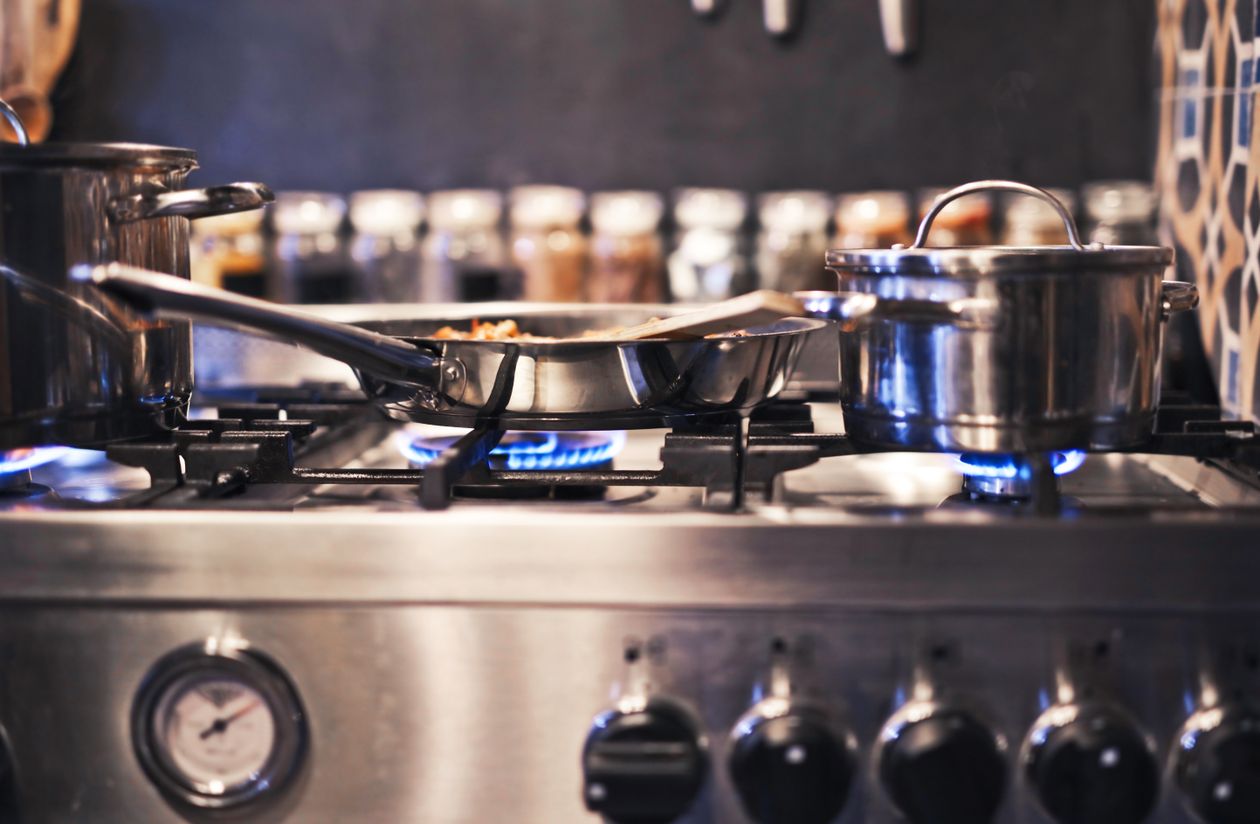
Stainless steel pots and pans on a gas stove with blue flames — best cookware for gas stoves

Photo by Nicolas Postiglioni from Pexels

Disclosure: I earn a small commission if you buy through links on this page, at no extra cost to you.

Gas stoves heat fast, burn hot, and concentrate heat at the base of the pan rather than spreading it evenly the way an induction burner does. Concentrated heat under a wide base is also one of the ways a pan base warps out of true, so matching pan size to burner size is worth doing. That concentrated heat is the whole point — it’s why gas stoves are preferred for searing, wok cooking, and high-heat techniques. But it also means the cookware needs to handle rapid temperature changes and distribute heat across the base quickly, or you end up with hot spots in the centre of every pan.

The T-fal Ultimate Hard Anodized 17-piece set is the most validated option at an accessible price: 18,857 reviews at 4.7 stars, a hard-anodized aluminum construction that distributes heat well on gas, and enough pieces to outfit a full kitchen. If you want stainless steel that develops proper fond for searing and sauce-making, the Tramontina Signature Tri-Ply Clad Set at ~$315 is fully clad rather than disc-bottomed, and all twelve of its pieces are cookware. Both are reviewed in full below.

These picks are based on confirmed Amazon product data, verified specifications, and aggregated buyer reviews. All ASINs verified before inclusion.

Best Cookware for Gas Stove 2026: Quick Comparison

Set Best For Material Pieces Price Buy
T-fal Ultimate 17pc Best overall Hard-anodized 17 ~$230 Check Price
Tramontina Signature Tri-Ply Best heavy-duty stainless Stainless 12 ~$315 Check Price
Cuisinart MultiClad Pro 12pc Best triple-ply Tri-ply SS 12 ~$220 Check Price
GreenPan Lima 12pc Best PFAS-free Ceramic 12 ~$160 Check Price
T-fal Signature 12pc Best budget Aluminum nonstick 12 ~$110 Check Price

Best Cookware for Gas Stove 2026: Full Reviews

1. T-fal Ultimate Hard Anodized 17-Piece Set — Best Overall

T-fal Ultimate Hard Anodized Nonstick 17 Piece Cookware Set in Onyx black

4.7/5  ·  18,857 reviews  ·  ~$230  ·  View on Amazon

With nearly 19,000 reviews at 4.7 stars, the T-fal Ultimate is the most-reviewed cookware set on this list, though the T-fal Signature is now close behind. Hard-anodized aluminum distributes heat faster and more evenly than standard aluminum, which is a genuine advantage on gas burners where the flame concentrates heat in the centre of the base. The set includes 17 pieces — frying pans, saucepans, a Dutch oven, stockpot, and a griddle — which covers most households’ complete cooking needs in one purchase.

Oven-safe to 400°F and dishwasher-safe. The hard-anodized surface is more durable than standard nonstick coatings — it resists scratching better and holds up longer under regular use. The main limitations are the same as any nonstick: avoid metal utensils, don’t pre-heat an empty pan on high, and replace when the coating shows wear. At ~$230 for 17 pieces, it’s difficult to find more buyer-validated value at this price.

Pros:

  • 18,857 reviews — the most validated cookware set at this price
  • Hard-anodized aluminum distributes gas heat more evenly than standard nonstick
  • 17 pieces covers a complete kitchen setup
  • 4.7 stars — consistently high ratings across a massive review base
  • Oven-safe to 400°F; dishwasher-safe

Cons:

  • Nonstick coating requires non-metal utensils and eventually needs replacing
  • Not suitable for very high-heat searing or induction cooktops
  • 17 pieces may be more than needed if you already own cookware

Verdict: The right starting point for most households. More buyer validation than any other set at this price, and the hard-anodized construction handles gas heat better than standard nonstick.

Check Price on Amazon ↗

2. Tramontina Signature Tri-Ply Clad 12-Piece Set — Best Heavy-Duty Stainless

Tramontina Signature tri-ply clad stainless steel 12-piece cookware set with stainless lids

4.4/5  ·  1,726 reviews  ·  ~$315  ·  View on Amazon

Full tri-ply clad construction — stainless, an aluminium core, stainless again — carried through the walls of each pan and not just the base. On a gas hob that is the difference that matters: a flame heats the bottom and licks up the sides, and clad walls spread that instead of concentrating it in a ring.

All twelve pieces are cookware. You get 8-inch and 10-inch frying pans, three saucepans with lids at 1.5, 2 and 3 quarts, a 6-quart sauté pan with a lid, and an 8-quart stock pot with a lid. Unlike the T-fal and GreenPan sets further down this list, none of the twelve is made up with utensils.

The lids are stainless rather than glass, which is why the whole set stays oven-safe to 500°F with a lid on rather than dropping to a lower number the way a glass-lidded set does. It is heavy at 26.4 pounds, NSF certified, and carries a lifetime warranty.

Amazon’s listing says it is made in Brazil. At least one owner reports receiving a set marked otherwise, so read that as the manufacturer’s claim rather than something I can confirm.

Pros:

  • All twelve pieces are cookware — two frying pans, three saucepans, a 6-quart sauté pan and an 8-quart stock pot
  • Full tri-ply clad walls rather than a disc base — even heat up the sides on a gas flame
  • Stainless lids keep the set oven-safe to 500°F throughout; NSF certified with a lifetime warranty
  • Works on every hob type including induction, and takes metal utensils

Cons:

  • Staining and cleaning is the most common complaint by a wide margin — stainless demands proper preheating and oil
  • 8% one-star reviews, the highest share on this list, mostly from buyers who expected food to release like nonstick
  • One owner reports pitting on the top edge inside a month despite hand washing and drying
  • 26.4 pounds; and at ~$315 the Cuisinart MultiClad Pro below is the cheaper way into tri-ply

I have written this one up separately — read the full Tramontina Signature Tri-Ply Clad review, which covers what the 8% one-star share is actually about and what owners report after two years.

Verdict: The set to buy if you want clad stainless that should outlast everything else here and you already know how to cook on it. If you do not, read up on preheating before you order — most of the unhappy reviews are about technique rather than the pans.

Check Price on Amazon ↗

3. Cuisinart MultiClad Pro 12-Piece Set — Best Triple-Ply Stainless

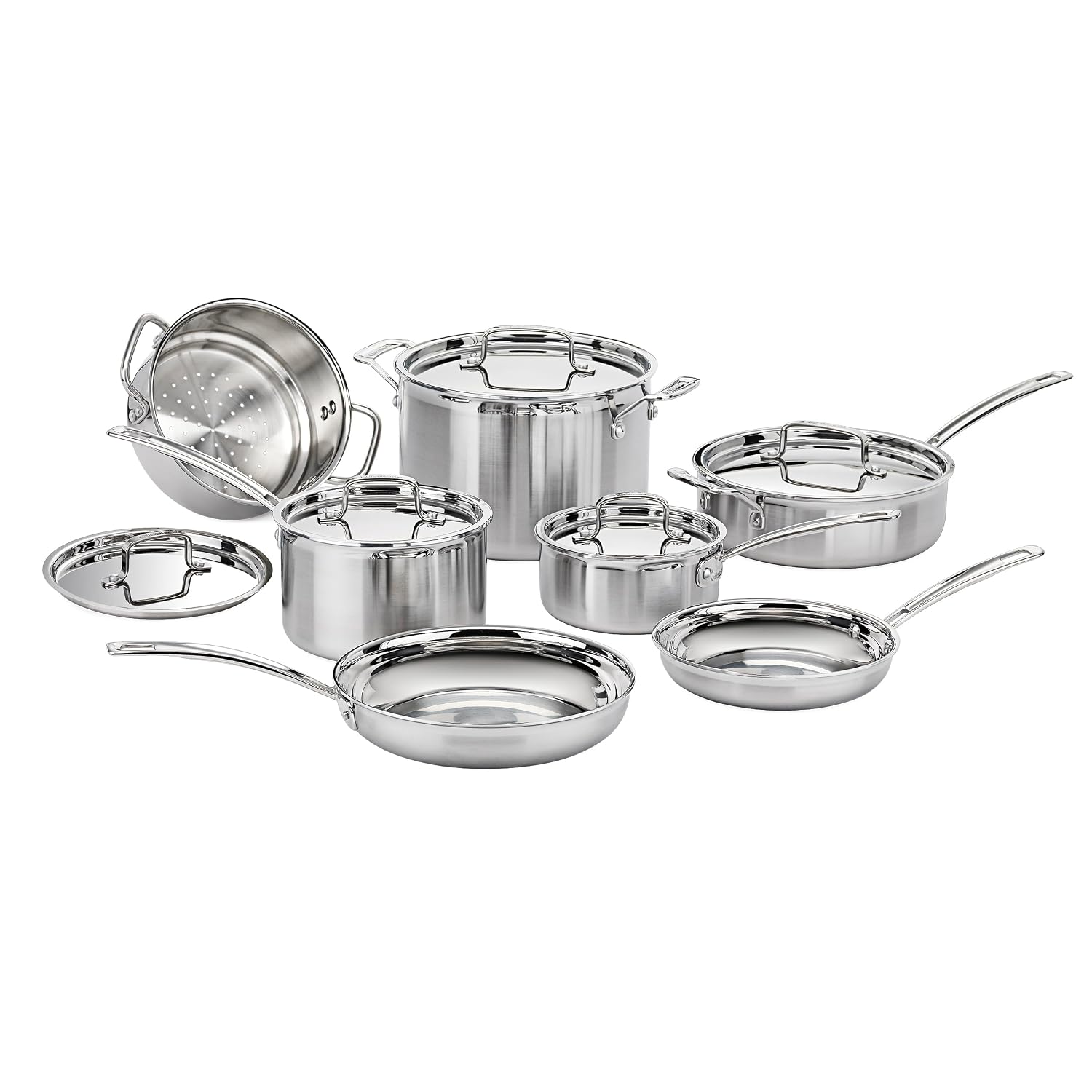
Cuisinart MultiClad Pro Triple Ply Stainless Steel 12 piece cookware set

4.5/5  ·  11,209 reviews  ·  ~$220  ·  View on Amazon

The MultiClad Pro is Cuisinart’s tri-ply line — stainless exterior, aluminum core, stainless interior — which is the construction professional kitchens use. The aluminum core extends up the sides of each pan, not just across the base, which means heat distribution on a gas burner is significantly more even than with a disc-bottom stainless set. Gas stoves are particularly prone to creating hot spots at the centre of the pan where the flame concentrates, and a full tri-ply construction addresses this more completely than an impact-bonded base.

All 12 pieces are oven-safe to 500°F, dishwasher-safe (though hand washing extends longevity), and induction-compatible. The flared rims pour well. My full Cuisinart MultiClad Pro review goes into the Heat Surround cladding and the warping reports. At $219.95 for 12 pieces of true tri-ply construction, this represents substantially better value than equivalent tri-ply from premium brands. It also rates slightly higher than the Tramontina Signature above (4.5 vs 4.4) across six times as many reviews, though it gives up some heat retention to the thinner construction and its glass lids cap the oven rating below the Tramontina’s stainless ones.

Pros:

  • Full tri-ply construction (not just disc-bottom) distributes gas heat evenly up the sides
  • Oven-safe to 500°F — higher than most sets at this price
  • 12 pieces covers most kitchen needs; well-designed lids
  • 11,209 reviews at 4.5 stars — substantial buyer validation

Cons:

  • Some buyers report handle rivets collecting residue
  • Thinner gauge than premium tri-ply options; slight warping reported in a subset of reviews

Verdict: The right pick if you want true tri-ply construction — not just disc-bottom — at an accessible price. The 500°F oven tolerance and full-wall heat distribution make it particularly well-suited to high-heat gas cooking.

Check Price on Amazon ↗

4. GreenPan Lima 12-Piece Set — Best PFAS-Free

GreenPan Lima Hard Anodized Healthy Ceramic Nonstick 12 Piece Cookware Set in Gray

4.4/5  ·  1,614 reviews  ·  ~$160  ·  View on Amazon

GreenPan’s Lima set uses Thermolon ceramic coating — free of PTFE, PFAS, PFOA, and lead. On a gas stove this matters more than on other cooktops: the open flame beneath the pan concentrates heat rapidly, and concerns about conventional nonstick coatings releasing fumes at high temperatures are amplified by gas’s ability to reach those temperatures quickly. The hard-anodized aluminum base handles gas heat well; the ceramic coating runs cooler than PTFE-based nonsticks and requires slightly lower heat settings for best results.

The 12-piece set includes everything you need for a complete kitchen setup. At ~$160 it sits mid-table on price here, which is the trade-off for the PFAS-free certification. Ceramic nonstick also has a shorter useful life than PTFE-based coatings under heavy use — it typically degrades after 2–3 years of daily cooking versus 5+ years for good hard-anodized nonstick. Worth it if the toxicity concern is primary for you; less compelling if you cook on low-to-medium heat and already use conventional nonstick without issue.

Pros:

  • PTFE and PFAS-free — the right choice for health-conscious buyers, provided you keep to low and medium heat
  • Hard-anodized construction handles gas burner heat well
  • 12 pieces; pans oven and broiler safe to 600°F, glass lids to 425°F

Cons:

  • Mid-priced rather than cheap at ~$160; lower review count than other sets at this price tier
  • Ceramic coating degrades faster than PTFE nonstick under heavy daily use — expect 2–3 year lifespan

GreenPan care guidance is hand wash, and the most specific damage reports come from owners who used a dishwasher: exterior finish coming off at two months, pan bottoms gone at eighteen. I have written the set up in full — read the GreenPan Lima 12-piece review.

Verdict: Buy it specifically for the PFAS-free construction. If you cook on gas regularly at high heat and want to avoid PTFE, this is the most accessible full-set option with meaningful buyer validation.

Check Price on Amazon ↗

5. T-fal Signature 12-Piece Set — Best Budget

T-fal Signature Nonstick 12 Piece Cookware Set in Black

4.7/5  ·  18,392 reviews  ·  ~$110  ·  View on Amazon

The T-fal Signature is the entry-level pick — standard aluminum nonstick, lighter than the hard-anodized Ultimate, oven-safe to 350°F, and 18,392 reviews at 4.7 stars across years of sales. It works fine on gas stoves for everyday cooking: eggs, sautéed vegetables, sauces, and anything that doesn’t require very high heat. The trade-off versus the T-fal Ultimate is straightforward: the Signature is lighter and simpler, the Ultimate is harder-anodized, more durable, and includes a griddle.

At $109.99 against the Ultimate’s ~$230, the choice between them depends on use. The Signature is right for households who want the lightest, simplest nonstick setup and don’t regularly push gas burners past medium-high. The Ultimate is right for households who cook at higher heat and want a more durable long-term nonstick. Both are good; the Signature’s rating validation (18,392 reviews at 4.7 stars) gives it considerable reliability credibility.

Pros:

  • 18,392 reviews at 4.7 stars — among the most validated nonstick sets available
  • Lighter weight than hard-anodized options — easier to handle daily
  • ~$110 for 12 pieces; good entry point for new households

Cons:

  • Standard aluminum nonstick is less durable than hard-anodized — shorter coating lifespan under heavy use
  • Oven-safe to 350°F only — limiting for high-heat gas oven finishes
  • Three of the twelve pieces are plastic tools, and the large fry pan is 10 inches — the listing bullets say 11

I have written this one up separately: read the full T-fal Signature 12-piece review, which covers what the twelve pieces actually are and what 18,392 owners report about the coating.

Verdict: A solid, heavily-validated budget choice. The right pick for households who want simple nonstick at the lowest risk of buyer disappointment. Just be aware the T-fal Ultimate offers meaningfully better construction, and larger pans, for about $120 more.

Check Price on Amazon ↗

What to Look for When Buying Cookware for a Gas Stove

Material Choice Matters More on Gas

Gas burners heat from below in a concentrated circle. The flame size rarely matches the base of the pan exactly, which means the centre of the base gets significantly hotter than the edges. This is less of an issue on induction or electric ceramic, where heat spreads across a larger surface area. On gas, the material’s ability to distribute heat outward — called thermal conductivity — has a much larger effect on cooking performance.

Aluminum (including hard-anodized) is the best heat conductor of common cookware materials. A full-aluminum or hard-anodized pan distributes gas heat fastest and most evenly. Triple-ply stainless (with an aluminum core) achieves similar distribution.

Disc-bottom stainless distributes heat across the base but not up the sides. Plain stainless without an aluminum layer creates hot spots on gas and should be avoided for most cooking.

Handle Heat and Oven Compatibility

Gas produces more radiant heat than other cooktop types — the heat doesn’t just go through the base, it also radiates up the sides of the pan and toward the handle. Stainless or hard-anodized handles stay cooler than all-metal designs with thinner sections. Helper handles on larger pots reduce the leverage required when moving heavy pans across gas grates.

Oven compatibility directly follows from gas stove use: many dishes started on a gas burner finish in the oven (seared steaks, frittatas, braised meats). Check the oven-safe temperature for any set you buy. The Cuisinart MultiClad Pro’s 500°F tolerance and the T-fal Ultimate’s 400°F are both practical; the T-fal Signature’s 350°F limits you if you regularly finish dishes in a hot oven.

Flat Bottoms and Grate Stability

Unlike induction, which requires magnetic contact across the entire base, gas grates don’t care about base flatness for heat transfer. But stability matters — a pan that rocks on the grate creates a safety risk. Check that the base is true-flat before purchase (easily visible in photos, and reviewers mention warping issues quickly if they exist). Gas grates can also scorch aluminium if a pan sits directly on an undersized grate; most modern gas ranges have wide enough grates to avoid this, but it’s worth checking your range’s grate design before buying a very lightweight set.

Best Cookware for Gas Stove: FAQ

Is stainless steel or nonstick better for gas stoves?
Depends on what you cook. Stainless steel — especially triple-ply — handles high heat better and develops fond for sauces and braises.

Nonstick is easier for eggs and fish and requires less technique. Most households benefit from both: a nonstick skillet for daily use and a stainless pan for searing and high-heat cooking on gas.

Does copper or cast iron work on gas?
Both work well. Cast iron is excellent on gas — it retains heat extremely effectively and the open flame compensates for cast iron’s slow heating.

Copper is the best heat conductor of common metals but requires more care and is expensive. Neither is in this buying guide because they’re specialist materials; see the cast iron and stainless-only guides if those are your priorities.

Why does my nonstick pan get hot spots on gas?
The flame is concentrating heat in a circle smaller than the pan base. Use medium heat instead of high, allow the pan to preheat for 1–2 minutes on low before adding food, and consider upgrading to hard-anodized aluminum, which distributes gas heat significantly more evenly than standard aluminum.

Are PFAS-free pans worth it for gas cooking specifically?
There’s a reasonable argument for it. PTFE-based nonstick coatings can release fumes at temperatures above 500°F (260°C), and gas burners can reach those temperatures faster than electric or induction cooktops.

If you regularly cook on high heat on gas, a PFAS-free ceramic set like the GreenPan Lima is a logical precaution. At lower heat levels, the risk from conventional nonstick is generally considered negligible.

How do I stop stainless steel from sticking on a gas stove?
Three steps: (1) preheat the pan on medium heat for 90–120 seconds before adding anything; (2) add oil and let it heat until it shimmers; (3) add food and don’t move it for 2–3 minutes. The food will release naturally when properly seared. Gas stoves reach temperature faster than electric, so the preheat time is shorter — but the test is the same: water should bead and dance in the hot pan before you add oil.

How long should cookware last on a gas stove?
Stainless steel lasts indefinitely with proper care. Hard-anodized nonstick typically lasts 5–7 years of daily use. Standard aluminum nonstick lasts 3–5 years.

Ceramic nonstick lasts 2–3 years. Gas stoves are harder on coatings than induction because of the radiant heat and occasional grate scratching — budget accordingly and avoid sliding pans across cast iron grates when possible.

How These Picks Were Chosen

Plainly: this is a research-based guide, not a hands-on test. I have not run these side by side, and nothing here should be read as a report from my own kitchen.

What the picks rest on: base construction and how well the material spreads heat from a concentrated flame, whether the base is fully clad or disc-bottomed, handle material and how far it sits from the flame, and oven-safe temperature; plus the complaint patterns across verified-purchase reviews, where the gas-specific issues that recur are handles heating up and bases discolouring or warping over a burner ring.

What I could not establish: warping resistance over years of high-flame use. That is the failure that actually ends a pan on a gas hob, and no independent test covers it for these sets. Base thickness is the best available indicator and is used that way here, but it does not settle the question.

Final Thoughts

For most households cooking on gas, the T-fal Ultimate Hard Anodized is the straightforward choice: 18,857 reviews, 4.7 stars, hard-anodized construction that handles gas heat well, and 17 pieces at ~$230. My full T-fal Ultimate review covers what owners say about the coating, the lids and gas-grate stability. If you want stainless for proper searing and sauce development, the Tramontina Signature Tri-Ply Clad Set is the heaviest and best-warrantied option on the list, and the Cuisinart MultiClad Pro is the cheaper way in.

For more on cookware choices, see the best cookware sets guide for a wider set of options, the cookware hub for guides to individual pan types, or the best omelette pan guide if you’re looking for a quality nonstick skillet to complement your new set. For holiday roasting, the best roasting pan for prime rib guide covers the dedicated pans built for the job.

Gas cooking produces combustion byproducts on top of smoke and grease — if your kitchen has no exterior duct, my best ductless range hood guide covers recirculating hoods that handle gas-stove kitchens honestly.

Wondering why material matters so much for gas cooking specifically? My guide to cookware materials for gas stoves explains the mechanics behind my picks above.

Gas burners put more heat and combustion byproducts into the air than electric or induction, which is exactly why ventilation matters more here than on other cooktops. If you’re not on ducted venting, this guide to ductless range hoods covers what actually works and how often to replace the filters.

Filed Under: Product Reviews

  • « Go to Previous Page
  • Page 1
  • Interim pages omitted …
  • Page 29
  • Page 30
  • Page 31
  • Page 32
  • Page 33
  • Interim pages omitted …
  • Page 35
  • Go to Next Page »

Recent Articles

  • Cuisinart DLC-10SYP1 Review: Durable, But a Newer Bowl
  • COSORI Pro Gen 2 Review: Big Basket, Fragile Handle
  • Dash Tasti-Crisp Review: Cheap, but the Coating Wears Fast
  • Chefman TurboFry Touch Review: Cheap, but the Coating Wears
  • Chef’sChoice 15XV Review: Very Sharp, With Scratch Reports

Search


HOME          Contact          Affiliate Disclosure          Terms of Service          Privacy Policy


kitchenwarecompare.com is a participant in the Amazon Services LLC Associates Program, an affiliate advertising program designed to provide a means for sites to earn advertising fees by advertising and linking to Amazon.com, Endless.com, MYHABIT.com, SmallParts.com, or AmazonWireless.com. Amazon, the Amazon logo, AmazonSupply, and the AmazonSupply logo are trademarks of Amazon.com, Inc. or its affiliates. As an Amazon Associate I earn from qualifying purchases.


Copyright © 2026 kitchenwarecompare.com, ALL RIGHTS RESERVED.