• Skip to primary navigation
  • Skip to main content
  • Skip to primary sidebar

Kitchenware Compare

  • Home
  • Product Reviews
    • Air Fryers
    • Coffee
    • Cookware
    • Flat Top Grills
    • Meat Thermometers
    • Food Processors
    • Knives
    • Pizza Ovens
    • Toaster Ovens
    • Juicers
  • Food Blog
  • Helpful Kitchen Tips
  • Data Studies
  • About
  • How I Review
  • Contact
You are here: Home / Archives for Glenn

Air Fryer vs Deep Fryer: Which Should You Buy?

Last Updated October 8, 2026

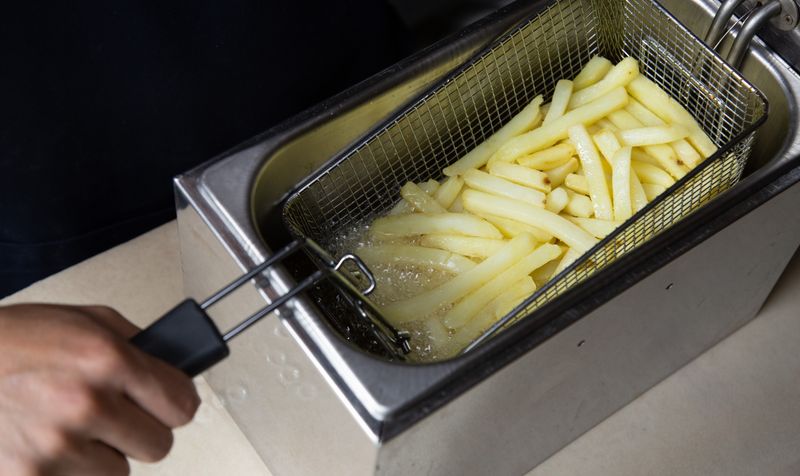
Basket of french fries being lowered into a deep fryer of bubbling oil

This post contains affiliate links. If you buy through my links, I may earn a commission at no extra cost to you.

Short answer: the air fryer, for most kitchens. It gets you 85% of the crisp with a tablespoon of oil instead of four quarts, no disposal problem, and a machine that also roasts, reheats, and bakes.

The deep fryer keeps exactly one crown — anything in wet batter. Beer-battered fish, tempura, and proper corn dogs physically cannot happen in an air fryer, and if those are your kitchen’s love language, no air fryer replaces the real thing. Here’s the honest breakdown.

Air Fryer vs Deep Fryer — Head to Head

Factor Air Fryer Deep Fryer Winner
Oil per session 0–1 tablespoon 3–4 quarts Air fryer
Fat in the finished food Up to ~75% less Oil is the point Air fryer
Wet batter (fish, tempura) Drips off — can’t do it Its whole reason to exist Deep fryer
Fries & frozen foods Excellent, slightly drier The gold standard Deep fryer, narrowly
Cook time (batch of fries) 15–20 min, no preheat ritual 5–8 min + 10–15 min oil heat-up Roughly even
Cleanup Basket in the dishwasher Cooling, straining, storing or dumping quarts of oil Air fryer
Running cost Electricity only Oil is a subscription ($8–15 per fill) Air fryer
Versatility Roasts, bakes, reheats, dehydrates Fries. That’s it. Air fryer
Safety Enclosed element, auto shut-off Gallons of 350°F oil on the counter Air fryer

The Actual Difference (It’s Physics, Not Marketing)

A deep fryer immerses food in oil at 325–375°F. Oil transfers heat brutally fast and from every direction at once, which is why crusts set in seconds and batter puffs instead of sliding off. An air fryer is a small, violent convection oven: a fan slams hot air across the surface, dehydrating and browning the outside. With a light oil coating, that gets remarkably close to fried texture on solid foods — wings, fries, vegetables, breaded (not battered) items.

The gap shows in two places. Wet batter needs the instant set that only oil immersion provides — in an air fryer it drips through the basket before it cooks. And moisture-rich crispness — the glassy shell on a proper french fry — comes from oil penetrating the surface, which hot air alone can’t replicate. Close, honestly close.

Not identical.

Health: The Math Nobody Argues With

Deep-fried foods absorb oil as they cook — that’s flavor, and it’s also roughly 10–15 extra grams of fat per serving of fries. Air-fried versions of the same foods carry up to about 75% less fat, because a tablespoon of oil spread over a pound of food is all there is to absorb.

Both methods produce acrylamide in starchy foods at high heat, so “air-fried” doesn’t mean “health food” — it means fried-adjacent with a fraction of the fat. My are air fryers healthy? guide covers the full picture without the marketing gloss.

Cost: Purchase Price Lies, Oil Doesn’t

Decent machines in both categories start around $50–70, so the sticker is a wash. The divergence is everything after: a deep fryer drinks 3–4 quarts of oil per fill, and even with careful straining and reuse, frequent fryers buy oil like a subscription — $8–15 a fill, several fills a month if you’re serious.

Then there’s disposal, which your drain pipes will not forgive you for skipping. An air fryer’s running cost is a few cents of electricity. Over a year of weekly use, the air fryer is cheaper by the price of a second air fryer.

Cleanup: The Category Killer

This is what actually retires deep fryers to garage shelves.

After deep frying, you wait an hour for the oil to cool, strain it through cheesecloth if you’re keeping it, find a sealed container, wipe an oil-misted counter, and hand-wash a greasy tank. After air frying, the basket goes in the dishwasher. Owner reviews across both categories tell the same story: deep fryers get used weekly for a month, then monthly, then never.

Air fryers stay on the counter.

Which One Should You Buy?

Buy an air fryer if: you want weeknight fries, wings, and crispy reheats with no oil logistics; counter space is limited and one machine should do many jobs; or the fat math matters to anyone in the house. Start with my best air fryers guide — and if you’re feeding four or more, size matters more than features: see the best air fryer for a family of 4.

Buy a deep fryer if: battered fish, tempura, donuts, or wings with that specific glassy crunch are regulars in your kitchen, and you’ll genuinely deal with the oil ritual. It does its one thing better than anything else made.

The honest third option: most households that “need both” actually need an air fryer plus a heavy pot and a thermometer for the four times a year batter calls. And if you want one machine covering the most ground, a pressure cooker air fryer combo stretches the versatility argument even further. What fits in an air fryer might surprise you — my what can you cook in an air fryer guide runs the full list.

Food by Food: Which Method Wins What

Food Air Fryer Deep Fryer Verdict
French fries Excellent; interior runs slightly drier The benchmark — glassy shell, creamy center Deep fryer by a nose; air fryer wins on effort
Chicken wings Skin crisps while fat renders out — arguably better Great, but greasier Air fryer — the owner-consensus favorite
Breaded tenders & schnitzel Excellent with a spray of oil Excellent Tie — air fryer on cleanup
Battered fish & chips Physically impossible — batter drips off Perfect Deep fryer, no contest
Frozen snacks (nuggets, rolls, fries) Modern packaging literally prints air fryer times Works, but overkill Air fryer
Vegetables (brussels, cauliflower) Caramelized edges, superb Oil-logged unless battered Air fryer
Doughnuts Baked-adjacent imitation The real thing — fried is the definition Deep fryer

The pattern is consistent: solid and breaded foods air-fry beautifully; anything battered or defined by oil immersion doesn’t. Wings are the surprise — rendering fat out of the skin while it crisps is something oil immersion can’t do, which is why wing devotees increasingly side with the air fryer. And if you want both worlds in one appliance, an air fryer pressure cooker combo pairs a real air fryer with a real pressure cooker.

The Energy Math (It’s Not What You’d Guess)

Electricity is nearly a wash. A 1,700-watt air fryer cycling through a 20-minute session draws roughly 0.4 kWh — about 7 cents at average US rates. A 1,800-watt deep fryer heating four quarts of oil and holding temperature lands around 0.5–0.6 kWh — 9 or 10 cents. Nobody’s utility bill will notice either.

The real cost difference is the oil itself: $8–15 per fill, and even stretched across several strained-and-reused sessions, that’s $1–3 every time the deep fryer runs, against effectively zero for the air fryer. (Both, incidentally, embarrass a 3,000-watt full-size oven for small batches.) One safety note for oil reusers: each heating cycle lowers the oil’s smoke point, and oil that smokes at frying temperature or smells off is done — no straining rescues it.

Frequently Asked Questions

Does an air fryer taste as good as a deep fryer?

For fries, wings, and breaded foods: 85–90% as good, and most households stop noticing within a month. For battered foods there’s no contest — the deep fryer wins outright because batter needs oil immersion to set.

Is an air fryer really healthier than deep frying?

Yes, on fat: the same foods carry up to ~75% less of it. It’s not a free pass — starchy foods still form acrylamide at high heat either way — but per serving, the difference is real and large.

Can you deep fry in an air fryer?

No. Never pour oil into an air fryer’s drawer — it’s a fire hazard and it won’t create immersion frying anyway. A tablespoon tossed over the food is the correct maximum.

What can a deep fryer do that an air fryer can’t?

Wet batters (fish and chips, tempura, corn dogs), true doughnuts, and the glassy all-over crust of oil-immersed fries. If none of those are staples for you, you don’t need one.

Do restaurants use air fryers?

No — commercial kitchens deep fry for speed and texture at volume. Which is exactly why restaurant fries taste the way they do, and why home air-fried versions are the everyday compromise.

Bottom Line

The air fryer wins on oil, cost, cleanup, safety, and everything-else-it-does; the deep fryer wins on batter and the last 15% of texture. For most kitchens that’s an easy call — and the whole air fryer lineup, from compact to family-size, lives in my air fryers hub. Comparing the air fryer against an oven with a fan instead? See air fryer vs convection oven.

Filed Under: Product Reviews Tagged With: Air Fryers, Comparison, Deep Fryers

Best Flat Top Grill: 5 Picks Compared

Last Updated October 8, 2026

Chef cooking fried eggs on an outdoor flat top griddle

This post contains affiliate links. If you buy through my links, I may earn a commission at no extra cost to you.

Let’s be honest about this category up front: Blackstone owns it. Three of my five picks wear the same badge, because after checking every serious flat top on Amazon, that’s what the market looks like — nobody else combines the steel, the burner power, and six-figure review counts. The real question isn’t which brand; it’s which size. I break that decision down head-to-head in my Blackstone 28 vs 36 comparison.

The Blackstone 36″ 4-Burner Station is the pick for families and entertainers: 60,000 BTUs across four independent zones, 4.7 stars from 10,000+ owners, $399.00. Cooking for fewer people? The 28″ version is the sweet spot, and there’s a $128 tabletop for tailgates. One combo unit and one compact two-burner round out the field.

Best Flat Top Grills — Quick Comparison

Product Best For Price Rating Buy
Blackstone 36″ 4-Burner Station Best Overall $399.00 4.7★ (10,726) Check Price
Blackstone 28″ Omnivore Best for Most Backyards $249.99 4.7★ (12,146) Check Price
Royal Gourmet GD401C Combo Best Grill + Griddle Combo $259.99 4.4★ (1,439) Check Price
Blackstone 22″ Tabletop Best Compact Two-Burner $178.99 4.7★ (6,805) Check Price
Blackstone 17″ Tabletop Best Portable $128.12 4.7★ (1,412) Check Price

How I Picked

Every pick was verified live on Amazon today (4 July 2026) — real US prices, current ratings, confirmed in stock.

That check mattered more than usual here: two products from the previous version of this guide had quietly died (Camp Chef’s flat top left Amazon entirely; a Blackstone listing got merged into a broken variant page). Selection weighed cooking surface per dollar, burner zones, steel gauge, grease management, and what 26,000+ combined owner reviews say after seasons of use.

Research-based and spec-verified, with the honest caveat that I haven’t lined up five griddles in a parking lot.

The 5 Best Flat Top Grills in 2026

1. Blackstone 36″ 4-Burner Station — Best Overall

Blackstone 36 inch 4-burner flat top griddle cooking station

The 36″ Blackstone is the reason this category exists on Amazon at all: 756 square inches of cold-rolled steel over four independently controlled burners pushing 60,000 BTUs. That’s pancakes for a crowd on one zone, bacon on another, and a hot sear zone on the third — the wide-open cooking style that made flat tops a backyard movement. Ten thousand reviews at 4.7 stars is the kind of consensus almost nothing at $400 achieves.

Downsides: it’s a commitment — around 120 pounds assembled, and it lives outside under a cover, not in a garage corner. The steel needs seasoning like cast iron, and skipping that care shows up as rust complaints in reviews. And the base model has no hood; windy-day cooking takes planning.

Check Price on Amazon

Read my full Blackstone 36″ review for the complete breakdown, including what over 10,000 owners report and a genuine grease-drain design flaw worth knowing about.

2. Blackstone 28″ Omnivore — Best for Most Backyards

Blackstone 28 inch Omnivore flat top griddle

The highest-reviewed griddle in this guide (12,146 and counting) is not the big one. The 28″ hits the balance most households actually need: two burner zones, enough surface for a family smash-burger night, a rear grease system that’s genuinely tidier than the front-drain designs, and a $149 saving over its big brother. If you’re not regularly feeding eight people, this is the smarter buy.

Downsides: two zones means less temperature separation than the 36″ — you’ll juggle when a meal needs three heats. The Original trim skips side shelves, so plan a prep table. Same seasoning duty as every bare-steel griddle.

Check Price on Amazon

3. Royal Gourmet GD401C — Best Grill + Griddle Combo

Royal Gourmet GD401C 4-burner grill and griddle combo with cover

Can’t choose between grill grates and a griddle plate? The GD401C splits its 48,000 BTU, four-burner surface between both, and throws in a fitted cover — an accessory Blackstone charges extra for. For households that want burgers seared over open flame AND a breakfast griddle in one footprint, it’s the value play at $260.

Downsides: the split surface means neither half is huge — big batches involve rotation. The steel runs thinner than Blackstone’s, which shows in heat retention when you load it with cold food. And its 4.4-star average, while solid, sits visibly below the Blackstone 4.7s; assembly complaints drive most of the difference.

Check Price on Amazon

4. Blackstone 22″ Tabletop Griddle — Best Compact Two-Burner

Blackstone 22 inch tabletop griddle with two burners

The 22″ tabletop is the apartment-balcony and small-patio answer: two independently controlled burner zones and 24,000 BTU across 361 square inches, in a footprint that lifts onto a table and stores in a cupboard. Blackstone quotes 14 burgers or 60 hot dogs at once, which is more than the size suggests, and the two zones mean you can hold one side low for onions while searing on the other.

Downsides: it is rolled steel like every other Blackstone here, so it needs the same seasoning and oiling routine — there is no coated shortcut in this line-up any more. It has no cart, no wheels and no side shelves, so you need a sturdy table to put it on, and the lid is sold separately.

Check Price on Amazon

5. Blackstone 17″ Tabletop — Best Portable

Blackstone 17 inch Omnivore tabletop griddle

Same cold-rolled steel, same 4.7-star owner satisfaction, scaled to a $128 unit you can carry one-handed to a tailgate, campsite, or picnic table. For couples, campers, and anyone testing whether griddle life is for them before committing to a cart-size unit, this is the entry point.

Downsides: single burner zone — one temperature at a time. It needs a table or stand; there are no legs. And 267 square inches feeds two to three people comfortably, not a party.

Check Price on Amazon

Flat Top Grill Buying Guide

Griddle vs grill: know which cooking you want

A flat top can’t do open-flame char or grate marks — it does smash burgers with full crust contact, breakfast spreads, fried rice, fajitas, and anything that would fall through grates. If weeknight variety beats steakhouse marks for your household, the flat top wins; if you want both, that’s the Royal Gourmet combo’s whole argument. For the full side-by-side, see my griddle vs grill comparison. For indoor tabletop grilling — Korean BBQ style — see my indoor KBBQ grill guide.

Size by the people you actually feed

The honest sizing rule: 17″ for 2–3 people, 28″ for a family of four with room to spare, 36″ only if you host regularly. Oversizing wastes propane heating steel you never cook on, and the 36″ unit’s 120-pound reality deserves respect before checkout. Most flat top grills run on propane by default; if you have a fixed outdoor kitchen and grill often, my propane vs natural gas comparison covers whether a gas line is worth installing.

Steel care is the ownership cost

Bare-steel griddles season like cast iron: thin oil layers baked into a black, slick patina. Ten minutes after each cook keeps them perfect; neglect earns rust. If that ritual sounds like a chore rather than a pleasure, this is the wrong category for you — every griddle here is bare rolled steel. Surface temperature discipline matters too — a good BBQ thermometer takes the guesswork out of zones, and my meat temperature guide covers doneness once the sear is on.

Wind, covers, and living outside

Flat tops live outdoors, and open burners hate wind — position matters, and a fitted cover is non-negotiable for the bare-steel models (rust never sleeps). Already seeing orange spots on yours? My guide to griddle rust covers how to tell surface rust from normal heat discoloration and fix it. My guide to cleaning a flat top grill covers the routine that actually prevents rust and grease buildup from happening in the first place.

If food is sticking despite good seasoning, my guide to griddle sticking walks through the three separate causes and how to tell them apart. Budget $30–50 for a cover if your pick doesn’t include one; the Royal Gourmet’s bundled cover is a genuine line-item saving. For monitoring long cooks from indoors, a Bluetooth meat thermometer earns its keep.

Griddles run on the same propane hardware as a gas grill, so the same ignition faults apply — and if the burners click without catching, the cause is usually the regulator rather than the igniter, which is covered in a grill igniter clicking but not lighting.

Frequently Asked Questions

Is a flat top grill better than a regular grill?

Different, not better. Flat tops win on versatility (breakfast to stir-fry), even heat, and beginner-friendliness; grills win on char, smoke flavor, and fat drainage. Households that cook outdoors weekly increasingly keep both — or split the difference with a combo.

Why does everyone buy Blackstone?

Thicker cold-rolled steel than most rivals at each price, a parts and accessories ecosystem, and review counts in the tens of thousands that de-risk the purchase. Three of my five picks are Blackstones because that dominance is earned, not sponsored.

Do flat top grills rust?

Bare steel rusts if neglected — it’s the #1 owner complaint across every brand. Season after each cook, cover it, and rust never starts. There is no coated option left in this line-up to opt out of the problem.

What size flat top grill do I need?

17″ for two to three people, 28″ for a typical family, 36″ for regular entertaining. When in doubt, size down — a crowded 28″ cooks better than a half-cold 36″.

Can you cook on a flat top in winter?

Yes — propane burners don’t care, though cold steel takes longer to preheat and wind chill widens temperature swings. A windbreak and a surface thermometer keep winter smash burgers realistic.

What should I cook first on a new flat top?

After the initial seasoning (several thin oil coats, smoked off one at a time): bacon. The rendered fat deepens the seasoning, and the low stakes let you learn the hot spots before anything expensive hits the steel.

Bottom Line

Feed a crowd: the 36″ Blackstone. Feed a family: the 28″ — the best griddle-per-dollar in the category. Test the waters: the 17″ tabletop.

Want flame and flat top in one: Royal Gourmet’s combo. All my outdoor cooking coverage lives at the flat top grills hub.

How These Picks Were Chosen

Plainly: this is a research-based guide, not a hands-on test. I have not run these side by side, and nothing here should be read as a report from my own kitchen.

What the picks rest on: cooking area in usable square inches, burner count and total BTU set against that area, griddle plate thickness and material, and how grease is collected and emptied; plus the complaint patterns across verified-purchase reviews, which for flat tops concentrate on rust after seasoning failures, uneven heat between burner zones, and grease trays that overflow or leak.

What I could not establish: heat evenness across the plate, which is what separates a good flat top from a frustrating one. Measuring it needs an infrared thermometer and a grid of readings across a fully preheated surface, and no independent test does that for these models. Plate thickness and burner layout are used as indicators instead.

You Might Also Like

  • Best meat thermometer for smoking
  • Best fry pans for gas stoves — the indoor rainy-day backup

Just bought one? See how to season a Blackstone griddle before your first cook — it changes how well food releases from day one.

Filed Under: Product Reviews

Are Expensive Kitchen Appliances Worth It? We Analyzed 602 Products

Last Updated October 4, 2026

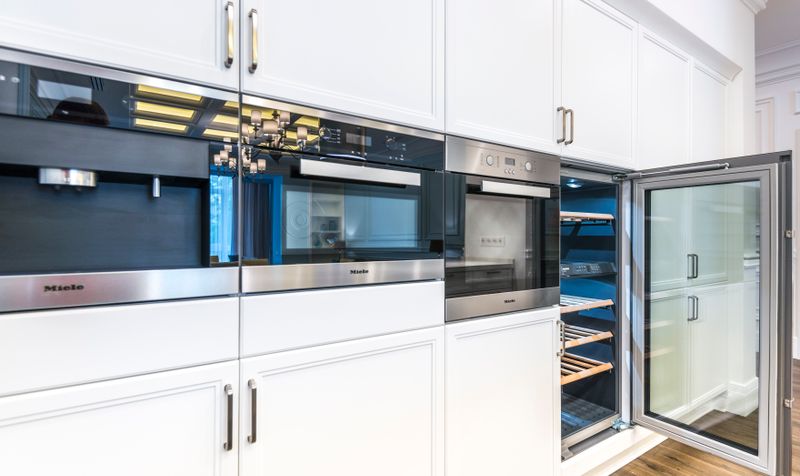
High-end built-in kitchen appliances in a luxury white kitchen

Short answer: no. I collected prices, star ratings, and review counts for 602 kitchen products across five categories — representing over 2.6 million owner ratings — and found that price has zero, or slightly negative, correlation with owner satisfaction in every single category. The most expensive espresso machines rate worse than the cheapest ones.

This article contains no affiliate links. It’s a data study — cite it, argue with it, or use it to win a kitchen-budget debate. Journalists and bloggers: the data and methodology below are free to reference with a link.

Key Findings

  • Across 602 products and 2,627,171 owner ratings, the correlation between price and star rating ranged from −0.15 to +0.015 — statistically, price tells you almost nothing about how happy you’ll be
  • Espresso machines show the strongest negative relationship: the priciest 20% (averaging $1,022) rate 4.09 stars; the cheapest 20% (averaging $70) rate 4.29
  • Air fryers: the cheapest fifth outrates the priciest fifth by 0.20 stars (4.55 vs 4.35)
  • Non-stick pans: $23 pans and $128 pans are statistically identical (4.42 vs 4.41)
  • The only premium sweet spot in the study: food processors between $100–200, which rate 4.71 — the highest of any price bucket in any category

The Numbers

Category Products Ratings represented Price ↔ rating correlation Cheapest 20% Priciest 20%
Espresso machines 158 512,289 −0.150 $70 avg → 4.29★ $1,022 avg → 4.09★
Air fryers 47 678,311 −0.135 $62 avg → 4.55★ $253 avg → 4.35★
Non-stick pans 179 702,631 −0.029 $23 avg → 4.42★ $128 avg → 4.41★
Electric kettles 171 513,314 −0.029 $21 avg → 4.37★ $108 avg → 4.38★
Food processors 47 220,626 +0.015 $35 avg → 4.55★ $622 avg → 4.48★

Correlation is Pearson’s r between buy-box price and average star rating. A value near 0 means no relationship; −1 would mean more expensive always rates worse. Data collected 3–4 July 2026.

Methodology

I collected the title, current buy-box price, average star rating, and review count for every organic (non-sponsored) product on the first four Amazon US search result pages for five category queries: “air fryer,” “non stick frying pan,” “espresso machine,” “electric kettle,” and “food processor.” I excluded sponsored placements, renewed and refurbished items, and accessories. Listings were de-duplicated, leaving 602 products. For each category I computed the Pearson correlation between price and star rating, average ratings by price bucket, and a comparison of the cheapest and priciest quintiles.

Full aggregate data is available in the tables in this article. If you want the underlying dataset for your own analysis, get in touch via the contact page.

Category Detail: Where the Money Goes to Die

Espresso machines — the strongest case against spending

The priciest quintile in the espresso sample averaged $1,022 — machines with PID controllers, dual boilers, and Italian nameplates — and rates 4.09 stars.

The cheapest quintile averaged $70 and rates 4.29. Some of that gap is expectation: nobody writes a furious review of a $70 machine for being a $70 machine, but a $1,400 machine that needs a warranty claim earns a one-star essay.

Which is exactly the point — satisfaction is what ratings measure, and money demonstrably does not buy it here. It’s also consistent with the owner ratings behind the best espresso machines under $200 guide: the sub-$200 bracket produces real espresso and very few regrets.

Air fryers — the budget quintile wins outright

The cheapest 20% of air fryers (averaging $62) outrate the priciest 20% (averaging $253) by a fifth of a star — 4.55 to 4.35. Air fryers are a mature, commoditized technology: a heating element, a fan, and a basket. Past $100, you’re paying for capacity, screens, and app connectivity, and the ratings say those features generate complaints as often as delight.

The air fryer guide has leaned budget-first for exactly this reason.

Non-stick pans and kettles — perfect flatlines

Both categories return correlations of −0.029 — as close to zero as real-world data gets. A $23 pan and a $128 pan make their owners equally happy (4.42 vs 4.41); a $21 kettle and a $108 kettle are statistically identical (4.37 vs 4.38). The materials science in a budget non-stick pan and a premium one is closer than the price tags suggest, and every coating dies eventually regardless of what you paid — something covered in depth in the best non-stick pan guide.

With kettles, water boils at 212°F for everyone; past that, you’re buying temperature presets and design (which the gooseneck kettle guide argues are worth it for pour-over — but the ratings say they don’t buy general satisfaction).

Food processors — the one real sweet spot

The only positive signal in the study: food processors between $100 and $200 rate 4.71 — the highest bucket anywhere in this dataset. This is the price band of full-size, direct-drive machines from established brands, above the flimsy entry tier but below the commercial-priced flagships that invite expectation-driven disappointment. If the study endorses spending more anywhere, it’s here — and the options are compared in the food processor guide.

Why Doesn’t Price Buy Satisfaction?

Three forces, all pulling the same direction. Expectations scale with price: a $40 gadget gets graded on a curve; a $400 one gets graded like a luxury purchase, and any flaw reads as betrayal. Kitchen tech is mature: heating elements, fans, motors, and non-stick coatings are solved problems — the marginal dollar buys styling and features, not function.

Complexity fails: the expensive tier carries screens, apps, sensors, and pumps that create failure modes a $60 appliance physically cannot have. None of this means premium gear is bad — it means the premium buys things (durability, service, aesthetics, precision) that a star rating mostly doesn’t capture, and buyers should know that’s the trade they’re making.

What This Means When You’re Buying

Read the rating count, not the price tag. A $60 product with 40,000 reviews at 4.6 stars is one of the most thoroughly validated purchases you can make anywhere. Spend up only when a specific capability demands it — capacity, temperature control, repairability, a commercial-size portafilter — and know which capability you’re paying for.

And treat 4.0–4.2-star premium products with real suspicion: at that price, the rating has already survived the expectations discount.

Limitations (Read Before Citing)

Star ratings measure satisfaction relative to expectations, not laboratory quality — a premium product can be objectively better and still rate lower.

The sample comes from Amazon’s organic search results, which favor established best-sellers, so poorly-rated products of every price are under-represented. Prices are point-in-time buy-box prices from early July 2026. And correlation, as ever, is not causation: expensive machines don’t cause dissatisfaction — they attract expectations they can’t always meet.

Frequently Asked Questions

Are expensive kitchen appliances better quality?

Sometimes — in materials, durability, and service. But across 602 products, owners of expensive appliances are not measurably happier, and in espresso machines and air fryers they’re measurably less happy.

What’s the best price range for kitchen appliances?

The data points to the crowded middle: $50–100 for air fryers, under $100 for kettles and pans, $100–200 for food processors (the study’s single best bucket at 4.71 stars), and under $200 for a first espresso machine.

Why do cheap products have such high ratings?

Partly value-for-money grading, partly survivorship: the cheap products that reach Amazon’s first pages are the ones that already beat their price class.

The junk exists — it just doesn’t rank.

How was this study conducted?

I collected price, star rating, and review count for 602 organic (non-sponsored) Amazon US listings across five categories in July 2026, then computed price-rating correlations and quintile comparisons.

Full methodology is above.

Can I cite this study?

Yes — cite freely with a link to this page. For the underlying dataset, reach out via the contact page.

Filed Under: Helpful Kitchen Tips

Gaggia Classic Pro vs Breville Bambino Plus: Which to Buy?

Last Updated October 29, 2026

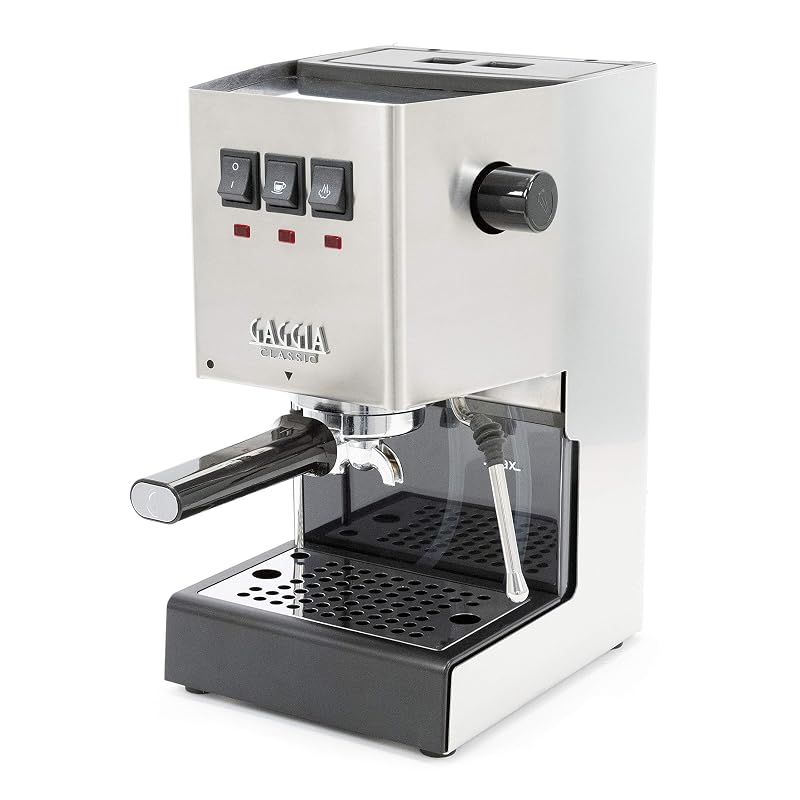
Stainless steel espresso machine on a modern kitchen counter

This post contains affiliate links. If you buy through my links, I may earn a commission at no extra cost to you.

Quick verdict:

  • Gaggia Classic Pro wins for: hobbyists who want commercial-size equipment they can learn on, mod, and repair for a decade
  • Breville Bambino Plus wins for: anyone who wants a proper latte five minutes after waking up, with zero learning curve on milk
  • My pick for most people: the Bambino Plus — automatic milk steaming and a 3-second heat-up remove the two biggest reasons people stop using their espresso machine

These are the two machines everyone lands on when they decide to make real espresso at home without spending four figures. The Gaggia Classic Pro ($450.83) is a 30-year-old Italian design built like a tank around a commercial 58mm portafilter. The Breville Bambino Plus ($499.95) is modern engineering aimed at the opposite problem: making the process fast and foolproof.

Everything below draws on my full hands-on reviews of both machines, not spec sheets alone: specs, shot quality, steam, cleaning, long-term ownership, and exactly who should buy which.

Gaggia Classic Pro vs Bambino Plus — Specs Side by Side

Spec Gaggia Classic Pro Breville Bambino Plus
Price $450.83 $499.95
Rating 4.4★ (3,151) 4.1★ (2,795)
Portafilter 58mm commercial 54mm
Heat-up time ~5 min to fully warm ~3 seconds (ThermoJet)
Milk steaming Manual commercial-style wand Automatic (temp + texture sensors) or manual
Temperature control Thermostat (PID moddable) Digital PID built in
Housing Steel, made in Italy Stainless-wrapped, plastic internals
Water tank 2.1 L 1.9 L
User-repairable Yes — full parts availability No — sealed unit
Buy Check Price Check Price

Gaggia Classic Evo Pro espresso machine in brushed stainless steel Breville Bambino Plus BES500 espresso machine

Shot Quality

With good beans, a capable grinder, and a practiced hand, the Gaggia pulls the better shot — its 58mm commercial basket spreads the puck thinner, which is more forgiving of distribution errors and produces the syrupy, textured shots hobbyists chase. The Evo Pro update fixed the old machine’s biggest flaw by setting the overpressure valve to 9 bar from the factory.

The Bambino Plus counters with consistency. Its built-in PID holds brew temperature tighter than the Gaggia’s basic thermostat, and low-pressure pre-infusion smooths over minor prep mistakes. Shot one on the Bambino tastes very close to shot fifty; on the Gaggia, shot one is usually a lesson. Ceiling: Gaggia.

Floor: Bambino. Both need a real grinder either way — see my best espresso grinder guide.

Temperature Stability

Stock versus stock, the Bambino wins this one outright. The ThermoJet heater plus digital PID lands within a couple of degrees of target every time, with no warm-up ritual.

The Gaggia’s aluminum boiler cycles around a thermostat, so experienced owners “temperature surf” — flushing water and timing the shot off the heating light. It works, but it’s a technique you have to learn, and it’s the single most common reason new Gaggia owners get sour shots in week one. A PID mod (~$100 in parts) closes the gap completely — but that’s a soldering-iron weekend, not a checkbox.

Steam Wand Performance

This is the fork in the road. The Gaggia’s commercial-style wand produces genuinely better microfoam once you’ve learned it — full manual control over stretch and texture, enough power to paint latte art foam. Budget two weeks of mediocre cappuccinos while you learn.

The Bambino Plus steams milk for you: sensors track temperature and texture, you pick one of three foam levels, and it purges the wand automatically afterward. The result is 90% as good as skilled manual foam with 0% of the practice. If your household drinks lattes daily and nobody wants a hobby, this feature alone decides the comparison. My milk frothing guide covers the manual technique if you want to learn it anyway.

Design and Usability

The Bambino Plus is the machine you can actually live with in a small kitchen: 7.7 inches wide, about 11 pounds, ready in three seconds, with one-touch buttons. The Gaggia is 16 pounds of Italian steel that needs five minutes of warm-up to pull its best shot (the ready light lies — the group head needs the time even when the boiler doesn’t).

Neither has a screen, and neither needs one. The Gaggia’s rocker switches feel like a 1990s machine because it is one, mechanically speaking — which is either charming or dated depending on why you’re buying it.

Cleaning and Maintenance

Day to day they’re similar: knock the puck, rinse the basket, wipe the wand.

The Bambino’s auto-purge keeps its steam wand cleaner with no thought. Long term, the machines diverge completely. The Gaggia is fully user-serviceable — descale it yourself, replace gaskets in ten minutes, and every part down to the boiler is available; forty-year-old Classics are still running on their original frames.

The Bambino is a sealed unit: when something fails out of warranty, the usual outcome is replacement, not repair. Descaling matters on both — my descaling guide covers the schedule.

Value for Money

Prices are close — $450.83 versus $499.95 on 29 October 2026 — which makes this comparison unusually clean: you’re not paying a premium for either philosophy, you’re just choosing one. The Gaggia’s money goes into metal, the 58mm group, and repairability.

The Bambino’s goes into the ThermoJet heater, PID, and the milk automation. Nobody is overpaying here; the only mistake is buying the one designed for somebody else. Both sit in the sweet spot of my best espresso machines under $500 guide.

Who Should Buy Each

Buy the Gaggia Classic Pro if:

  • You enjoy the process — dialing in, tweaking, learning the wand — as much as the coffee
  • You want equipment that accepts standard 58mm commercial baskets, bottomless portafilters, and a PID mod down the road
  • You expect to still be using (and repairing) the same machine in ten years
  • Straight espresso is your drink, so milk automation buys you nothing

Buy the Breville Bambino Plus if:

  • Milk drinks are the household default and you want café-quality foam on day one
  • Your mornings can’t absorb a five-minute warm-up — three seconds changes daily behavior
  • Counter space is tight and 16 pounds of steel is a liability, not a feature
  • You want the machine to be an appliance, not a hobby

Check Gaggia Price on Amazon  Check Bambino Price on Amazon

Long-Term Ownership

Ten years out, the Gaggia is the safer bet — not because Breville builds junk, but because the Gaggia is designed to be opened and the Bambino isn’t.

Gaggia parts supply spans decades of near-identical machines; gaskets, thermostats, even boilers are cheap and documented. The Bambino carries a 2-year warranty (versus Gaggia’s 1) and its owners’ 4.1-star average partly reflects units that failed young — but when a 7-year-old Bambino dies, it’s done. Factor that in if total cost of ownership drives your decision.

Verdict

For most people, the Breville Bambino Plus is the right machine. The 3-second heat-up and automatic milk steaming remove the two friction points that turn espresso machines into countertop ornaments, and its PID makes it more consistent shot-to-shot than a stock Gaggia. It’s the machine you’ll still be using — not just owning — in a year.

The Gaggia Classic Pro is the better machine for the person who wants to get better at espresso. Higher shot ceiling, commercial tooling, a legendary mod scene, and repairability the Bambino can’t touch. If that paragraph made you nod, ignore the “most people” verdict — you’re not most people.

Full deep-dives: my Gaggia Classic Pro review and Breville Bambino Plus review. Comparing more machines? Start with the best semi-automatic espresso machines or browse all my coffee equipment guides.

How This Comparison Was Put Together

Plainly: this is a research-based comparison, not a hands-on test. I have not run these side by side.

What it rests on: the published specification for both – boiler versus ThermoJet heating and what each means for warm-up and recovery, portafilter size (58mm commercial against 54mm), whether the supplied basket is pressurised, steam wand design and automatic versus manual milk texturing, and how serviceable each machine is; plus the pattern across verified-purchase reviews for each.

What I could not establish: shot quality on either, which at this price is decided more by the grinder and the operator than by the machine.

What this comparison can do is set out what each hardware choice lets you control and what it takes out of your hands – which is the real difference between these two.

Frequently Asked Questions

Is the Gaggia Classic Pro worth it over the Bambino Plus?

Only if you want espresso as a hobby. The Gaggia has a higher shot ceiling and lasts decades with basic maintenance, but the Bambino makes better coffee than a Gaggia in unpracticed hands — and prices are nearly identical.

Which makes better espresso?

A dialed-in Gaggia beats a dialed-in Bambino on shot texture thanks to the 58mm commercial basket. A stock Bambino beats a stock Gaggia on consistency thanks to its built-in PID. The grinder you pair with either matters more than this difference.

Which is better for lattes and cappuccinos?

The Bambino Plus, decisively, unless you’re willing to practice. Its automatic steam wand produces reliable microfoam from the first cup; the Gaggia’s manual wand produces better foam only after a couple of weeks of learning.

Do I need a separate grinder for these machines?

Yes, for both. Neither has a built-in grinder, and pre-ground coffee wastes what you’re paying for. Budget $100–300 for a proper burr grinder.

Which machine lasts longer?

The Gaggia, by design. It’s fully user-serviceable with decades of parts availability; the Bambino is a sealed unit that’s typically replaced rather than repaired when it fails out of warranty.

Filed Under: Product Reviews

5 Best Nonstick Cookware Sets: Reviewed and Ranked

Last Updated November 6, 2026

Disclosure: This post contains affiliate links. If you buy through them, I earn a small commission at no extra cost to you. Full disclosure here.

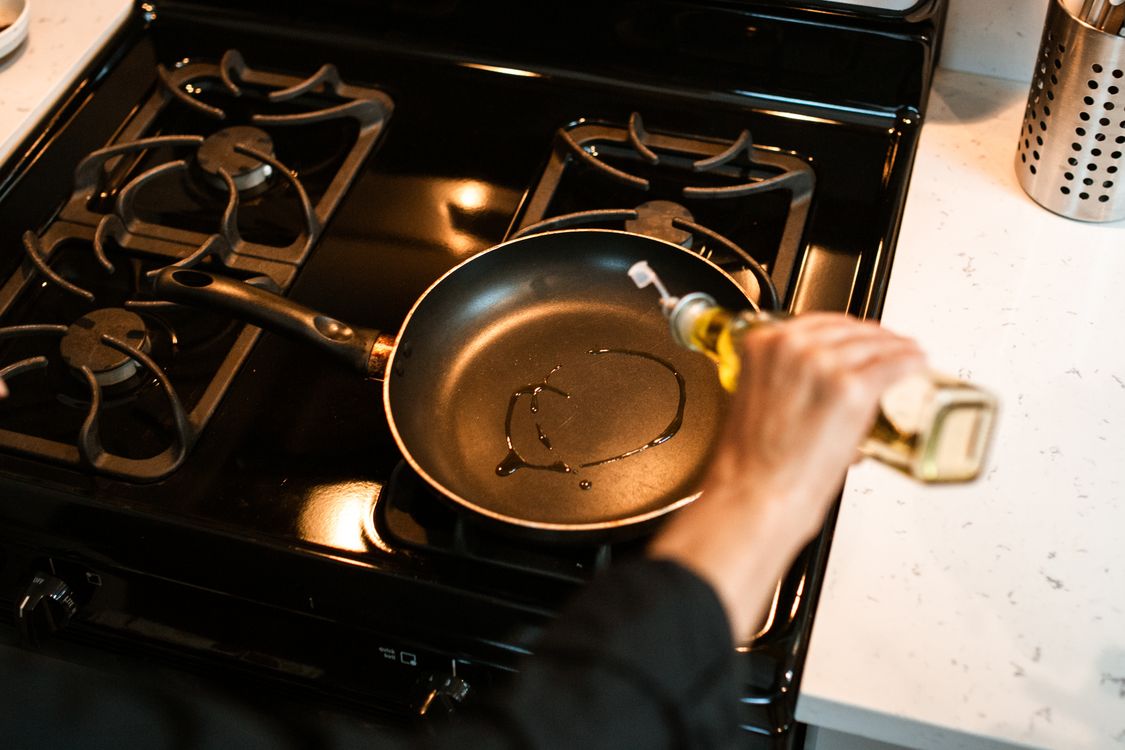
Pouring oil into a nonstick frying pan on a stovetop

The right nonstick cookware set handles 90% of what you cook — from eggs and pancakes to weeknight stir-fries and pasta sauces. After researching the most-reviewed sets available, my top pick is the T-Fal Signature 12-Piece Set ($109.99). It has over 18,000 customer reviews, a Thermo-Spot indicator that tells you when the pan is ready, and enough pieces to cover most cooking tasks.

The right choice depends on your priorities — material, durability and heat conductivity pull in different directions. The Amazon Basics 15-Piece gives you more pieces for less money. The GreenPan Lima uses a ceramic coating free of PTFE and PFAS. For high-heat cooking or a set you want to last a decade, hard-anodized aluminum is worth the extra spend.

Here’s how all five compare.

Best Nonstick Cookware Sets at a Glance

Product Best For Price Rating Buy
T-Fal Signature 12pc Best Overall $109.99 4.7★ (18,422) Check Price
Amazon Basics 15pc Best Budget $62.99 4.6★ (25,990) Check Price
GreenPan Lima 12pc Best Ceramic $149.99 4.4★ (1,614) Check Price
T-fal Ultimate Hard Anodized 12pc Best Hard Anodized $159.99 4.7★ (8,678) Check Price
Calphalon 10pc Hard-Anodized Best Premium $324.54 4.6★ (7,151) Check Price

What Makes a Good Nonstick Cookware Set

Not all nonstick sets are equal. Before diving into specific products, a few things that actually separate a set that lasts three years from one that lasts ten.

Coating thickness. Single-layer PTFE (common on budget sets) starts showing wear after 1-2 years of regular use. Two-layer coatings — like the Calphalon — last meaningfully longer. Ceramic coatings (GreenPan Lima) are more durable at high heat but require a small amount of oil to match PTFE’s food release.

Body material. Standard aluminum heats quickly but dents and warps under thermal stress. Hard-anodized aluminum has the same thermal properties but a harder exterior — it resists scratching, corrosion, and warping. None of the sets here use stainless steel, which is where you’d step up for induction compatibility and genuine long-term durability. See my guide to the most durable cookware materials for the full breakdown.

Induction. All five sets here use aluminum bodies — none of them work on induction cooktops. If you have induction, see my guide to induction-compatible cookware instead.

1. T-Fal Signature 12-Piece Nonstick Set — Best Overall

T-Fal Signature 12-Piece Nonstick Cookware Set in black

Best for: First-time buyers and everyday cooks who want a reliable, well-reviewed set without overthinking the purchase.

The T-Fal Signature’s most useful feature is the Thermo-Spot heat indicator — a circle on the base that turns solid red when the pan has reached the right cooking temperature. It removes one of the most common cooking mistakes: adding food to a pan that hasn’t properly preheated. When the Thermo-Spot goes solid, the pan is ready. It’s a small detail that actually affects results.

The 12-piece set covers most household needs: two fry pans (8″ and 10″), saucepans with lids, a sauté pan with lid, a Dutch oven with lid, and a griddle. The PTFE coating releases food cleanly at low to medium heat — eggs, pancakes, and fish do particularly well. Oven safe to 350°F, dishwasher safe, and built around a straightforward premise: do the basics reliably for several years.

With 18,348 reviews at 4.7 stars, it’s one of the most validated cookware sets available. Common complaints in reviews centre on expected PTFE limitations: the coating eventually wears (typically after 3-5 years of regular use) and very high heat shortens its life. Both are true of all standard PTFE nonstick — not defects specific to this set.

Key Specs

  • Pieces: 12 (8″ and 10″ fry pans, 1.5qt and 2qt saucepans with lids, 3qt sauté pan with lid, 5qt Dutch oven with lid, griddle)
  • Coating: PTFE nonstick
  • Body: Aluminum
  • Oven safe: To 350°F
  • Induction: No
  • Dishwasher safe: Yes

Pros

  • Thermo-Spot indicator removes preheating guesswork
  • 18,000+ reviews offer reliable long-term performance data
  • Comprehensive set — fry pans, saucepans, sauté pan, Dutch oven, griddle
  • Dishwasher safe for easy cleanup

Cons

  • Not induction compatible
  • 350°F ceiling — hard-anodized sets handle higher temperatures
  • PTFE coating won’t last as long as hard-anodized or ceramic alternatives

Check Price on Amazon

2. Amazon Basics 15-Piece Nonstick Set — Best Budget

Amazon Basics 15-Piece Nonstick Cookware Set in black

Best for: Budget buyers, first apartments, second homes, or anyone who wants the most pieces at the lowest price.

The Amazon Basics set does one thing very well: quantity at a low price. For $62.99, you get 10 cooking pieces — two fry pans, four covered saucepan/casserole pans — plus a complete 5-piece utensil set (pasta server, soup ladle, slotted turner, serving spoon, slotted serving spoon). That’s everything a new kitchen needs, in a single box.

The build quality matches the price. The nonstick coating is effective when new, but reviews consistently note wear beginning around the 18-24 month mark with regular daily cooking. For occasional use or a secondary kitchen, that’s acceptable. For a busy household using the pans twice a day, you’d want to step up to the T-Fal Signature at minimum.

With 25,940 reviews at 4.6 stars, it’s the most reviewed set in this lineup. The high review count and consistent 4+ rating suggest most buyers are getting what they expected at this price point.

Key Specs

  • Pieces: 15 (8″ and 10″ fry pans; 1.5qt, 2qt, 3qt, 5qt pans with lids; plus 5-piece utensil set)
  • Coating: PTFE nonstick
  • Body: Aluminum with spiral base
  • Oven safe: To 350°F (lids to 250°F)
  • Induction: No
  • Dishwasher safe: Yes

Pros

  • Best price-per-piece of any set reviewed here
  • 25,940 reviews — the most validated set in this lineup
  • Includes full utensil set (most sets don’t)
  • Even heat distribution on gas and electric

Cons

  • Coating starts wearing noticeably at 18-24 months with regular daily use
  • Not induction compatible
  • Lids only oven-safe to 250°F — meaningfully lower than the pans themselves
  • Handles can warm up during longer cooking sessions

Check Price on Amazon

3. GreenPan Lima 12-Piece Ceramic Nonstick Set — Best Ceramic

GreenPan Lima 12-Piece Hard Anodized Ceramic Nonstick Cookware Set in gray

Best for: Buyers who want to avoid PTFE, PFAS, lead, and cadmium, and are willing to use a small amount of oil to get comparable food release.

GreenPan’s Thermolon coating is sand-based rather than PTFE. The practical difference: it won’t release toxic fumes if accidentally overheated, and it contains no PFAS, PFOA, lead, or cadmium. For households with babies, young children, or anyone who’s read about the health concerns around traditional nonstick coatings, that’s a meaningful distinction. My guide to cast iron vs ceramic cookware covers the health comparison in detail.

The hard anodized body is more robust than the aluminum used in the T-Fal and Amazon Basics sets — it resists scratching, corrosion, and warping. The 600°F oven-safe rating for the pan body (lids rated to 425°F) is the highest in this lineup, making it the best option if you regularly start things on the stovetop and finish under a broiler.

The trade-off is food release. Ceramic coatings don’t match PTFE for pure slickness — you’ll want a little oil or butter, especially for eggs or fish. Ceramic is also more sensitive to thermal shock: don’t plunge a hot pan into cold water, and avoid sudden temperature swings. The 4.4★ rating from 1,609 reviews reflects this — it’s a well-made set, but users moving from PTFE notice the difference in daily use.

Key Specs

  • Pieces: 12 (8″ and 10″ fry pans, 1.5qt and 2.5qt saucepans with lids, 3qt sauté pan with lid, 5qt stockpot with lid)
  • Coating: Thermolon ceramic nonstick (PFAS-free, PFOA-free, lead-free, cadmium-free)
  • Body: Hard anodized aluminum
  • Oven safe: To 600°F (body), 425°F (lids)
  • Induction: No
  • Dishwasher safe: Yes (hand wash recommended to extend coating life)

Pros

  • Free of PFAS, PFOA, lead, and cadmium — won’t off-gas even if overheated
  • 600°F oven-safe body — highest in this lineup
  • Hard anodized body is more durable than standard aluminum
  • Riveted stainless steel handle is secure and built to last

Cons

  • Requires more oil/butter than PTFE — food release isn’t as effortless
  • Sensitive to thermal shock: avoid rapid temperature changes
  • Not induction compatible
  • Lowest review count of the five sets here

Check Price on Amazon

4. T-fal Ultimate Hard Anodized 12-Piece Set — Best Hard Anodized

T-fal Ultimate Hard Anodized Nonstick 12-Piece Cookware Set in black

Best for: Buyers who want the durability of hard anodized construction with the convenience of nonstick release, at a mid-range price.

Hard anodized aluminum starts as standard aluminum but goes through an electrochemical process that makes the exterior significantly harder — roughly twice the hardness of stainless steel. The result is a pan that’s more resistant to scratching, denting, and corrosion, and one that distributes heat more evenly across the cooking surface without developing hot spots over time.

The T-fal Ultimate layers a PTFE nonstick surface on top of this hard-anodized body, combining durability with easy food release. The oven and broiler-safe rating reaches 400°F for the pan (lids to 350°F) — a step up from the 350°F ceiling on the standard T-Fal Signature. The thicker construction also holds heat better: when cold food hits the pan, it recovers temperature faster than thinner aluminum sets. If you’re cooking on gas, see my best cookware for gas stoves guide for how materials perform across different burner types.

At $159.99, this costs $50 more than the T-Fal Signature. That’s a modest premium for a product built to last meaningfully longer under regular cooking conditions. If the standard Signature is a 3-5 year set, the hard-anodized version is realistically a 6-10 year set with proper care.

Key Specs

  • Pieces: 12 (8″ and 10″ skillets, saucepans, sauté pan, Dutch oven — all with lids)
  • Coating: PTFE nonstick on hard anodized body
  • Body: Hard anodized aluminum
  • Oven safe: To 400°F (lids to 350°F)
  • Induction: No
  • Dishwasher safe: Yes

Pros

  • Hard anodized body is significantly more durable than standard aluminum
  • Oven and broiler safe to 400°F — more cooking flexibility than entry-level sets
  • 8,677 reviews confirm reliable long-term performance
  • PTFE layer delivers effortless food release without sacrificing durability

Cons

  • Not induction compatible
  • About $50 more than the T-Fal Signature for a similar piece count
  • Hard anodized exterior can discolour over time in a dishwasher at high heat

Check Price on Amazon

5. Calphalon 10-Piece Hard-Anodized Nonstick Set — Best Premium

Calphalon 10-Piece Hard-Anodized Nonstick Cookware Set in black

Best for: Buyers who want a well-built, professional-feeling set and aren’t interested in replacing it in five years.

Calphalon has been building hard-anodized cookware since the 1960s. The 10-piece set doesn’t have gimmick features — no heat indicators, no detachable handles — just solid construction with a 2-layer PTFE nonstick interior. The difference between one and two layers of coating is durability: more coating means more material to wear through before the base is exposed, which meaningfully extends the pan’s useful life under regular cooking conditions.

The 6-quart stockpot stands out. Most 10-piece sets top out at 3-4 quarts; the 6-quart handles pasta for 4-5 people, proper stock-making, or batch cooking. The long silicone handles stay cool consistently during cooking — something that sounds minor until you’ve burned your hand on a short handle that conducted more heat than expected. Oven safe to 450°F, which pushes past what either T-Fal set offers.

At $324.54, this is the most expensive set reviewed here. The extra cost over the T-fal Ultimate Hard Anodized buys the 2-layer coating, the 6-quart stockpot, and Calphalon’s long manufacturing history. Worth it for a daily-use kitchen where the cookware gets serious, consistent use. Not necessary if you’re cooking twice a week.

Key Specs

  • Pieces: 10 (8″ and 10″ fry pans, 1qt and 2qt saucepans with lids, 3qt sauté pan with lid, 6qt stockpot with lid)
  • Coating: 2-layer PTFE nonstick
  • Body: Hard anodized aluminum
  • Oven safe: To 450°F
  • Induction: No
  • Dishwasher safe: Yes

Pros

  • 2-layer nonstick coating is more durable than single-layer alternatives
  • 6-quart stockpot is the largest capacity in any set reviewed here
  • Long silicone handles stay cool reliably during cooking
  • 450°F oven-safe rating — highest among the hard-anodized sets here

Cons

  • Most expensive set here — $165 more than the T-fal Ultimate for two fewer pieces
  • 10 pieces is the smallest set in this lineup
  • Not induction compatible
  • No griddle included, unlike either T-Fal set

Check Price on Amazon

How to Choose a Nonstick Cookware Set

PTFE vs Ceramic: Which Coating Is Right for You

PTFE (the generic term for Teflon) has dominated nonstick coatings for decades.

At normal cooking temperatures — under 500°F — it’s considered safe. It excels at food release; nothing sticks when the coating is in good condition. The concerns around PTFE relate to manufacturing: PFAS chemicals used in the process have environmental and health implications, and older formulations contained PFOA (now banned). Modern PTFE cookware is PFOA-free, but broader PFAS concerns remain for some buyers.

Ceramic coatings (like GreenPan’s Thermolon) avoid both PTFE and PFAS entirely. They’re sand-derived, won’t off-gas at any cooking temperature, and are genuinely free of synthetic PFAS chemistry. The practical downsides: they don’t release food quite as effortlessly as PTFE, and they’re more sensitive to abrasion and thermal shock. If eliminating PFAS is a priority, ceramic is the only option in this price range.

If you want the best food release with the fewest complications, PTFE remains the practical choice for most cooks.

How Many Pieces Do You Actually Need

For a household of 1-2, you can manage with a 10″ fry pan, a 2-quart saucepan with lid, and a 5-6 quart stockpot. That’s three pieces. The rest of what comes in a 12-15 piece set is convenience and coverage for edge cases.

For families of 3+, a 12-piece set makes more sense. You want multiple pans running simultaneously, and larger skillets and stockpots become genuinely useful. The Amazon Basics 15-piece is the obvious choice if you want maximum coverage at minimum cost. The T-Fal Signature 12-piece hits a good middle ground: enough variety without excess.

Oven-Safe Ratings: What They Actually Mean

The oven-safe temperature is the maximum a pan can handle without the coating degrading. 350°F covers most everyday cooking: braising, finishing dishes, warming through. 400°F handles more — you can roast at that temperature without issue. 450°F (Calphalon) and 600°F (GreenPan Lima) open the door to high-temperature roasting and broiling that lower-rated sets can’t safely handle.

Worth checking the lid rating separately — it’s almost always lower than the pan rating.

Induction Compatibility

All five sets reviewed here use aluminum bodies, which are not induction compatible. Induction cooktops require ferromagnetic material at the base to generate heat — iron or certain stainless steels.

Bare steel surfaces do show their history, and it is worth knowing which marks matter: white spots on stainless are either harmless deposits or permanent pitting. If you have induction, none of these sets will work.

See my guide to induction-compatible cookware for alternatives. On gas or electric, all five work normally.

Hard Anodized vs Standard Aluminum

Standard aluminum (T-Fal Signature, Amazon Basics) is lightweight, heats quickly, and keeps costs down.

Its weakness is durability: it dents more easily, and the surface can corrode over time. Hard anodized aluminum has the same thermal properties but a dramatically harder exterior. It resists scratches, doesn’t corrode, and handles thermal stress better — and the nonstick coating applied on top lasts longer because the base it adheres to is more stable.

If you cook daily and want the set to last 8-10 years, hard anodized is worth the premium.

Frequently Asked Questions

How long does a nonstick cookware set last?

With daily use, a standard PTFE nonstick set (T-Fal Signature, Amazon Basics) will show meaningful coating wear after 2-4 years.

Hard anodized sets (T-fal Ultimate, Calphalon) extend this to 5-10 years with proper care. Ceramic nonstick can outlast PTFE but is more sensitive to abrasion and thermal shock — lifespan depends heavily on how carefully you use it.

Can I put nonstick pans in the dishwasher?

All five sets reviewed here are marked dishwasher safe. In practice, dishwashers shorten nonstick coating life — the combination of harsh detergent and high heat degrades the coating faster than hand washing. For full lifespan out of the set, hand wash and dry immediately.

For everyday convenience, dishwashing is fine if you expect to replace the set in 2-3 years rather than 5+.

Is PTFE (Teflon) nonstick safe to use?

At cooking temperatures under 500°F, yes. PTFE only starts breaking down above 500°F, which requires leaving an empty pan on high heat for several minutes.

Normal cooking doesn’t come close. Modern PTFE cookware is also PFOA-free, which addressed the main manufacturing-related health concern. If you remain concerned, GreenPan Lima uses a ceramic coating with no PTFE or PFAS.

What’s the difference between hard anodized and regular aluminum?

Both are aluminum, but hard anodized has been through an electrochemical process that converts the surface into aluminium oxide — roughly twice as hard as stainless steel. In practice: a harder, more scratch-resistant exterior that resists corrosion and handles thermal stress better.

The cooking properties (heat distribution, weight) are similar to standard aluminum. The trade-off is price: hard anodized costs significantly more than standard aluminum at the same piece count.

Do I need to season a nonstick pan?

No. Neither PTFE nor ceramic nonstick pans require seasoning in the way cast iron does.

Most manufacturers recommend washing a new pan with warm soapy water, drying it, then rubbing a thin layer of cooking oil onto the surface before first use. After that, it’s ready immediately. No curing, no build-up — just rinse, oil, and cook.

Can nonstick pans go on a gas stove?

Yes.

All five sets reviewed here work on gas, electric, and glass-ceramic cooktops. None are compatible with induction. On gas, match pan size to burner size — an open flame that extends up the sides of a pan can damage the exterior coating over time and heat handles faster than intended.

How These Picks Were Chosen

Plainly: this is a research-based guide, not a hands-on test. I have not run these side by side, and nothing here should be read as a report from my own kitchen.

What the picks rest on: construction – fully clad through the walls versus a disc bonded to the base, which decides whether the sides heat at all – along with the pieces actually included rather than the headline count, since lids and shared items inflate it; induction compatibility, oven-safe temperature, and handle attachment; plus the complaint patterns across verified-purchase reviews, where the recurring themes are rivets loosening and nonstick pieces in a set outlasting nothing.

What I could not establish: how evenly each set heats, which is the practical case for clad construction.

It needs thermal imaging or a flour test across a preheated pan and no independent test covers these sets. Construction type is used as the indicator throughout, and it is a good one, but it is not a measurement.

The Bottom Line

For most kitchens, the T-Fal Signature 12-Piece is the right starting point. It’s well-reviewed, covers real-world cooking needs, and the Thermo-Spot indicator is a genuinely useful daily feature at a price that doesn’t require overthinking. If budget is the priority, the Amazon Basics 15-Piece gives you more pieces for less — just understand the coating will start wearing sooner.

For a set you want to keep for a decade, the T-fal Ultimate Hard Anodized or Calphalon hard-anodized sets are worth the investment. The GreenPan Lima is the only option here that eliminates PTFE and PFAS entirely — important if that matters to your household. If you’re also comparing individual skillets or looking at sets for a specific cooktop, my nonstick copper cookware guide and best cookware for gas stoves are worth reading alongside this one. If holiday roasts are part of your cooking rotation, the best roasting pan for prime rib guide covers the dedicated pans built for the job.

Related: Best Non-Stick Pan 2026: 5 Picks That Actually Last

I’ve also individually reviewed several budget nonstick sets that come up often in searches: Gotham Steel Hammered 10-Piece, CAROTE 20-Piece, and NutriChef 18-Piece. None of them unseat my top picks above, but if you’ve already got one on your radar, my reviews cover what to expect.

Not sure if ceramic or traditional nonstick is right for you? See my direct Ceramic vs Nonstick Cookware comparison, using the GreenPan Lima and T-fal Ultimate Hard Anodized sets above.

One less thing to worry about with any of these: all of them handle metal utensils without damage — see whether metal utensils are safe on stainless steel for why.

Filed Under: Product Reviews

  • « Go to Previous Page
  • Page 1
  • Interim pages omitted …
  • Page 62
  • Page 63
  • Page 64
  • Page 65
  • Page 66
  • Interim pages omitted …
  • Page 70
  • Go to Next Page »

Recent Articles

  • Burr vs Blade Grinder: Which One Should You Buy?
  • Stainless Steel Pan Sticking? Causes and the Water Test
  • Carbon Steel Pan Rusting: What Makers Say to Do
  • Moka Pot Grind Size: What to Set and How to Dial It In
  • Hard Anodized vs Stainless Steel Cookware: Which to Buy

Search


HOME          Contact          Affiliate Disclosure          Terms of Service          Privacy Policy


kitchenwarecompare.com is a participant in the Amazon Services LLC Associates Program, an affiliate advertising program designed to provide a means for sites to earn advertising fees by advertising and linking to Amazon.com, Endless.com, MYHABIT.com, SmallParts.com, or AmazonWireless.com. Amazon, the Amazon logo, AmazonSupply, and the AmazonSupply logo are trademarks of Amazon.com, Inc. or its affiliates. As an Amazon Associate I earn from qualifying purchases.


Copyright © 2026 kitchenwarecompare.com, ALL RIGHTS RESERVED.